Evolution of Digital Assets at Grayscale – Peter Mintzberg (EP.528)
31 min
Listen through the publisher, then discuss the episode here or arrange an in-person Roundtable. Your city determines where to meet.
Roundtables are designed for groups of four, with a shared subject and room for everyone to speak. Come for discussion, with no dating expectation.
Peter Mintzberg is CEO of Grayscale, one of the world's largest digital asset managers founded in 2013. Peter joined Grayscale two years ago after a career in strategy and M&A at Goldman Sachs, Apollo, and BlackRock. He saw digital assets as the next step in the evolution of traditional finance. Our conversation covers the rapid mainstream adoption of digital assets, Grayscale's transition from its pioneering trusts to a broad ETF platform, and opportunities beyond Bitcoin and Ethereum. We discuss active management in digital assets, the evolution of blockchain applications, and the changing regulatory environment. We then turn to Peter's view of what comes next, including the convergence of AI and tokenization, personalized portfolios, and a future where the distinction between liquid and illiquid assets fades away. See full disclaimer here (https://www.capitalallocators.com/podcast/evolution-of-digital-assets-at-grayscale/). Learn More Follow Ted on X (https://twitter.com/tseides?lang=en) at @tseides or LinkedIn (https://www.linkedin.com/in/tedseides/) Subscribe to the mailing list (https://capitalallocators.com/) Access Transcript with Premium Membership (https://capitalallocators.com/signup) Editing and post-production work for this episode was provided by The Podcast Consultant (https://thepodcastconsultant.com/)
Episode information is provided by the publisher. Listening takes place on the publisher’s service.
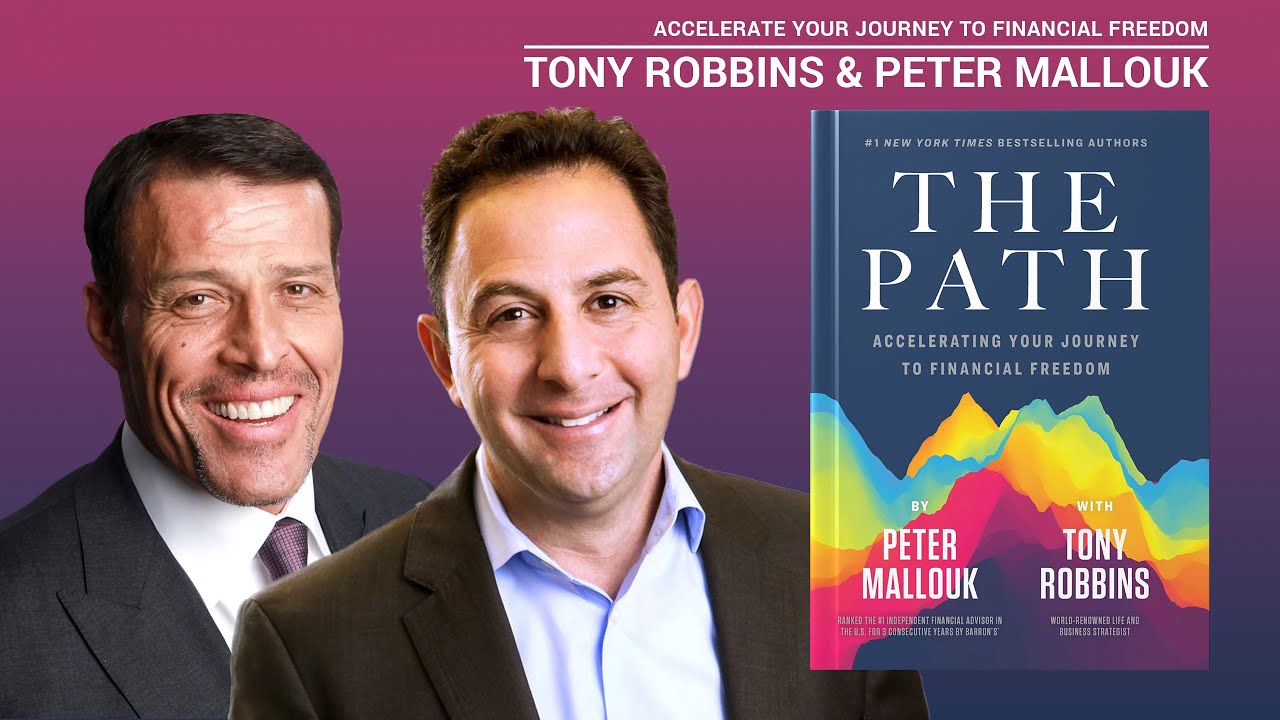
This interview with Peter Mallouk, global finance expert and co-author of The Path, pulls the curtain back on what’s really happening in today’s marketplace – and shows you how to leverage it to build true financial independence. It’s a sneak peek of what’s in the book, packed with valuable advice from one of the greatest minds in finance: Mallouk has been ranked the #1 financial advisor by Barron’s and grew his wealth management firm, Creative Planning, from managing $30 million in assets to more than $50 billion. Uploaded 18-10-20 From financial principles like inflation, bear markets and taxes to the psychology of success, in this video Mallouk shares a few of the most essential concepts from the book. He’ll go over the importance of getting laser-focused on your goals, an idea that Tony Robbins himself also champions. As Peter explains, superstar athletes didn’t just wake up one day and start working out. They know their sport and they know what they have to do to win. This applies
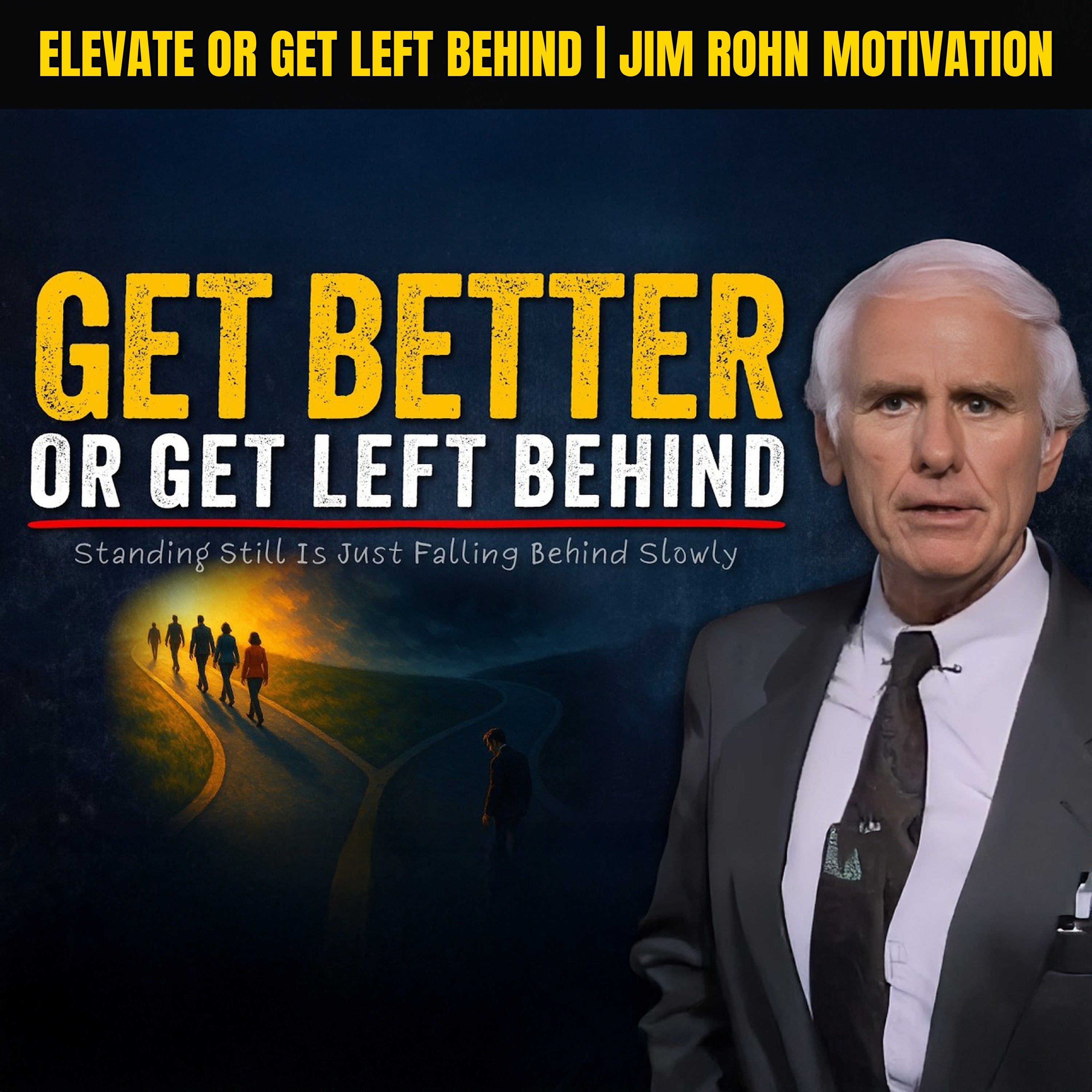
In this Jim Rohn Motivation video, discover the undeniable truth about growth: if you're not improving, you're falling behind. Jim breaks down why constant evolution is not optional—it's essential for anyone who wants to thrive in a fast-changing world. Key Topics From This Motivational Video: Why standing still means falling behind The power of small, consistent improvement How comfort becomes the silent enemy of growth The discipline of practice and repetition The influence of your environment and peers This powerful Jim Rohn motivational video is a wake-up call for anyone coasting through life. Through real-world wisdom, Jim shares how discipline, feedback, and learning compound over time to create unstoppable momentum. If you're serious about personal growth, this message will shift your perspective and ignite change. This Jim Rohn Motivational Video Is Perfect For: Anyone feeling stuck in their routine or career Entrepreneurs and business leaders striving to stay ahead Students an
The same complaint takes another hour of your week. You may have every reason to be upset. What change would you want that time and attention to help create? In this episode of The Level Up Podcast, Paul Alex breaks down how to turn recurring frustration into a direction you can begin working toward. Paul makes room for unfair situations and appropriate ways to address them. A necessary conversation, request for help, or formal concern may deserve action. Repeating the same argument in your head can still leave your own future waiting. Name the change beneath the complaint, whether it involves time, a role, or a boundary. Then look for movement that does not require someone else to apologize or agree. The step can matter while you are still upset; you do not have to resolve every feeling before acting. In this episode, you’ll learn: • How to notice when replaying a complaint has stopped providing useful information. • Why naming the desired change gives frustration a practical directio
Hey everybody, Tom Bilyeu here. On today’s episode of Impact Theory, we’re taking on a topic that’s got the whole world holding its breath: the escalating crisis between the United States and Iran. As tensions ratchet up, we’re asking the tough questions—how did we get stuck in this “escalation trap,” and what does it mean for America’s global leverage, our economy, and our very sense of security? The conversation focused on why the traditional idea of “strategy” might be failing policymakers, using powerful analogies—like chess versus roulette—to show how doubling down in conflict can spiral out of control. We’ll break down the risks of tactical “wins” that create even bigger crises, the real leverage Iran holds with control of the Strait of Hormuz, and the mounting pressure on President Trump as political support erodes and legacy hangs in the balance. A key theme that emerged is what happens when military might runs into decentralized opposition, and why high-stakes gambles—like the
Jordi Visser is a veteran macro investor with 30+ years of experience and the author of the VisserLabs Substack. In this conversation, we break down why AI is destroying capitalism, the wave of cyber attacks shaking markets, the AI stock selloff, and the Anthropic IPO. We also discuss why bitcoin still matters, the 200-day moving average, global liquidity, and the year-end pain trade. ======================== ======================== This episode is sponsored by GraniteShares. GraniteShares is launching AIL and ANS, two ETFs built to trade Anthropic's daily move. AIL seeks two times Anthropic's daily performance and ANS seeks two times the opposite, with no margin or borrowing needed. Both reset daily, are built for short-term traders, and carry significant risk. Learn more at https://www.graniteshares.com/anthropic-leveraged-etfs This video includes a paid sponsorship with GraniteShares. AIL and ANS are proposed funds and are not yet available for trading; their launch depends on Anth
What if your AI agent could find the people you should know before you even start looking? Cosign is building a professional network around reputation and trusted recommendations, and now agents can use that network too. MTS host Sophia Dew sits down with a16z’s David Booth and Cosign’s Bella Nazzari to discuss what they’ve learned since launching Cosign, why traditional profiles often miss the operators doing the most important work, and how the Cosign Awards are surfacing talent through the people willing to vouch for them. They also explore an emerging behavior: people connecting their agents to Cosign to continuously find relevant people, lists, and opportunities, and what professional networking could look like when both humans and their agents participate. Resources: Follow David Booth: https://x.com/davidbooth Follow Bella Nazzari: https://x.com/nazzari Follow Sophia Dew: https://x.com/sophiadew Learn more about Cosign:https://cosign.co/ Connect your agent to Cosign:https://cosi
Paul Enright is a guru on equity hedge fund investing. Paul manages his family office, Krainos Holdings, that he started after a long career at Viking Global. For the last three years, he went back into the business as Chairman of Fundamental Equities for multi-manager pod shop Jain Global. Our conversation is a deep dive on single manager and multi manager hedge funds and on equity research in the age of AI. AlphaSense free trial (https://www.alpha-sense.com/capital/) for Capital Allocators listeners. Take Ridgeline's investment management tech survey (http://ridgeline.ai/survey). Learn more about Juniper Square here (https://www.junipersquare.com/). Learn More Follow Ted on X at @tseides (https://twitter.com/tseides?lang=en) or LinkedIn (https://www.linkedin.com/in/tedseides/) Subscribe to the mailing list (https://capitalallocators.com/) Access Transcript with Premium Membership (https://capitalallocators.com/signup) Editing and post-production work for this episode was provided by
Paul Enright is a private investor managing his own capital under single family office, Krainos Capital. Paul opened Krainos after a dozen years at Viking Global Investors, the multi-billion dollar long-short equity hedge fund that also has been one of the most successful breeding grounds for talent in the industry. He has a deep understanding of intricacies of long-short equity investing and a knack for explaining it well. Our conversation covers Paul's career path to Viking, training while there, and advice to early-career investors. We dive into the distinction between business analysis and stock picking, and the importance of portfolio management to investment success. In the process, we discuss liquidity, shorting, portfolio rebalancing, incentive compensation, and market structure. We close with Paul's approach to managing his own money and his answers to a terrific set of questions sourced from his Twitter feed before the show. Learn More Follow Ted on Twitter at @tseides (https
The new documentary about Elizabeth Holmes and a candid conversation with a successful investment manager got me thinking about how we discover the truth. In this What Ted's Thinking, You Can't See Everything, I explore how the questions allocators ask can shape the answers they receive, and how our search for certainty can get in the way of understanding. Read Ted's blog here (https://www.capitalallocators.com/teds-blog/?category_2=what-teds-thinking&filterwp=31888). Editing and post-production work for this episode was provided by The Podcast Consultant (https://thepodcastconsultant.com (https://thepodcastconsultant.com/))
Organizations should explain important automated decisions in language people can understand.
Share your view, then see how readers voted. No sign-in required. This poll is shared across stories.
Do you agree or disagree?
Common Quandary
A Common Quandary to discuss
Another conversation to explore, separate from this news story.
A likable but unreliable former employee lists you as a reference. How honest are you?
A former employee who was unreliable but personally likable lists you as a reference without asking. Their prospective manager calls and asks only whether you would hire them again.
How much truth do you owe a stranger when it may cost someone a fresh start?