English-language podcasts

Nick Norwitz MD PhD - Metabolic Health & Longevity

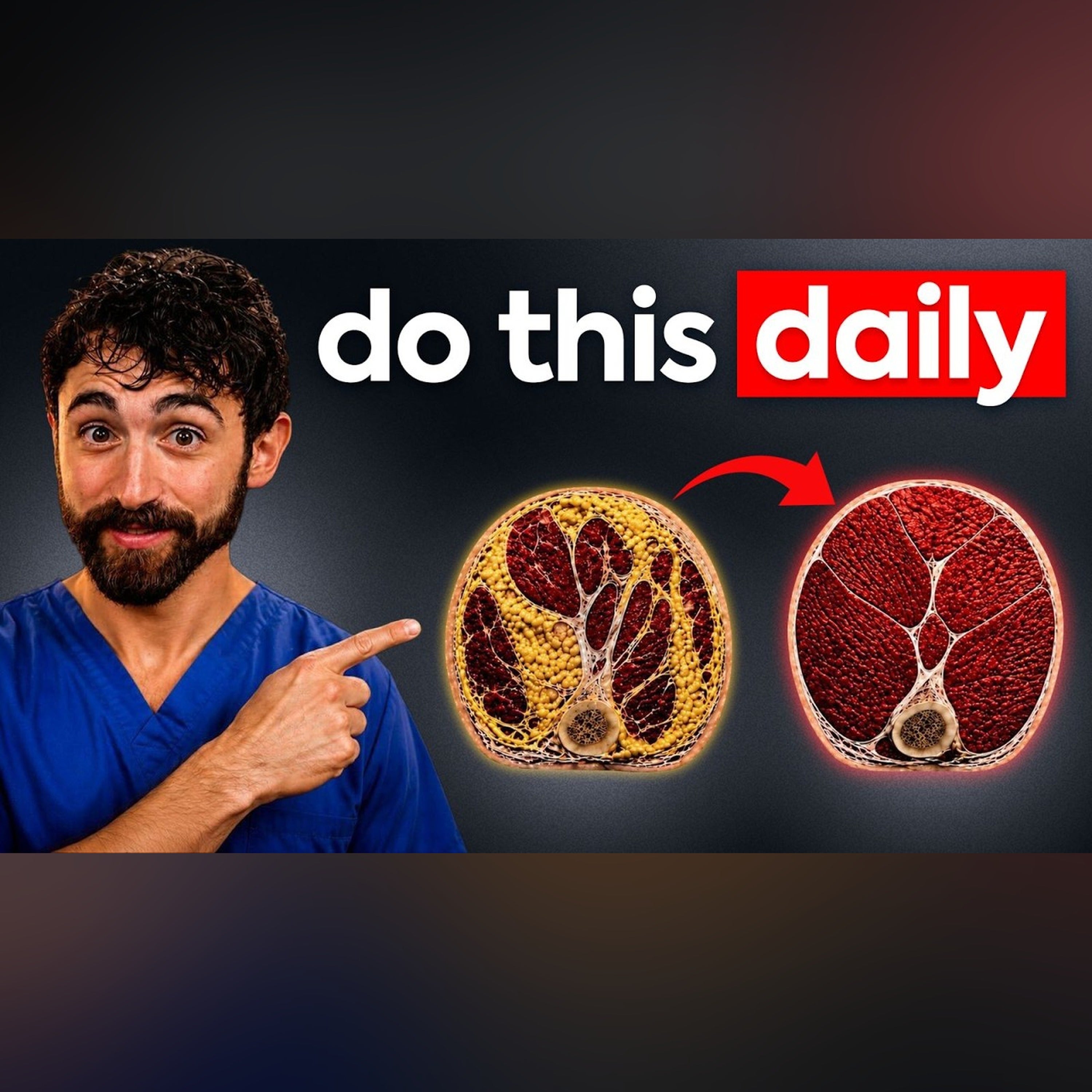
Exercise Erases 57% of Muscle Aging
33 min

Listen through the publisher, then discuss the episode here or arrange an in-person Roundtable. Your city determines where to meet.

Roundtables are designed for groups of four, with a shared subject and room for everyone to speak. Come for discussion, with no dating expectation.

For all the references, additional nuances, and early access to content like this, check out the associated StayCurious Metabolism newsletter: https://staycuriousmetabolism.substack.com/p/scientists-just-discovered-how-exercise?r=40ekz2 Exercise Non-Responder Letter: https://staycuriousmetabolism.substack.com/p/why-your-workouts-arent-working-its?r=40ekz2 Sleep Masterclass Video: https://youtu.be/cgnfJtLc_pY SS-31 Letter: https://staycuriousmetabolism.substack.com/p/the-fda-approved-peptide-for-mitochondrial?r=40ekz2 MOTS-C Letter: https://staycuriousmetabolism.substack.com/p/mots-c-the-mitochondrial-peptide?r=40ekz2 Wolverine Stack Letter: https://staycuriousmetabolism.substack.com/p/can-peptides-regrow-the-heart-the?r=40ekz2 Thymus and Longevity Letter: https://staycuriousmetabolism.substack.com/p/the-most-overlooked-organ-in-aging?r=40ekz2 5-Amino-1MQ Letter: https://staycuriousmetabolism.substack.com/p/the-metabolic-leak-that-might-be?r=40ekz2 If you want to try 5-Amino-1MQ, here’s the link: try.gotwingspan.com/norwitz5Amino1MQ. Discount code “StayCurious” Chapters 0:00 – A Big New Studies Looked Inside Aging Muscle 4:13 – What Actually Breaks During Aging 6:33 – The Muscle that Refused to Age 10:20 – Foundational Tools to Preserve Healthy Muscle 13:45 – The Exercise Non-Responder Phenomenon 15:24 – Advanced Tools to Preserve Healthy Muscle 16:35 – The Mitochondrial Peptides (SS-31 and MOTS-c) 20:37 – Plugging the Leak in the System (5-Amino-1MQ) 21:50 – The Growth Hormone Peptides 24:00 – Aging is More of a Choice Than Ever Before Description: What if aging isn’t as inevitable as we think? A new Nature Aging study looked deep inside human muscle and found something remarkable: in highly trained older adults, more than half of the gene-expression changes normally associated with aging were absent. Not merely slowed—absent. In this video, I break down what actually changes inside aging muscle, why mitochondria and NAD+ matter, and what exercise appears to preserve at the molecular level. Then we move from the fundamentals—resistance training, aerobic fitness, nutrition, sleep, and daily movement—to more advanced tools being explored for healthy aging, including SS-31, MOTS-c, 5-Amino-1MQ, tesamorelin, and other growth-hormone-axis therapies. The big question is simple: how much of aging is really happening to us, and how much can we influence? The answer may be far more encouraging than most people realize. #Aging #Longevity #HealthyAging #Exercise #Muscle #MuscleHealth #Mitochondria #NAD #NADPlus #Metabolism #MetabolicHealth #StrengthTraining #ResistanceTraining #Cardio #AerobicExercise #VO2Max #Fitness #Healthspan #Lifespan #AntiAging #BiologicalAge #MuscleAging #MitochondrialHealth #ExerciseScience #LongevityScience #NatureAging #HealthyMuscle #Sarcopenia #Strength #Mobility #Sleep #Nutrition #BloodSugar #InsulinSensitivity #SS31 #MOTSc #5Amino1MQ #Tesamorelin #Peptides #LongevityPeptides #GrowthHormone #VisceralFat #Thymus #BrainHealth #HeartHealth #ExerciseMimetic #Biohacking #HumanPerformance #StayCurious #science Disclaimer: This video is for general informational purposes only and is not medical advice; talk to your own clinician before starting, stopping, or changing any treatment. Research Use Only (RUO) products have not been cleared or approved by the FDA for clinical diagnostic use. RUO products are intended solely for laboratory research and are not intended to be used for diagnosing, treating, or preventing disease in humans. Any discussion of specific RUO products is for research purposes only and does not constitute a claim of clinical efficacy. Nothing on this page is medical advice — always consult your own clinician before starting any new therapy.

Episode information is provided by the publisher. Listening takes place on the publisher’s service.

Listen at the source ↗

Featured places to meet in Palo Alto, CA

Explore these places and arrange a conversation through ThinkMatch.

City guide for Palo Alto, CA

More from Nick Norwitz MD PhD - Metabolic Health & Longevity

Nick Norwitz MD PhD - Metabolic Health & Longevity

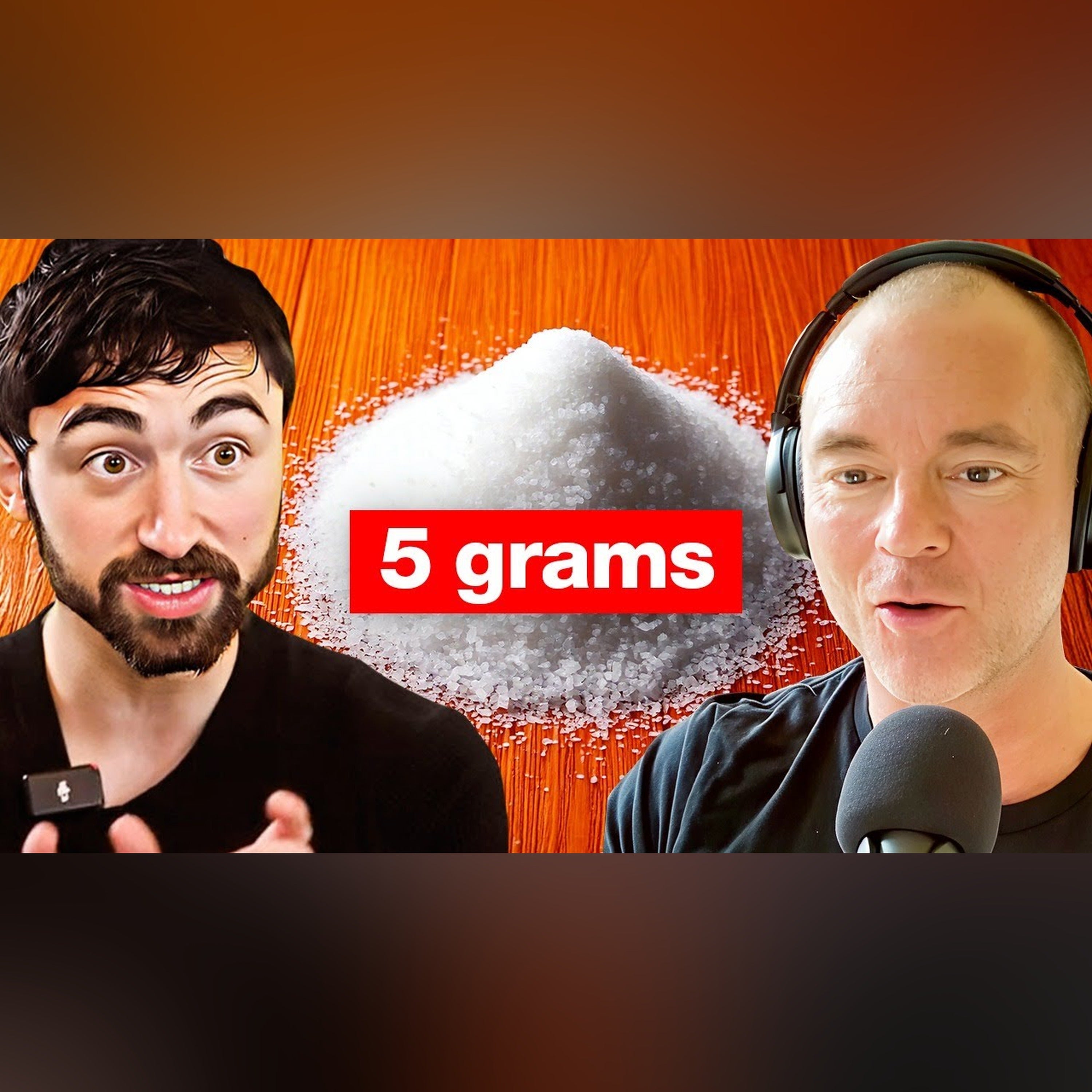
A Pinch of Truth: Rethinking Salt | ft. Robb Wolf

52 min

Robb Wolf Interview Part 1: https://youtu.be/Wi-6KttZ54g LMNT “Scandal” Video: https://youtu.be/uI2ewgimH3g Salt, Leptin and Blood Pressure: https://staycuriousmetabolism.substack.com/p/salt-vs-fat-rethinking-the-root-causes?r=40ekz2 Oleuropein and Calcium Signaling: https://youtu.be/ljuimrT2a1s In Part 2 of my conversation with Robb Wolf, we dig into one of the most misunderstood aspects of nutrition and metabolic health: electrolytes. Most people think electrolytes simply matter for athletes or hot summer workouts, but the reality is far more complex. We also get into the science behind sodium, why the old fear of salt never made sense mechanistically, and how obesity and leptin signaling influence salt sensitivity, and more. Chapters 0:00 – Why Electrolytes Matter More Than You Think 3:12 – Low-Carb, Insulin and Hidden Electrolyte Loss 7:38 – How to Know If You’re Sodium Deficient 11:25 – The Truth About Sodium, Obesity and Blood Pressure 21:59 – How Much Sodium You Really Need 29:1

Discuss this episode

Nick Norwitz MD PhD - Metabolic Health & Longevity

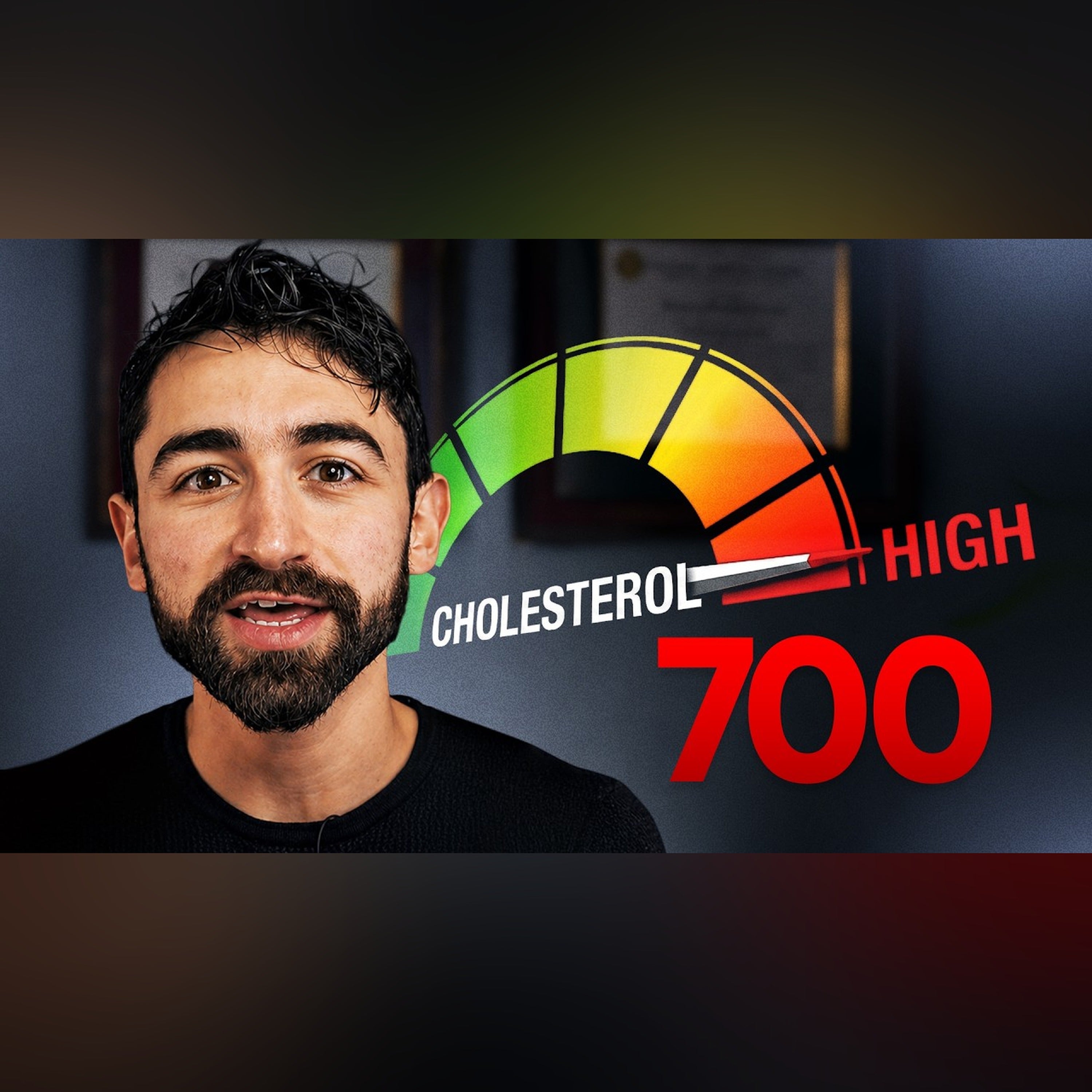
I Changed My Mind on Cholesterol Medications (After 7 Years)

30 min

For a written breakdown, more nuances and early access to content, see the associated newsletter: https://open.substack.com/pub/staycuriousmetabolism/p/im-finally-lowering-my-cholesterol?r=40ekz2&utm_campaign=post&utm_medium=web&showWelcomeOnShare=true (https://open.substack.com/pub/staycuriousmetabolism/p/im-finally-lowering-my-cholesterol?r=40ekz2&showWelcomeOnShare=true) Statin RCT Video: https://youtu.be/d9LeDSoYOVc Ezetimibe Video: https://youtu.be/5idzP5ghT7A Bempedoic Acid Letter: https://staycuriousmetabolism.substack.com/p/beyond-cholesterol-the-unfolding?r=40ekz2 Description For the last seven years, despite extremely high cholesterol, I refused cholesterol-lowering medications. But I’ve just changed my mind…sort of. In this video, I walk through the full decision-making process: the risks, the uncertainty, the medical context, and the nuances that made this case unusually complicated. There are three plot twists. This is not medical advice. It’s a detailed look at an unusual

Discuss this episode

Nick Norwitz MD PhD - Metabolic Health & Longevity

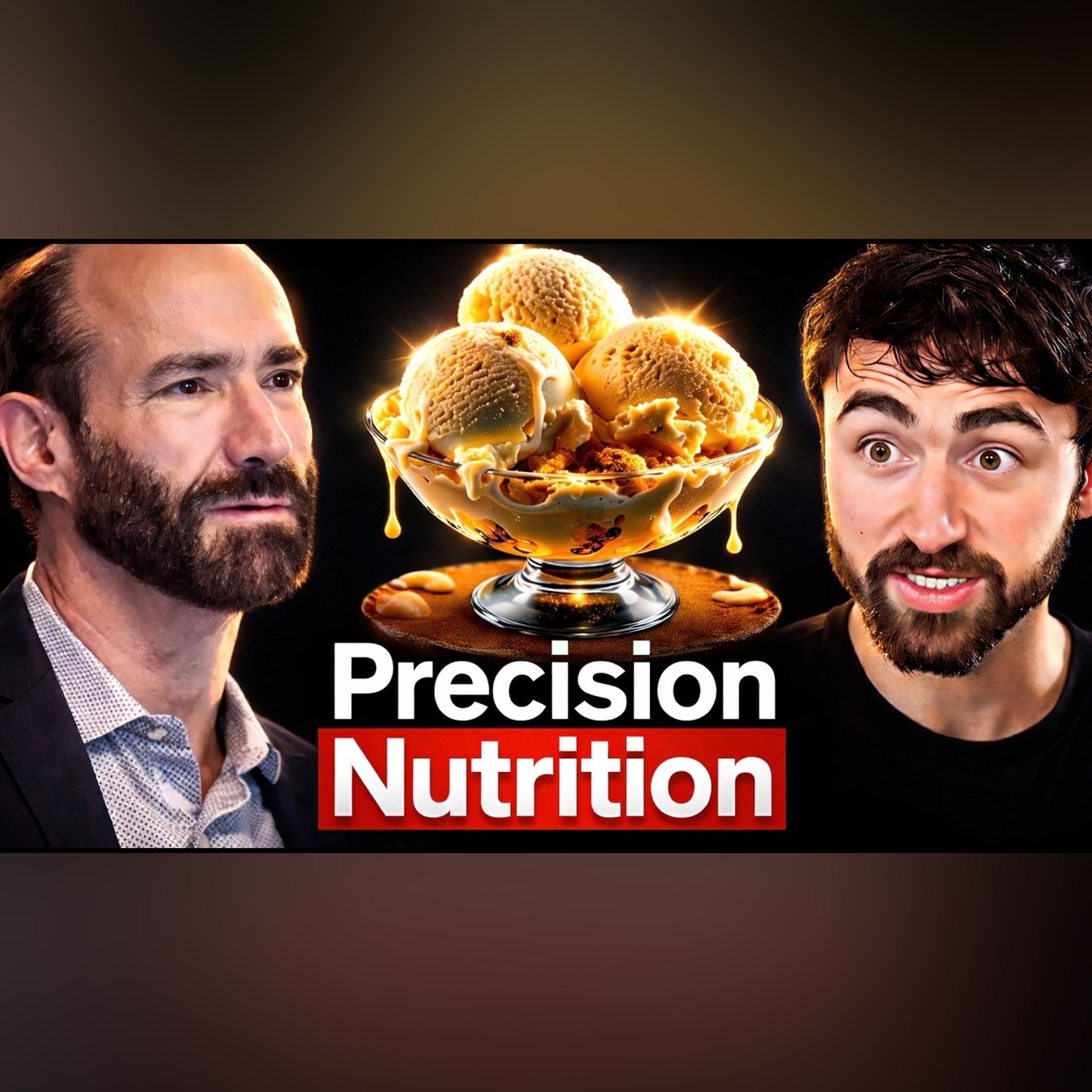
Blood Sugar According to a Stanford Scientist

37 min

StayCurious Newsletter on Snyder’s Fiber Randomized Controlled Trial: https://staycuriousmetabolism.substack.com/p/fiber-is-good-for-you-is-lazy-science?r=40ekz2 StayCurious Newsletter on Inulin and Fructose Resistance: https://staycuriousmetabolism.substack.com/p/the-fiber-that-fights-fat-how-inulin?r=40ekz2 Snyder Interview 1, Four Types of Diabetes: https://youtu.be/mCrc4gfbK2o Snyder Interview 2, Most Viral Aging Study: https://youtu.be/kMpGkg4zMOU Snyder Interview 3, Most Beautiful Exercise Study: https://youtu.be/_9ywulQF2Ho Why does the same food spike one person’s blood sugar while barely affecting another? In this fourth conversation with Stanford’s Professor Michael Snyder, we explore new research on individualized glycemic responses, insulin resistance subtypes, and why one-size-fits-all nutrition advice keeps failing. From rice spiking glucose more than ice cream, to the power of the grape-to-potato ratio, and beyond, this discussion reveals how metabolism, microbiome, immu

Discuss this episode

Community Poll

Classroom technology should prove educational value before becoming standard.

Share your view, then see how readers voted. No sign-in required. This poll is shared across stories.

Do you agree or disagree?

Choose one answer

Common Quandary

A Common Quandary to discuss

Another conversation to explore, separate from this news story.

One friend is rich, one is broke, and everyone ordered differently. How do you split dinner?

A group of longtime friends traditionally divides restaurant bills equally. Their incomes have grown increasingly unequal, and one friend now declines gatherings because even their share is difficult to afford while others order without thinking about price.

When should friendship adjust for differences in wealth?

Explore this quandary