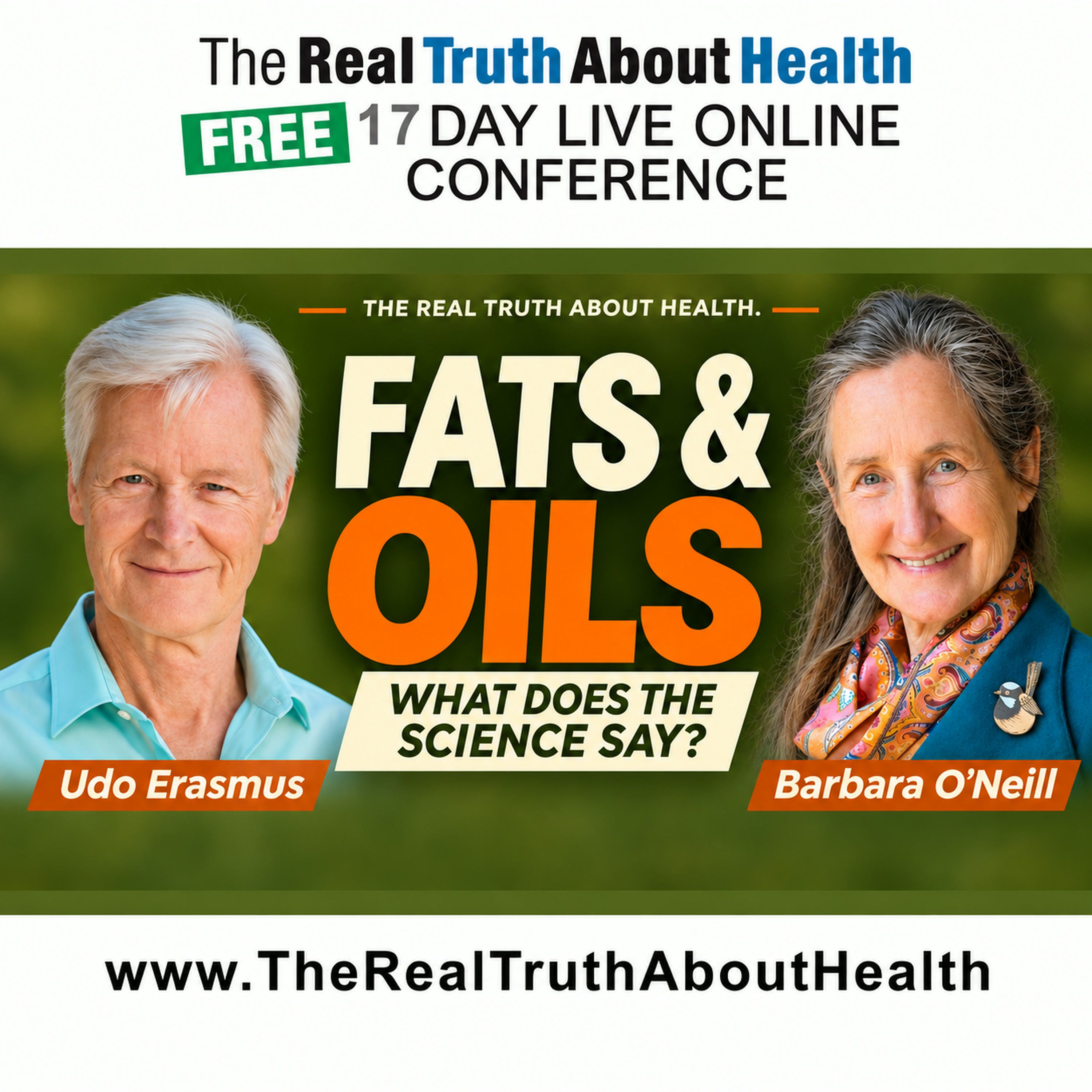
Fats / Oils: Are These Good or Bad for My Health? What the Best Science Says
81 min
Listen through the publisher, then discuss the episode here or arrange an in-person Roundtable. Your city determines where to meet.
Roundtables are designed for groups of four, with a shared subject and room for everyone to speak. Come for discussion, with no dating expectation.
Fats / Oils: Are These Good or Bad for My Health? What the Best Science Says Udo Erasmus and Barbara O'Neill examine whether fats and oils help or harm health, and what the best science suggests. Learn how oil quality, processing, omega balance, and dietary fat choices may influence inflammation, metabolism, heart health, and longevity. #HealthyFats #Nutrition #Omega3
Episode information is provided by the publisher. Listening takes place on the publisher’s service.
In this in-depth conversation with Dr. Nic Verhoeven, PhD. creator of Physionic, we explore the controversial world of seed oils and their impact on health. Together, we – “the Nicks” –delves into the science behind seed oils, separating fat from fiction. Importantly, we try to approach this topic with the nuance and humility we both feel is deserves. This isn’t about what we know for certain as much as it is about what the biomedical and scientific community should admit we don’t know but need to study further. Get ready for a thought-provoking discussion on nutrition science, the impact of seed oils on metabolic health, and practical insights to make more informed dietary choices. To Learn More about Seed Oils see my prior video on topic, as well as a recent Newsletter covering a key paper that Nic and I briefly discuss in this interview. Hint: It’s all about “Perspective.” Prior Seed Oil video https://youtu.be/3rwbL5HrRUc Newsletter on Omega-6/3 Ratio and “Perspectives” https://open
Keto Consult #12, This week Jennifer and I talk about my experience at the Metabolic Health Center 2019. I was able to hear some really interesting lectures about Keto for Cancer and Keto for Mental Health. The talk about Keto for Cancer and Keto for Mental Health has come such a long way in the past 2 years and continues to evolve. We also discuss the Effects of Marijuana on the Brain and Hyperbaric Oxygen Chambers and the benefits of Hyperbaric Oxygen Therapy. Finally we get an update from Jennifer and discuss her personal Keto Journey. Thanks for tuning into my channel. To learn more about Keto and Cancer, read my blog here: https://bozmd.com/m-d-anderson-on-the-keto-diet-and-cancer/ BOOK-LINK - ANYWAY YOU CAN. AUDIBLE: https://adbl.co/2SLLfS1 PAPERBACK= (Affilate link) https://amzn.to/2Cq1IVC The two most common questions I get ... 1) "Doc, what BLOOD METER do you recommend?" ANSWER: FORACARE: http://bit.ly/2QKGmKG For years my diabetics told me this system was great. I tried sever
Text me what you thought of the show (https://www.buzzsprout.com/1959372/fan_mail/new) Can working night shifts affect your fertility, ovulation or IVF success? After speaking with numerous women trying to fall pregnant while working shifts, including those undergoing expensive IVF treatment, I wanted to explore what the research actually tells us. In this episode of A Healthy Shift, we discuss how night shifts, disrupted sleep and circadian misalignment may affect reproductive health. We cover: Why the fertile window is so short. Shift work, reproductive hormones and menstrual irregularities. What research says about night shifts, fertility and IVF outcomes. The roles of sleep, stress, nutrition, weight and exercise. Practical steps for women trying to conceive while working shifts. Research links shift work with menstrual irregularities, but evidence that night shifts directly cause infertility or reduce IVF success remains uncertain. If you're trying to get pregnant while working ni
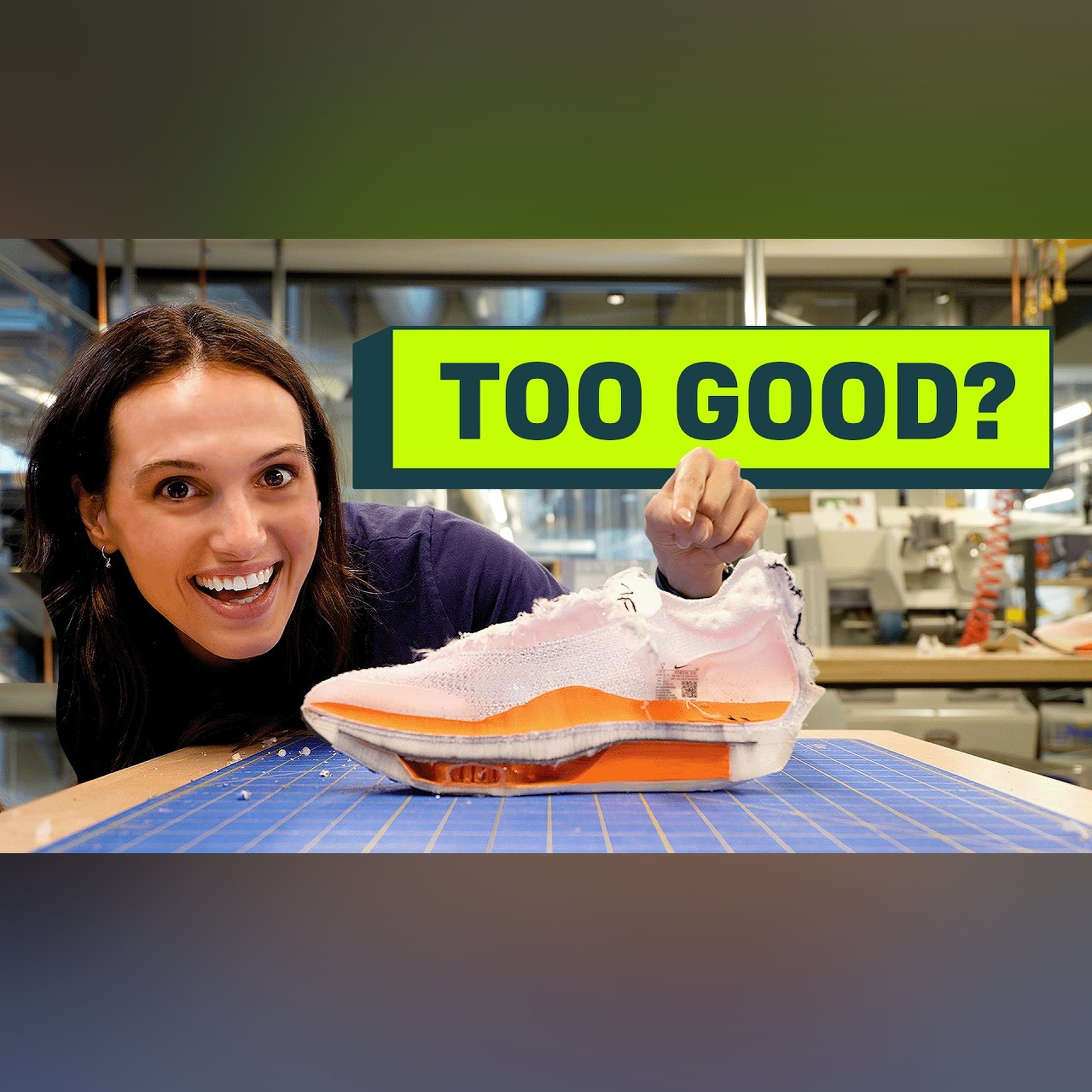
When is sports gear so good it’s actually cheating? There is a ton of cool sports gear that’s banned from sports for making athletes too good. Swimsuits that make a swimmer too streamlined, gloves that make a receiver’s hands too grippy, bats that let a player hit the ball too hard, and shoes that help a runner go too freaking fast… They call it “TECH DOPING,” using physical gear to gain an unfair advantage. In this video, I’ll show you the banned gear you won’t see at the Paris Olympics, and the cutting edge tech you will see that’s on the very limit of what’s allowed. You might be thinking, hold on, no gear should give athletes an advantage! But… we don’t run barefoot anymore. We don’t swim naked. We use tech to play sports. And that tech is always improving, pushing forward what humans can do. So… where’s the line? This is about way more than sports. In every part of our lives, technology pushes forward what we can do! And it’s up to us to decide what we want from it. This video is
What actually works when it comes to detecting lies, and why are so many popular ideas about reading people and nonverbal behavior at odds with the scientific research? I talk with Aldert Vrij, one of the world's leading deception-detection researchers, who has spent almost four decades studying these topics. We discuss why what people say is far more revealing than their body language; why the perceived “sexiness” of reading nonverbal behavior has contributed to widespread myths and misconceptions; whether vocal behaviors like pitch, volume, and hesitation contain meaningful clues; and whether there's value in analyzing minor word choices and turns of phrase, as is done in so-called “statement analysis.” We discuss Paul Ekman's legacy as a source of faulty ideas about deception, micro-expression-based deception detection training, and the strategies that popular “body language experts” use to appear scientifically credible while simultaneously promoting ideas that conflict with the sc
Glycine is an amino acid that helps build collagen and is involved in regulating inflammation, and researchers are exploring its role in healthy aging, yet your body may produce less of it as you get older Modern diets often lack glycine-rich connective tissues, such as bones, tendons and cartilage, making grass fed beef bone broth, gelatin and collagen-rich cuts of meat valuable additions to your meals Animal studies described by biochemist Joel Brind, Ph.D., found that glycine supplementation extended lifespan in rats and mice by approximately 10% to 15%, although researchers have yet to establish whether it produces similar benefits in humans In a small, three-month placebo-controlled trial of 74 adults with Type 2 diabetes, those given glycine had significantly lower HbA1c and reduced inflammatory markers compared with placebo, although larger studies are needed Research suggests glycine may help your body release heat and lower its core temperature before sleep, while collagen-ric
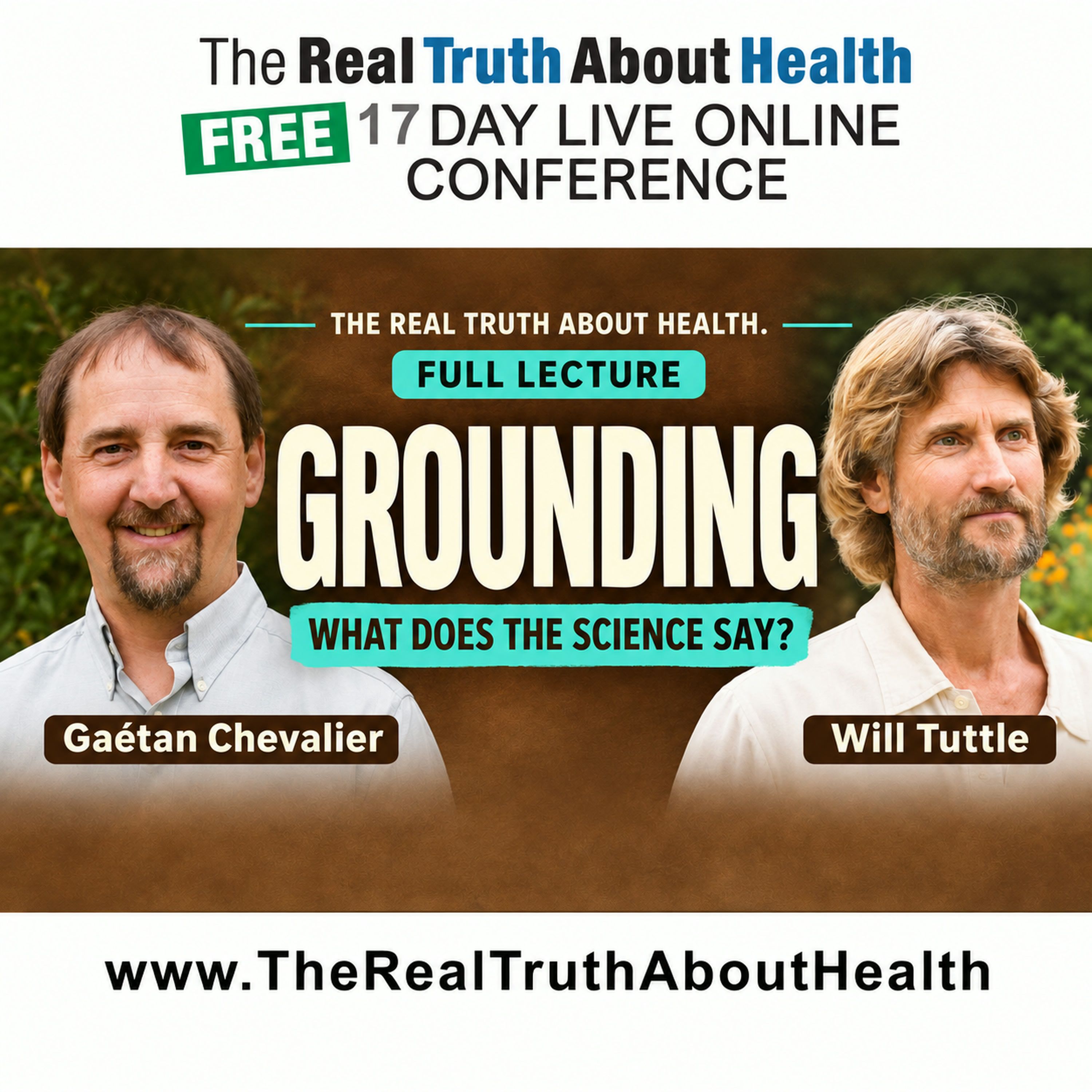
Grounding: What Does the Science Say About Potential Health Benefits? Gaétan Chevalier Ph.D. and Will Tuttle, Ph.D., explore the science and philosophy of grounding, including its potential effects on inflammation, stress, sleep, and overall wellbeing. Learn what current evidence suggests and how reconnecting with the earth may support health. #Grounding #Wellness #NaturalHealth
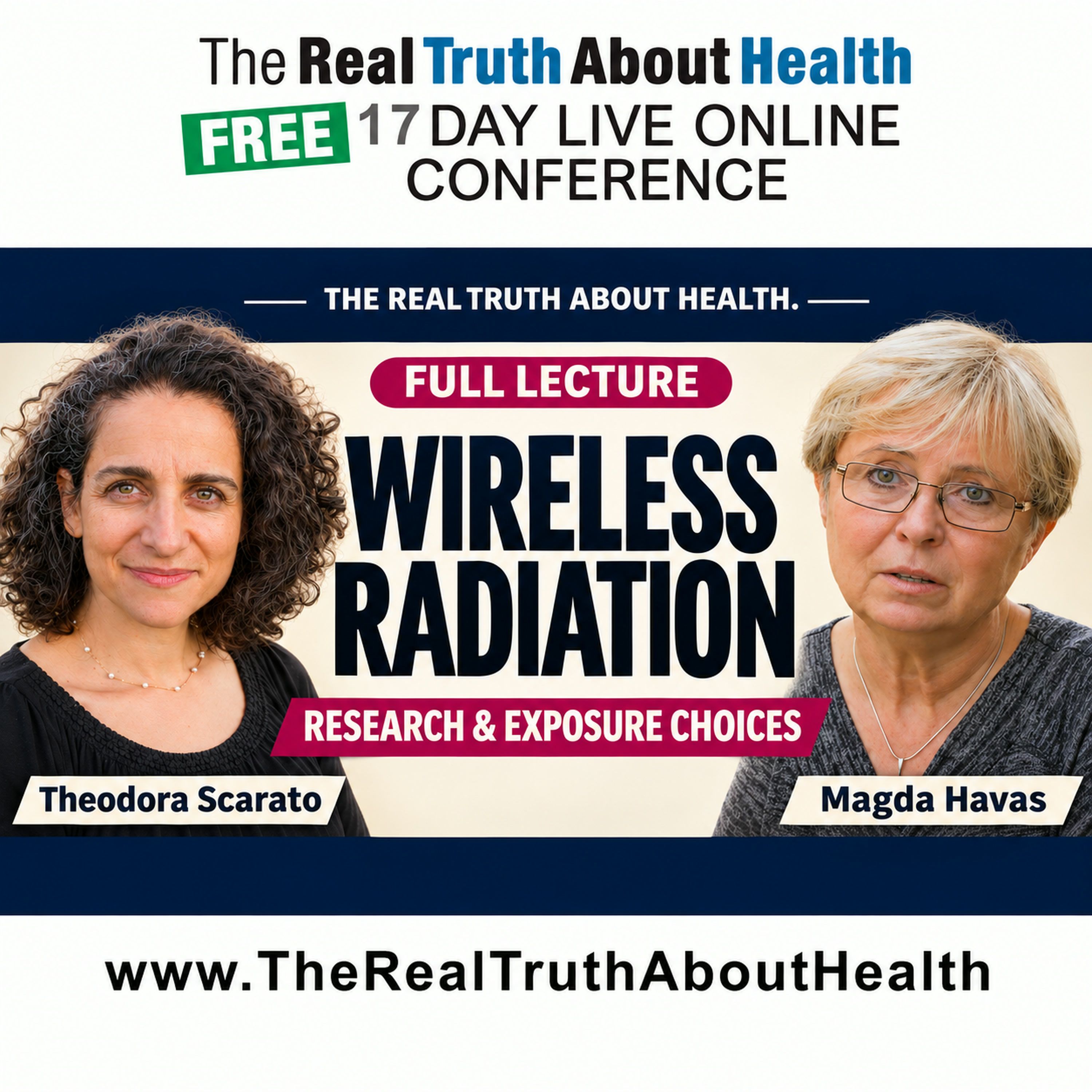
Wireless Radiation: What the Research Says—and How to Reduce Exposure if You Choose Theodora Scarato, MSW, and Magda Havas, PhD, examine what research says about wireless radiation and potential health effects. Learn about everyday exposure sources, scientific concerns, and practical steps people can choose to reduce EMF exposure at home, work, and school. #WirelessRadiation #EMF #PublicHealth
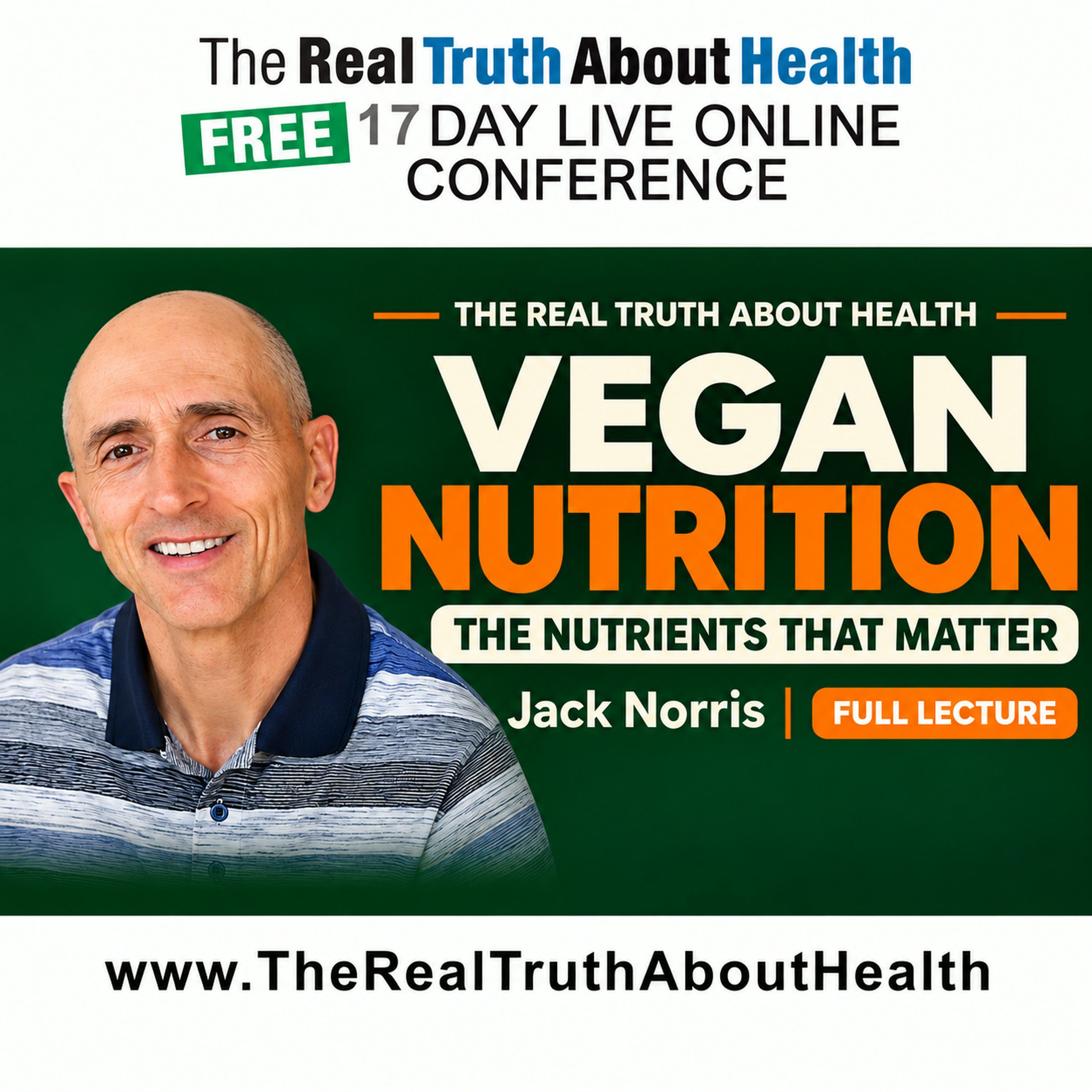
Nutrition Tips for Vegans Jack Norris, R.D., shares practical nutrition tips for vegans to help support a balanced, healthy diet. Learn about key nutrients, smart food choices, supplementation considerations, and evidence-based strategies for thriving on a well-planned vegan lifestyle. #VeganNutrition #PlantBased #HealthyEating
Polluters should pay cleanup costs even when the damage occurred many years ago.
Share your view, then see how readers voted. No sign-in required. This poll is shared across stories.
Do you agree or disagree?
Common Quandary
A Common Quandary to discuss
Another conversation to explore, separate from this news story.
An app can text exactly like someone you lost. Would you keep talking to it?
A service can create a conversational likeness from a deceased person's messages and recordings. A grieving family member finds it comforting, although the deceased never consented to this use of their data.
Can comfort justify creating a voice the dead never authorized?