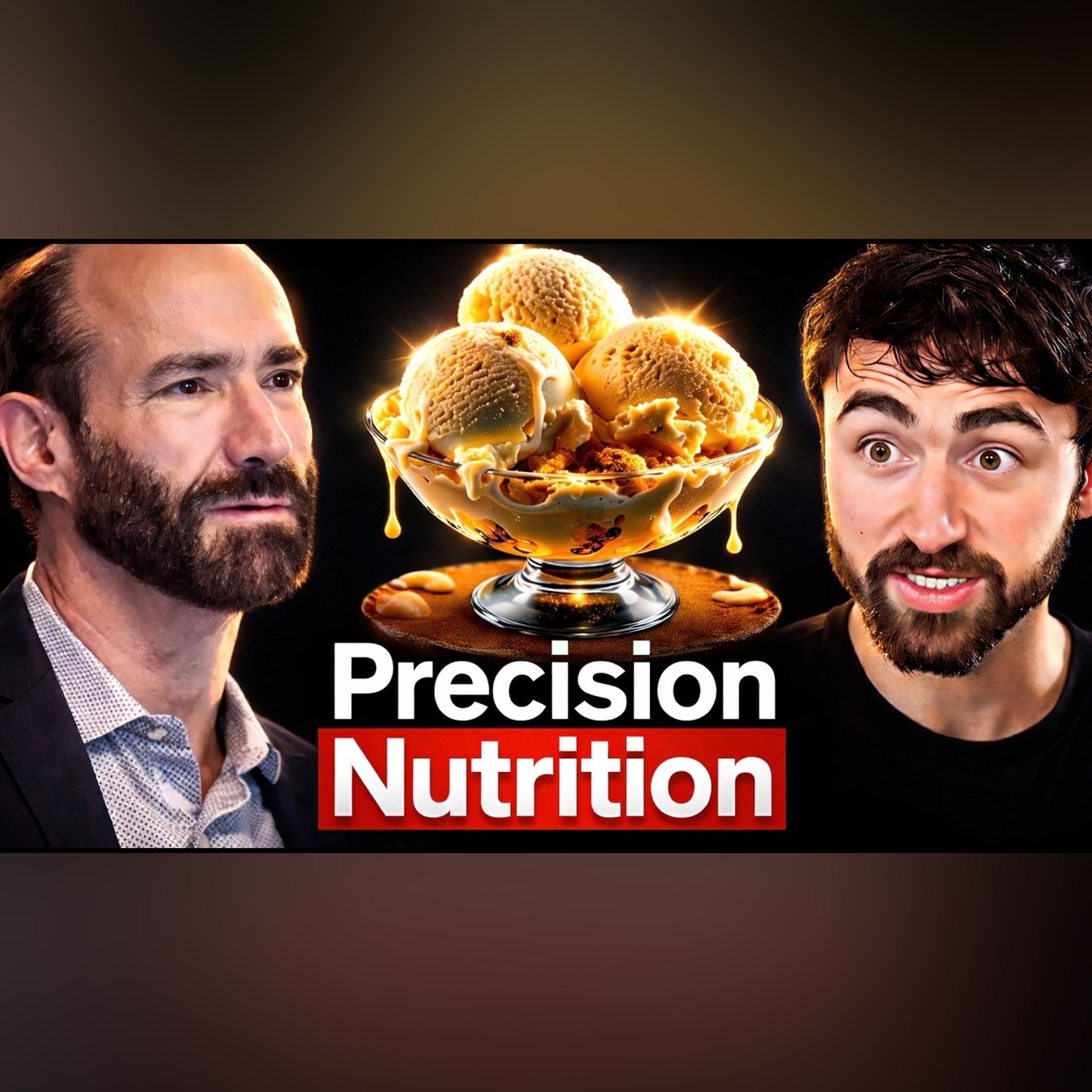
StayCurious Newsletter on Snyder’s Fiber Randomized Controlled Trial: https://staycuriousmetabolism.substack.com/p/fiber-is-good-for-you-is-lazy-science?r=40ekz2 StayCurious Newsletter on Inulin and Fructose Resistance: https://staycuriousmetabolism.substack.com/p/the-fiber-that-fights-fat-how-inulin?r=40ekz2 Snyder Interview 1, Four Types of Diabetes: https://youtu.be/mCrc4gfbK2o Snyder Interview 2, Most Viral Aging Study: https://youtu.be/kMpGkg4zMOU Snyder Interview 3, Most Beautiful Exercise Study: https://youtu.be/_9ywulQF2Ho Why does the same food spike one person’s blood sugar while barely affecting another? In this fourth conversation with Stanford’s Professor Michael Snyder, we explore new research on individualized glycemic responses, insulin resistance subtypes, and why one-size-fits-all nutrition advice keeps failing. From rice spiking glucose more than ice cream, to the power of the grape-to-potato ratio, and beyond, this discussion reveals how metabolism, microbiome, immu
For thousands of years, olive oil was valued as much as a medicine as a food, and modern research has largely supported that reputation. In large randomized trials, adding extra virgin olive oil to a Mediterranean diet lowered rates of heart attacks, strokes, diabetes, and atrial fibrillation Those benefits come not from the oil's fat, but from a small fraction of compounds (e.g., polyphenols) that refining destroys and that degrade with time, heat, and light. Two bottles labeled extra virgin can differ more than tenfold in them, which means the right oil delivers its benefits in a teaspoon, and the wrong one delivers little at any dose One of these compounds, oleocanthal, was discovered because it stings the throat the same way ibuprofen does, and it was then found to block the same enzymes. In clinical trials, olive oil has lowered markers of inflammation, the Mediterranean diet has the most evidence of any diet for rheumatologic patients, and in a small trial, olive oil applied dire
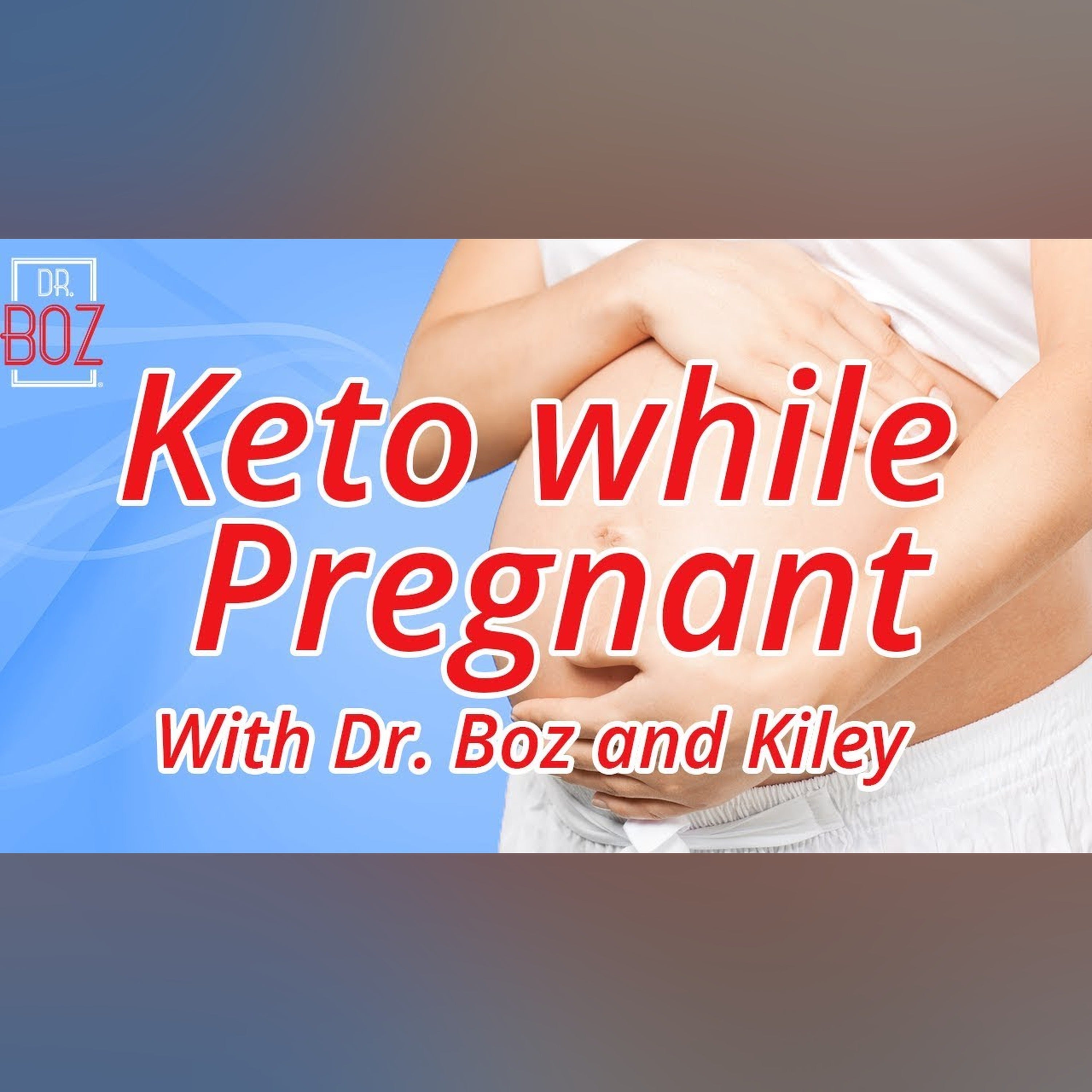
In this Playlist Premiere video I talk with my patient Kiley about being Keto While Pregnant. She tells us how she survives 72 hour fasts during her pregnancy and the struggles of being Keto While Pregnant. We also discuss Glucose Tests during Pregnancy and more specifically Glucose Tolerance Tests. Finally towards the end we get into talking about High Iron Foods and Iron Rich Foods for Pregnancy and why I encourage breastfeeding when being Keto While Pregnant. The Keto Diet while Pregnant can be a difficult journey. Hopefully this series helps those in a similar position overcome their challenges! ON BECOMING BABYWISE: (affiliate link) https://amzn.to/2El0JHC Thanks for tuning into my channel. BOOK-LINK - ANYWAY YOU CAN. AUDIBLE: https://adbl.co/2SLLfS1 PAPERBACK= (Affilate link) https://amzn.to/2TeNoEU The two most common questions I get ... 1) "Doc, what BLOOD METER do you recommend?" ANSWER: FORACARE: http://bit.ly/2QKGmKG For years my diabetics told me this system was great. I tr
Your child can pass the eye chart and still miss what’s right in front of them. Here’s why. Optometrist Dr. Meenal Agarwal explains why 20/20 eyesight doesn’t tell the whole story. Vision is a brain-driven process, and when the brain stops prioritizing the periphery, kids can look at a scene without perceiving it. She also shares the milestone delays she was seeing in her clinic long before Covid. LIKE this video if you found the conversation helpful. COMMENT below with your biggest question or concern about your child’s screen time and vision. Follow Dr. Meenal Agarwal: Website: https://www.drmeenal.com/ Instagram: https://www.instagram.com/dr.meenalagarwal/ YouTube: https://www.youtube.com/@UncoverYourEyeswithDr.Meenal LinkedIn: https://www.linkedin.com/in/dr-meenal-agarwal-9732a260 Resources : Stuck in a Flat World (book): https://www.drmeenal.com/stuck-in-a-flat-world/ Uncover Your Eyes podcast: https://podcasts.apple.com/us/podcast/uncover-your-eyes-the-truth-about-health-and-well
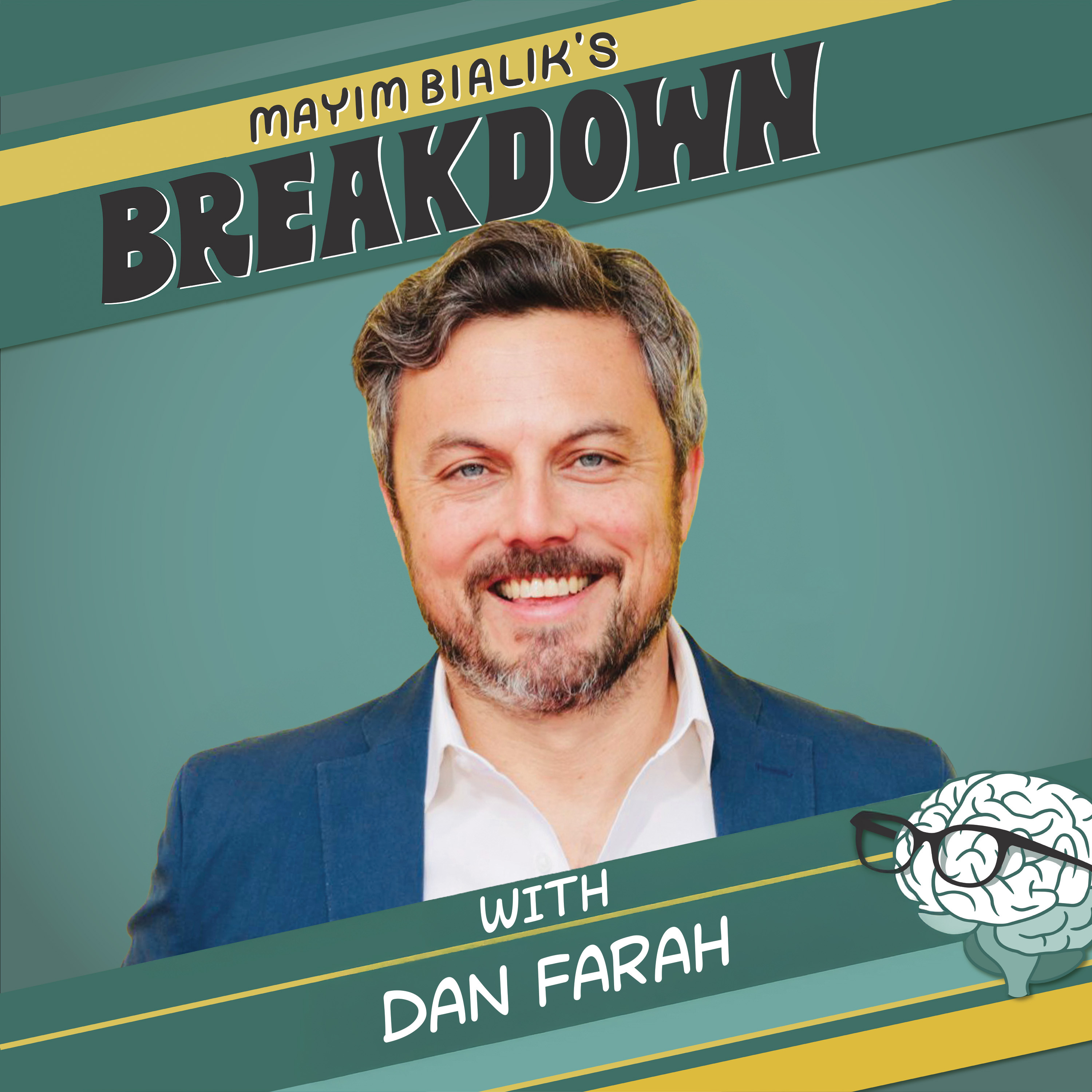
WHAT DOES THE U.S. GOVERNMENT REALLY KNOW ABOUT UAPs, ALIENS, AND NON-HUMAN INTELLIGENCE? Dan Farah, director and producer of The Age of Disclosure, goes deep behind the making of the most talked-about UAP documentary of recent years, and reveals what he heard from government, military, and intelligence insiders about alleged crash-retrieval programs, non-human intelligence (NHI), reverse-engineering, national security, and the decades-long fight over UFO disclosure. The Age of Disclosure features testimony from 34 U.S. government, military, and intelligence community insiders. But how did Dan Farah get these people to talk? And what did they tell him? In this episode of Mayim Bialik's Breakdown, Dan Farah explains: - The alleged 80-year UAP cover-up: What governments have known about NHI, and why the subject remained classified for so long - Secret race to reverse-engineer UAP tech, one of the most consequential technological & geopolitical competitions in human history - Alleged “Leg
Today, Mel is doing something she's never done before on The Mel Robbins Podcast. She's bringing members of her team into the studio for live coaching with world-renowned communications expert Vinh Giang. Vinh is known for teaching millions of people online how to stop sounding insecure, speak more clearly, and get people to listen when you talk. And when you hear him coaching today, it will be like he’s coaching you. One person freezes when they're put on the spot. Another can't stop interrupting people. Someone else has great ideas but stays quiet because they're afraid of being judged. Does any of that sound familiar? And Vinh isn't just giving advice. He's coaching real people through practical exercises, right there in the studio, so you can hear the difference and start making those same changes in your own life. As Mel says, put yourself in their shoes. As Vinh works with each person, you'll recognize things you struggle with, too. You'll learn: -What to do when your mind goes b
Some people are trading traditional birth control for methods like fertility tracking to avoid getting pregnant. How effective are these approaches? And why are people attracted to these "natural" methods? Naomi* and Tegan discuss some of these methods, and how side effects of contraceptives might be contributing to this shift. *Dr Naomi Koh Belic is filling in for Norman Swan as he recovers from his knee replacement! Keep an eye out for Dr Naomi's Fact or Fiction on the ABC Science YouTube (https://www.youtube.com/channel/UCR_kFbcwWy1cKLCkmcMf4lg). References: “Do You Know What Birth Control Actually Does to Your Body?”: Assessing Contraceptive Information on TikTok (https://onlinelibrary.wiley.com/doi/10.1111/psrh.70025) Hormonal Birth Control Misinformation on TikTok: A Content Analysis of Influencer Narratives (https://digitalcommons.wayne.edu/som_srs/470/) Self-reported contraceptive method use at conception among patients presenting for abortion in England: a cross-sectional anal
The world is full of distractions, and our biggest one might be the phone in our hands. Many people feel their attention spans have suffered from endlessly "doomscrolling" online. Norman and Tegan discuss what has actually happened to our attention in the age of social media. Check out Science Friction: Brain Rot (https://www.abc.net.au/listen/programs/sciencefriction/brain-rot/105534830) for more on what technology is doing to our brains. References: A comprehensive review of attention tests: can we assess what we exactly do not understand? (https://link.springer.com/article/10.1186/s41983-023-00628-4) Quantifying attention span across the lifespan (https://pmc.ncbi.nlm.nih.gov/articles/PMC10621754/) Are attention spans really shrinking? What the science says (https://www.nature.com/articles/d41586-026-01407-w) Is there a Flynn effect for attention? Cross-temporal meta-analytical evidence for better test performance (1990–2021) (https://www.sciencedirect.com/science/article/pii/S01918
Urgent public needs can justify simplifying normal approval procedures.
Share your view, then see how readers voted. No sign-in required. This poll is shared across stories.
Do you agree or disagree?
Common Quandary
A Common Quandary to discuss
Another conversation to explore, separate from this news story.
Your ex's streaming password still works. When does borrowing become stealing?
Months after a friendly breakup, your television remains logged into your ex's streaming account. They have never mentioned it, the service allows several screens, and your viewing does not increase their monthly bill.
Can silence count as permission when asking might end the benefit?