Listen through the publisher, then discuss the episode here or arrange an in-person Roundtable. Your city determines where to meet.
Roundtables are designed for groups of four, with a shared subject and room for everyone to speak. Come for discussion, with no dating expectation.
With over 600 million regular runners worldwide, running is the most popular sport on the planet. While the phenomenon of long-distance running is a growing global obsession, in East Africa it is becoming something more: a way of life, and for some, a genuine pathway to social mobility. This BBC World Service documentary follows evolutionary biologist Prof Ben Garrod as he crosses Uganda - from the training grounds of world record holders to a remote marathon in the foothills of the Rwenzori Mountains, to find out how running is reshaping lives and communities and to ask why humans, alone among the great apes, ever learned to run at all.
Episode information is provided by the publisher. Listening takes place on the publisher’s service.
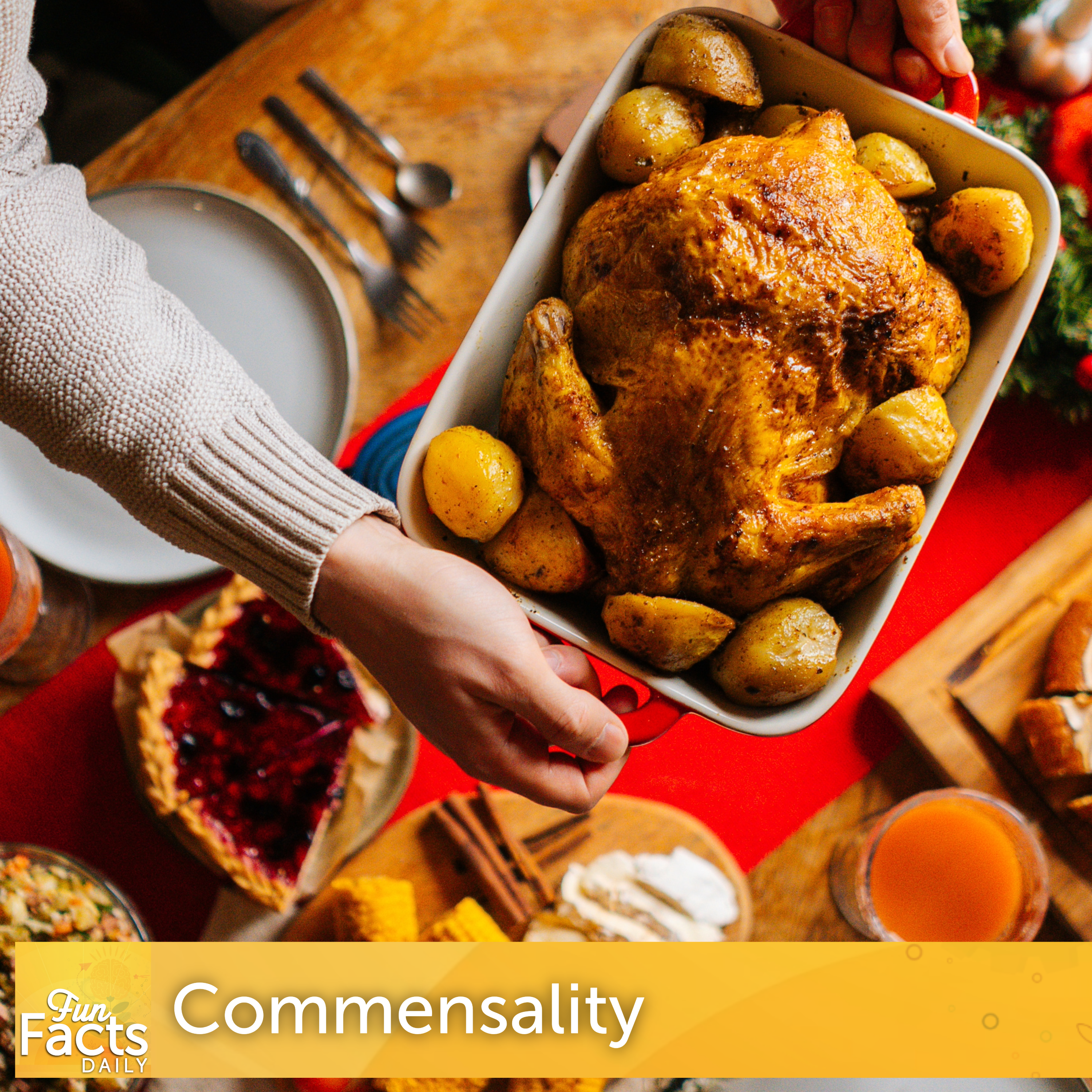
Sharing a meal at the same table, a practice known as commensality, helps families and communities build trust and connect across generations. While many people believe the 1621 harvest feast shared by the Pilgrims and the Wampanoag people started an unbroken annual tradition, American Thanksgiving history actually followed a much more uneven path. Indigenous peoples held seasonal harvest and gratitude ceremonies for generations before 1621, and the Plymouth meal was largely forgotten for about 200 years. George Washington issued the first national Thanksgiving proclamation for Thursday, November 26, 1789, and magazine editor Sarah Josepha Hale later persuaded Abraham Lincoln to set a regular November date in 1863. The holiday did not become federal law until 1941, after public confusion over a date change. When gathering for a holiday dinner, Harvard research shows that asking open-ended follow-up questions makes conversations more engaging and boosts likability. Keeping a few neutral
On Thursday’s episode ofhttps://www.telegraph.co.uk/podcasts/the-daily-t-podcast/The Daily T (https://www.telegraph.co.uk/podcasts/the-daily-t-podcast/), Camilla Tominey and Tim Stanley unpack the latest UK net migration numbers, which have hit 77,000 – the lowest figure since 1997, apart from the Covid pandemic. Camilla and Tim are joined by Sam Ashworth-Hayes to look at what is actually driving the numbers down. Rather than a crackdown on illegal immigration, the drop is largely fuelled by 661,000 people leaving the UK, including a 67 per cent surge in working-age British nationals heading overseas, taking vital skills and tax revenue with them.Elsewhere, Camilla and Tim also react to the trailer for ahttps://www.telegraph.co.uk/news/2026/11/26/huw-edwards-channel-4-documentary/documentary about Huw Edwards, the disgraced BBC News presenter (https://www.telegraph.co.uk/news/2026/11/26/huw-edwards-channel-4-documentary/), in which he claims he committed child sex offences because he “
What has your old self cost you? Your unhealthy attachment patterns, your limiting beliefs, your past relational trauma, your people pleasing. How much of yourself have you been willing to disappoint so that nobody else is disappointed in you? In this tough love episode, I’m sharing one of the biggest regrets of my life: the day I showed up to my twin sister’s wedding as her maid of honor, and I was there, but I wasn’t actually there. It was one of the defining moments of “this is not who I am.” You are the common denominator in your relationships, your career, and your health, and that is hard and so empowering. Inside the Episode: The moment I couldn’t even show up for my twin sister, and why I numbed it instead of feeling it “Just because you can does not mean that you should”: the belief hiding underneath overfunctioning The lie “I’ll be happy when...” and why joy is not a reward Ready to draw your line in the sand? We only have a few spots left inside the Empowered. Secure. Loved.
The fallout from the US midterm elections is putting Donald Trump under growing pressure, with corruption and fears over artificial intelligence emerging as major concerns among voters. Now, an extraordinary scandal involving Nvidia CEO Jensen Huang threatens to become a defining crisis for the White House. Allegations that Huang’s relationship with a suspected Chinese spy may have exposed sensitive technology to Beijing have raised serious national security questions. His return to the helm of Nvidia, reportedly following input from senior US government officials, has also prompted accusations of political interference, particularly given Trump's financial interests in the company. Hillary Clinton has described the affair as a ‘national security and corruption scandal’, while Fox News commentators have warned that Democrats could use it as grounds for impeachment. With Nvidia central to America's position in the global AI race, the controversy could have far-reaching consequences for
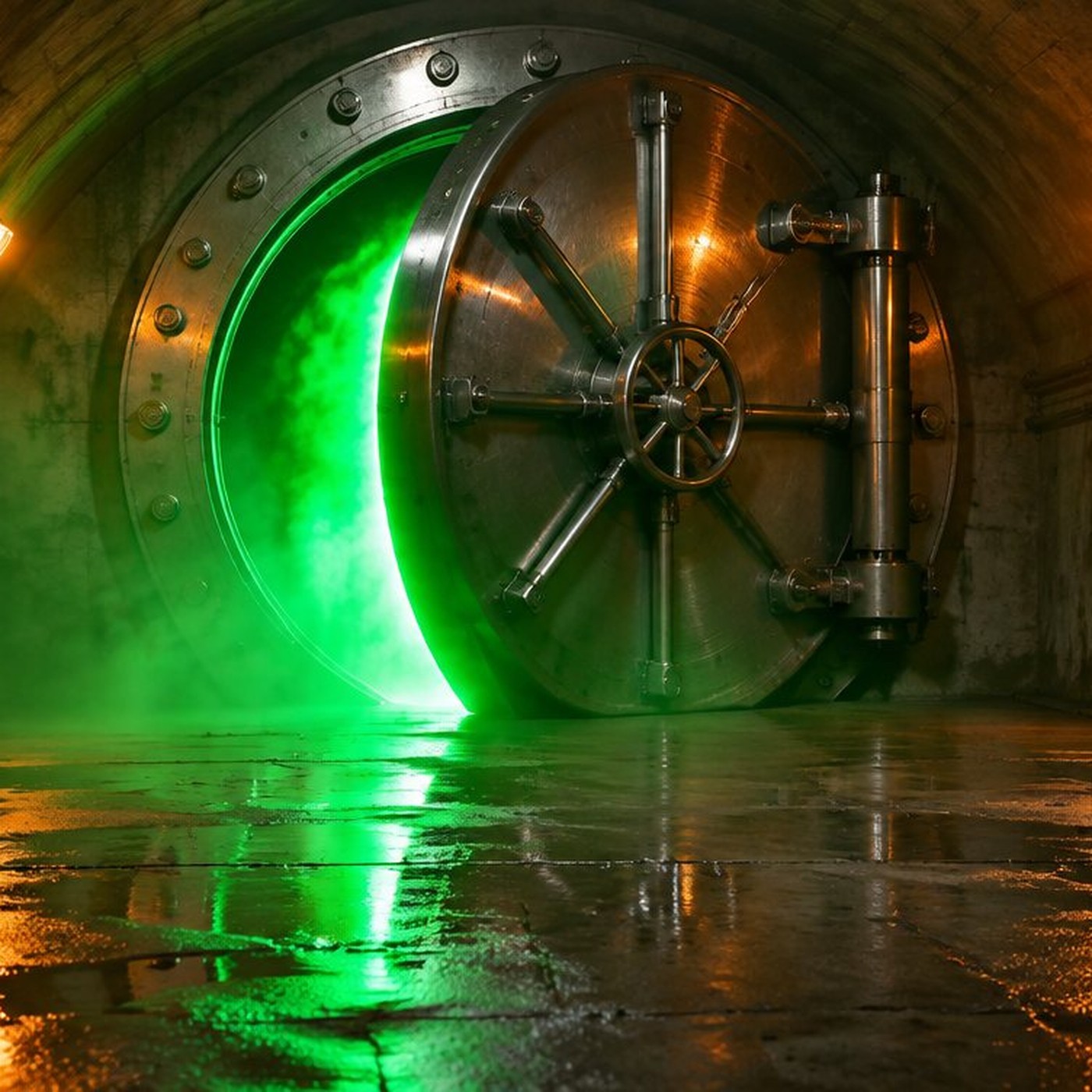
In today's brief: The UFO vault: declassified files show the Pentagon's UFO contractor designed an underground vault in Nevada for "exotic material or tissue". San Diego's mystery creature: a hairless animal limping up a driveway has two million views, and most viewers say it is a raccoon with mange. A radar track at Mach 2.5: a 2023 radar report logged eight detections at up to 70,000 feet, but cannot confirm they were one object. A haunted first home: a Mississippi woman hears piano music and finds her clothes vanishing and coming back. Bigfoot in the Ozarks: the Forest Service's Bigfoot files stir Missouri and southern Illinois. Euclid's surprise: ESA's dark matter telescope has found its first new comet. Quick hits: NASA UFO footage on a 1996 PlayStation disc, a "sand body" at Sutton Hoo, and the Bigfoot bounty deadline. Every story and source: https://believepod.com/ufo-paranormal-news-27-november-2026/ New episodes every morning. Keep your eyes on the sky. Sources: Fox News: http
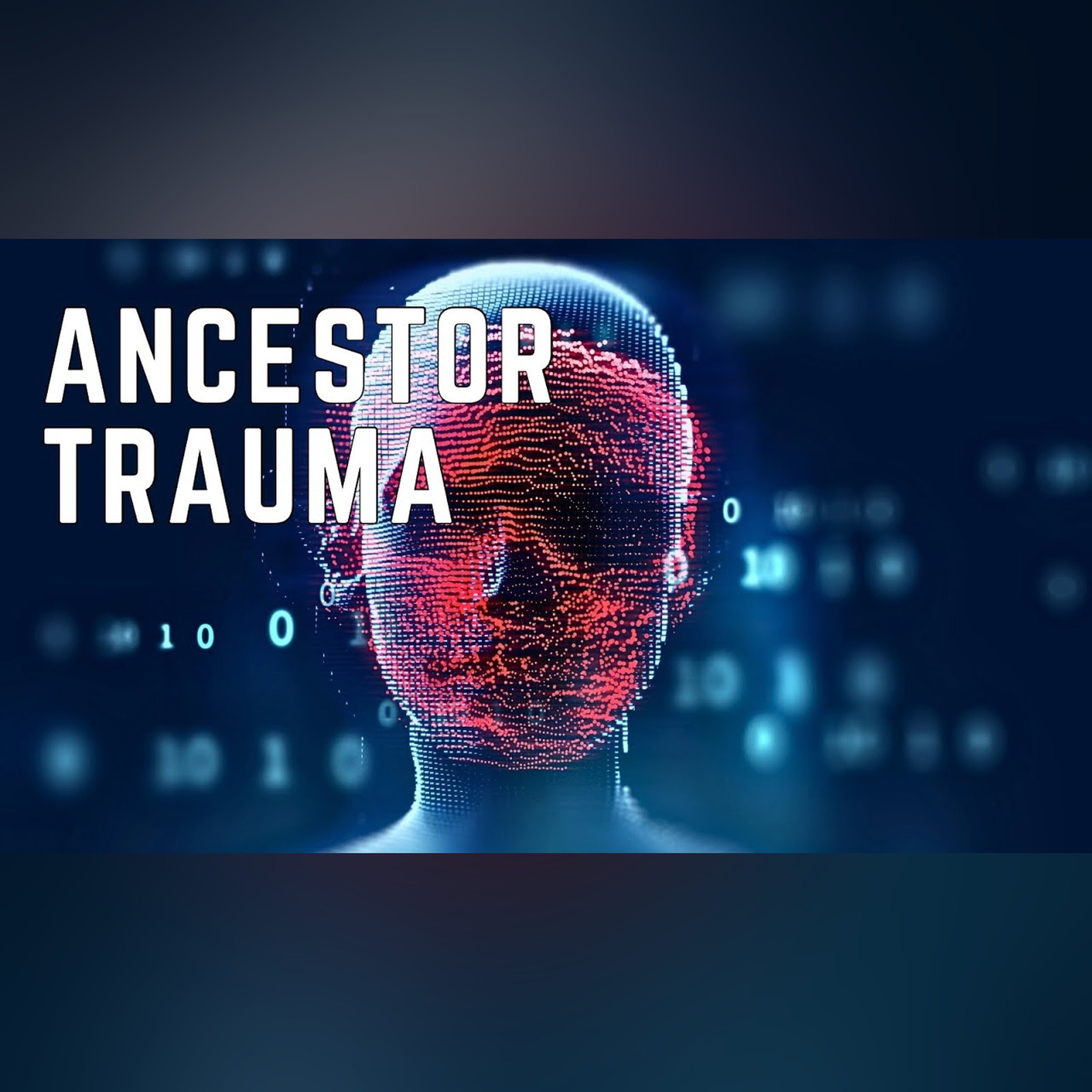
Instant Access to the NCI Masterclass: https://nci.university/opt-in-page-808244 Uploaded 26-11-25 IN TIME FOR THE HOLIDAYS: Grab your copy of Chase’s new book, Tongue: A Cognitive Hazard https://a.co/d/5J14Grw You’ve carried more than just your own experiences into this life. Our behaviors, fears, and impulses often come from people we never met. Understanding this crazy inheritance changes how we see “US” forever. Ancient memories, childhood patterns, and generational instincts all shape us. Recognizing these influences helps us break cycles and reclaim our lives. Every one of us is shaped by stories older than our own. Genetic memory is a protective mechanim. Once you see the invisible forces that guide you, you start choosing/acting differently. Deep down, you’re more powerful than the ghosts that run your show. Snatch your copy of Chase’s new book, Tongue: A Cognitive Hazard https://a.co/d/5J14Grw
When Ukrainian journalist Anastasiya Gribanova's father and grandparents are killed in Dachne, eastern Ukraine, she is left with devastating questions about what happened to them. Determined to uncover the truth, Anastasiya begins a deeply personal investigation into their deaths. As she searches for answers, she also begins to rebuild the bonds that once divided her family.
Periods are a normal part of life, but tor many women and girls in Nepal, menstruation remains surrounded by stigma, restrictions and silence. We meet the activists, educators and young women working to change that. From a period-tracking app designed by girls to a pioneering podcast tackling menstrual health, we explore the efforts helping a new generation challenge taboos and speak openly about periods. This is an episode of People Fixing The World, presented by Myra Anubi.
Methane emissions from farm waste and landfill sites are being turned into fuel in Chile. Jane Chambers visits a bio-gas plant and a landfill harvesting methane from waste, examining how the sector is attracting foreign investment and generating revenue through carbon credits.
Customers should receive clear explanations when a company cannot provide its promised service.
Share your view, then see how readers voted. No sign-in required. This poll is shared across stories.
Do you agree or disagree?
Common Quandary
A Common Quandary to discuss
Another conversation to explore, separate from this news story.
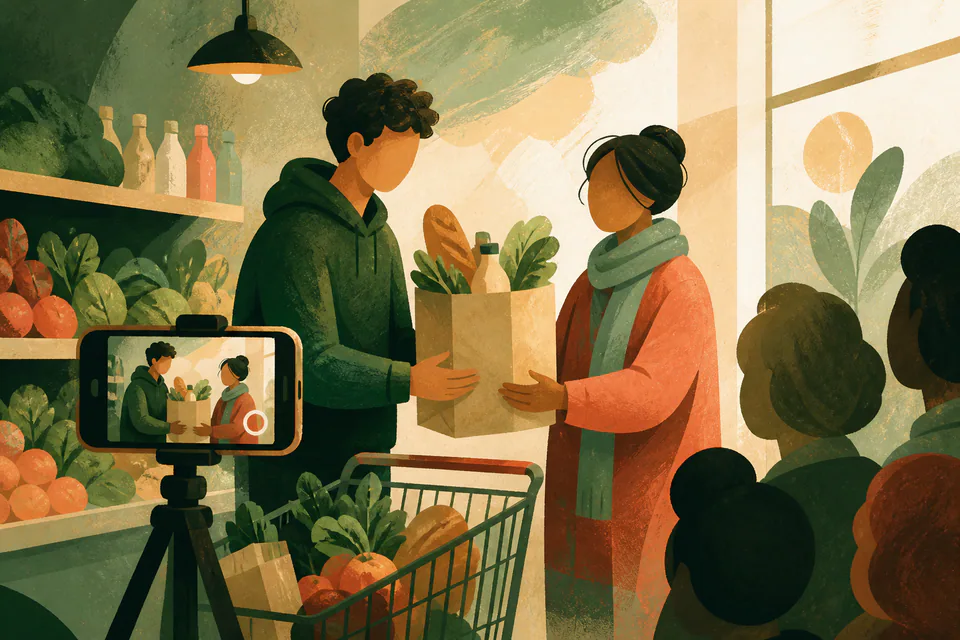
If a good deed is filmed for likes, is it still a good deed?
A local creator films themselves buying groceries for strangers. The videos generate substantial income, but they also inspire donations and allow the creator to help more people.
Do mixed motives diminish a genuinely helpful act?