From ancient sundials to modern atomic timekeepers, the history of clocks reveals how human societies have measured time with growing precision. Early mechanical clocks in the Northern Hemisphere adopted a clockwise motion to mirror the sweep of sundial shadows across the sky, while exceptions such as Prague's 16th-century Jewish Town Hall clock and La Paz's modified legislative clock demonstrate cultural and regional variations. Practical timekeeping milestones include Levi Hutchins's 1787 4:00 a.m. alarm clock, Antoine Redier's 1847 adjustable alarm patent, and the November 18, 1883 establishment of four North American standard time zones to replace chaotic local solar times across towns and railroads. Precision timekeeping spans from monumental pendulums to quantum-scale oscillators. London's Great Clock in Elizabeth Tower relies on a two-second pendulum regulated with pre-decimal pennies to adjust its daily rate by two-fifths of a second, whereas cesium-133 atomic clocks define the
The human nervous system is an intricate, high-speed biological network comprising the brain, spinal cord, and an extensive web of peripheral nerves that regulate nearly every bodily function, sensation, and movement. Nerve signals travel at varying speeds depending on myelination, with insulated alpha motor neurons transmitting electrical impulses at speeds up to 268 miles per hour via saltatory conduction, while unmyelinated pain fibers transmit sensations at much slower rates. Specialized neural pathways, such as reflex arcs, bypass the brain entirely during emergencies, routing signals through the spinal cord and interneurons to initiate rapid protective muscular reactions in fractions of a second before conscious processing occurs. Beyond the central nervous system, the human body features specialized decentralized networks like the enteric nervous system within the gastrointestinal tract, which contains roughly 100 million neurons and produces the vast majority of the body's sero
Zebras are iconic African equines recognized worldwide for their distinctive black-and-white striped coats, which conceal jet-black skin beneath unpigmented white and pigmented black hair. Far from functioning as camouflage against large savanna predators like lions, whose visual acuity fails to distinguish individual stripes at distances exceeding 164 feet, these high-contrast patterns act as an effective optical defense against biting horseflies. The overlapping visual lines scramble the insects' flight mechanics, causing them to miss their landing and bounce off the coat. Because every individual possesses a unique stripe arrangement akin to a human fingerprint, researchers use automated pattern-recognition tools and databases to track populations across the three recognized species: plains zebras, mountain zebras, and Grevy's zebras. Beyond their striking appearance, these animals exhibit remarkable ecological behaviors and physical adaptations across diverse African habitats. Plai
Impressionism emerged in 19th-century France as a radical departure from academic traditions, driven by artists seeking to capture fleeting atmospheric conditions, shifting sunlight, and contemporary daily life through visible brushwork and impasto texture. The movement's iconic moniker originated as a derogatory review by critic Louis Leroy following the anonymous cooperative society exhibition of 1874, where Claude Monet's Impression, Sunrise was singled out for its sketch-like quality; rather than rejecting the insult, the artists embraced the title. Technological advancements played a pivotal role in enabling plein-air painting, particularly John Goffe Rand's 1841 invention of the collapsible tin paint tube, which replaced fragile pig-bladder pouches and allowed artists to work portably outdoors alongside newly developed synthetic pigments like cobalt blue and viridian. Key figures shaped both the aesthetic trajectory and institutional permanence of Impressionism. Mary Cassatt prov
The Svalbard Global Seed Vault is a vital international agricultural failsafe, housing duplicate seed samples from gene banks across the globe deep within the permafrost of Spitsbergen, Norway. Designed to withstand natural and man-made disasters, the facility operates under a "black box" storage model where depositing nations retain 100% legal ownership of their seeds, ensuring neutrality and confidentiality even among geopolitical rivals. Situated inside a mountain tunnel shielded by advanced security systems and natural sub-zero rock insulation, the vault maintains active storage rooms at -18°C (-0.4°F) to preserve crop genetic diversity for future generations. Beyond its core preservation mission, the facility features striking architectural integration, including Norwegian artist Dyveka Sanne’s public art installation "Perpetual Repercussion," which illuminates the entrance with fiber optics reflecting polar night and midnight sun cycles. The vault also facilitates long-term scien
Batteries are portable devices that store chemical energy and convert it into electricity through three main internal components: a negative anode, a positive cathode, and an electrolyte. While everyday devices rely on single electrochemical cells like AA and AAA batteries, true batteries, a term coined by Benjamin Franklin in 1749, consist of multiple cells wired together, such as the six 1.5-volt cells inside a standard 9-volt rectangular battery. The path to modern battery technology began in 1800 when Alessandro Volta invented the voltaic pile, creating the first continuous flow of electrical current and resolving a famous scientific debate with Luigi Galvani over "animal electricity". Centuries earlier, ancient artisans in Mesopotamia even constructed the Baghdad Battery, a terracotta jar containing a copper cylinder and iron rod capable of generating a small electric charge when filled with an acidic liquid. Modern battery sizing standards were established in the early 20th centu
Electronic mail has evolved from a localized experimental file-transfer utility into the foundational communication backbone of the modern digital world, with billions of users exchanging hundreds of billions of messages every day. The technological framework for networked email was established in late 1971 by computer engineer Ray Tomlinson, who integrated messaging capabilities across the ARPANET system and popularized the iconic @ symbol to designate specific users on distinct computer hosts. Over the subsequent decades, digital communication expanded rapidly across academic, governmental, and commercial sectors, ultimately becoming a mandatory requirement for online authentication, digital receipts, and global commerce. Milestones in email history extend far beyond terrestrial computer networks, including the historic transmission of the first space-based electronic message by astronauts aboard the Space Shuttle Atlantis in August 1991 using AppleLink software. As digital correspon
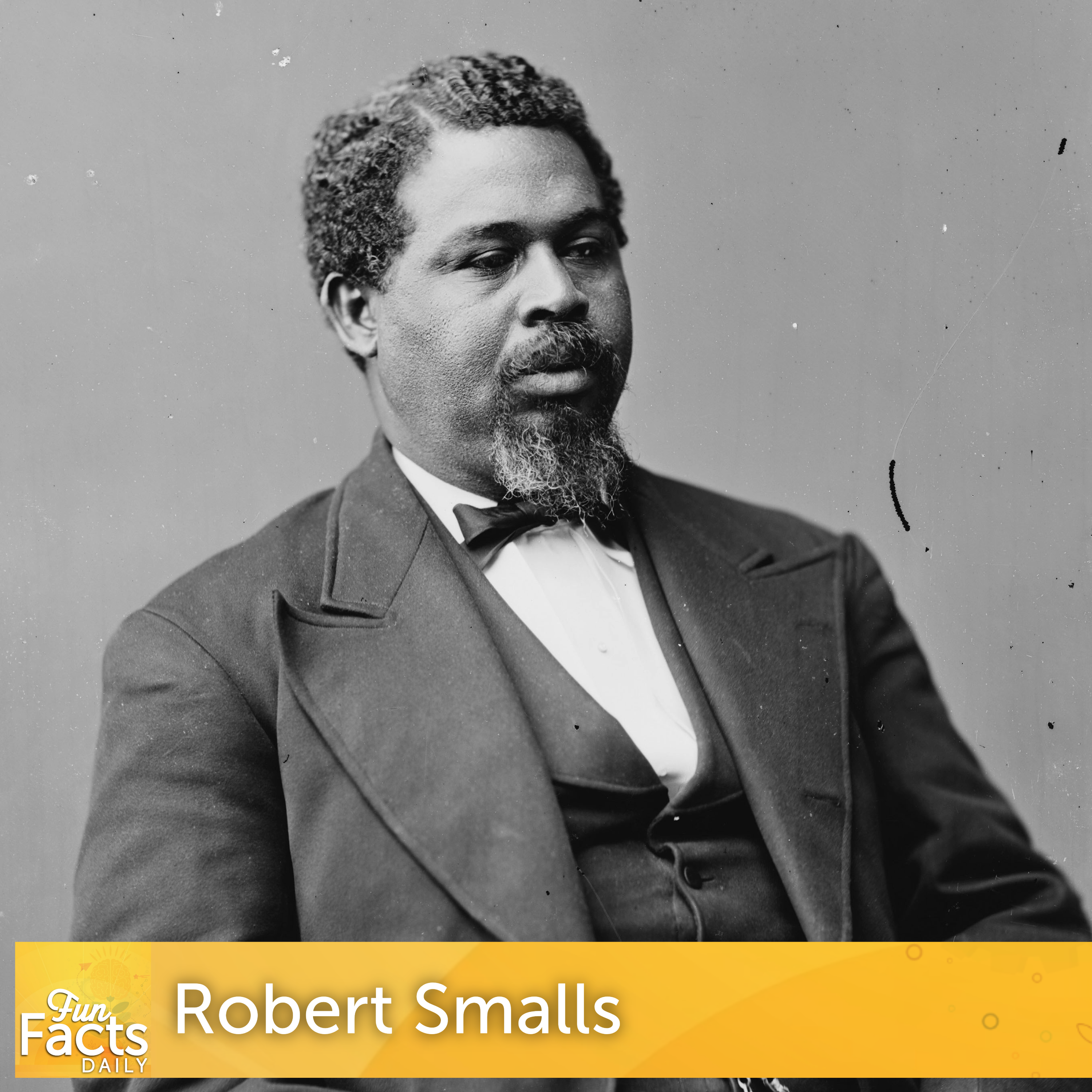
Robert Smalls was an amazing hero of the American Civil War. He gained his freedom and helped the war effort by orchestrating a daring escape aboard the Confederate steamer CSS Planter in May 1862. Working as an enslaved wheelman aboard the ship the twenty-three-year-old Smalls took advantage of the ship's white officers sleeping ashore, disguised himself in the captain’s wide-brimmed straw hat, picked up his family and fellow crew members, and navigated past five Confederate checkpoints in Charleston Harbor to surrender the ship and valuable military intelligence to the Union naval blockade. Classified legally as a "contraband of war," Smalls received congressional prize money, met with President Abraham Lincoln to advocate for the enlistment of Black soldiers, and went on to pilot armed Union vessels. In December 1863, after refusing to surrender under heavy artillery fire in Folly Island Creek, he was appointed captain of the Planter, becoming the first African American to command a
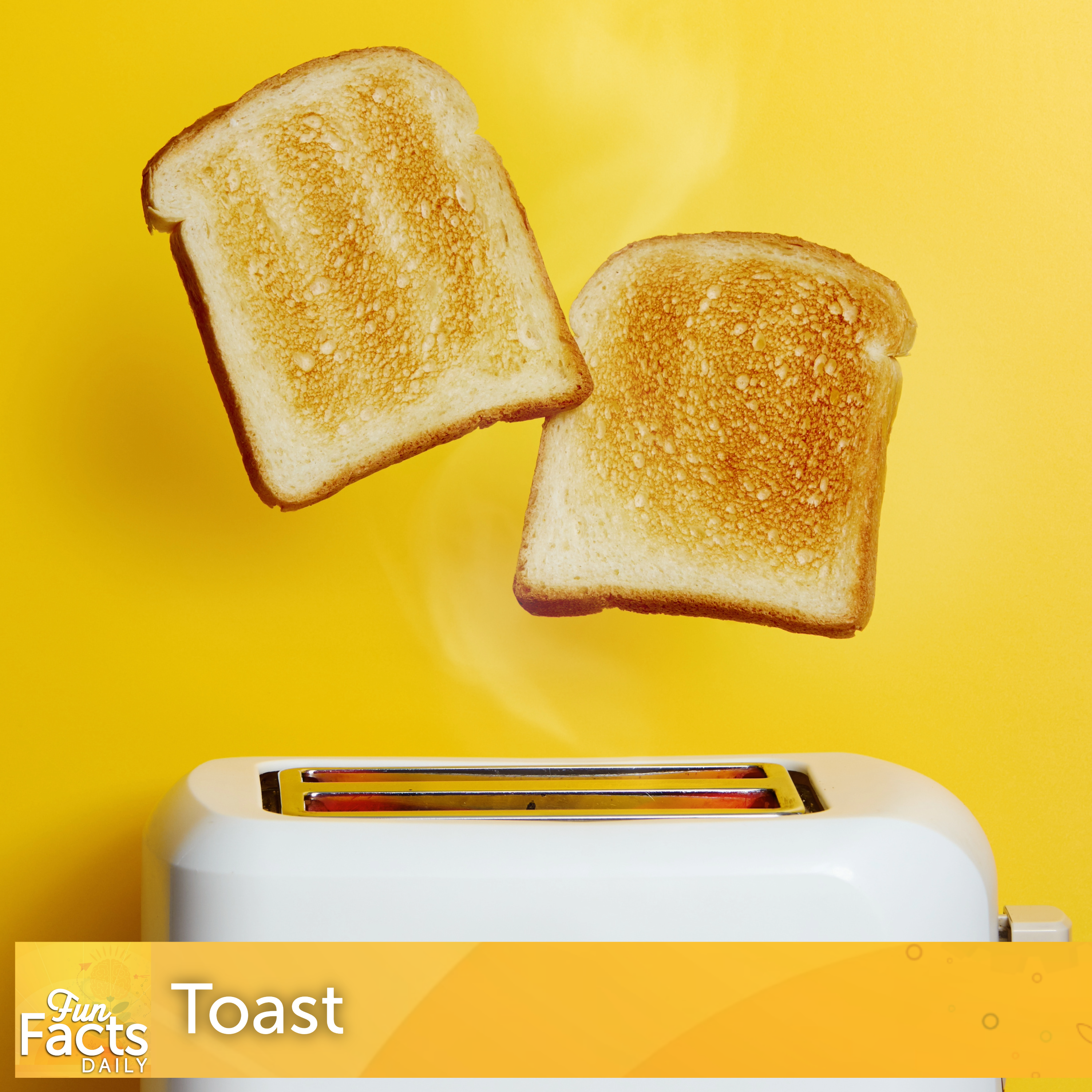
Toasting bread transforms ordinary slices through a complex chemical process known as the Maillard reaction, which occurs when amino acids and simple sugars are exposed to heat between 280 and 330 degrees Fahrenheit. Discovered by French physician Louis-Camille Maillard in 1912, this reaction creates distinct aromas, browning, and flavor compounds by rearranging molecular structures into Amadori compounds and chain-like polymers. Beyond culinary enhancement, historical techniques for toasting bread originated as practical preservation methods in ancient Egypt and Rome to remove excess moisture, prevent mold growth, and salvage stale loaves during long journeys. Over centuries, this culinary staple evolved significantly, transitioning from open-fire cooking and spiced wine additions in medieval Europe to the invention of the automatic pop-up toaster by Charles Strite in 1919 and Otto Rohwedder's bread-slicing innovations in 1928. The physics behind the common observation that dropped to
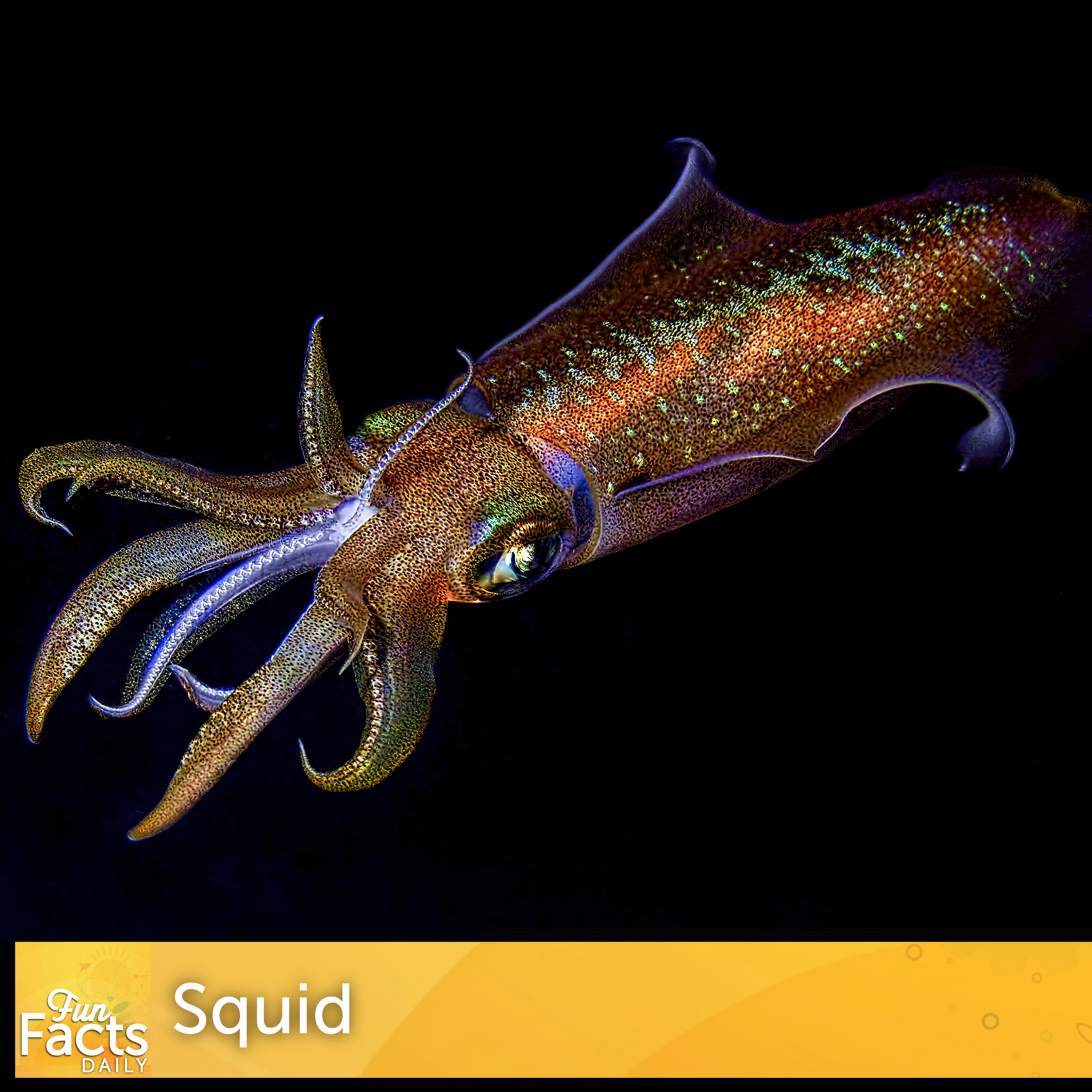
Squid are highly evolved marine mollusks renowned for their complex physiology, rapid camouflage capabilities, and specialized anatomy. Their circulatory system features three hearts: two branchial hearts that pump oxygen-poor blood through the gills and a central systemic heart that circulates oxygenated blood using copper-based hemocyanin, which gives their blood a vibrant blue color. Additionally, squid have a unique ring-shaped brain that encircles the esophagus, requiring them to use a hard chitinous beak and a radula to grind food into fine pieces before swallowing to prevent neurological damage. Their skin is embedded with thousands of microscopic elastic sacs called chromatophores, which are controlled directly by nerve impulses to alter color and pattern in a fraction of a second. Beyond basic anatomy, various squid species exhibit remarkable survival adaptations, ranging from deep-sea giants to jet-propelled gliders. The colossal squid holds the title of the heaviest inverteb
The history of innovation is filled with remarkable breakthroughs pioneered by young minds, showing that age is no barrier to creative problem-solving. From everyday household items to life-changing technological advancements, children and teenagers have consistently designed, patented, and brought practical inventions to market that continue to shape modern society. These young inventors often draw inspiration from personal frustrations and everyday observations, turning simple ideas into functional prototypes using basic materials and independent ingenuity. Kids have invented all sorts of things from toys and sports gear to assistive devices and communication technology. Young visionaries have tackled complex engineering challenges, like electronic image transmission and thermal energy generation. Educational initiatives and invention conventions worldwide continue to support this spirit of ingenuity, encouraging students of all ages to observe their surroundings, identify design fla
Horses (Equus caballus) are classified as odd-toed ungulates; modern equines support their body weight on a single enlarged middle toe encased in a tough keratin hoof wall, an evolutionary trait tracing back roughly 50 million years to the small, multi-toed Eohippus of North America. Although horses vanished from the Americas between 10,000 and 8,000 years ago due to climate shifts and prehistoric hunting, surviving Eurasian populations flourished and were domesticated before Spanish explorers reintroduced them to the Western Hemisphere in the late 15th and early 16th centuries. Historically central to agriculture and early transportation, horses inspired James Watt's standard definition of horsepower—the capacity to lift 33,000 foot-pounds of work per minute—even though a single draft horse can generate peak outputs approaching 15 horsepower during brief, explosive efforts. Equine physiology features unique sensory and biomechanical systems optimized for vigilance and survival as open
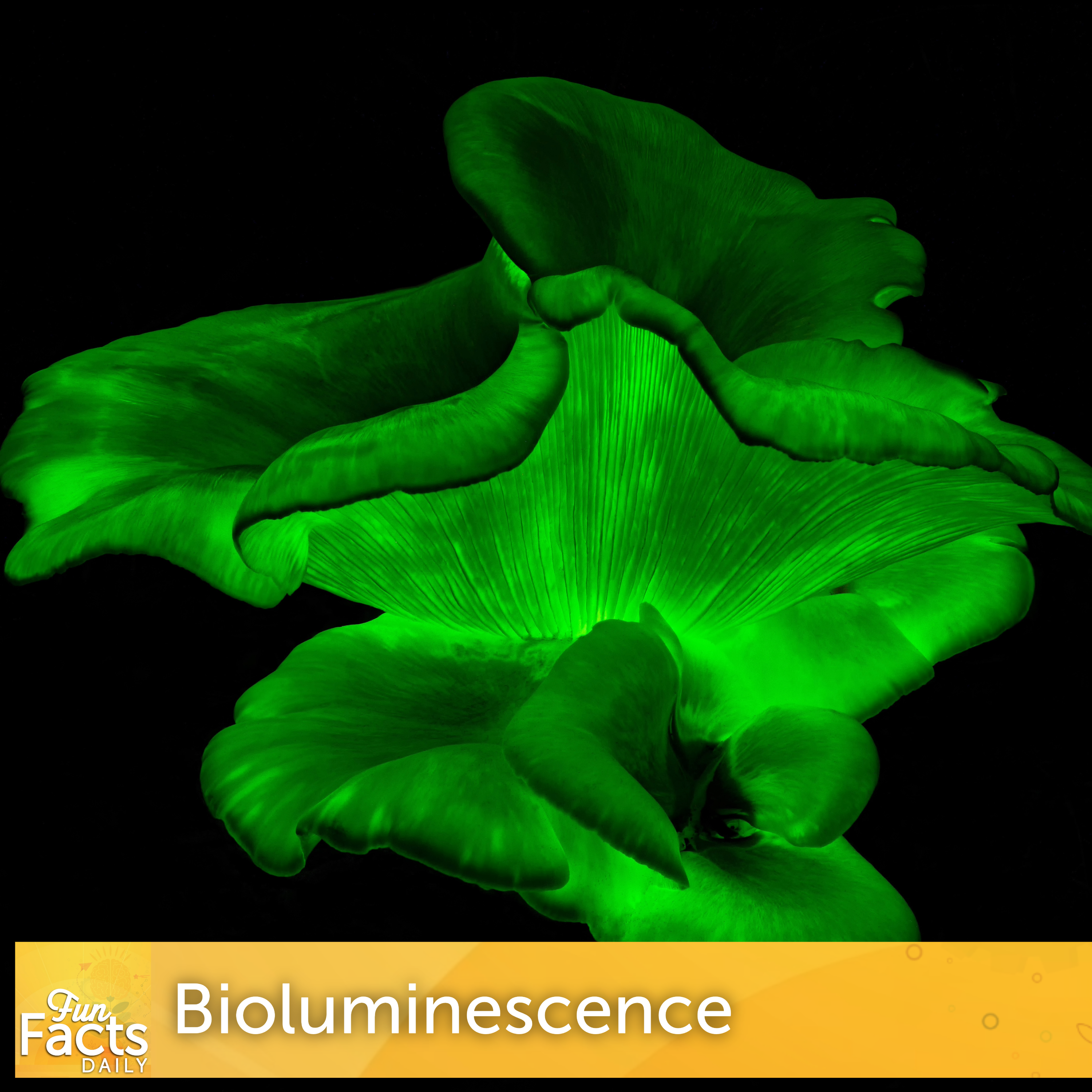
Bioluminescence is the natural emission of light produced through a chemical reaction between the compound luciferin and the catalytic enzyme luciferase. First isolated in the late nineteenth century by French scientist Raphaël Dubois, this biological phenomenon is most prominent in marine environments, where sunlight is absorbed within the first 650 feet (200 meters) of the water column. In the ocean, roughly three-quarters of pelagic organisms, including jellyfish, squid, worms, and deep-sea fish, generate their own light. Marine species rely on bioluminescent adaptations across diverse ecological niches, using specialized light organs on their bellies for counterillumination camouflage, dangling glowing lures such as the anglerfish's esca to draw in prey, or discharging clouds of luminous mucus to confuse and disorient predators. Beyond open waters, bioluminescence serves essential evolutionary and ecological roles on land and across microbial colonies. Terrestrial fireflies regulat