Listen through the publisher, then discuss the episode here or arrange an in-person Roundtable. Your city determines where to meet.
Roundtables are designed for groups of four, with a shared subject and room for everyone to speak. Come for discussion, with no dating expectation.
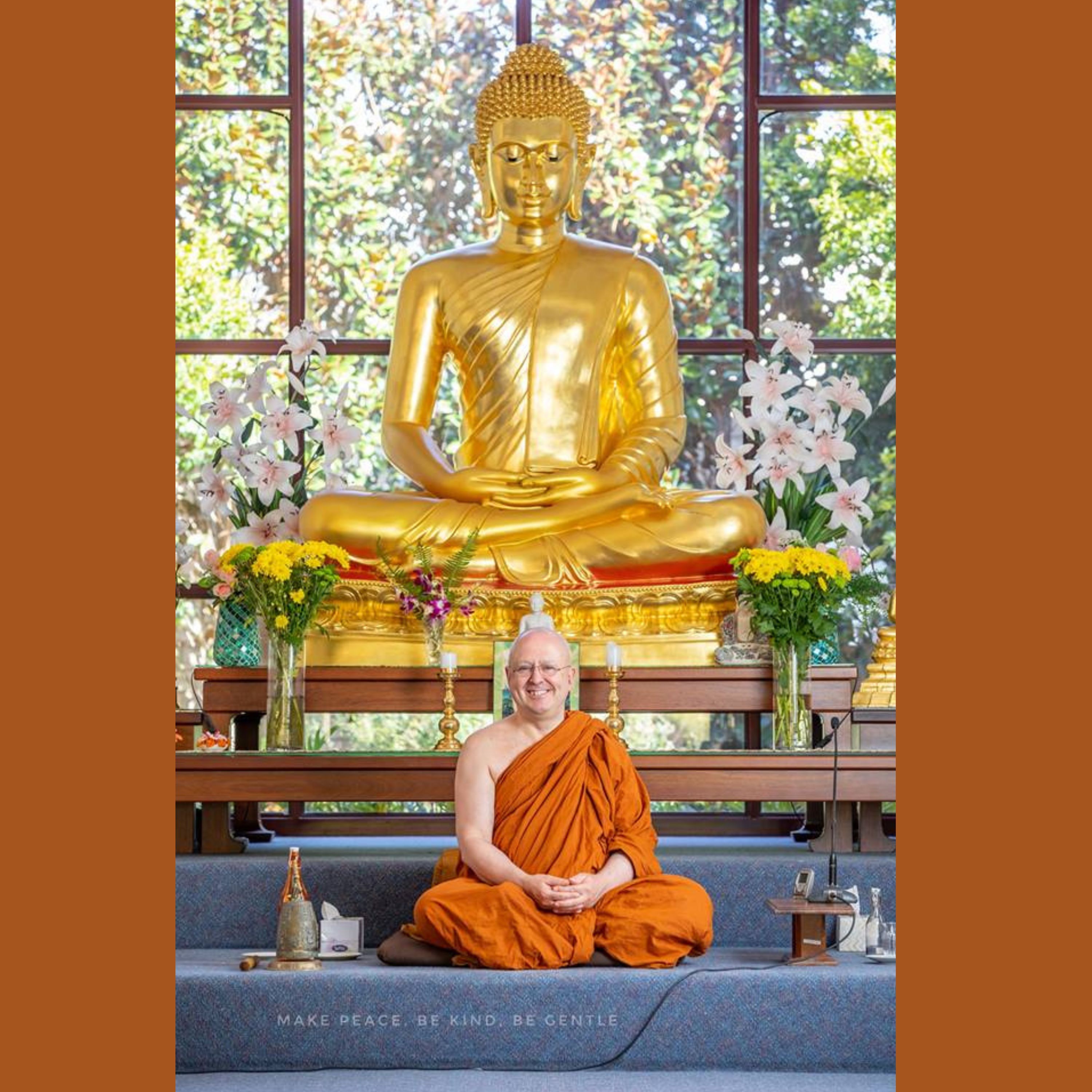
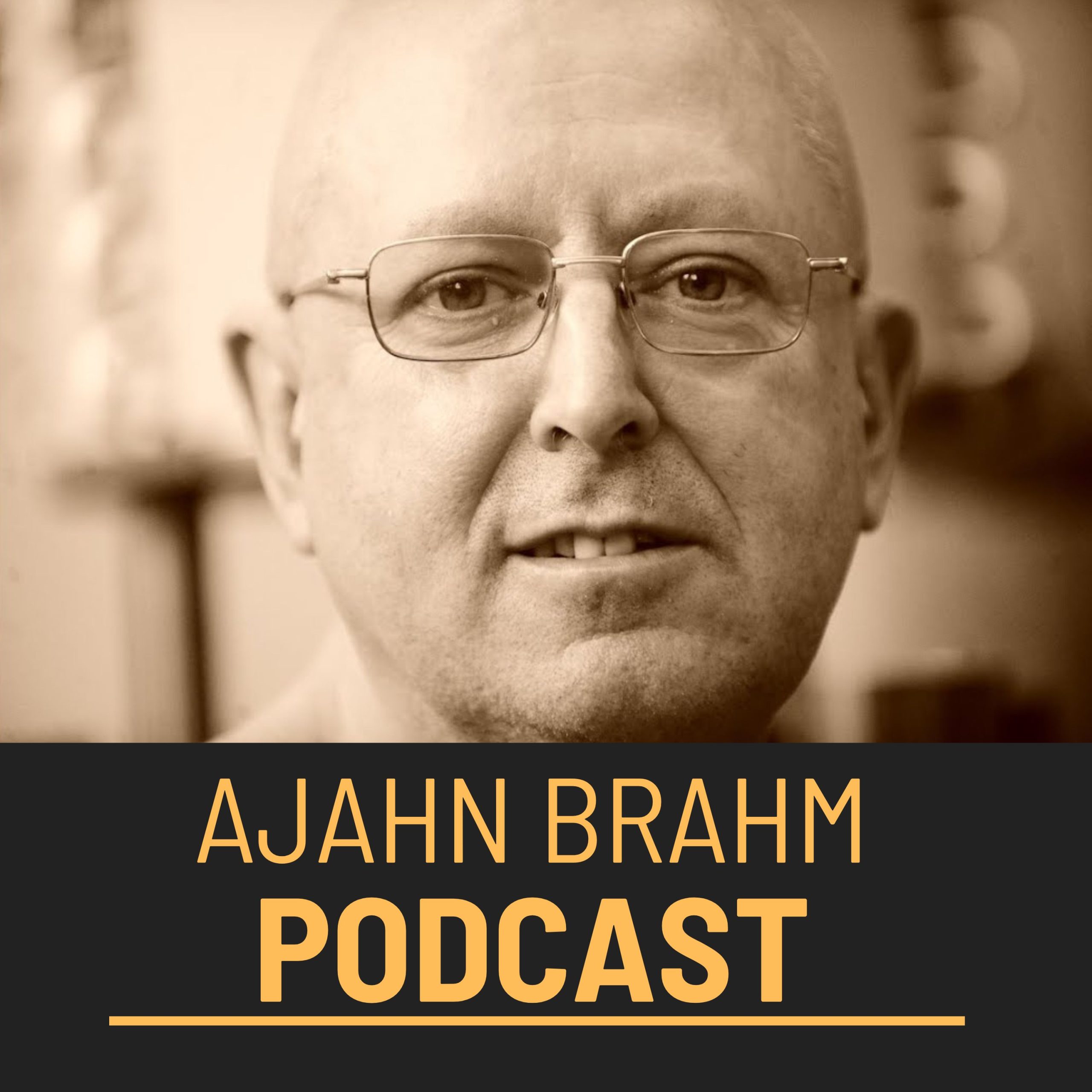
Ajahn Brahm explains that meditation posture has no rigid formula: sit comfortably with a reasonably straight back, using mindfulness and compassion to notice and adjust discomfort rather than forcing the body to remain still. These same qualities help quiet the mind, since kindness toward the present moment creates contentment and reduces restlessness, craving, thoughts, and escape. Regularly recognizing the peace and freedom felt at the end of meditation reinforces the mind’s inclination toward deeper stillness. --- This guided meditation by Ajahn Brahm was originally recorded in 27th November 2010. It includes a talk about some aspect of meditation followed by a 45 minute guided meditation. This guided meditation has been remastered and published by the Everyday Dhamma Network (https://everydaydhamma.net/podcast/ajahn-brahm-podcast), and will be of interest to people who have started meditation but are seeking guidance to take it deeper.
Episode information is provided by the publisher. Listening takes place on the publisher’s service.
I'm Too Hard on Myself — Guided Meditation for Self-Compassion, Negative Self-Talk & Anxiety | 10 Minutes Are you too hard on yourself? A small mistake, something forgotten, a day you simply ran out of energy, and that familiar voice arrives: "I should have done better. Why am I like this? Why can't I just get things right?" This guided meditation for self-kindness and anxiety helps you step back from negative self-talk, soften the pressure you've been carrying and practise speaking to yourself with a little more care. For gentle support every day, download Anchored, my app for panic and anxiety. Guided sessions, breathing tools and fresh caring tips daily, and it plays with the screen off. iPhone: https://apps.apple.com/us/app/anchored-panic-anxiety/id6785035669 | Android: https://play.google.com/store/apps/details?id=com.martinhewlett.anchored We begin with easy breathing and a slightly longer out breath, then learn to notice the inner critic without arguing with it. Through a short
In this meditation, I explore how something as ordinary as drinking a cup of coffee can become a contemplative practice. As a Capuchin Franciscan, I can even claim a particular connection with coffee through Blessed Mark of Aviano, whose story became associated with the cappuccino. You can practise this meditation with coffee, tea or another warm drink, either holding a real cup or simply visualising the experience. We begin by feeling the warmth and weight of the cup in our hands. We notice its texture, the steam, the fragrance and the anticipation of taking a drink. As we take each sip, we pay attention to sensations that usually pass unnoticed: the cup against the lips, the warmth of the liquid, its movement through the mouth and throat, and the memories or stories awakened by taste and smell. By attending closely to an ordinary action, we begin to see how rich even the simplest moment can be. Towards the end of the meditation, we reflect with gratitude on everything that has allowe
For the days you got through and nobody saw what it took. A quiet place this evening where it counts. About 12 minutes with Steven Webb's calm voice and music underneath. Perfect for the evening. We let the body soften, from the jaw and the eyes down to the belly, because it's been on alert all day. Then we look at what today really cost. Getting up when your body said no. Being kind to someone while you were falling apart inside. Saying "yeah, fine" because where would you even start? There's an old Zen idea I keep coming back to: a thing doesn't need to be seen to be real. The rain falls on an empty field, nobody watches, and it still soaks in. We put the day down for a minute, not away, just down, and finish with three gentle wishes. May the hard days I got through be counted. I've been paralysed a long time, and I know what it can take just to get through the day. You're not doing this on your own. Treat me to a coffee, keep the podcast free, and get my Weekly Calm every Sunday. It
2027 KICKSTARTER https://nla.to/KS (http://nla.to/KS) What if the most important changes arrive not as a crash, but as a tide you slowly learn to read? In this podcast episode, I explore the historic Uranus Pluto trine as it returns between Uranus in Gemini and Pluto in Aquarius. ———— 2027 KICKSTARTER Tools for a deeper astrological practice await. Support Our 2027 Campaign: You may notice a process rather than a single event: new ideas, social shifts, personal patterns, and the strange ways technology and psyche meet. SHARE THIS WITH A FRIEND ️: https://youtu.be/6BznKIeTT-Y I walk through what this astrological transit may ask of you collectively and personally. You might feel a familiar restlessness, or perhaps a quiet urge to change your mind about something you once trusted. This is not a horoscope episode; it is a longer look at how outer-planet transits shape the background of our lives. If this resonates, subscribe for consistent podcast episodes that meet you where you are. You
What helps us move beyond loneliness and separation to experience a deeper sense of belonging—with ourselves, with each other, and with the living world? In Part 2 of Medicine for the Lonely Heart, Tara Brach continues exploring how we can awaken our hearts to the love and connection that are always possible. While our deepest longing is to feel close to others, familiar habits of judgment, wanting, and fear can keep us from truly seeing those around us. When we become caught in our own needs and expectations, we lose touch with the humanity and goodness of others. Yet through mindful presence and loving-kindness, we can begin to look beyond these patterns, recognize the tenderness and vulnerability we share, and rediscover the possibility of genuine soul-connection. Through personal stories, reflections, and guided heart practices, Tara invites us to see others with fresh eyes, appreciate their goodness, and express our care. As we extend this loving attention beyond our familiar rela
Drift into deep relaxation and restful sleep with gentle continuous rainfall, perfect for meditation, calming your mind, and creating a peaceful ambient atmosphere. Let the soothing rain sounds ease insomnia and enhance your nighttime routine. This episode includes AI-generated content.
Ajahn Brahm argues that peace, compassion, forgiveness, friendship, and care are more valuable than money, status, being right, or material possessions. By distinguishing genuine problems from mere irritations, focusing on life’s successes rather than past mistakes, and nurturing positive qualities instead of anger and resentment, people can build more harmonious families, religions, and communities. He concludes that true freedom comes not from satisfying every desire, but from becoming free of desire and learning to value inner peace. — This dhamma talk was originally recorded in 5th June 2009. It has now been remastered and published by the Everyday Dhamma Network (https://everydaydhamma.net/podcast/ajahn-brahm-podcast), and will be of interest to his many fans.
This talk explores how to live in the present moment and develop equanimity by releasing attachment to both past suffering and future anxiety. Ajahn Brahm introduces the Buddhist approach of “acknowledge, forgive, and learn,” emphasizing self-forgiveness, letting go of resentment and guilt, and refusing to let others control one’s happiness. Through meditation, mindfulness, and simple practices such as eating one spoonful at a time or treating traffic lights as opportunities to relax, people can become more present. — This dhamma talk was originally recorded in 29th May 2026. It has now been remastered and published by the Everyday Dhamma Network (https://everydaydhamma.net/podcast/ajahn-brahm-podcast), and will be of interest to his many fans.
An organization should remain responsible for decisions made by its automated systems.
Share your view, then see how readers voted. No sign-in required. This poll is shared across stories.
Do you agree or disagree?
Common Quandary
A Common Quandary to discuss
Another conversation to explore, separate from this news story.
Software says a student cheated with AI. Is that enough to fail the paper?
A teacher suspects several essays were written with AI. Detection software marks one student's work as highly likely to be generated, but the software is known to make mistakes and the student denies using it.
How should responsibility be assigned when evidence is powerful but unreliable?