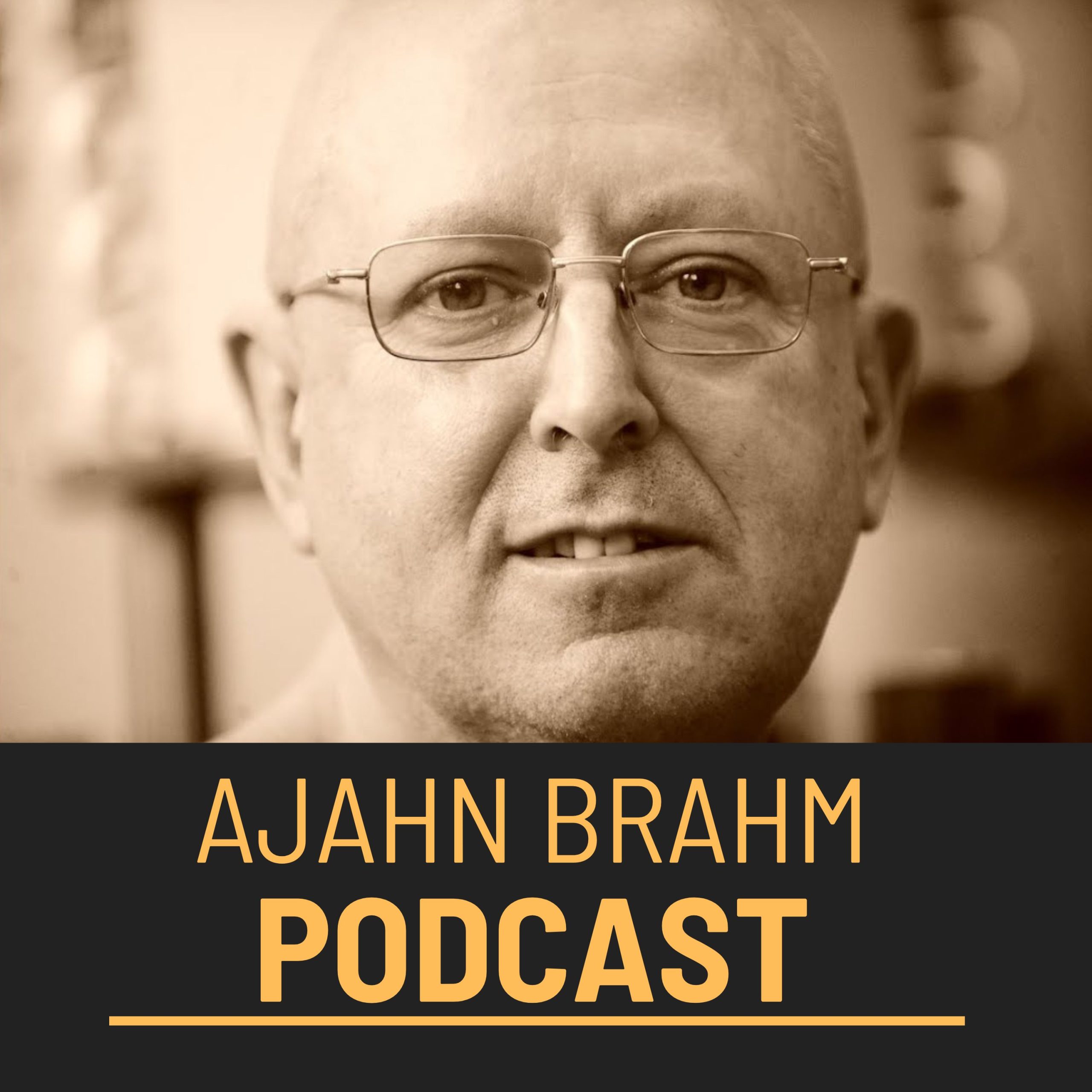
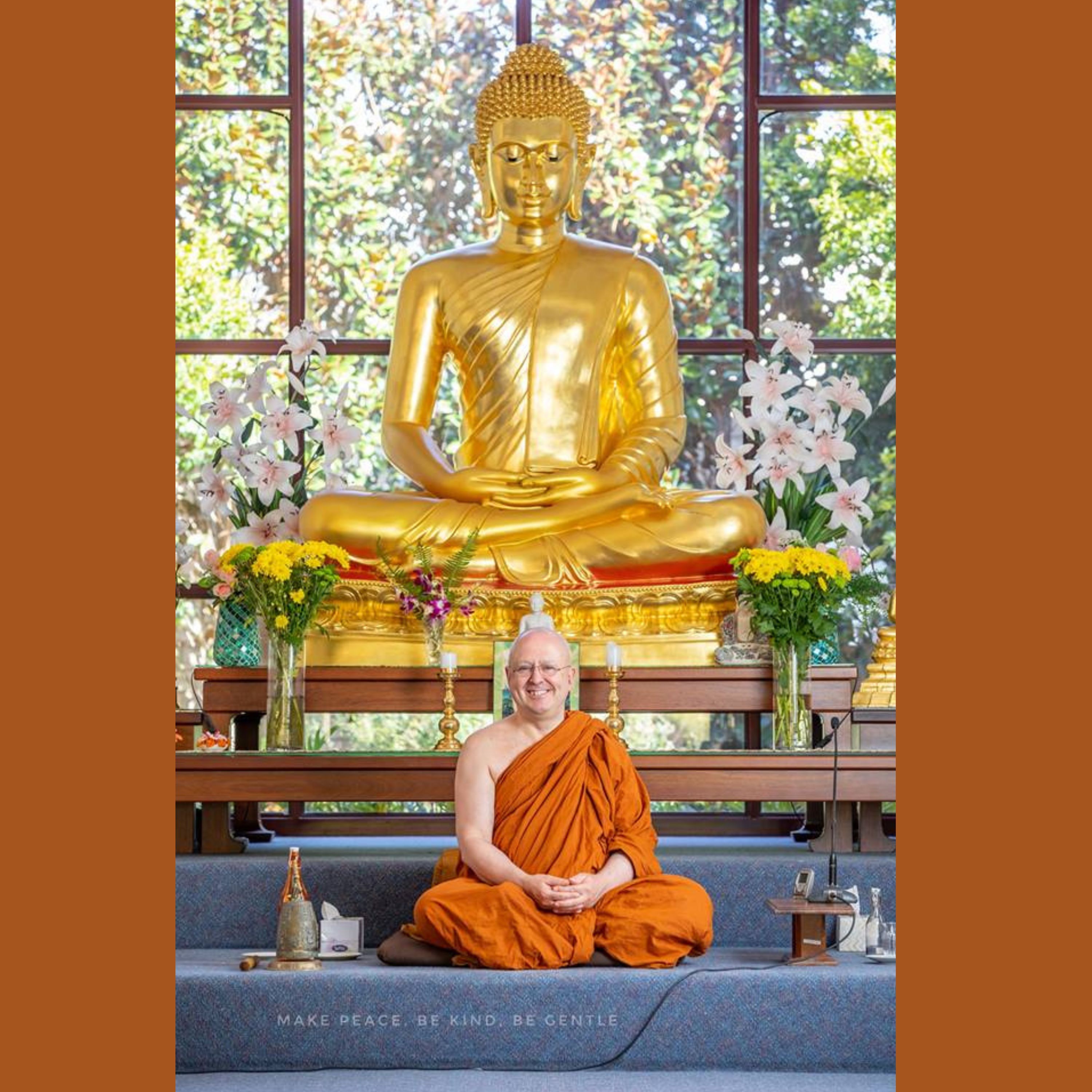
Ajahn Brahm argues that peace, compassion, forgiveness, friendship, and care are more valuable than money, status, being right, or material possessions. By distinguishing genuine problems from mere irritations, focusing on life’s successes rather than past mistakes, and nurturing positive qualities instead of anger and resentment, people can build more harmonious families, religions, and communities. He concludes that true freedom comes not from satisfying every desire, but from becoming free of desire and learning to value inner peace. — This dhamma talk was originally recorded in 5th June 2009. It has now been remastered and published by the Everyday Dhamma Network (https://everydaydhamma.net/podcast/ajahn-brahm-podcast), and will be of interest to his many fans.
Ajahn Brahm explains that meditation posture has no rigid formula: sit comfortably with a reasonably straight back, using mindfulness and compassion to notice and adjust discomfort rather than forcing the body to remain still. These same qualities help quiet the mind, since kindness toward the present moment creates contentment and reduces restlessness, craving, thoughts, and escape. Regularly recognizing the peace and freedom felt at the end of meditation reinforces the mind’s inclination toward deeper stillness. --- This guided meditation by Ajahn Brahm was originally recorded in 27th November 2010. It includes a talk about some aspect of meditation followed by a 45 minute guided meditation. This guided meditation has been remastered and published by the Everyday Dhamma Network (https://everydaydhamma.net/podcast/ajahn-brahm-podcast), and will be of interest to people who have started meditation but are seeking guidance to take it deeper.
This talk explores how to live in the present moment and develop equanimity by releasing attachment to both past suffering and future anxiety. Ajahn Brahm introduces the Buddhist approach of “acknowledge, forgive, and learn,” emphasizing self-forgiveness, letting go of resentment and guilt, and refusing to let others control one’s happiness. Through meditation, mindfulness, and simple practices such as eating one spoonful at a time or treating traffic lights as opportunities to relax, people can become more present. — This dhamma talk was originally recorded in 29th May 2026. It has now been remastered and published by the Everyday Dhamma Network (https://everydaydhamma.net/podcast/ajahn-brahm-podcast), and will be of interest to his many fans.