English-language podcasts

Conversations

Hags, bears and magic — what fairytales can teach us about modern life
53 min

Listen through the publisher, then discuss the episode here or arrange an in-person Roundtable. Your city determines where to meet.

Roundtables are designed for groups of four, with a shared subject and room for everyone to speak. Come for discussion, with no dating expectation.

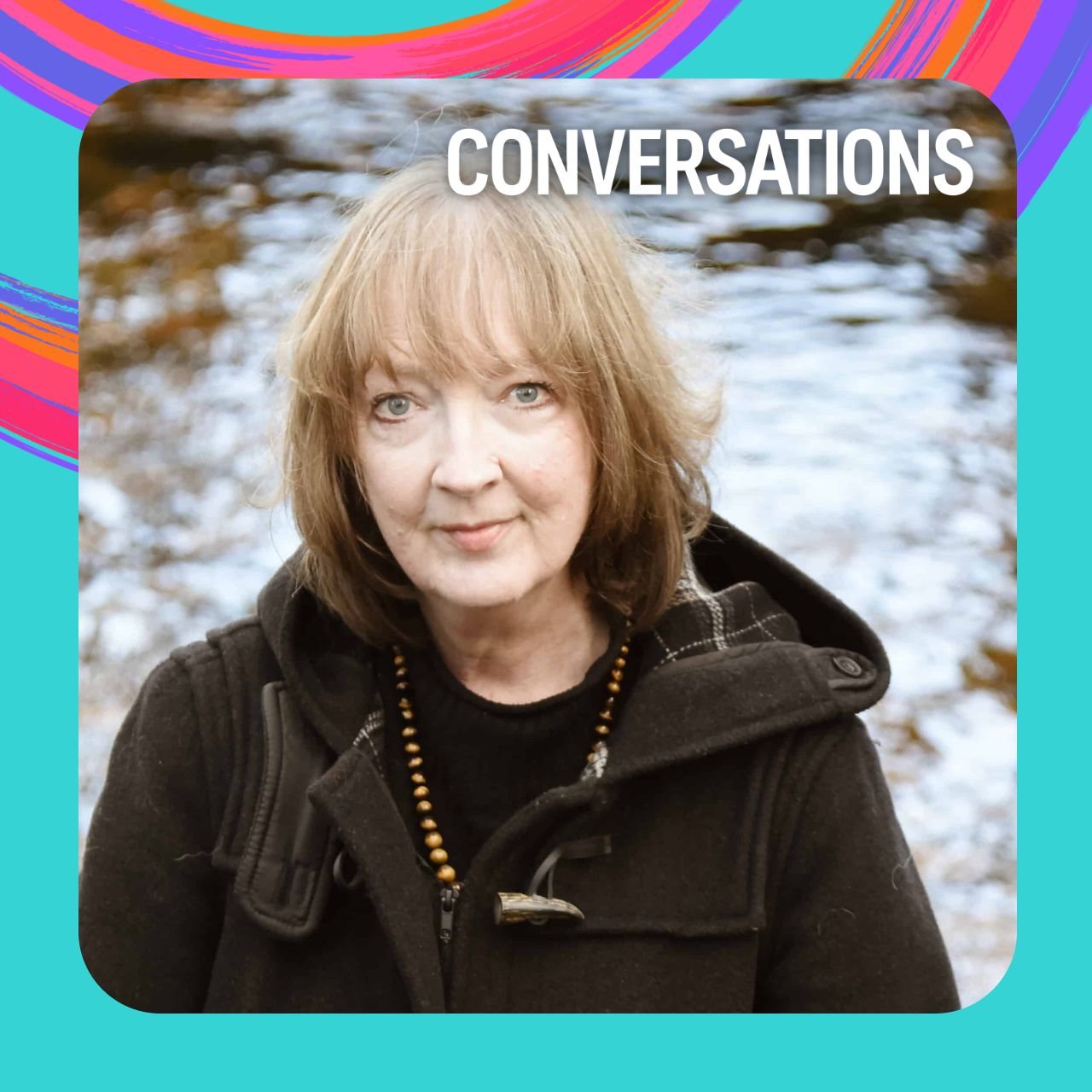
Instructions on how to forge a path through a darkening world, according to former neuroscientist and psychoanalyst, Dr Sharon Blackie. Sharon grew up in what she calls the edge lands — on a council estate, near marshes full of migrating birds, next to the chemical factories of North-Eastern England. She was given fairy stories to read that mirrored her own experience in a way — Sharon knew the world was not always a safe place and that little children should be careful. After her violent father left the family, Sharon’s mum turned to alcohol to cope. Through her mother’s recovery, Sharon was introduced to a local recovery centre called The Room where people could get help for their addiction, and there Sharon found a fascinating group of people who promoted her interest in psychology, and a place to belong. After university, Sharon had a fine life on paper — a husband, a well-paid corporate job and a mortgage, but she wasn’t happy and she heard The Call to start a dangerous and unlikely project. Sharon was living in America in 1999 when John F Kennedy Jnr died in a plane crash. She decided she needed to face her longstanding fear of flying and took up lessons to become a pilot, to look death in the face. Sharon says if we heed the messages in fairy stories they can serve us well in life — be courageous, be kind and always share what you have with friends who may help you in the future. Further information Ripening: Why Women Need Fairy Tales Now is published by September. Read Sharon's newsletter The Art of Enchantment (https://sharonblackie.substack.com/). This episode was made on Turrbul and Jagera country. It was produced by Alice Moldovan. The Executive Producer is Nicola Harrison. This episode focuses on ecofeminism, mythology, fairytales, tatterhood, snow white, rose red, danger, intrigue, sharing, post-hero, women, nature, The Call, facing fear. To binge even more great episodes of the Conversations podcast with Richard Fidler and Sarah Kanowski go the ABC listen app (Australia) or wherever you get your podcasts. There you’ll find hundreds of the best thought-provoking interviews with authors, writers, artists, politicians, psychologists, musicians, and celebrities.

Episode information is provided by the publisher. Listening takes place on the publisher’s service.

Listen at the source ↗

Featured places to meet in Palo Alto, CA

Explore these places and arrange a conversation through ThinkMatch.

City guide for Palo Alto, CA

More from Conversations

Conversations

Beyond the robot apocalypse - who really wins in a world of AI?

53 min

Journalist Cory Doctorow on why we need to dig deeper into the scary messaging around AI to flip the narrative so it works FOR us instead of the other way around. AI is now widely seen as a job destroyer, a slop maker, a privacy invader and another burden on the warming planet. But journalist Cory Doctorow believes that much of the messaging around AI--which says it's coming to eat our jobs and families--is hype that's being driven by the same people who are selling AI, and he doesn't buy it. For Cory, the most important aspect of a new technology isn't what the machine does, it's who it does it for and who it does it to. And how we use AI is really a question of power. He thinks the people pushing this new technology want to scare us to drive up the share price of their companies, which are a very long way from seeing a return on their massive investments in AI. Cory says there's no getting rid of AI, but we can think about how to make this new technology work for us as individual wor

Discuss this episode

Conversations

Encore: The boy dancing with teatowels who became a ballet icon

50 min

Growing up David McAllister was tormented by school bullies for his dancing, but within years, it was clear he was one of the best ballet dancers of his generation. When David was a little boy, he would tuck tea towels into his undies and dance around in front of the TV. He watched his own reflection in the screen (the TV was turned off) as he twirled and leapt around the lounge room. At 7, David went to his first ballet class at a suburban scout hall and loved it right away. But doing ballet was a kind of social death for a boy, in the 1970s in Western Australia. David says the torment he went through at school spurred him on. After winning at place at the Australian Ballet School, he joined the Australian Ballet company in 1983. One artistic director told him his nose was all wrong and he would never be cast as a prince, but he eventually danced many principal roles. David was named as the Artistic Director of the Australian Ballet in 2001 and spent 20 years guiding the company. Furt

Discuss this episode

Conversations

From Redfern to Harvard — deep listening and changing the world

53 min

Euahleyai and Gamillaroi law academic, Larissa Behrendt on continuing her flawed but extraordinary dad's work and forging her own path as the first Aboriginal woman to study law at Harvard. Larissa grew up hearing mischievous stories from her dad Paul, who grew up in an orphanage. Their family had been touched by Australian government policy when Larissa's grandmother was taken from her home country as a girl. After her parents met in the Navy, the family relocated to Cooma, NSW, where Larissa was born. The family lived in the second-last house on the last street in town, where kangaroos hopped by and Larissa and her younger brother could explore their surrounds. Larissa's father Paul became involved with the community in Redfern in the 1970s and Larissa would often join him there, where she was introduced to the idea of Aboriginal self-determination, which would go on to shape her life's work. After a near-death experience, Larissa's dad started to research his family story in the arc

Discuss this episode

Community Poll

Museums should actively seek histories missing from their existing collections.

Share your view, then see how readers voted. No sign-in required. This poll is shared across stories.

Do you agree or disagree?

Choose one answer

Common Quandary

A Common Quandary to discuss

Another conversation to explore, separate from this news story.

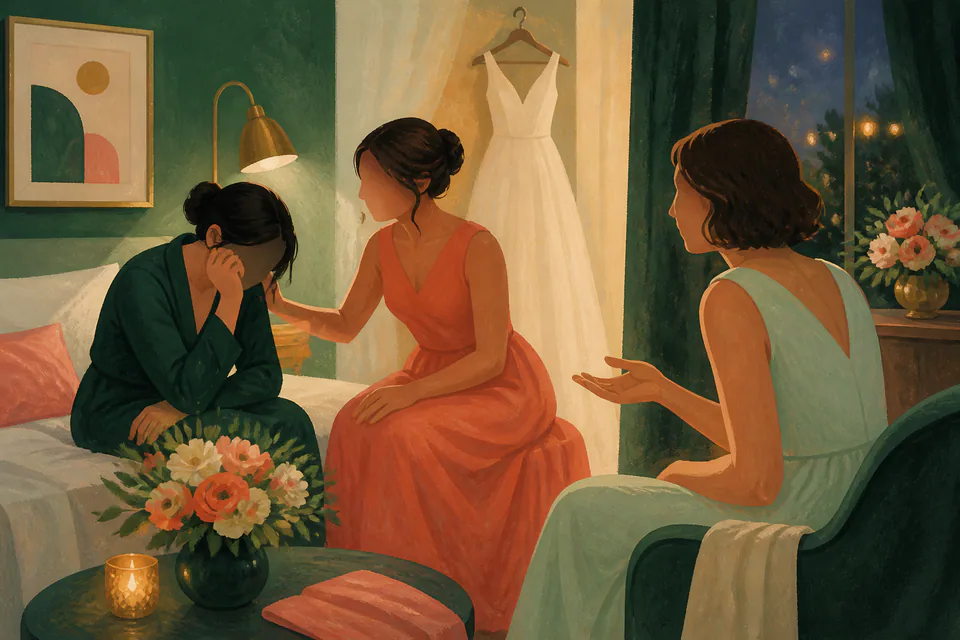
The night before the wedding, your friend admits serious doubts. Do you tell their partner?

On the night before a wedding, your closest friend says they are unsure they should marry but insists it is ordinary panic. They make you promise secrecy and plan to proceed. Their partner asks you directly whether everything is okay.

When does loyalty require breaking a confidence before an irreversible choice?

Explore this quandary