English-language podcasts

The Thomistic Institute

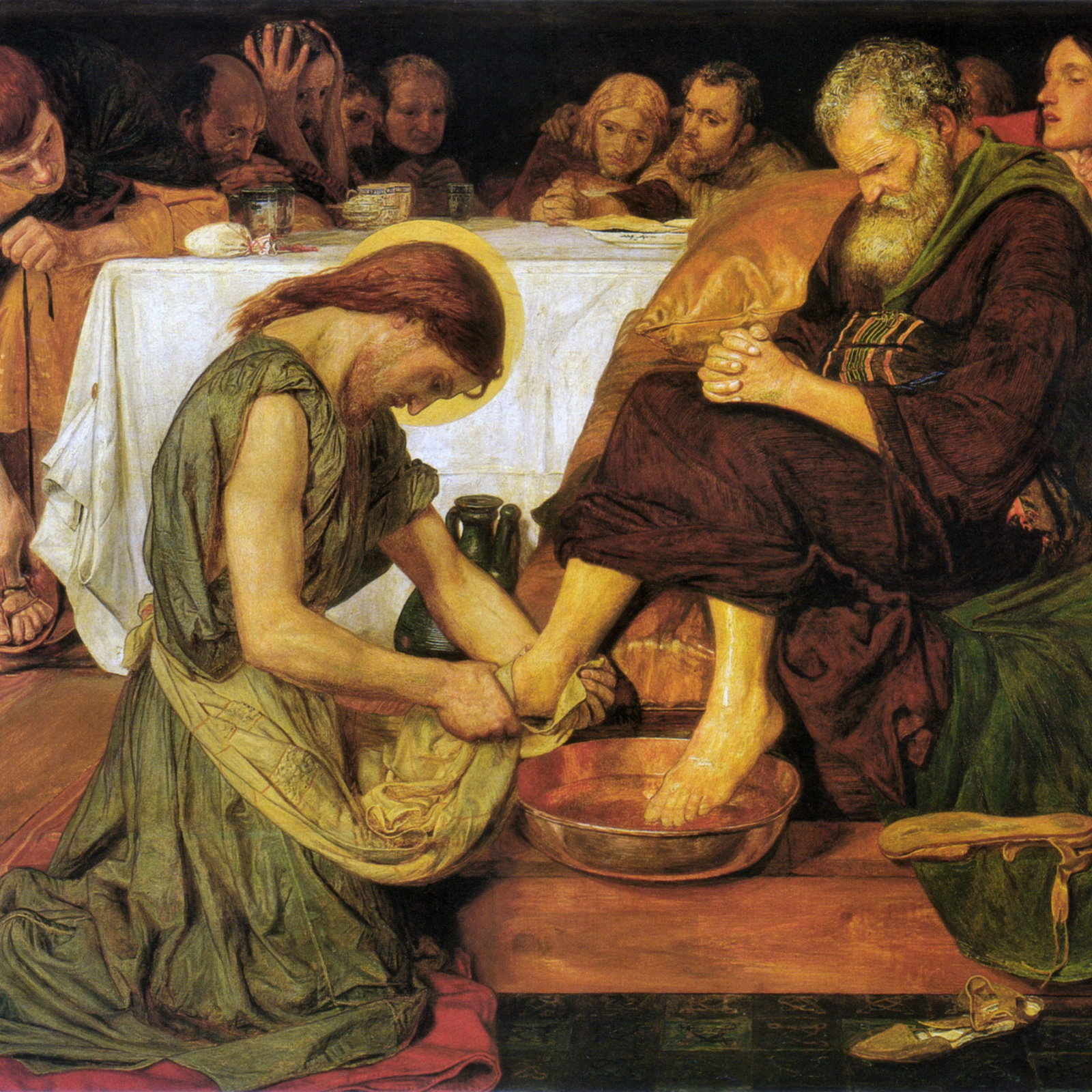
He That Glories, Let Him Glory in the Lord - Fr. Dominic Verner, O.P.
50 min

Listen through the publisher, then discuss the episode here or arrange an in-person Roundtable. Your city determines where to meet.

Roundtables are designed for groups of four, with a shared subject and room for everyone to speak. Come for discussion, with no dating expectation.

Fr. Dominic Verner, O.P. explores the Thomistic understanding of glory, arguing that the Christian life is a call to properly order our desire for recognition by glorying exclusively in the cross of Christ. This lecture was given on September 5th, 2026, at Dominican House of Studies. About the Speaker: After earning a B.S. in electrical engineering from Purdue University and an M.A. in philosophical studies from Mount St. Mary's University, Fr. Dominic Verner, O.P., entered the Order of Preachers and was ordained to the priesthood in 2016. He has an S.T.L. from the Pontifical Faculty of the Immaculate Conception and a Ph.D. in moral theology/Christian ethics from the University of Notre Dame, where he wrote his dissertation "Saving Honor: A Thomistic Ethics of Honor." He joined the Theology Faculty at Providence College as an Assistant Professor in the Fall of 2022. His research and teaching interests especially concern Thomistic moral theory and the role that honor, friendship, and glory play in practical reason and the quest for beatitude. Fr. Verner is Assistant Professor of Theology at Providence College in Providence, RI. Keywords: Glory, Virtue, Virtue Ethics, Divine Providence, Cross, Crucifixion, Beatitude, Grace, Merit, Vocation, Friendship, Knowledge, Power, Dignity

Episode information is provided by the publisher. Listening takes place on the publisher’s service.

Listen at the source ↗

Featured places to meet in Palo Alto, CA

Explore these places and arrange a conversation through ThinkMatch.

City guide for Palo Alto, CA

More from The Thomistic Institute

The Thomistic Institute

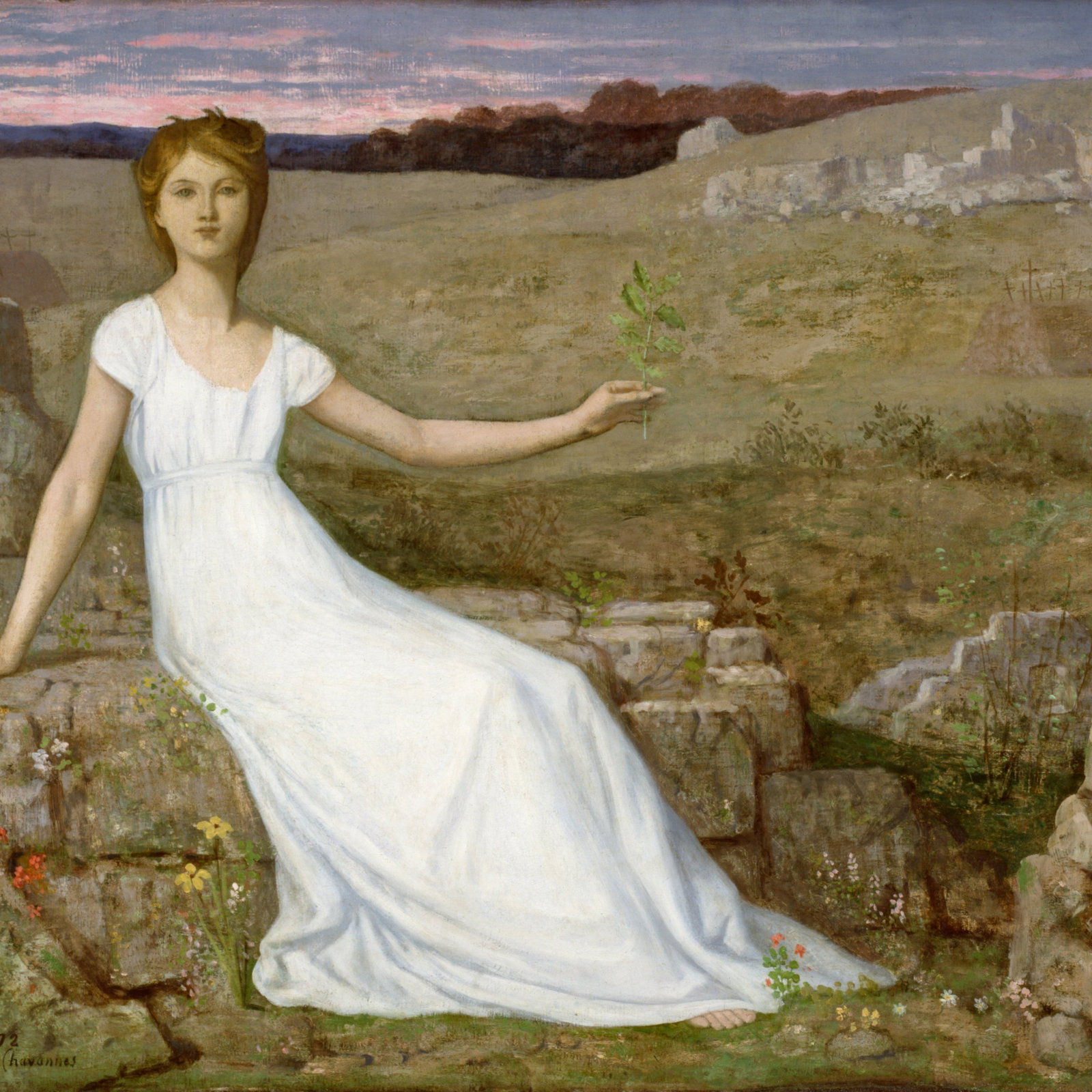
Cultivating the Virtue of Hope: Lessons from St. Thomas - Prof. David Elliot

50 min

Defining the theological virtue of hope as a resilient disposition of the will, Prof. David Elliot illustrates how reliance on God's grace and our natural longing for happiness can sustain us in our journey to our heavenly homeland. This lecture was given on September 4th, 2026, at Dominican House of Studies. About the Speaker: David Elliot is the Grace P. Hobelman Endowed Chair in Catholic Moral Theology at The Catholic University in Washington, DC, specializing in St. Thomas Aquinas, moral theology, virtue ethics, and scholastic theology. He received his Ph.D. in moral theology at the University of Notre Dame in 2014, was awarded a 3-year postdoctoral position in Theological Ethics at Cambridge University, and came to CUA in 2017. He has published widely on topics such as virtue ethics, the theological virtue of hope, growth in Christian virtue, "spiritual training" or Thomistic asceticism, grace and the moral life, the history of Latin scholastic theology, art and morality, sexual e

Discuss this episode

The Thomistic Institute

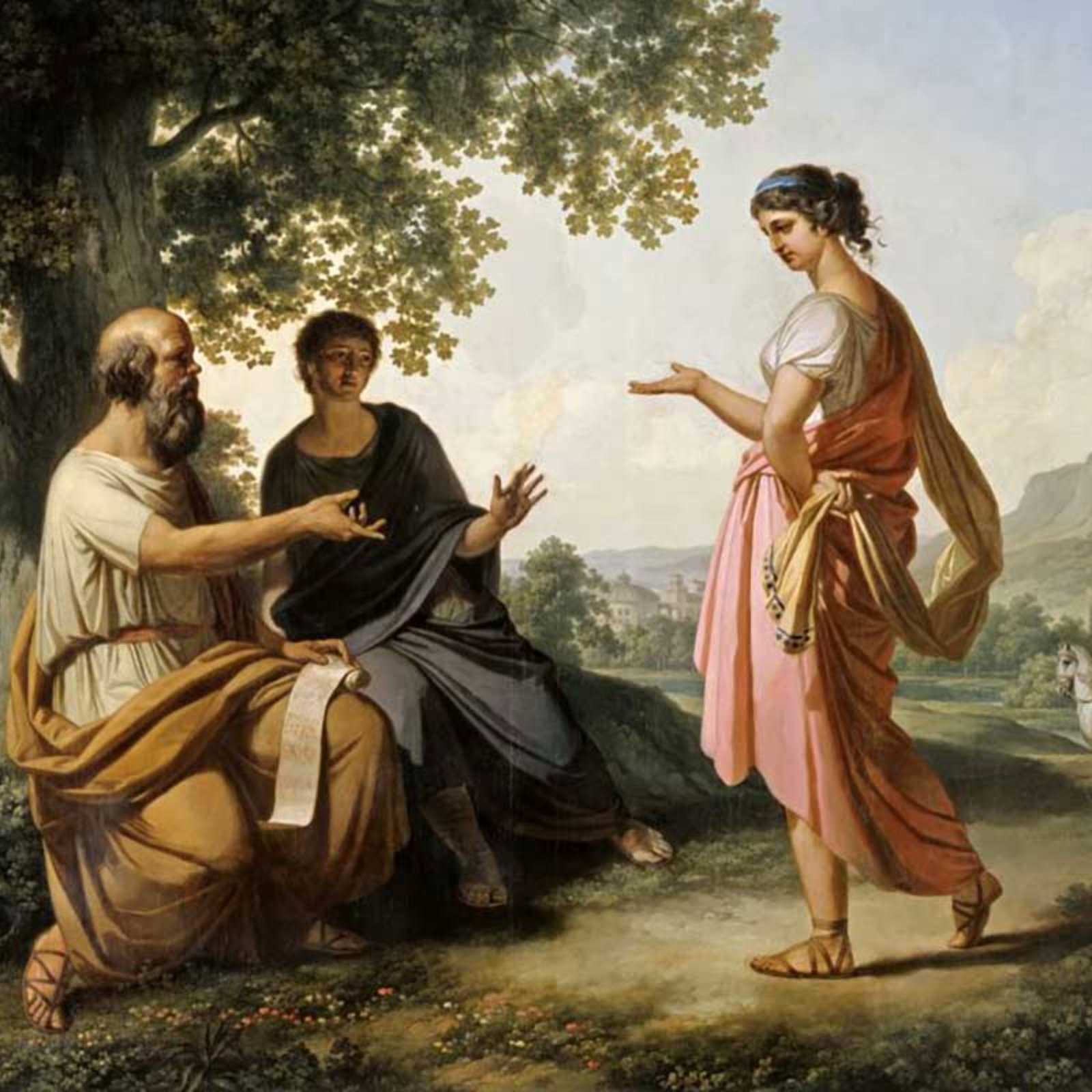
Sexes in the City: Men and Women in Plato's Republic - Dr. Kevin Kambo

54 min

Dr. Kevin Kambo analyzes the classical concept of "homophrosune," or oneness of mind, as a model for integrating the masculine and feminine temperaments of courage and orderliness, providing his listeners with a picture of the sexes harmoniusly unified in the household and city. This lecture was given on September 22nd, 2026, at New York University. About the Speaker: Kevin M. Kambo is an assistant professor of philosophy at the University of Dallas in Irving, TX. Before completing his doctoral studies at the Catholic University of America, he earned a bachelor of science in Chemistry at Stanford University and worked as an intellectual property paralegal in Manhattan, NY. Dr. Kambo specialises in classical Greek philosophy, particularly on Platonic moral psychology and on the dramatic elements of Platonic dialogues. He also works on the reception of Platonic thought through history, from late antique (e.g., in Clement of Alexandria and Augustine of Hippo) through contemporary (e.g., W

Discuss this episode

The Thomistic Institute

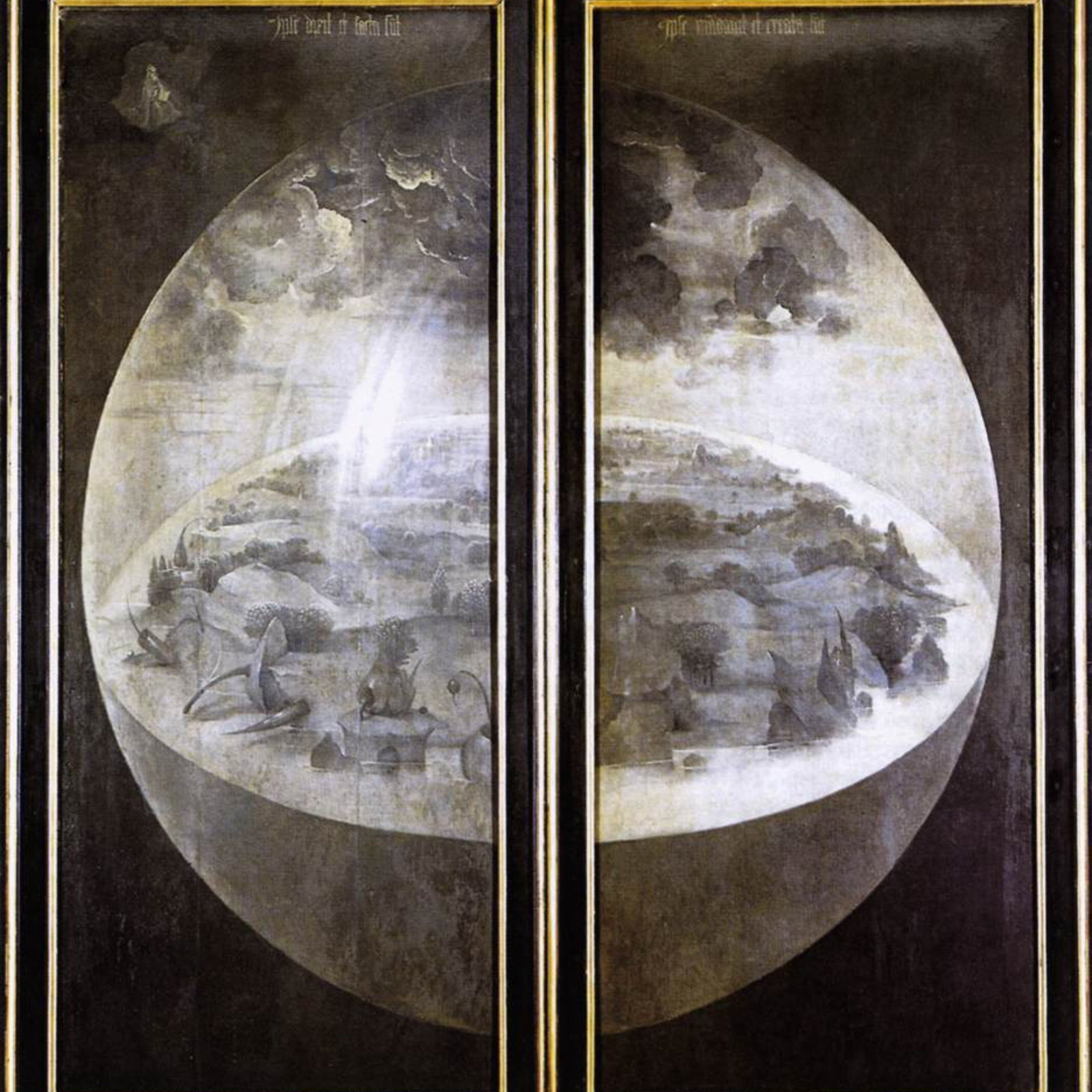
The Life and Times of a Flat-Earther: A Sketch of a Pseudo Controversy - Fr. Timothy Bellamah, O.P.

44 min

By analyzing the writings of Thomas Aquinas and other historical records, Fr. Timothy Bellamah, O.P. debunks the pseudo-controversy of the medieval "flat-earth" myth to demonstrate that the Church has long supported scientific inquiry. This lecture was given on September 20th, 2026, at Dominican House of Studies. About the Speaker: Fr. Bellamah was born and raised in Washington, D.C. He entered the Order of Preachers in 1991 and was ordained a priest in 1998. He studied at Wake Forest University (B.S., 1982), the Pontifical Faculty of the Immaculate Conception (M.Div. and S.T.B., 1997; S.T.L, 1999) and the Ecole Pratique des Hautes Etudes, Paris, (Ph.D., Section des sciences Religieuses, 2008). He has previously taught at Providence College in the Department of Theology and the Department of the Development of Western Civilization. From 2010 to 2018 he served as editor of the speculative review The Thomist and is a member of the Leonine Commission, a team of Dominican scholars responsi

Discuss this episode

Community Poll

Organizations should collect less personal information rather than simply promise stronger security.

Share your view, then see how readers voted. No sign-in required. This poll is shared across stories.

Do you agree or disagree?

Choose one answer

Common Quandary

A Common Quandary to discuss

Another conversation to explore, separate from this news story.

The prettiest trees on your street are ecological troublemakers. Do they come down?

A row of mature flowering trees defines a neighborhood and provides valuable shade. Ecologists identify them as invasive and recommend replacing them with native saplings that will take decades to grow.

How should visible community value be weighed against gradual ecological harm?

Explore this quandary