Listen through the publisher, then discuss the episode here or arrange an in-person Roundtable. Your city determines where to meet.
Roundtables are designed for groups of four, with a shared subject and room for everyone to speak. Come for discussion, with no dating expectation.
Send us Fan Mail (https://www.buzzsprout.com/1945655/fan_mail/new) Ninja Nerds! In this episode of the Ninja Nerd Podcast, Zach and Rob walk you through a high-yield, case-based approach to HIV/AIDS, focusing on how HIV infects the immune system, progresses through its clinical stages, and ultimately leads to acquired immunodeficiency syndrome (AIDS). This episode builds the foundation you need before diving into opportunistic infections and antiretroviral therapy. We start with the fundamentals of HIV, breaking down viral structure, transmission, and the HIV life cycle. From there, we explain how the virus targets CD4+ T cells, the roles of CCR5 and CXCR4, and how progressive immune dysfunction develops over time. We also walk through the transition from acute retroviral syndrome to chronic HIV infection and eventually AIDS, emphasizing the changes in viral load, CD4 count, and immune responses throughout each stage. Next, we focus on the diagnostic approach, including fourth-generation HIV testing, confirmatory testing, viral load measurement, and CD4 monitoring. Along the way, we highlight key clinical findings that help distinguish acute HIV from other infectious syndromes and explain how laboratory testing changes throughout the course of infection. This episode provides the essential framework for understanding HIV pathophysiology and diagnosis, setting the stage for our next discussions on AIDS-defining illnesses, opportunistic infections, and antiretroviral therapy. Let’s get into it, Ninja Nerds!
Episode information is provided by the publisher. Listening takes place on the publisher’s service.
I Ate 1000 Sardines in a Month, Video: https://youtu.be/_Th54GWd8WY How Sardines Supercharged my Metabolism, Letter: https://staycuriousmetabolism.substack.com/p/the-weird-anti-insulin-hormone-that?r=40ekz2 Omega-6/3 Ratio Can Be Misleading, Letter: https://staycuriousmetabolism.substack.com/p/how-we-got-omega-fat-wrong-this-will?r=40ekz2 Best Omega-3 for the Brain, Letter: https://staycuriousmetabolism.substack.com/p/why-omega-3-supplements-dont-work?r=40ekz2 If you want to get your Omega-3 via Omega Quant, click on this link: https://omegaquant.com/ref/864 Fatty Acid Research Institute: https://www.faresinst.org (https://www.faresinst.org/) Description: In this conversation, I sit down with Professor William Harris, one of the world’s leading experts on omega-3 and omega-6 fatty acids, to cut through confusion around fish oil, seed oils, cardiovascular health, and brain health. We break down what omega-3 and omega-6 fats actually are, why their chemistry matters, and how they’re conv
Get the 200+ Page Optimal Living Daily Workbook (PDF) - Free. Want to turn today's episode into an actionable plan? Episode 4232: Chris Guillebeau shares a candid, funny account of his lack of qualifications, from a short-lived dishwashing job to failing his way through statistics and shrink-wrapping pallets. He argues that formal credentials matter far less than people think, and that anyone who builds a good life without them should treat that work with gratitude and diligence. It is an encouraging take on personal development for anyone who has ever felt like an imposter. Read along with the original article(s) here: https://chrisguillebeau.com/qualifications/ Quotes to ponder: "First, forget about what you're actually qualified to do. It's irrelevant and no one cares." "Fourth, when you do find something that works for you, you should be very grateful, every day." "Regardless of your actual qualifications, there's one thing that no one can give you and no one can take away: the wil
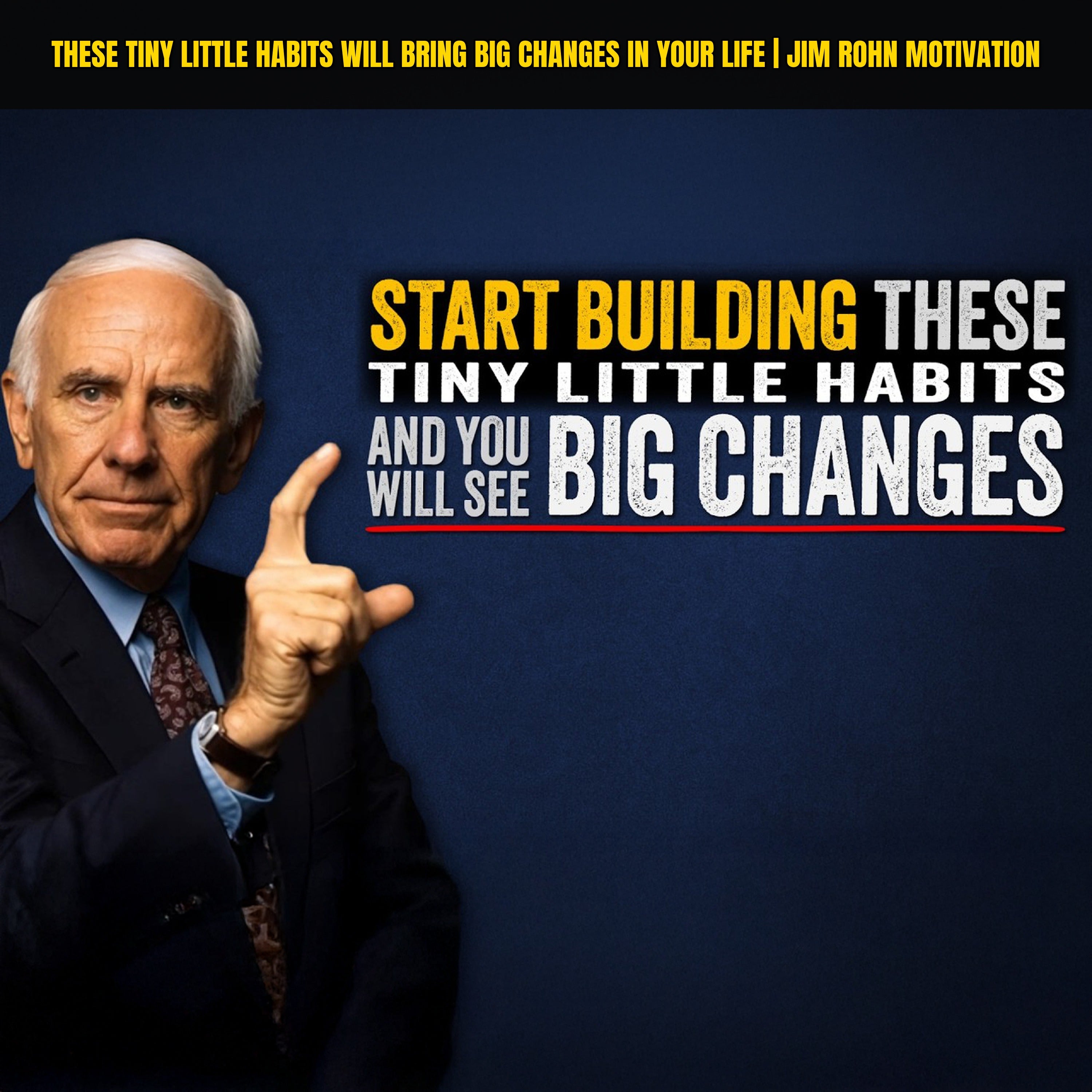
In this Jim Rohn Motivation video, Jim dives deep into the extraordinary power of small habits and how they shape your destiny . Success isn’t about massive change—it’s about daily choices, small disciplines, and consistent effort that compound over time. Key Topics From This Motivational Video: Why small habits shape your future How identity drives behavior change The secret to breaking bad habits for good Why consistency beats intensity every time How responsibility leads to true freedom Jim Rohn shares that the key to real transformation lies not in dramatic change, but in quiet, consistent action. From saving a dollar to reading one page, these small acts—done daily—build momentum, shape identity, and ultimately determine your outcomes. This message challenges you to stop chasing success and start attracting it by becoming the kind of person success is drawn to. This Jim Rohn Motivational Video Is Perfect For: Anyone feeling stuck and unsure how to begin People who want to break ba
Master the skills that change lives — enroll in your free human behavior course today: https://nci.university/learn Uploaded 09-01-26 You were never reacting to chaos — you were responding to structure. Outcomes don’t appear suddenly; they’re assembled long before you notice them. Understanding how pressure is built changes how the world feels immediately. All influence follows patterns once you know where to look. Reality doesn’t break — it gets reshaped in layers. Every system depends on predictable human responses. Given the right conditions, behavior becomes almost automatic. Once you see the architecture, panic loses its leverage. Detection beats reaction — every time. Please note that the content provided in this broadcast is for informational and educational purposes only and should not be construed as legal, medical, financial, or professional advice. No material in this communication establishes any form of professional relationship that is privileged or confidential. The insi
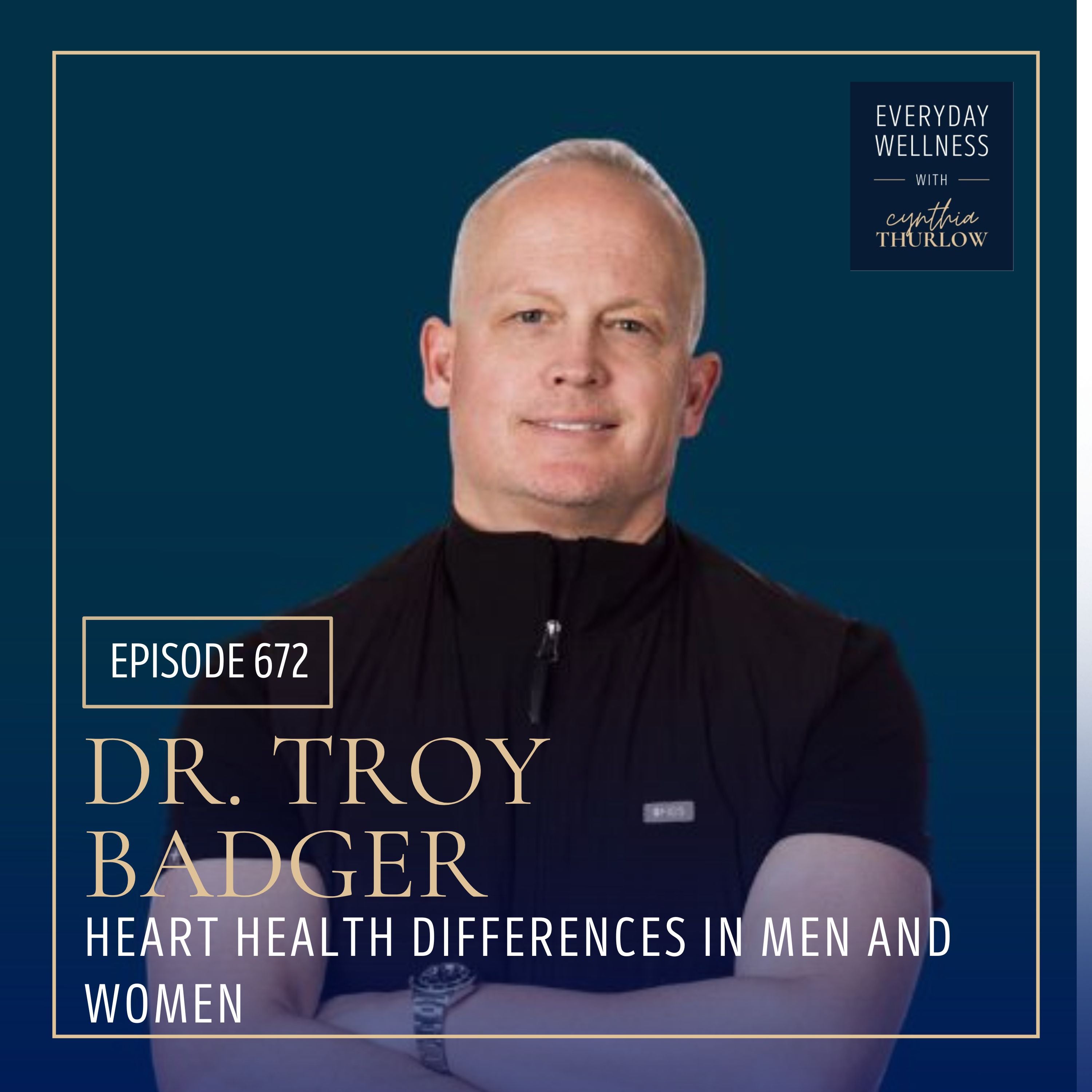
Today, I’m honored to connect with Dr. Troy Badger. He is a board-certified cardiologist and interventionalist and the founder of Cardiostrong, a concierge preventive cardiology clinic in Provo, Utah, focused on reducing cardiovascular risk, optimizing metabolic health, and improving strength and cardiorespiratory fitness for executives and athletes. In today’s conversation, we discuss Dr. Badger’s gender- and age-specific approach to heart health, including treatment differences for men and women, and diagnoses such as INOCA, SCAD, vasospastic disease, and Takotsubo. We examine emotions and their influence on heart health, coronary ischemia and cardiomyopathies, labs and diagnostics, how Dr. Badger assesses risk in his patients, and the differences between a CAC and a CCTA. Dr. Badger also shares the labs he finds essential for all patients and discusses the role of VO2 Max, cardiovascular training, and lifestyle—specifically nutrition, the use of GLP-1 drugs, and a multidisciplinary
"The Big Secret" documentary portrays how the U.S. healthcare system was reshaped by corporate and pharmaceutical forces, replacing natural healing with a drug-centered, profit-driven medical monopoly The shift began with the Flexner Report, backed by Carnegie and Rockefeller interests, which redefined medical legitimacy and opened the door to corporate control over healthcare Modern medicine has wrongly vilified cholesterol, leading to widespread statin use that can undermine hormone health, cognitive function, and metabolic resilience Industrial agriculture, glyphosate, and processed foods strip essential minerals from the food supply. This has been linked to widespread nutritional deficiency and chronic disease across generations The real "big secret" is that health can restore itself once you eliminate what disrupts it and provide the inputs it's always required
Patients should be able to compare expected treatment costs before choosing care.
Share your view, then see how readers voted. No sign-in required. This poll is shared across stories.
Do you agree or disagree?
Common Quandary
A Common Quandary to discuss
Another conversation to explore, separate from this news story.
You inherit a fortune made in ways you despise. Can you keep it?
You inherit a substantial sum from a relative who accumulated it through practices you consider exploitative. Keeping it would improve your family's security; donating it could support people harmed by similar practices.
Can ownership be morally clean when its history is not?