Top Omega-3s Research Explains What You Need to Know
42 min
Listen through the publisher, then discuss the episode here or arrange an in-person Roundtable. Your city determines where to meet.
Roundtables are designed for groups of four, with a shared subject and room for everyone to speak. Come for discussion, with no dating expectation.
I Ate 1000 Sardines in a Month, Video: https://youtu.be/_Th54GWd8WY How Sardines Supercharged my Metabolism, Letter: https://staycuriousmetabolism.substack.com/p/the-weird-anti-insulin-hormone-that?r=40ekz2 Omega-6/3 Ratio Can Be Misleading, Letter: https://staycuriousmetabolism.substack.com/p/how-we-got-omega-fat-wrong-this-will?r=40ekz2 Best Omega-3 for the Brain, Letter: https://staycuriousmetabolism.substack.com/p/why-omega-3-supplements-dont-work?r=40ekz2 If you want to get your Omega-3 via Omega Quant, click on this link: https://omegaquant.com/ref/864 Fatty Acid Research Institute: https://www.faresinst.org (https://www.faresinst.org/) Description: In this conversation, I sit down with Professor William Harris, one of the world’s leading experts on omega-3 and omega-6 fatty acids, to cut through confusion around fish oil, seed oils, cardiovascular health, and brain health. We break down what omega-3 and omega-6 fats actually are, why their chemistry matters, and how they’re converted into powerful signaling molecules that influence inflammation, metabolism, heart disease, and neurological health. We also discuss the omega-6:3 ratio and the omega-3 index—why the ratio can be misleading, why higher omega-6 levels are not inherently harmful, and why low EPA and DHA are the real problem for most people. We discuss optimal omega-3 index targets, whether there’s a ceiling to benefits, how omega-3s relate to Alzheimer’s risk and brain aging, and what the data actually say about long-term outcomes. This is a nuanced, evidence-driven discussion meant to replace fear-based nutrition narratives with clarity, context, and better questions to ask about your own health. Chapters 0:00 – Meet Omega-3 Expert: Professor Bill Harris 1:21 – A High-Level Overview of Omega-3 and Omega-6 5:10 – Do Omega-3 Help Cardiovascular Health? 9:19 – Limitations of Randomized Controlled Trials 11:11 – Omega-6/3 Ratio vs Omega-3 Index 12:12 – Optimal Levels on the Omega-3 Index 15:28 – Why the Omega-6/3 Ratio Can be Misleading 21:20 – Seed Oils vs Omega-6. What Should we Do? 22:20 – Practical Dietary Tips from Professor Harris 25:11 – Omega-3 and Neuropsychological Health 27:45 – Nuance about Navigating Personal Choices 29:30 – Professor Harris’s Personal Routine 30:50 – What Really Matters for Longevity #omega3 #metabolichealth #sardinediet #omega6 #linoleicacid #PUFA #saturatedfat #hearthealth #brainhealth #staycurious #omegaquant #mitochondria #hormones #brainhealth #brainaging #dementia #EPA #DHA #ALA #salmon #seedoils #mitochondria #atherosclerosis #Apoe4 #Apoe #cholesterol #apoB #fishoil
Episode information is provided by the publisher. Listening takes place on the publisher’s service.
AI is here. Now what? Everyone’s talking about artificial intelligence and machine learning. There are lots of names thrown around - OpenAI’s ChatGPT and DALLE-2, Google’s Bard, Meta’s LLaMa 2, Midjourney, AlphaFold… Right now, we’re in this weird moment where lots of smart people agree we’re on the cusp of a truly world-changing technology. But some seem to be saying it's going to lead to human extinction while others are saying it’s “more profound than fire.” But it all feels so VAGUE. I want to know: How specifically would AI kill me? Or totally transform my life for the better? In this video, that’s what I’m going to try to learn. We dive into what the most extreme bad and good AI futures actually look like, so that you and I can get ready. And more importantly, so we can make sure that we get our real future RIGHT. Chapters: 00:00 Why is AI so confusing? 1:13 What is AI? 2:37 Why is everyone talking about AI now? 5:12 Why is AI dangerous? 6:22 How would AI kill me? 8:08 Should we
Today, I’m honored to connect with Dr. Troy Badger. He is a board-certified cardiologist and interventionalist and the founder of Cardiostrong, a concierge preventive cardiology clinic in Provo, Utah, focused on reducing cardiovascular risk, optimizing metabolic health, and improving strength and cardiorespiratory fitness for executives and athletes. In today’s conversation, we discuss Dr. Badger’s gender- and age-specific approach to heart health, including treatment differences for men and women, and diagnoses such as INOCA, SCAD, vasospastic disease, and Takotsubo. We examine emotions and their influence on heart health, coronary ischemia and cardiomyopathies, labs and diagnostics, how Dr. Badger assesses risk in his patients, and the differences between a CAC and a CCTA. Dr. Badger also shares the labs he finds essential for all patients and discusses the role of VO2 Max, cardiovascular training, and lifestyle—specifically nutrition, the use of GLP-1 drugs, and a multidisciplinary
Your child can pass the eye chart and still miss what’s right in front of them. Here’s why. Optometrist Dr. Meenal Agarwal explains why 20/20 eyesight doesn’t tell the whole story. Vision is a brain-driven process, and when the brain stops prioritizing the periphery, kids can look at a scene without perceiving it. She also shares the milestone delays she was seeing in her clinic long before Covid. LIKE this video if you found the conversation helpful. COMMENT below with your biggest question or concern about your child’s screen time and vision. Follow Dr. Meenal Agarwal: Website: https://www.drmeenal.com/ Instagram: https://www.instagram.com/dr.meenalagarwal/ YouTube: https://www.youtube.com/@UncoverYourEyeswithDr.Meenal LinkedIn: https://www.linkedin.com/in/dr-meenal-agarwal-9732a260 Resources : Stuck in a Flat World (book): https://www.drmeenal.com/stuck-in-a-flat-world/ Uncover Your Eyes podcast: https://podcasts.apple.com/us/podcast/uncover-your-eyes-the-truth-about-health-and-well
Should you try the viral egg fast? What's WRONG with it? -------------- The Workbook: https://on.bozmd.com/BozWorkbook --------------------- Thanks for checking out the Dr. Boz Channel. See links below resources and recommendations. Tune in Tuesday nights, 4PM Eastern/3PM Central to watch me Live! We improve health - One ketone at a time. --------------------- FREE STUFF 50 Keto Fat-Facts: http://on.bozmd.com/50fat Dr. Boz Ratio Spreadsheet: http://on.bozmd.com/DBR Documentary Playlist: https://on.bozmd.com/AT --------------------- Dr. Boz’s Online Courses: Consistently Keto: http://on.bozmd.com/CK BRAINS: https://on.bozmd.com/BrainsT2R --------------------- WAYS TO SUPPORT THIS CHANNEL: Share Dr. Boz content with people you love. Everyone wins when you share. Buy Dr. Boz Products: Dr. Boz Food Guide: http://on.bozmd.com/FoodGuide Walmart: https://on.bozmd.com/WalmartKetoMap Amazon: https://on.bozmd.com/AmazonAttKetoMap Beginners love this! Dr. Boz K2+D3: https://on.bozmd.com/K2D3 Walm
If you're training hard but feeling wiped, eating a restricted diet for your gut, or just never hungry after a tough workout, you might not be getting the protein you need. This episode breaks down how much you really need and how to get it without upsetting your gut. YOU'LL TAKEAWAY: Macronutrients and calories 101, and how restrictive diets throw off your balance How your body digests protein, and why it matters before workouts The many roles of protein, from enzymes and iron storage to post-workout appetite How much protein you need, plus 3 easy low FODMAP ways to boost it — RESOURCES & LINKS MENTIONED: ⤵️ Want high touch coaching support for IBS & fuelling performance? Apply for coaching. (http://gutfitnutrition.com/apply) Free Training: How to Control IBS So You Can Fuel Your Training Without a Lifelong Low FODMAP Diet (https://gutfitnutrition.com/heal-ibs-training-live) Supporting your immune system when you're sick (Ep. 70) (https://open.spotify.com/episode/5bCto0jWLcbC5hQW4hrH6
Fear has a way of quietly taking control of your life. It convinces you to stay where you are, avoid difficult conversations, delay decisions, tolerate situations you know aren’t good for you, and settle for a life that is far smaller than the one you are capable of living. In this episode of The Strong Life Project, we explore how fear impacts your thinking, your relationships, your career, your leadership, and ultimately your ability to live a meaningful life. Fear doesn’t always look like panic. Sometimes it looks like procrastination, overthinking, making excuses, people pleasing, avoiding conflict, or constantly waiting for the perfect moment. The problem is that every time you allow fear to make a decision for you, you reinforce the belief that you are incapable of handling what comes next. Over time, this creates a pattern of avoidance that undermines confidence, resilience, emotional strength, and personal growth. Learning to manage fear doesn’t mean becoming fearless. It means
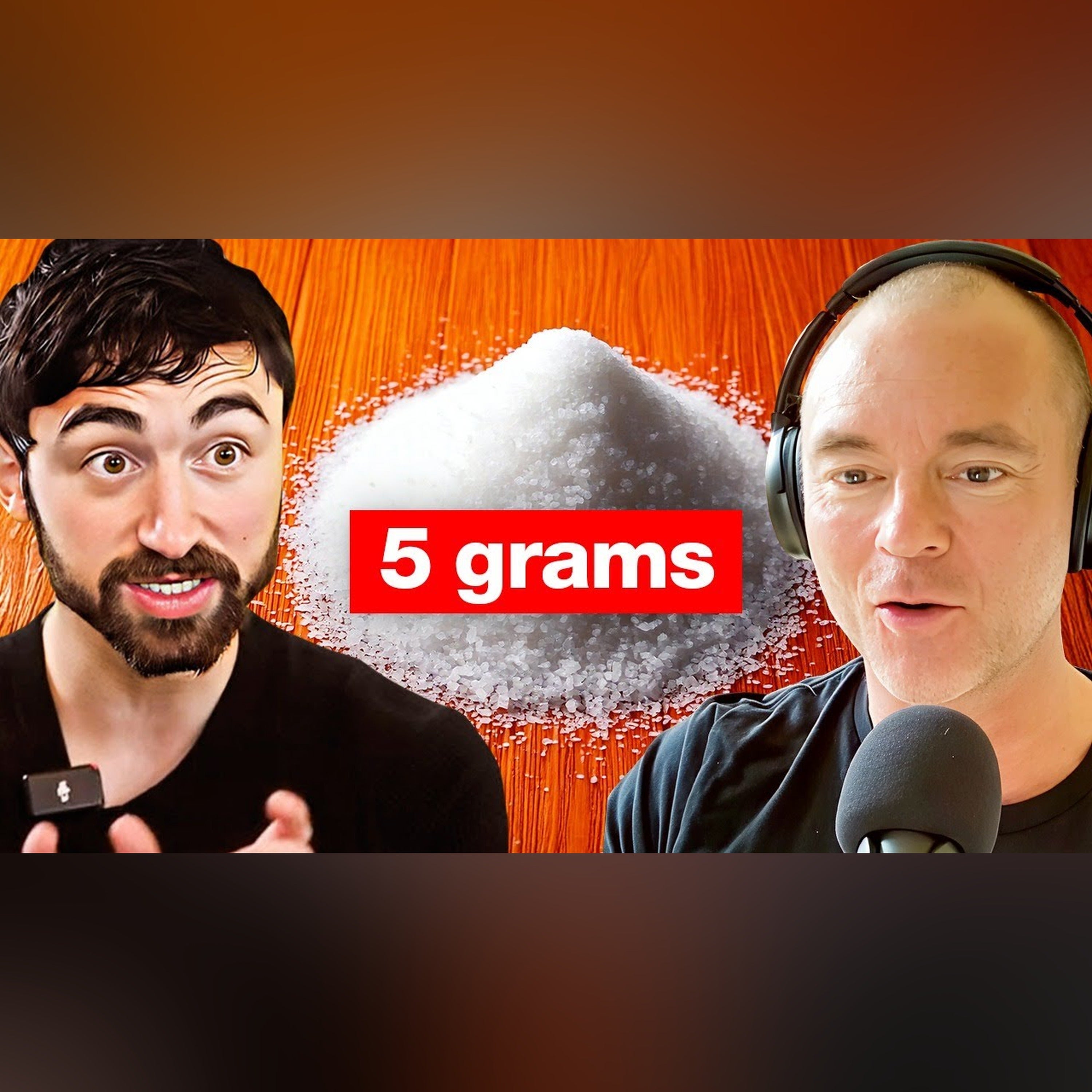
Robb Wolf Interview Part 1: https://youtu.be/Wi-6KttZ54g LMNT “Scandal” Video: https://youtu.be/uI2ewgimH3g Salt, Leptin and Blood Pressure: https://staycuriousmetabolism.substack.com/p/salt-vs-fat-rethinking-the-root-causes?r=40ekz2 Oleuropein and Calcium Signaling: https://youtu.be/ljuimrT2a1s In Part 2 of my conversation with Robb Wolf, we dig into one of the most misunderstood aspects of nutrition and metabolic health: electrolytes. Most people think electrolytes simply matter for athletes or hot summer workouts, but the reality is far more complex. We also get into the science behind sodium, why the old fear of salt never made sense mechanistically, and how obesity and leptin signaling influence salt sensitivity, and more. Chapters 0:00 – Why Electrolytes Matter More Than You Think 3:12 – Low-Carb, Insulin and Hidden Electrolyte Loss 7:38 – How to Know If You’re Sodium Deficient 11:25 – The Truth About Sodium, Obesity and Blood Pressure 21:59 – How Much Sodium You Really Need 29:1
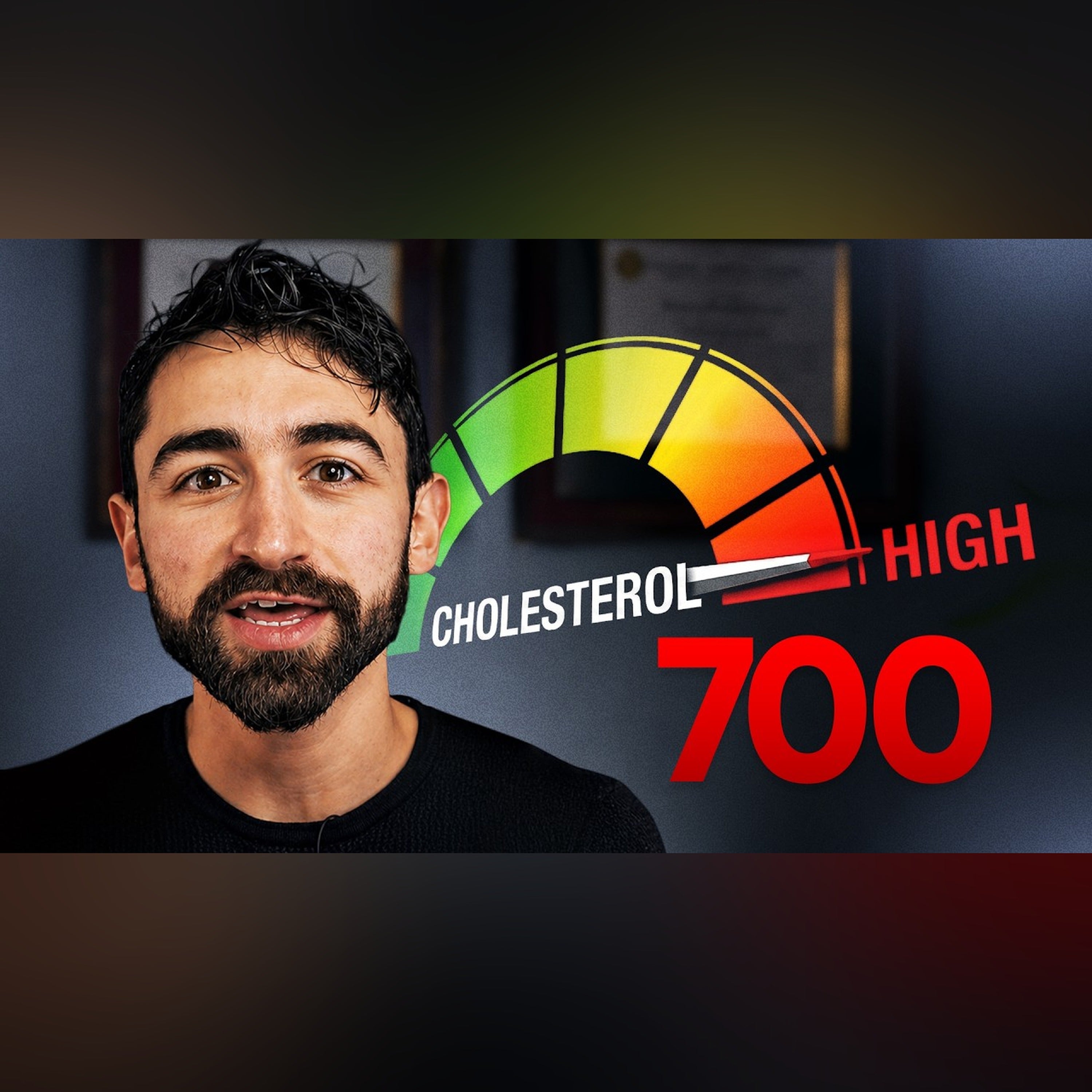
For a written breakdown, more nuances and early access to content, see the associated newsletter: https://open.substack.com/pub/staycuriousmetabolism/p/im-finally-lowering-my-cholesterol?r=40ekz2&utm_campaign=post&utm_medium=web&showWelcomeOnShare=true (https://open.substack.com/pub/staycuriousmetabolism/p/im-finally-lowering-my-cholesterol?r=40ekz2&showWelcomeOnShare=true) Statin RCT Video: https://youtu.be/d9LeDSoYOVc Ezetimibe Video: https://youtu.be/5idzP5ghT7A Bempedoic Acid Letter: https://staycuriousmetabolism.substack.com/p/beyond-cholesterol-the-unfolding?r=40ekz2 Description For the last seven years, despite extremely high cholesterol, I refused cholesterol-lowering medications. But I’ve just changed my mind…sort of. In this video, I walk through the full decision-making process: the risks, the uncertainty, the medical context, and the nuances that made this case unusually complicated. There are three plot twists. This is not medical advice. It’s a detailed look at an unusual
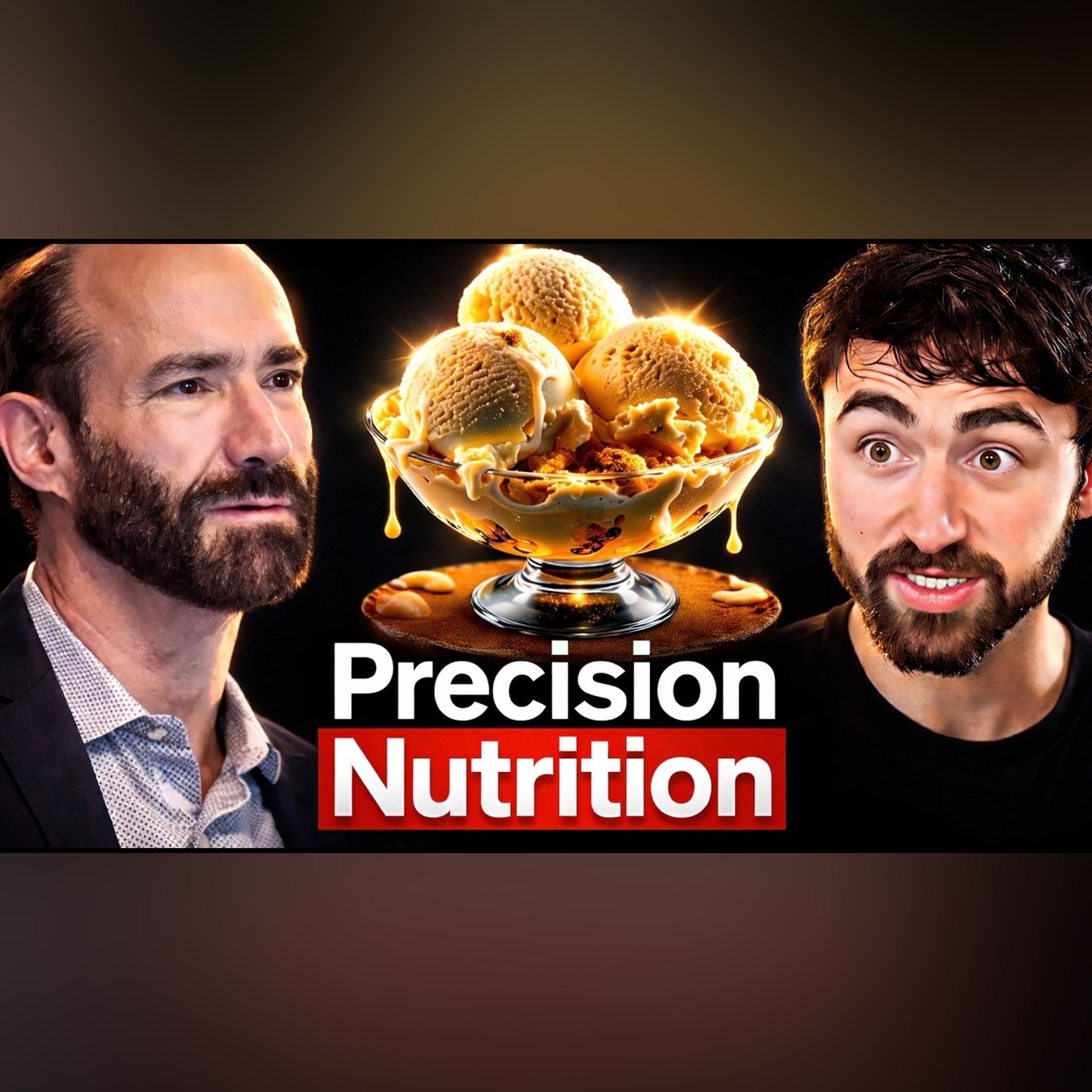
StayCurious Newsletter on Snyder’s Fiber Randomized Controlled Trial: https://staycuriousmetabolism.substack.com/p/fiber-is-good-for-you-is-lazy-science?r=40ekz2 StayCurious Newsletter on Inulin and Fructose Resistance: https://staycuriousmetabolism.substack.com/p/the-fiber-that-fights-fat-how-inulin?r=40ekz2 Snyder Interview 1, Four Types of Diabetes: https://youtu.be/mCrc4gfbK2o Snyder Interview 2, Most Viral Aging Study: https://youtu.be/kMpGkg4zMOU Snyder Interview 3, Most Beautiful Exercise Study: https://youtu.be/_9ywulQF2Ho Why does the same food spike one person’s blood sugar while barely affecting another? In this fourth conversation with Stanford’s Professor Michael Snyder, we explore new research on individualized glycemic responses, insulin resistance subtypes, and why one-size-fits-all nutrition advice keeps failing. From rice spiking glucose more than ice cream, to the power of the grape-to-potato ratio, and beyond, this discussion reveals how metabolism, microbiome, immu
Reports of research should distinguish clearly between association and proven causation.
Share your view, then see how readers voted. No sign-in required. This poll is shared across stories.
Do you agree or disagree?
Common Quandary
A Common Quandary to discuss
Another conversation to explore, separate from this news story.
Your boss offers lessons to make you sound “more professional.” Do you take them?
Clients sometimes ask an employee to repeat themselves during calls. Their manager offers company-paid speech coaching framed as clearer communication, but the employee experiences the request as pressure to hide part of their identity.
When does improving communication become demanding conformity?