Holy Smoke: Pope Francis encounters the devil – why now?
34 min
Listen through the publisher, then discuss the episode here or arrange an in-person Roundtable. Your city determines where to meet.
Roundtables are designed for groups of four, with a shared subject and room for everyone to speak. Come for discussion, with no dating expectation.
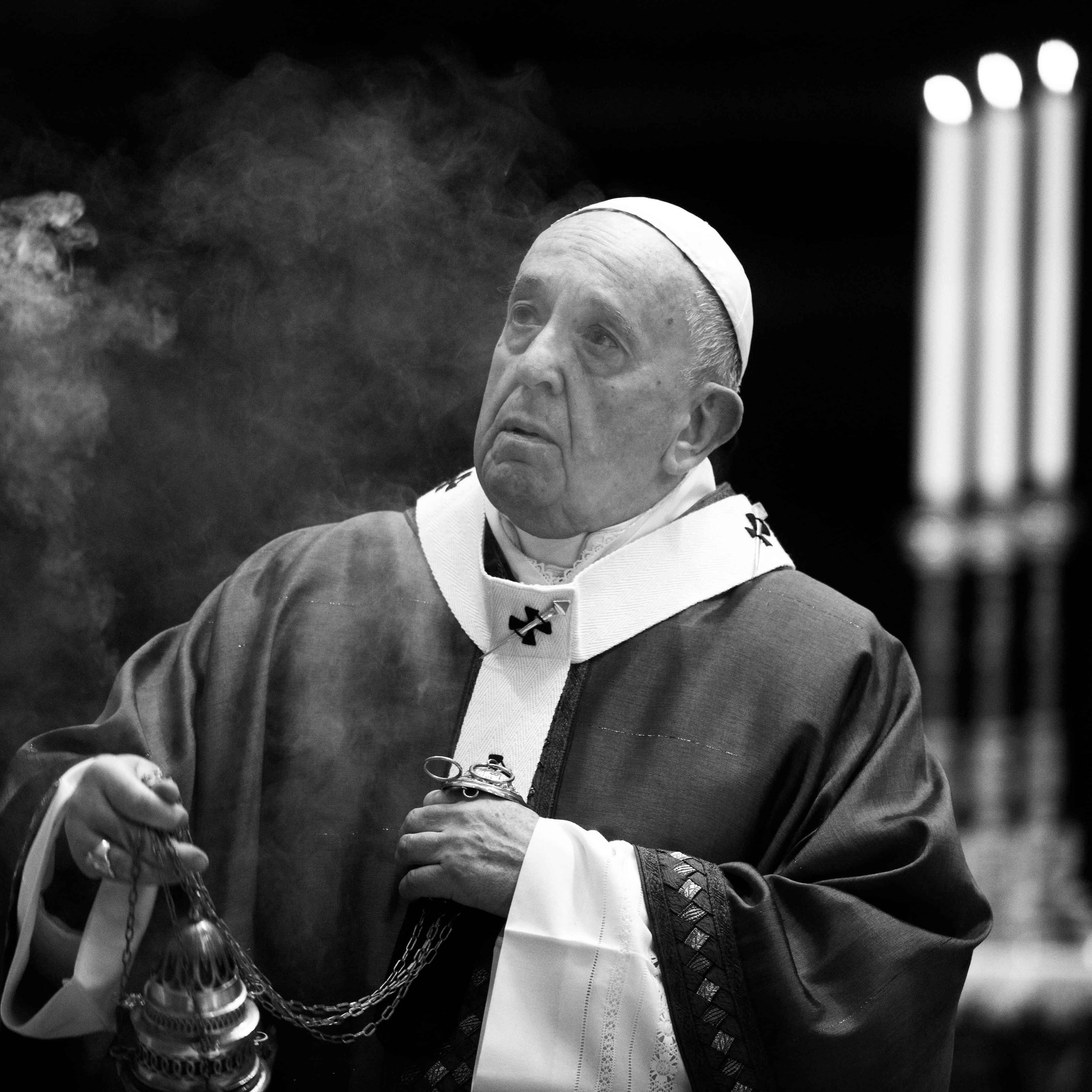
The publication of extracts from Pope Francis’s private diaries has reignited controversy over the late pontiff, revealing a man tormented by spiritual self-doubt, dark temptations and apparent encounters with the devil. His spiritual crisis coincided with one of the most controversial decisions of his pontificate: restricting the celebration of the traditional Latin Mass. On Holy Smoke, Damian Thompson is joined by moral theologian Fr Alexander Lucie-Smith to discuss the revelations. Do the diaries reveal a great Catholic mystic or raise uncomfortable questions about Francis’s suitability for the papacy? And why have they been published now – what might they mean for Pope Leo XIV? Produced by Patrick Gibbons. Hosted on Acast.
Episode information is provided by the publisher. Listening takes place on the publisher’s service.
In this episode, I'm joined by Adam Sweeney, the youngest Irish person to summit Mount Everest. We explore the realities of climbing Everest, navigating fear and self-doubt, growth through discomfort, the power of team spirit and the emotional comedown after achieving an extraordinary goal. A conversation filled with wisdom and insights that I know will resonate, no matter what challenges you're facing in your own life. Visit Adam's Instagram (https://www.instagram.com/adamtsweeney/) Hosted on Acast.
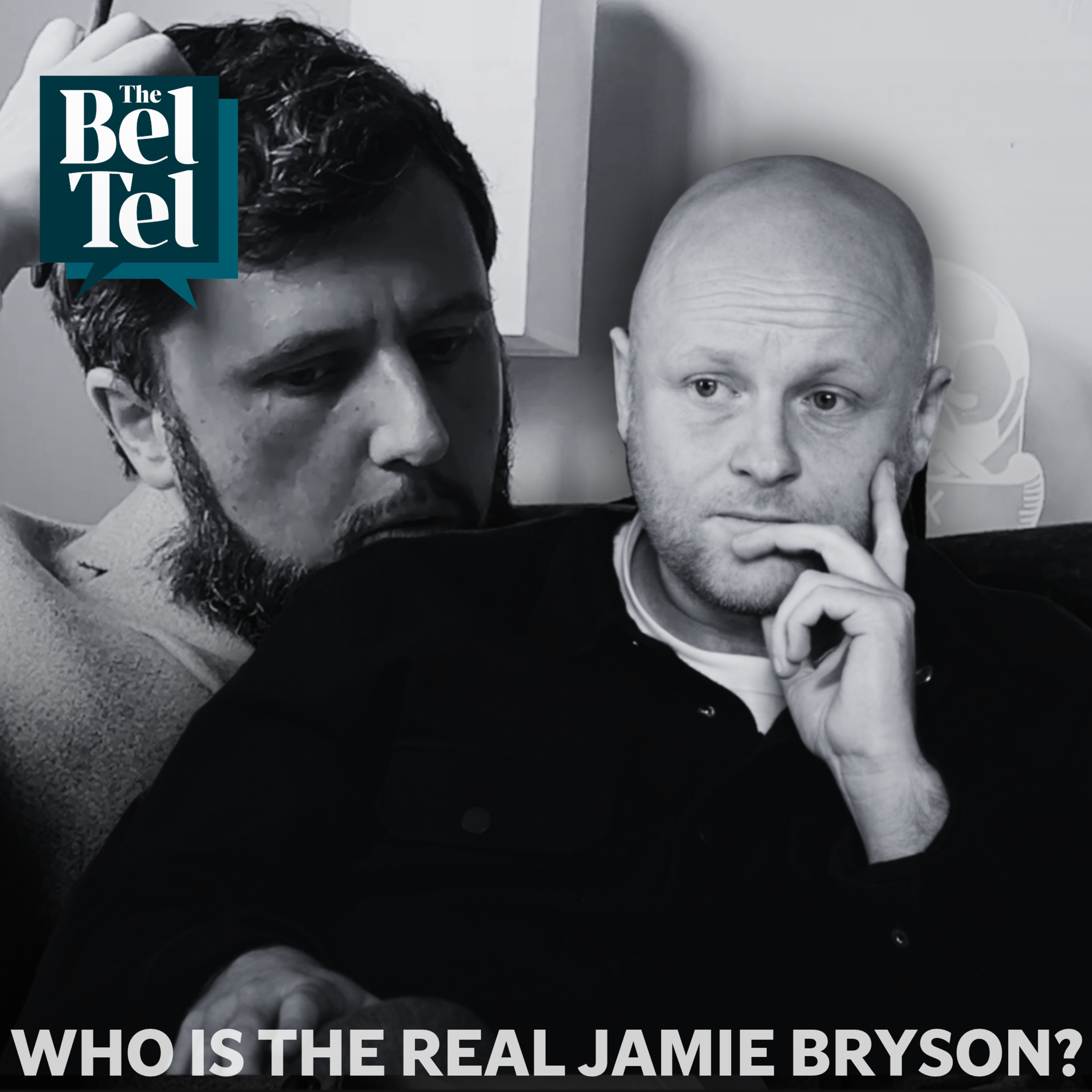
Loyalist activist Jamie Bryson has become one of unionism's most influential figures. One of the most controversial people in Northern Ireland, the self-confessed “political extremist” has never been elected in his life – but wields more clout than most politicians. Bryson has brought Stormont to the brink of collapse on several occasions. He’s made no secret that he wants to bring down the Good Friday Agreement. And he openly defends Troubles murders by the UVF, a banned terrorist organisation. But who really is he, and what does he want? Bryson agreed to two long interviews with the Belfast Telegraph's Northern Ireland editor Sam McBride. This is the first of those interviews in his north Down home, examining where he came from, what he's got wrong, and whether he is sectarian. Hosted on Acast.
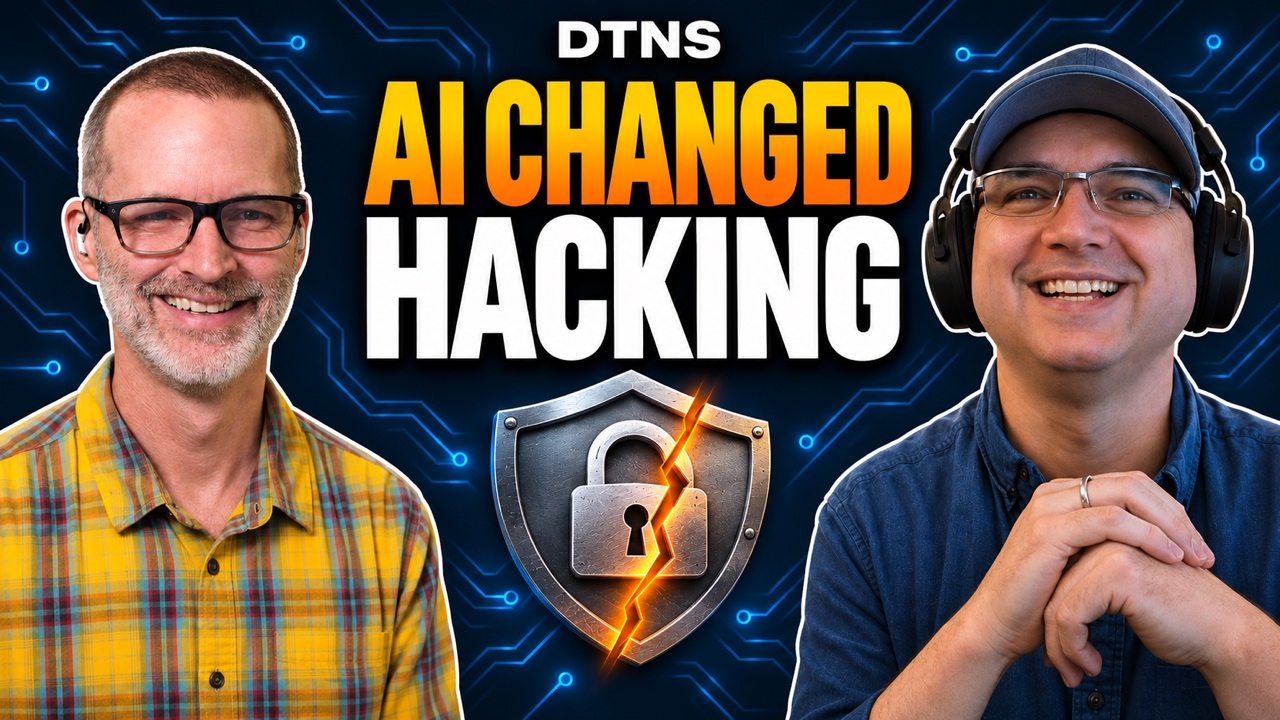
Mubix from Hak5 joins us to talk about what Artex is and why it's empowering malicious actors, how tools are both helping and hurting security defenders, and a group of younger people avoiding anything to do with AI. Starring Tom Merritt and Rob Fuller. In this episode ARTEX and the attacker’s advantage. What is ARTEX, how does it speed up familiar attacks, and how long might that advantage last? AI in threat hunting. Where do generative AI tools help defenders spot and investigate threats, and where do they make the job harder? Opting out of AI. Why are some younger people choosing not to use AI tools, and what could that mean for the next generation of security professionals? Further reading Offsec Harness Index (https://offsecharnesses.ai/) GitHub - BaaRai/ARTEX: Actively maintained ARTEX: AI autonomous penetration testing system. Self-hosted, model-agnostic, evidence-backed findings. Community continuation of Autumn-27/ARTEX, AGPL-3.0. (https://github.com/BaaRai/ARTEX) Microsoft Th
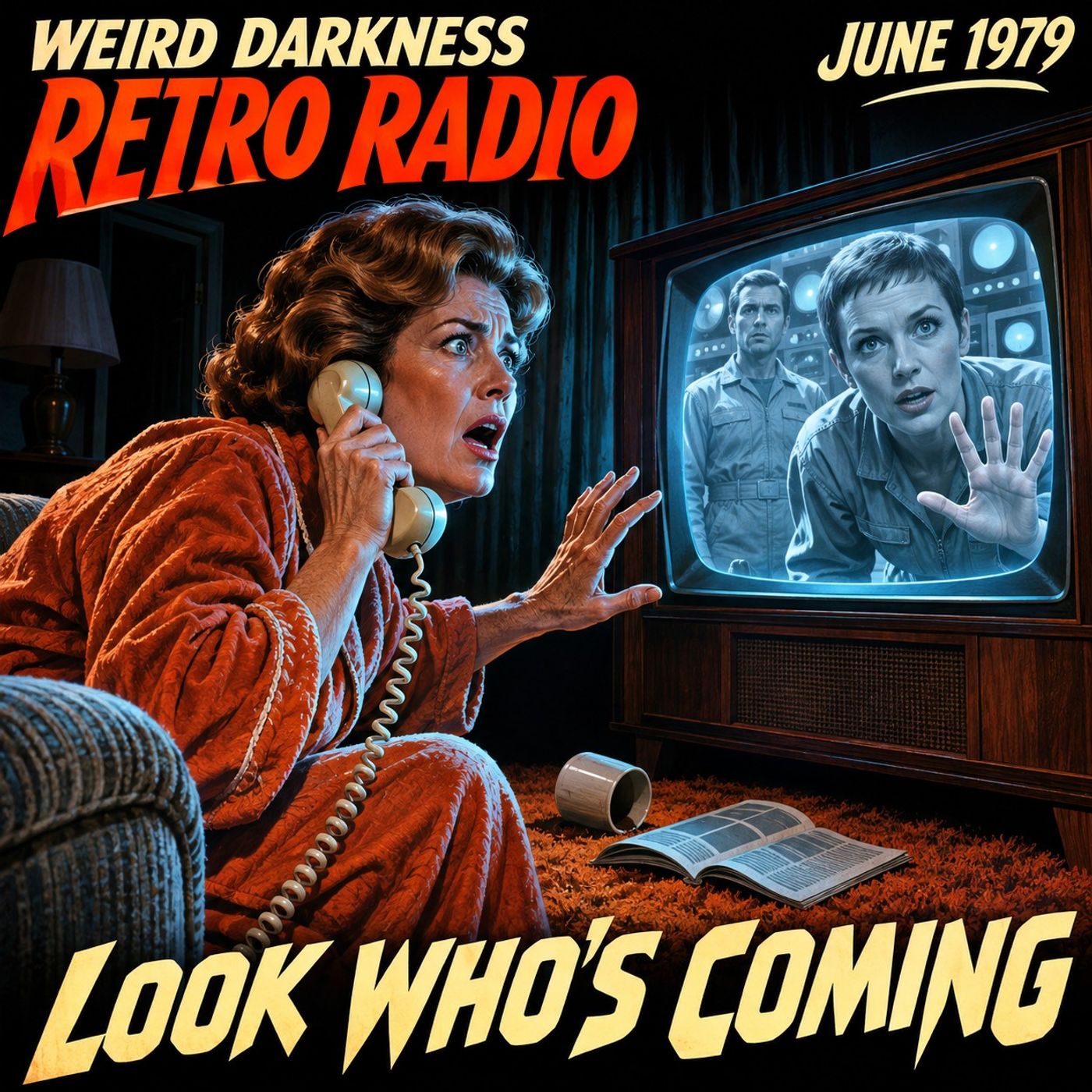
Harry and Flo Betts have been married twenty-three years and have argued for most of them, lately over television: he can't get enough science fiction, she can't get enough of her soap operas, and each is sure the other has started to believe what's on the screen. Then one Friday afternoon, with her friend Grace called away to a crisis at the school, Flo sits down alone for the big episode of Five In The Family and gets, instead, two figures in gray in a room full of instruments, one of them saying into the camera that Earth must be warned before it's too late. The station says nothing went wrong, Grace never sees it, her husband's psychiatrist friend starts asking about her marriage, and the two strangers return again and again, only ever when Flo is watching by herself. CHAPTERS & TIME STAMPS (All Times Approximate)… 00:00:00.000 = Show Open 00:01:30.028 = CBS Radio Mystery Theater, “Look Who’s Coming” (June 11, 1979) ***WD 00:48:21.405 = Lights Out, “The Signalman” (August 24, 1946)
President Trump signed a new Social Security law—but what does it actually mean for YOUR monthly check? Former Social Security District Manager Dr. Ed Weir explains what was signed, what changes, and what it means for you. Need Medicare help? Contact our friends at Chapter Medicare for FREE HELP! 352-841-0632 The Claiming Age Clarity Act (H.R. 5284), signed on November 20, 2026, changes the terminology Social Security uses to explain retirement claiming ages. The law itself does not increase or cut your benefits or change the ages when you can claim retirement benefits. But the new wording deserves a closer look—especially if you’re deciding when to start your checks. In this video, we’ll cover: What President Trump signed into law. What happens to familiar terms like “full retirement age” and “delayed retirement credits.” Why these words matter when comparing your claiming options. What current beneficiaries and people planning retirement in 2027 should understand. Is this a “major” S
A prison relationship became a public romance. A murder case became a documentary franchise. And when Ken Urker died in Louisiana, the reporting quickly turned a collection of objects found by deputies into competing explanations about his final hours. There is a difference between what a record says and what people want it to mean. That difference sits at the center of this combined Hidden Killers episode. First, Tony Brueski revisits the planning behind Clauddine 'Dee Dee' Blanchard's murder in June 2015. Gypsy Rose Blanchard testified that she considered a number of possibilities with Nicholas Godejohn before they settled on a knife. Accounts of her attempt to get pregnant belonged to a separate plan to escape her mother's control. The killing went forward. Godejohn was convicted of first-degree murder and sentenced to life; Gypsy pleaded guilty to second-degree murder and received ten years, serving most of that sentence before her 2023 release. During incarceration, letters connec
Is unemployment in Britain rising or falling? The worrying answer is that we don't really know. The Office for National Statistics (ONS) is struggling to produce reliable employment figures, with fewer than four in ten people now responding to its Labour Force Survey. But what does this mean for government policy, interest rates and our understanding of the British economy? Michael Simmons speaks to Labour MP and former pollster Chris Curtis about why Britain's economic statistics have become so unreliable, whether the UK's youth unemployment crisis is as bad as we think and how flawed data has distorted our understanding of productivity. They also discuss whether Britain relies too heavily on evidence-based policymaking, why Chris wants to make participation in the Labour Force Survey compulsory and whether better use of government data could help fix the problem. Produced by Patrick Gibbons. Hosted on Acast.
For this week’s Edition, William Moore is joined by the Spectator’s economics editor Michael Simmons, writer-at-large Max Jeffery and the historian Alice Loxton. This week: are Britain’s universities becoming degree factories? William Finlator explains the extraordinary growth of franchised universities – institutions which can make huge profits while offering courses with poor academic outcomes and, in some cases, little of the traditional university experience at all. Michael asks what universities are actually for, while Alice warns that low-quality degrees risk devaluing the reputation of British higher education. Is a bad degree worse than no degree? Also: how did Bangladesh’s violent politics end up on the streets of east London? Max explains how Britain has become a major arena for the country’s political factions, following the fall of Sheikh Hasina, with rival groups clashing on the streets while exiled politicians lobby British MPs. Is Britain equipped to deal with foreign po
When does literary borrowing become outright theft? This week, the literary world has been rocked by allegations that one of Britain's best-loved novelists, Jilly Cooper, plagiarised passages in her 1978 novel Prudence. Sam Leith is joined by Kate Maltby, the journalist behind the Observer investigation, and novelist Philip Hensher, a passionate defender of Cooper. They discuss the distinction between plagiarism and literary influence, whether fiction should be held to the same standards as non-fiction, and whether our affection for a national treasure has clouded our judgement. Should the revelations change how we read Jilly Cooper? And, as AI makes it easier to uncover plagiarism, could there be more literary scandals to come? Produced by Abigail Brierley & Henry Lloyd Hosted on Acast.
Governments should provide plain-language explanations of major policies.
Share your view, then see how readers voted. No sign-in required. This poll is shared across stories.
Do you agree or disagree?
Common Quandary
A Common Quandary to discuss
Another conversation to explore, separate from this news story.
You can clone the best dog you ever had. Would you?
After a beloved dog dies, its owner can afford to have it cloned. The procedure is legal and improving, but it uses animals as surrogates and will not recreate the original dog's memories or personality.
What do our obligations to animals permit us to create for our own comfort?