While it is expected to be one of the most lucrative entertainment events in history, the release of “Grand Theft Auto VI” also represents an inflection point for the videogame industry, which is grappling with steep layoffs, a pivot to new business models and questions about the role AI could play in its future. Veteran videogame journalist Chris Plante joins host Pierre Bienaimé to discuss where the industry goes from here. Further Reading: Just How Big Is ‘Grand Theft Auto VI’? The Multibillion-Dollar Frenzy in Charts (https://www.wsj.com/business/media/just-how-big-is-grand-theft-auto-vi-the-multibillion-dollar-frenzy-in-charts-7c6a3893?mod=author_content_page_1_pos_1%3Fmod%3DWSJ_WNPOD) Rave Reviews for ‘Grand Theft Auto VI’ Lift Take-Two Interactive Stock (https://www.wsj.com/livecoverage/stock-market-today-dow-sp-500-nasdaq-11-18-2026/card/rave-reviews-for-grand-theft-auto-vi-lift-take-two-interactive-stock-b5IsI1rP0uIKg2UXA4Tr?mod=WSJ_WNPOD) Hosted by Simplecast, an AdsWizz comp
What actually works when it comes to detecting lies, and why are so many popular ideas about reading people and nonverbal behavior at odds with the scientific research? I talk with Aldert Vrij, one of the world's leading deception-detection researchers, who has spent almost four decades studying these topics. We discuss why what people say is far more revealing than their body language; why the perceived “sexiness” of reading nonverbal behavior has contributed to widespread myths and misconceptions; whether vocal behaviors like pitch, volume, and hesitation contain meaningful clues; and whether there's value in analyzing minor word choices and turns of phrase, as is done in so-called “statement analysis.” We discuss Paul Ekman's legacy as a source of faulty ideas about deception, micro-expression-based deception detection training, and the strategies that popular “body language experts” use to appear scientifically credible while simultaneously promoting ideas that conflict with the sc
In 1966, Australian novelist Elizabeth Harrower was on the brink of literary fame. Her fourth novel, The Watch Tower, was hailed as one of the year's best Australian books, alongside a novel by her friend Patrick White. White went on to win the Nobel Prize for Literature, but Harrower stopped writing altogether. For the next four decades, she disappeared from the literary world. Now, a new biography aims to unravel the mystery of one of Australia's most elusive writers. Guest: Susan Wyndham, author of Elizabeth Harrower: The Woman in the Watch Tower winner of the Mark and Evette Moran Nib Literary Award.
Three of our favorite segments from the week, in case you missed them. Schumer vs. Van Hollen (First) | Wild NYC: Trees (Starts at 45:05) | Are You Polite to AI Bots? (Starts at 59:51) If you don't subscribe to the Brian Lehrer Show on iTunes, you can do that here (https://itunes.apple.com/us/podcast/brian-lehrer-show-from-wnyc/id73331636?mt=2). Hosted by Simplecast, an AdsWizz company.
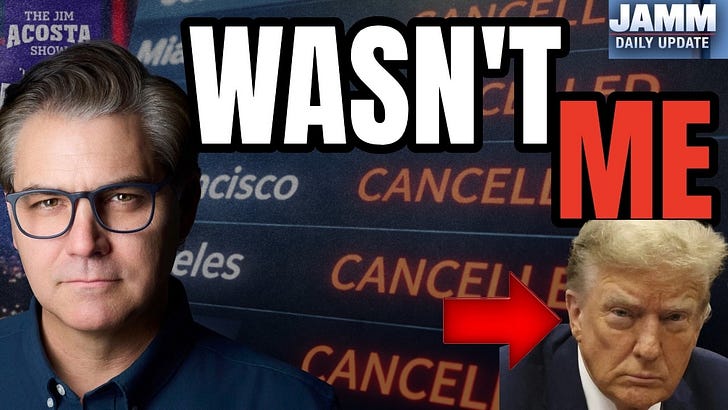
Trump palled around with dictators while we sweated out the tech crisis. Put some more Jim and JAMM in your search results. (https://www.google.com/preferences/source?cs=0&hl=en&q=nytimes.com) Add JimAcosta.com as a preferred source on Google› (https://www.google.com/preferences/source?cs=0&hl=en&q=JimAcosta.com) And don’t forget: The Jim Acosta Show is a reader-supported publication. To receive new posts and support my work, consider becoming a free or paid subscriber. Things moved fast this week, so don’t feel bad if you missed something — the Daily Update Digest has you covered! Monday: Trump Hid as Airports Froze Tuesday: America’s Systems Keep Crashing. Trump’s Overseas Wednesday: Democrats Hit 56 Senate Seats as Probes Loom Thursday: Trump Gets Giddy With Putin as the World Watches Friday: Trump Aides Seized Reporters’ Phones on China Trip Catch the Daily Update every morning. The Jim Acosta Show is a reader-supported publication. To receive new posts and support my work, conside
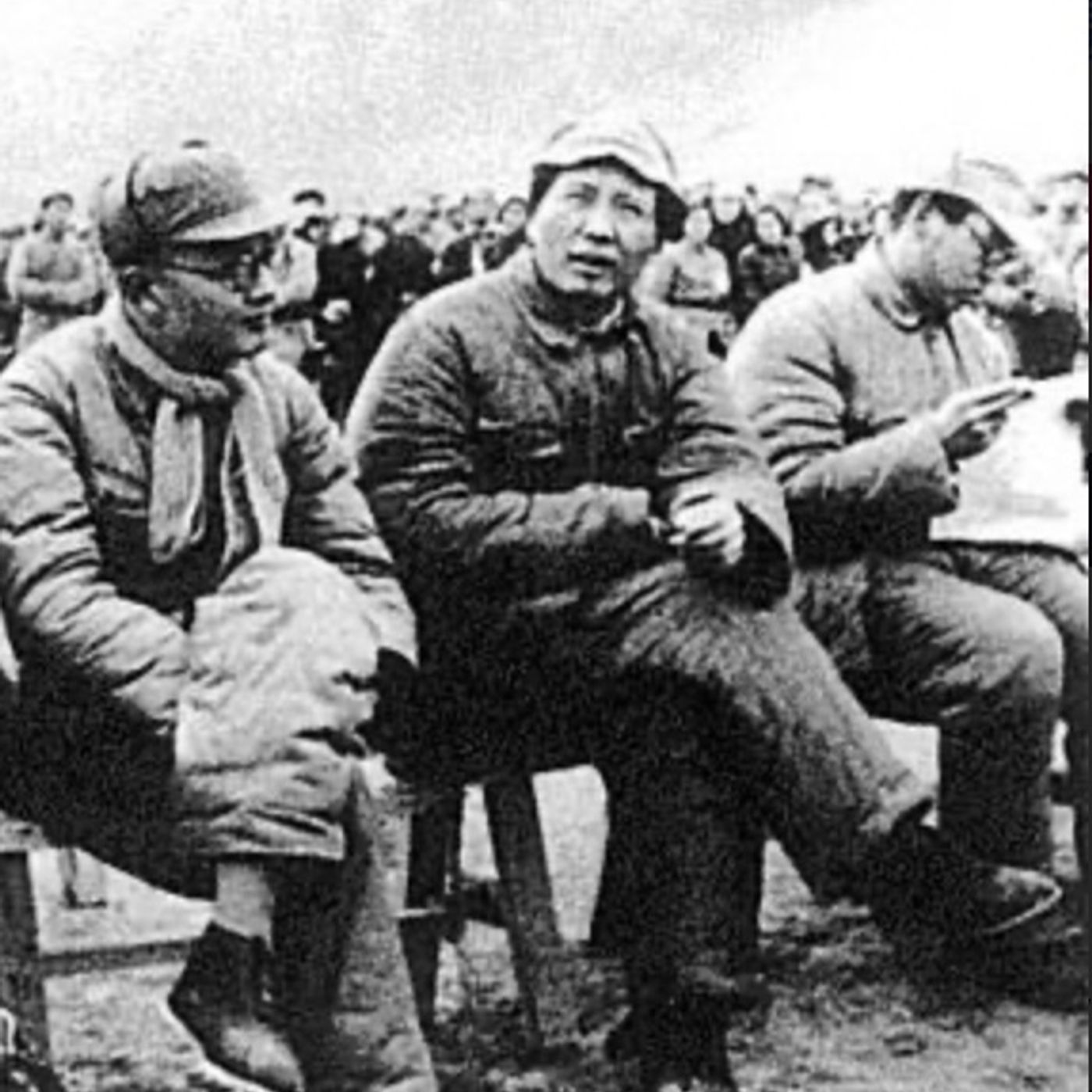
1930S MA0 The Ordeals of Peasant-Born Composer Wang Xilin and the Pain of Traumatic Memories — Part One Tania Branigan, author of Red Memory: The Afterlives of China’s Cultural Revolution, chronicles peasant-born composer Wang Xilin, whose early devotion to the Party gave way to severe persecution and brutal public struggle sessions. Though his career was ruined and his work suppressed for decades, his enduring anger underscores how hard it is for victims to share traumatic memories. (4)
Anthropic (https://www.wsj.com/finance/stocks/what-to-know-about-anthropics-record-breaking-ipo-372a1fec?mod=hp_4stories_pos_1%3Fmod%3DWSJ_TNBPOD) made its public debut, with shares surging following the largest IPO in history. Journal reporter Kate Clark (https://www.wsj.com/news/author/kate-clark?mod=WSJ_TNBPOD) breaks down what the listing means for Anthropic, its rival OpenAI, and the broader AI ecosystem. Julie Chang hosts. Hosted by Simplecast, an AdsWizz company.
During high-volume events like the Super Bowl, quick-service restaurant brands like Wingstop (https://www.wsj.com/business/wingstop-aws-digital-ordering-8e4567d1?mod=author_content_page_1_pos_1%3Fmod%3DWSJ_TNBPOD) rely on Amazon Web Services to get customers their orders. Journal reporter Isabella Simonetti (https://www.wsj.com/news/author/isabella-simonetti?mod=WSJ_TNBPOD) sits down with Danny Lewis to explain how Amazon’s cloud unit is making consulting a big part of its business, and how it’s helping the e-commerce giant catch up in the AI race. Julie Chang hosts. Hosted by Simplecast, an AdsWizz company.
The latest wearables from Apple and Amazon have one feature in common: they can listen to your conversations and pull insights from them later using AI. WSJ personal tech columnist Nicole Nguyen (https://www.wsj.com/news/author/nicole-nguyen?mod=WSJ_TNBPOD) tells us what these devices are good at (https://www.wsj.com/tech/personal-tech/apple-watch-amazon-bee-listening-wearables-9c26f1f5?mod=WSJ_TNBPOD)—and why you might not want to bring them to a birthday party. Danny Lewis hosts. Hosted by Simplecast, an AdsWizz company.
Leagues should limit financial advantages that make competition persistently unequal.
Share your view, then see how readers voted. No sign-in required. This poll is shared across stories.
Do you agree or disagree?
Common Quandary
A Common Quandary to discuss
Another conversation to explore, separate from this news story.
Your friend did the right thing for the wrong reason—and needs an alibi. Do you lie?
A friend skipped an important family obligation to help someone in crisis. They ask you to confirm a harmless false story because telling the truth would expose another person's private emergency and cause a lasting family rupture.
Can loyalty make participating in a lie the most caring choice?