English-language podcasts

TED-Ed

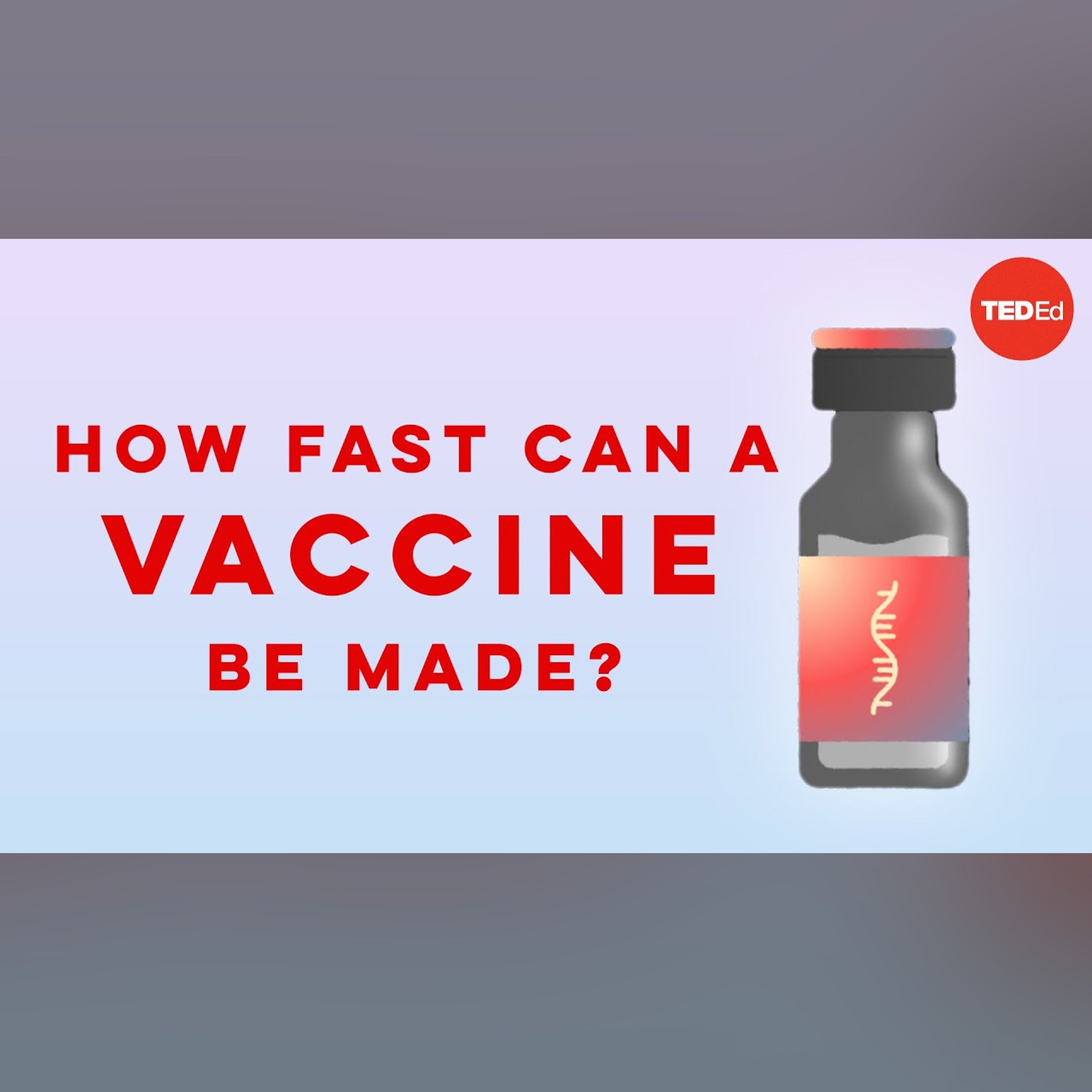
How fast can a vaccine be made? - Dan Kwartler
9 min

Listen through the publisher, then discuss the episode here or arrange an in-person Roundtable. Your city determines where to meet.

Roundtables are designed for groups of four, with a shared subject and room for everyone to speak. Come for discussion, with no dating expectation.

Dig into the three key phases of developing a new vaccine: exploratory research, clinical testing, and manufacturing. Uploaded 15-06-20 -- When a new pathogen emerges, our bodies and healthcare systems are left vulnerable. And when this pathogen causes the outbreak of a pandemic, there’s an urgent need for a vaccine to create widespread immunity with minimal loss of life. So how quickly can we develop vaccines when we need them most? Dan Kwartler describes the three phases of vaccine development. Lesson by Dan Kwartler, directed by Good Bad Habits. Animator's website: https://www.goodbadhabits.ca/ Sign up for our newsletter: http://bit.ly/TEDEdNewsletter Support us on Patreon: http://bit.ly/TEDEdPatreon Find us on Twitter: http://bit.ly/TEDEdTwitter Peep us on Instagram: http://bit.ly/TEDEdInstagram View full lesson: https://ed.ted.com/lessons/how-fast-can-a-vaccine-be-made-dan-kwartler Thank you so much to our patrons for your support! Without you this video would not be possible! Derek Drescher, Mihail Radu Pantilimon, Amin Shahril, Mohamed Elsayed, Barthélémy Michalon, Chumi Ogbonna, Karlee Finch, Mohammad Said, jj5252, Kelvin Lam, Mauricio Basso, Athena Grace Franco, Tirath Singh Pandher, Melvin Williams, Tsz Hin Edmund Chan, Nicolas Silva, Raymond Lee, Kurt Almendras, Denise A Pitts, Abdallah Absi, Dee Wei, Richard A Berkley, Tim Armstrong, Daniel Nester, Hashem Al, denison martins fernandes, Doug Henry, Arlene Spiegelman, Michał Friedrich, Joshua Wasniewski, Maryam Dadkhah, Kristiyan Bonev, Keven Webb, Mihai Sandu, Deepak Iyer, Javid Gozalov, Emilia Alvarado, Jaime Arriola, Mirzat Tulafu, Lewis Westbury, Felipe Hoff, Rebecca Reineke, Cyrus Garay, Victoria Veretilo, Michael Aquilina, William Biersdorf, Patricia Alves Panagides, Valeria Sloan Vasquez, Mike Azarkman and Yvette Mocete.

Episode information is provided by the publisher. Listening takes place on the publisher’s service.

Listen at the source ↗

Featured places to meet in Palo Alto, CA

Explore these places and arrange a conversation through ThinkMatch.

City guide for Palo Alto, CA

More from TED-Ed

TED-Ed

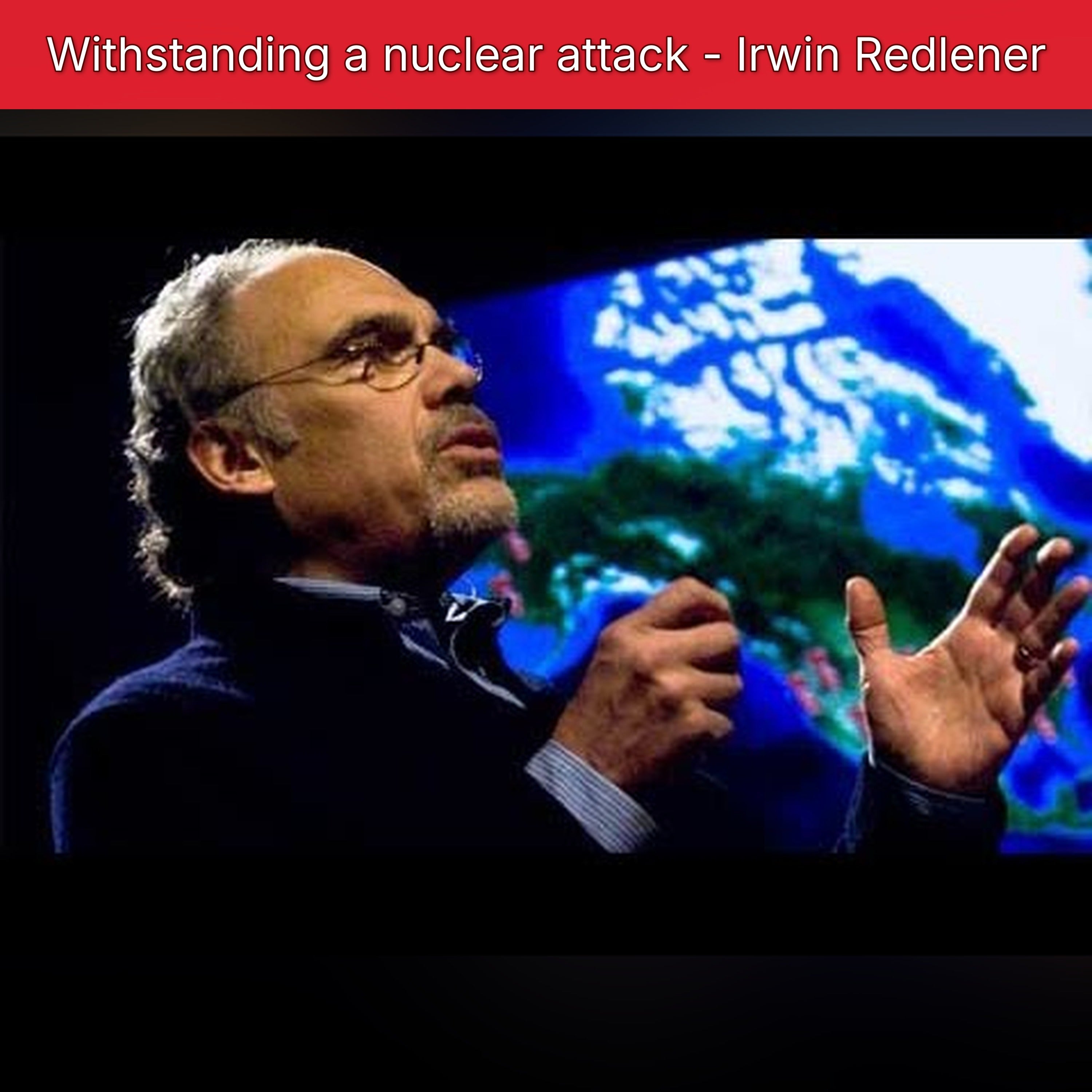
Withstanding a nuclear attack - Irwin Redlener

33 min

View full lesson: http://ed.ted.com/lessons/surviving-a-nuclear-attack-irwin-redlener The face of nuclear terror has changed since the Cold War, but disaster-medicine expert Irwin Redlener reminds us the threat is still real. He looks at some of history's farcical countermeasures and offers practical advice on how to survive an attack. Talk by Irwin Redlener.

Discuss this episode

TED-Ed

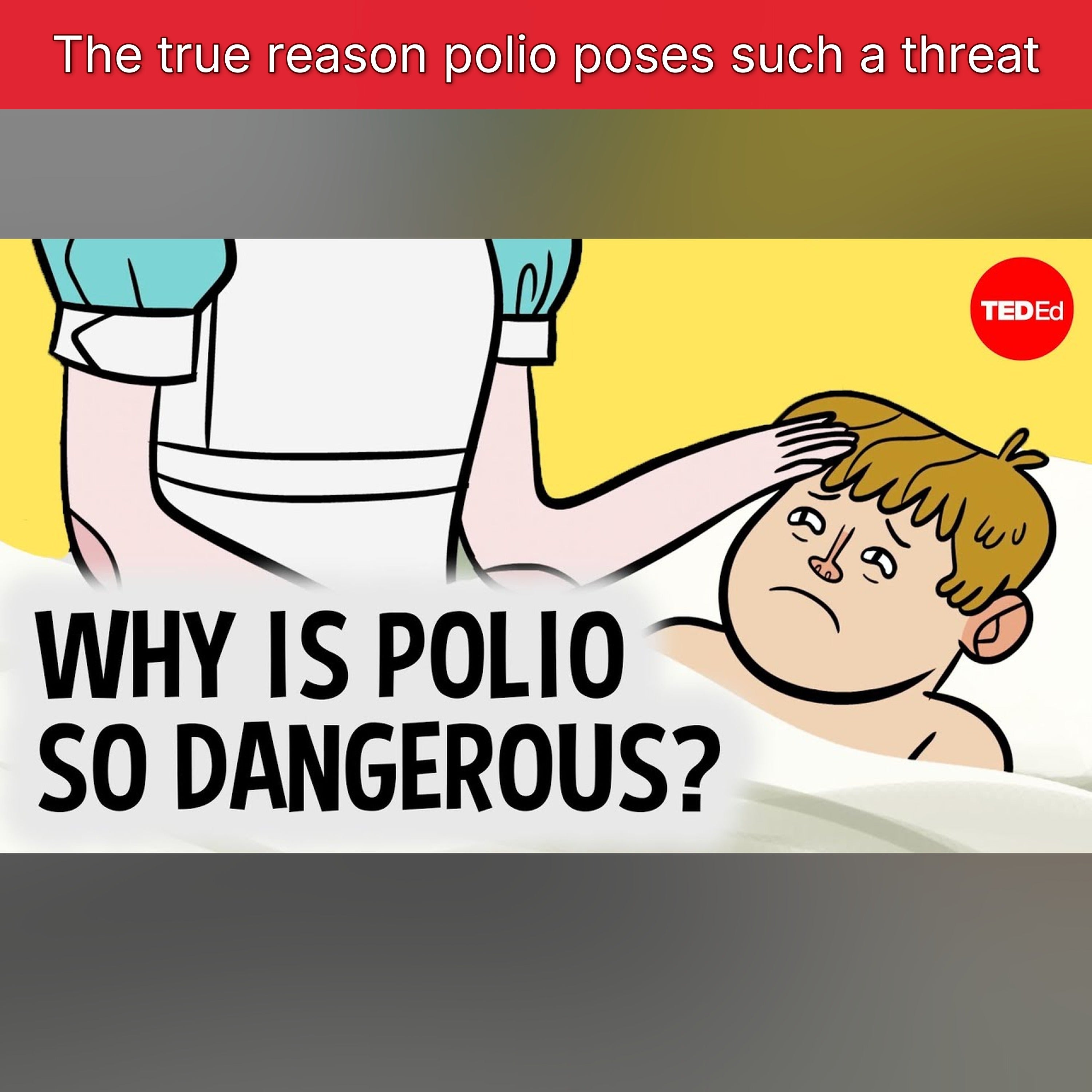
The true reason polio poses such a threat

10 min

Explore what makes polio so dangerous, what is causing the 21st century resurgence of cases, and how we can eradicate the disease. -- In 1952, polio was everywhere: killing or paralyzing roughly half a million people annually. Yet just 10 years later, paralytic polio cases in the US dropped by 96% and we were on track to get rid of polio for good. But in recent years, the virus started striking back. So, what’s behind these recent spikes? Explore the dangers of poliovirus and the possibility of eradicating this deadly disease. Directed by Anton Bogaty. This video made possible in collaboration with Gates Ventures Learn more about how TED-Ed partnerships work: https://bit.ly/TEDEdPartner A special thanks to Ananda Bandyopadhyay, Amber Zeddies, and Kathleen O'Reilly who provided information and insights for the development of this video. Support Our Non-Profit Mission ---------------------------------------------- Support us on Patreon: http://bit.ly/TEDEdPatreon Check out our merch: htt

Discuss this episode

TED-Ed

How to fool a GPS - Todd Humphreys

21 min

Todd Humphreys forecasts the near-future of geolocation when millimeter-accurate GPS "dots" will enable you to find pin-point locations, index-search your physical possessions ... or to track people without their knowledge. And the response to the sinister side of this technology may have unintended consequences of its own. (Filmed at TEDxAustin.) Uploaded 26-06-13 Talk by Todd Humphreys.

Discuss this episode

Community Poll

A club's identity belongs partly to its community, not solely to its owners.

Share your view, then see how readers voted. No sign-in required. This poll is shared across stories.

Do you agree or disagree?

Choose one answer

Common Quandary

A Common Quandary to discuss

Another conversation to explore, separate from this news story.

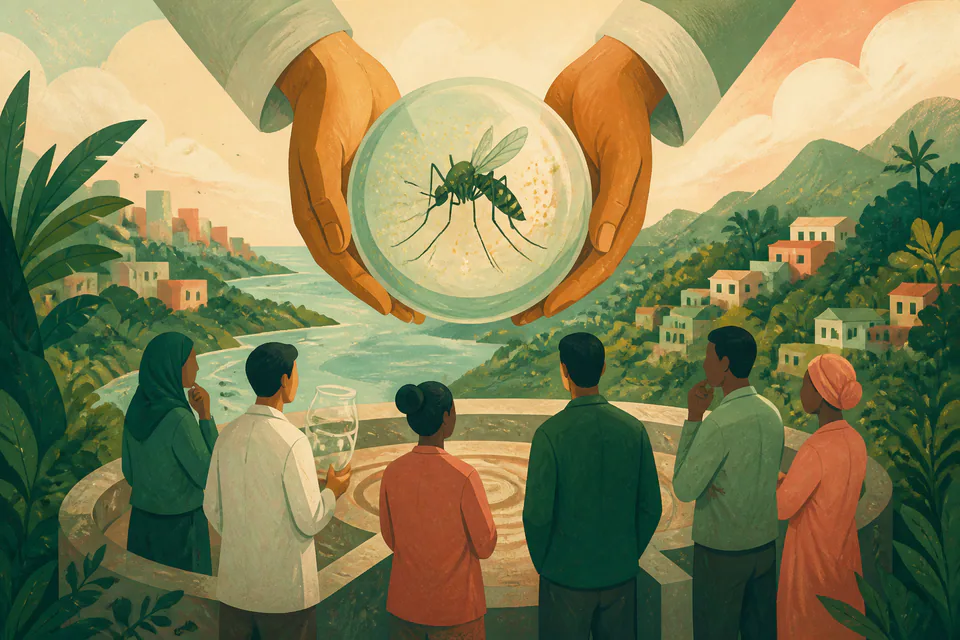
Scientists can edit mosquitoes until a deadly disease disappears. Who gets to say yes?

Scientists can potentially release modified mosquitoes whose genes would spread through wild populations and sharply reduce a deadly disease. The ecological effects could cross borders and may be impossible to reverse.

Who may authorize an irreversible change intended to save lives?

Explore this quandary