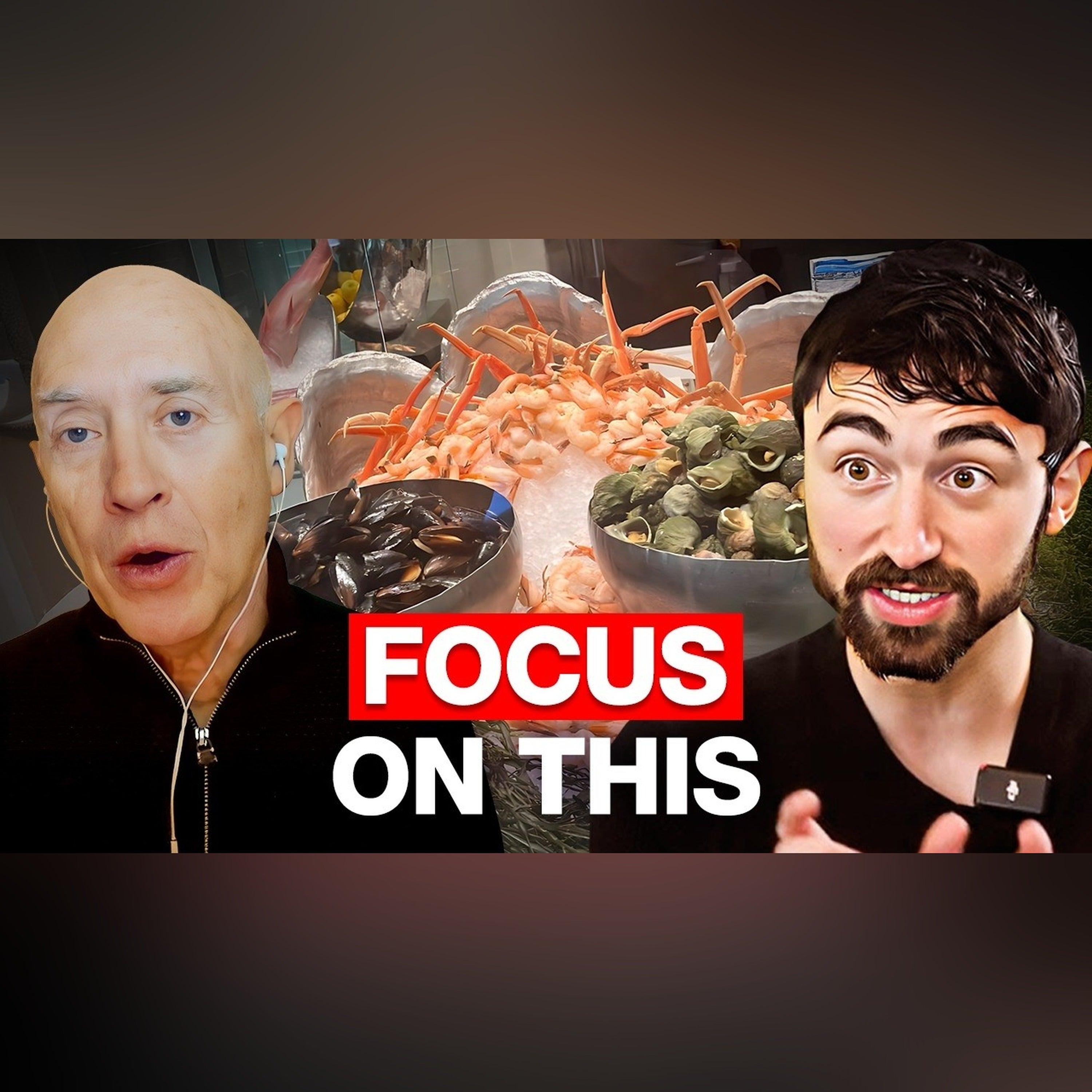
How Much Protein Do You Actually Need? (Most People Are Getting This Wrong)
47 min
Listen through the publisher, then discuss the episode here or arrange an in-person Roundtable. Your city determines where to meet.
Roundtables are designed for groups of four, with a shared subject and room for everyone to speak. Come for discussion, with no dating expectation.
Protein is everywhere right now. From protein-packed snacks to powders and shakes, we're constantly being told to eat more of it. But how much do you actually need? And is more always better? Tooday we are going to cut through the protein hype and break down what really matters for building muscle, supporting your metabolism, and staying strong as you age. Here's what we discuss in today's episode: How much protein you actually need based on your age, weight, and activity level Why protein becomes even more important for maintaining muscle as you age How protein timing and distribution throughout the day affect muscle growth The differences between animal and plant proteins and why protein quality matters The truth about protein powders, bars, and high-protein processed foods Common protein myths, including concerns about kidney health and eating too much protein Getting enough protein isn't just about building bigger muscles. It's about maintaining your strength, protecting your metabolic health, and staying independent as you age. The key is understanding how much your body needs, choosing quality protein sources, and pairing good nutrition with strength training. Resources Mentioned: Dr. Gabrielle Lyon's episode on muscle and protein (https://drhyman.com/blogs/content/podcast-ep1107?srsltid=AYCX9vL2DNcNTCOmXCEUBJyB6zSUb9boaF9ltp9h5aAzdig65rZAmLxp) Check out my books HERE (https://drhyman.com/collections/marks-books?srsltid=AYCX9vL0b4z9v-gotinemuDSQ_LW1A11-syenTtU5EUrZDibW1UFbp4F) Visit functionhealth.com (https://www.functionhealth.com/) for 160+ lab tests at just $365 a year. Have a question you’d love answered on Office Hours? Submit it here (https://docs.google.com/forms/d/e/1FAIpQLSdNF2y4lFWEOMLlzVNlFDpJ4xl7oOpH9NlImMoHr5mHggL_Ww/viewform).
Episode information is provided by the publisher. Listening takes place on the publisher’s service.
If you're training hard but feeling wiped, eating a restricted diet for your gut, or just never hungry after a tough workout, you might not be getting the protein you need. This episode breaks down how much you really need and how to get it without upsetting your gut. YOU'LL TAKEAWAY: Macronutrients and calories 101, and how restrictive diets throw off your balance How your body digests protein, and why it matters before workouts The many roles of protein, from enzymes and iron storage to post-workout appetite How much protein you need, plus 3 easy low FODMAP ways to boost it — RESOURCES & LINKS MENTIONED: ⤵️ Want high touch coaching support for IBS & fuelling performance? Apply for coaching. (http://gutfitnutrition.com/apply) Free Training: How to Control IBS So You Can Fuel Your Training Without a Lifelong Low FODMAP Diet (https://gutfitnutrition.com/heal-ibs-training-live) Supporting your immune system when you're sick (Ep. 70) (https://open.spotify.com/episode/5bCto0jWLcbC5hQW4hrH6
I Ate 1000 Sardines in a Month, Video: https://youtu.be/_Th54GWd8WY How Sardines Supercharged my Metabolism, Letter: https://staycuriousmetabolism.substack.com/p/the-weird-anti-insulin-hormone-that?r=40ekz2 Omega-6/3 Ratio Can Be Misleading, Letter: https://staycuriousmetabolism.substack.com/p/how-we-got-omega-fat-wrong-this-will?r=40ekz2 Best Omega-3 for the Brain, Letter: https://staycuriousmetabolism.substack.com/p/why-omega-3-supplements-dont-work?r=40ekz2 If you want to get your Omega-3 via Omega Quant, click on this link: https://omegaquant.com/ref/864 Fatty Acid Research Institute: https://www.faresinst.org (https://www.faresinst.org/) Description: In this conversation, I sit down with Professor William Harris, one of the world’s leading experts on omega-3 and omega-6 fatty acids, to cut through confusion around fish oil, seed oils, cardiovascular health, and brain health. We break down what omega-3 and omega-6 fats actually are, why their chemistry matters, and how they’re conv
Welcome to another insightful episode of the Lisa podcast! Today’s episode features an inspiring conversation with Stephanie McKibban, an experienced coach who brings a wealth of practical wisdom from both her personal journey and ten-plus years of coaching. Together, Stephanie and Lisa dive deep into breaking the myths around maintenance nutrition, the realities of body changes with age, and why sustainable habits are more important than ever—especially for women navigating life transitions like menopause. Tune in for real talk on overcoming perfectionism, the underestimated power of maintaining (instead of just dieting), actionable meal-prep hacks, and building resilience, both in and out of the gym. This episode is a must-listen for every woman striving for a healthy, balanced life that feels as good as it looks. Timestamp Overview: 00:00 – Introduction & Stephanie’s Backstory 00:52 – Transition from Corporate to Coaching & Personal Growth 02:00 – Changing Paths: From Health Insuran
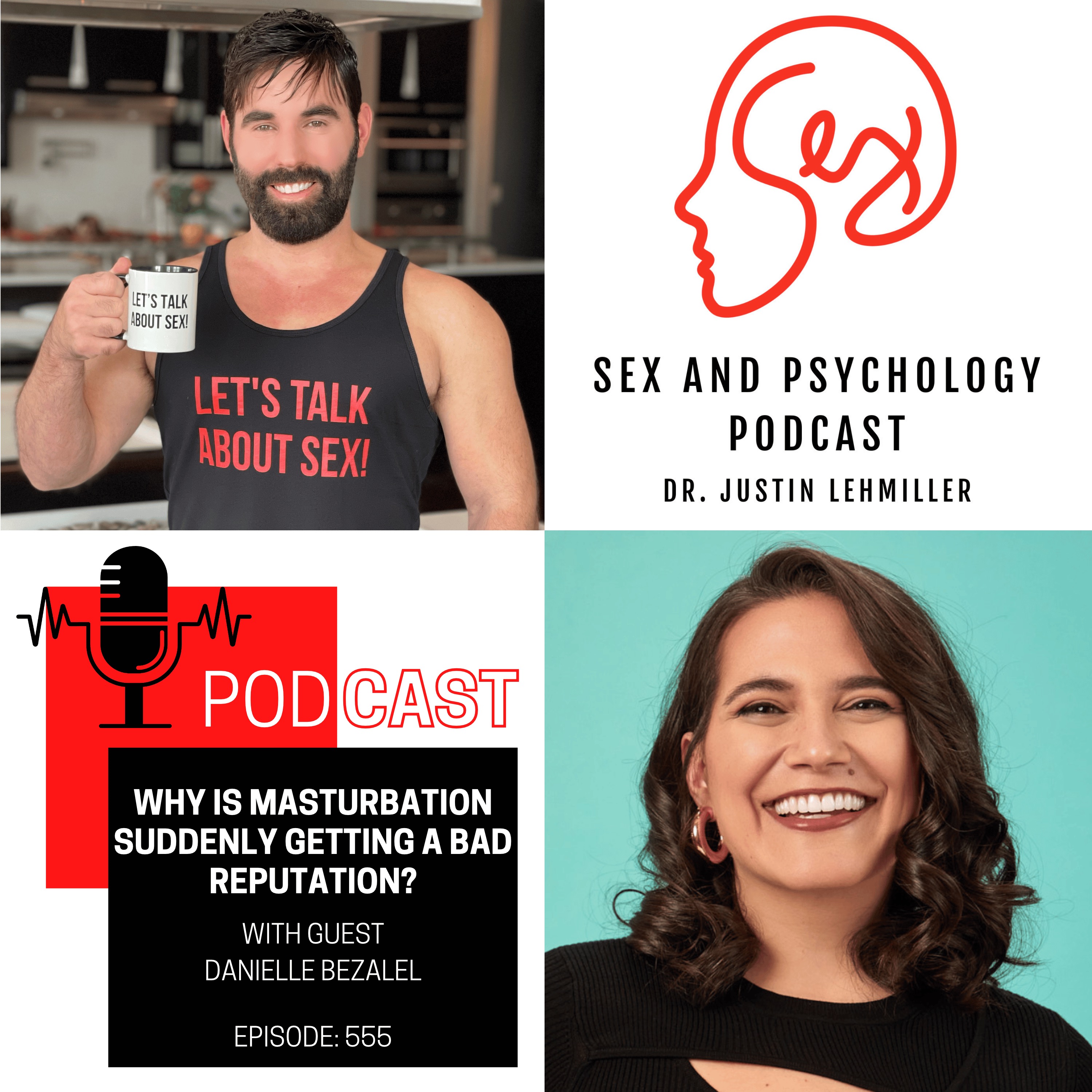
For centuries, people have been warned that masturbation could cause everything from hairy palms to blindness to insanity. Although these claims have been thoroughly debunked, anti-masturbation messages are making a comeback. But is there any science behind these claims? In this episode, we're going to separate fact from fiction when it comes to the supposed harms of masturbation and explore why so many people are convinced that something pleasurable might actually be bad for them. I am joined once again by Danielle Bezalel (https://www.sexedwithdb.com/), aka DB. Danielle earned a Master of Public Health with a focus on sexuality and reproductive health from Columbia University, and she is the Creator, Executive Producer, and Host of Sex Ed with DB (https://www.sexedwithdb.com/podcast). She is also the host of Pleasure People (https://pod.link/6819871177/episode/ZjcyZDA2ZGItMmYzMC00MzZlLWEwY2ItMDUwY2ZkMWJkYzAz), a new 6-part limited audio series exploring what happens when we treat ple
Happy Regular Guy Friday! We fooled them again and somehow made it through another week! This week, we're hauling furniture, dodging birthday cakes, revisiting old memories, and asking one very important question: Why can't we just make things fun? We talk birthdays and why sometimes a vanilla cake and a fork beat a celebrity-filled bash. We talk moving, downsizing, and how getting rid of years of accumulated stuff can make life feel a whole lot lighter. We talk anxiety, the need for control, and how music, laughter, and the right attitude can turn an overwhelming job into a good time. We revisit Blue Collar versus Blue Blood, old family stories, and why the memories we hold onto aren't always the whole story. We talk letting go of old resentments, appreciating the intentions behind difficult decisions, and helping our parents navigate life's later chapters with dignity and love. Plus, Hulk Hogan, Corey Feldman karaoke, Mercedes Moné's big moment with Team USA women's wrestling, and wh
Today, Mel is doing something she's never done before on The Mel Robbins Podcast. She's bringing members of her team into the studio for live coaching with world-renowned communications expert Vinh Giang. Vinh is known for teaching millions of people online how to stop sounding insecure, speak more clearly, and get people to listen when you talk. And when you hear him coaching today, it will be like he’s coaching you. One person freezes when they're put on the spot. Another can't stop interrupting people. Someone else has great ideas but stays quiet because they're afraid of being judged. Does any of that sound familiar? And Vinh isn't just giving advice. He's coaching real people through practical exercises, right there in the studio, so you can hear the difference and start making those same changes in your own life. As Mel says, put yourself in their shoes. As Vinh works with each person, you'll recognize things you struggle with, too. You'll learn: -What to do when your mind goes b
I’ve lived with back pain since a ruptured disc in my early thirties. More than thirty years later, I’m grateful to be feeling better than I have in decades. I’m excited to be talking with Rachel Zoffness, PhD, a pain psychologist and author of Tell Me Where It Hurts (https://www.zoffness.com/books/tmwihs). We explore how the body, brain, and environment work together to shape what we feel—and how understanding those connections can open up more ways to find relief. Here’s what we get into: Why your MRI may not tell the whole story about your pain How chronic pain can make your nervous system more sensitive over time What stress, mood, and attention have to do with turning your “pain dial” up or down How to identify your personal “pain recipe,” including sleep, movement, and connection What pacing looks like—and how it can help you gradually return to activities you love A big thing I’ve learned from my own recovery is how much it matters to get back to doing what you love. Part of tha
Email Copy: The conversation about ultra-processed food needs to include more than what it does to our weight. We also need to talk about how it may affect our memory, our mood, and the way our children’s brains develop. Because the consequences of what we eat can reach far beyond what we see on the scale. Today on The Dr. Hyman Show, I’m talking with Michael Goran, PhD, a professor of pediatrics and researcher who has spent more than 35 years studying how food shapes our health. We explore what the science tells us and where to start making changes. We discuss: How ultra-processed foods may be affecting your mood and memory, beyond their impact on weight What a study of children’s brain development could mean for the foods we feed our families Why cutting back on sugary drinks is one of the first changes to consider What to know before choosing stevia, monk fruit, or other sweeteners as healthier alternatives Simple ways to eat fewer ultra-processed foods without spending hours in the
What if one of the most overlooked keys to healthy aging is something you've barely heard of? Every cell in your body is surrounded by a membrane that helps regulate how it communicates, responds to hormones, and functions. But what happens when those membranes become damaged? Here's what we discuss in today's episode: Why your cell membranes may be one of the most overlooked pieces of your health How the fats you eat influence the way your cells function and communicate The connection between cell membrane health, insulin resistance, and metabolic health Why omega-3s are so important for your brain, mood, and healthy aging What's damaging your cell membranes and how to help protect them The blood test that can reveal whether you're getting enough omega-3s Simple dietary and lifestyle changes that can support healthier cells Your health starts at the cellular level, and the fats and nutrients you consume help provide the building blocks your cells need to function properly. Supporting
Employers should help workers retrain when their jobs disappear.
Share your view, then see how readers voted. No sign-in required. This poll is shared across stories.
Do you agree or disagree?
Common Quandary
A Common Quandary to discuss
Another conversation to explore, separate from this news story.
Your friend is forty minutes late. Can the restaurant give away their chair?
A busy restaurant seats your group only after everyone arrives. One friend is forty minutes late and keeps texting that they are almost there. A couple waiting nearby could use the empty place, and the server asks your group to order without them.
How long should one person's delay control everyone else's evening?