English-language podcasts

TED-Ed

How the world's first metro system was built - Christian Wolmar

7 min

Listen through the publisher, then discuss the episode here or arrange an in-person Roundtable. Your city determines where to meet.

Roundtables are designed for groups of four, with a shared subject and room for everyone to speak. Come for discussion, with no dating expectation.

Learn more about our student voice program, TED-Ed Clubs: http://bit.ly/2J5g4eS Uploaded 19-04-18 View full lesson: https://ed.ted.com/lessons/how-the-world-s-first-subway-system-was-built-christian-wolmar It was the dawn of 1863, and London's not-yet-opened subway system — the first of its kind in the world — had the city in an uproar. Most people thought the project, which cost more than 100 million dollars in today's money, would never work. So how did they do it? Christian Wolmar explains how the London Underground was built at a time when no one had built a railway under a city before. Lesson by Christian Wolmar, animation by TED-Ed. Thank you so much to our patrons for your support! Without you this video would not be possible! Kyanta Yap, Shawar Khan, Elizabeth Cruz, Rohan Gupta, Sarah Lundegaard, Michael Braun-Boghos, Yujing Jiang, Aubrie Groesbeck, Kathryn J Hammond, sammie goh, Delene McCoy, Mayank Kaul, Ruth Fang, Scott Gass, Mary Sawyer, Jason A Saslow, Joanne Luce, Rishi Pasham, Bruno Pinho, and Javier Aldavaz.

Episode information is provided by the publisher. Listening takes place on the publisher’s service.

Listen at the source ↗

Featured places to meet in Palo Alto, CA

Explore these places and arrange a conversation through ThinkMatch.

City guide for Palo Alto, CA

More from TED-Ed

TED-Ed

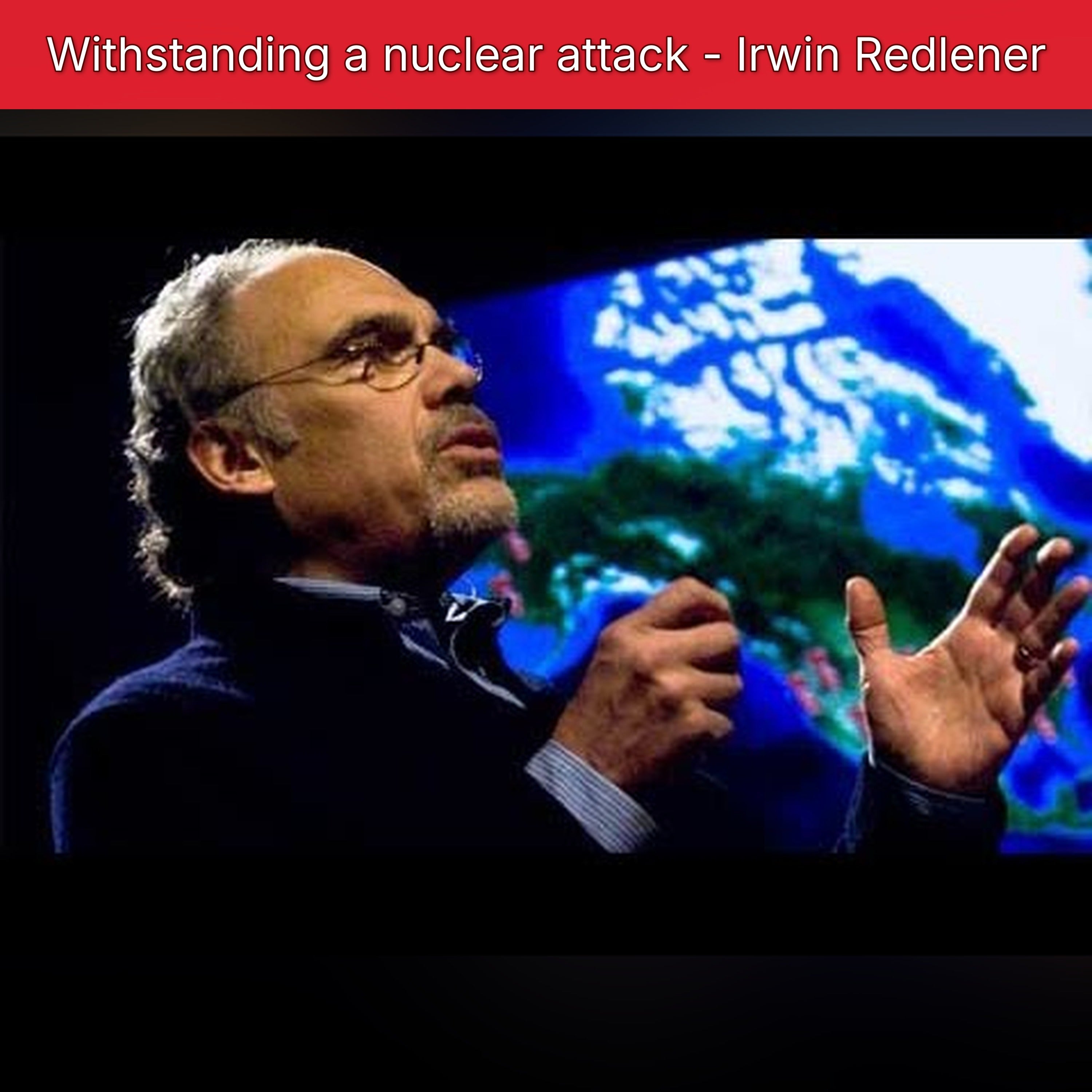
Withstanding a nuclear attack - Irwin Redlener

33 min

View full lesson: http://ed.ted.com/lessons/surviving-a-nuclear-attack-irwin-redlener The face of nuclear terror has changed since the Cold War, but disaster-medicine expert Irwin Redlener reminds us the threat is still real. He looks at some of history's farcical countermeasures and offers practical advice on how to survive an attack. Talk by Irwin Redlener.

Discuss this episode

TED-Ed

The true reason polio poses such a threat

10 min

Explore what makes polio so dangerous, what is causing the 21st century resurgence of cases, and how we can eradicate the disease. -- In 1952, polio was everywhere: killing or paralyzing roughly half a million people annually. Yet just 10 years later, paralytic polio cases in the US dropped by 96% and we were on track to get rid of polio for good. But in recent years, the virus started striking back. So, what’s behind these recent spikes? Explore the dangers of poliovirus and the possibility of eradicating this deadly disease. Directed by Anton Bogaty. This video made possible in collaboration with Gates Ventures Learn more about how TED-Ed partnerships work: https://bit.ly/TEDEdPartner A special thanks to Ananda Bandyopadhyay, Amber Zeddies, and Kathleen O'Reilly who provided information and insights for the development of this video. Support Our Non-Profit Mission ---------------------------------------------- Support us on Patreon: http://bit.ly/TEDEdPatreon Check out our merch: htt

Discuss this episode

TED-Ed

How to fool a GPS - Todd Humphreys

21 min

Todd Humphreys forecasts the near-future of geolocation when millimeter-accurate GPS "dots" will enable you to find pin-point locations, index-search your physical possessions ... or to track people without their knowledge. And the response to the sinister side of this technology may have unintended consequences of its own. (Filmed at TEDxAustin.) Uploaded 26-06-13 Talk by Todd Humphreys.

Discuss this episode

Community Poll

People selling health products should provide evidence for their claimed benefits.

Share your view, then see how readers voted. No sign-in required. This poll is shared across stories.

Do you agree or disagree?

Choose one answer

Common Quandary

A Common Quandary to discuss

Another conversation to explore, separate from this news story.

Would you want a doctor to give you a fake pill if the lie might make you feel better?

A patient has persistent symptoms that have not responded to standard treatments. A harmless placebo may help, but its effect could weaken if the clinician fully explains that it contains no active medicine.

Can a beneficial deception respect the person it helps?

Explore this quandary