How to Think Like an Entrepreneur, With Multi-Billionare Tim Draper
34 min
Listen through the publisher, then discuss the episode here or arrange an in-person Roundtable. Your city determines where to meet.
Roundtables are designed for groups of four, with a shared subject and room for everyone to speak. Come for discussion, with no dating expectation.
What if school had it backwards? What if the goal was to be wrong, early and often, until something worked? Tim Draper has spent decades backing ideas that sounded absurd: private rockets, electric cars, free email. Luck might just be a different relationship with failure. He set up Draper University, where mistakes are the curriculum, not the penalty. Draper looks for founders who want a big pond, who obsess over customers, and who refuse to confuse "unlikely" with "impossible". At it's heart, this is a conversation about the story we tell ourselves about risk. Most of us are trained to protect our record. Entrepreneurs protect their possibility. The shift is small, and it changes what you're willing to start, who you're willing to ask, and how long you're willing to wait. Replace "be right" with "learn fast" as your goal. Ask for something where no is the likely answer. Start before it looks reasonable. Listen, then start the thing that looks unreasonable. SPONSORS ️ Base44 (https://base44.com/psychology) Uncommon Goods (https://www.uncommongoods.com/psychology) Extraordinary Gifts for Everyone on your list Unique idea that have people ask "Where did you find this" Alex Honnold interviews people reshaping what's possible Part of the Rolex Perpetual Plant Initiative Found on all major podcast players: Spotify - https://open.spotify.com/show/1Fj3eFjEoAEKF5lWQxPJyT YouTube - https://www.youtube.com/@HowToChangeTheWorldPodcast UPGRADE to Premium (https://bit.ly/GrowthMindsetPremium): ️ Ad-free listening Exclusive AMAs and bonus content Growth Mindset Psychology: Watch - YouTube (Growth Mindset) (https://bit.ly/GrowthMindsetYT) Website - Growth Mindset (https://bit.ly/GrowthMindsetSite) Email - GrowthMindsetPodcast (@) gmail.com Chapters 00:00 Meet Tim Draper 02:32 The Apple Stand and Socialism 06:41 Getting Everyday People to Invest 08:41 What Tim Looks for in Entrepreneurs 12:41 Living in the Future, Not the Present 15:05 The Future of Governance 17:02 How Freedom Works 22:06 Starting Over and Virtual Government 25:58 Embracing Failure with Draper University 28:30 Send Off and Final Thoughts Topics Why failure builds a growth mindset How Tim Draper chooses which founders to back Thinking ten years ahead like a venture investor Why incentives shape motivation, work, and behaviour Lessons from Tim's first childhood business selling apples Why "impossible" is a limiting belief for entrepreneurs How Draper University teaches risk-taking and resilience Why seeking rejection helps you take bigger risks Investing in startups early without being a millionaire How virtual governance could change where we live
Episode information is provided by the publisher. Listening takes place on the publisher’s service.
Twenty years. Multiple miscarriages. Seven rounds of IVF. A rare genetic disorder. A global pandemic. And then a miracle. In this deeply personal and moving conversation on The Unplanned Podcast, Sage and Tony Robbins open up about one of the most tender chapters of their life together, the long, humbling, and ultimately beautiful journey to becoming parents. Uploaded 08-04-26 Sage shares what it was like to carry the longing to be a mother across two decades, what changed when she finally surrendered that longing, and how, through an extraordinary act of love from a dear friend, their daughter arrived in the most unexpected and perfect way. Tony reflects on what it means to become a father again at 60+, why wisdom makes you a better parent, and the unique family they've built with three legal parents, all deeply devoted to their little girl. In this conversation: - Sage's 20-year journey through miscarriage, IVF, and a rare genetic disorder - How surrendering the dream opened the door
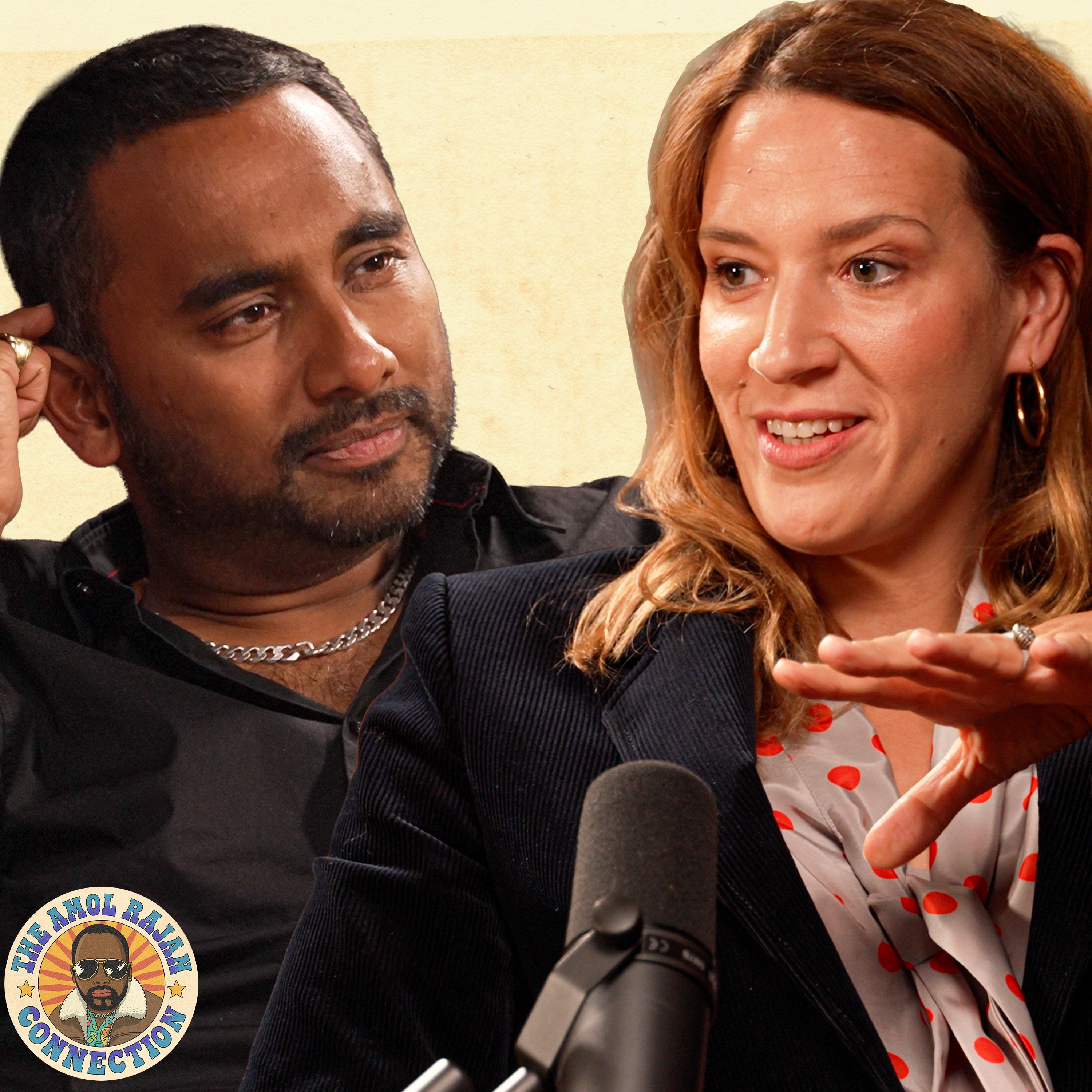
What happens when you’ve got the degree and the job, yet the only friends getting onto the property ladder are the ones whose parents can help them buy? Amol Rajan is joined by historian Dr Eliza Filby, author of Inheritocracy, for a deep dive into the social and economic forces shaping our future. Together, they explore how the 3Ps—pay, property, and pensions—have changed dramatically over recent decades; and look at the urgent need to control and shape our future, and rebuild society, in a fast changing world. Please click and follow the Amol Rajan Connection (it’s free). Thank you - it means a lot. NEWSLETTER: If you would like the free newsletter, this is the link to sign up or join our club here. ON TOUR: Need a Christmas present? Amol is on tour in 2027 with the Amol Rajan Connection. Details here. Books mentioned by Amol and Eliza: The Inheritocracy by Dr Eliza Filby God and Mrs Thatcher: The Battle for Britain’s Soul - by Dr Eliza Filby HillBilly Elegy - JD Vance Chapters: 00:0
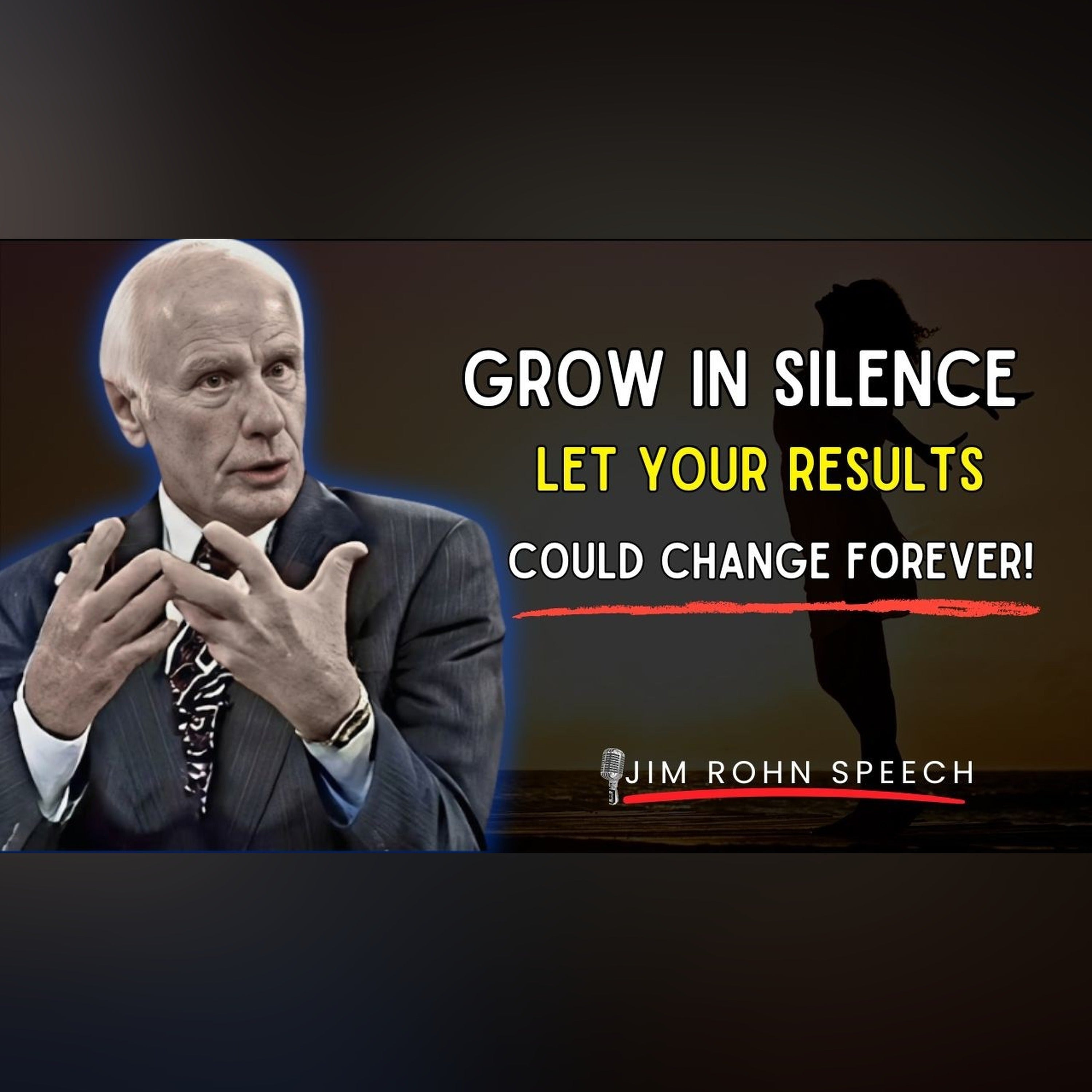
#JimRohn,#Motivation,#SuccessMindset,#SelfDiscipline,#personalgrowth What if the biggest transformation of your life started quietly? What if success didn’t come from talking more… but from working harder in silence? In this powerful 35-minute motivational speech inspired by the timeless wisdom and philosophy of Jim Rohn, you’ll discover the 7 silent habits that can completely transform your mindset, discipline, confidence, and future. If you feel stuck, distracted, unmotivated, or tired of average living, this speech will challenge you to think deeper, act stronger, and become the person you were born to be. Learn why discipline matters more than motivation, why silent growth is powerful, and how ordinary people create extraordinary lives through consistency, self-belief, sacrifice, and personal responsibility. This is more than motivation — this is a wake-up call. Uploaded 29-05-26 WHY SHOULD YOU WATCH THIS VIDEO? If you struggle with procrastination, self-doubt, inconsistency, fear
Head to https://brilliant.org/Spacetime/ to start learning for free for 30 days. To progress to the next level in understanding reality, we need to combine quantum mechanics and Einstein’s general relativity. And to do that, most physicists believe we need a theory of quantum gravity .. which means we need gravitons. But it also seems like the laws of physics make it impossible to ever detect this quantum particle of gravity. Almost like the universe is set up to keep the final answer forever out of our reach. So, can we outsmart the universe, catch a graviton, and finally solve physics? Sign Up on Patreon to get access to the Space Time Discord! Check out the Space Time Merch Store Sign up for the mailing list to get episode notifications and hear special announcements! Search the Entire Space Time Library Here: https://search.pbsspacetime.com/ Hosted by Matt O'Dowd Written by Richard Dyer & Matt O'Dowd Post Production by Leonardo Scholzer Directed by Andrew Kornhaber Associate Produc
Launch, Scale & Monetize Your Newsletter with Beehiiv! Start today by visiting www.beehiiv.com?via=fellow (https://www.beehiiv.com/?via=fellow) Run Your Agency on Autopilot – White Label CRM, Funnels, and Automations in One Platform for Success. Claim 2-week free trail now www.gohighlevel.com/protrial?fp_ref=fg (https://www.gohighlevel.com/protrial?fp_ref=fg) Mark Tilbury firmly believes that anyone who learns the skill sets of a millionaire can become a millionaire, ANYONE. Mark Tilbury left school at 16 with no qualifications and no money. Now he runs a multi-million dollar business & has grossed over 50 million. He has the house of his dreams and most importantly, the freedom to spend time with his family. Now Mark wants to help you become financially free as well. Follow the podcast and turn on notifications! Follow @MarkTilbury on Tiktok, YouTube, Twitter & IG Disclaimer: All content rights belong to Mark Tilbury. This Podcast is fan-made. No copyright infringement intended. -----
How to stop giving a F*CK what people think (for good) Episodes created by entrepreneur and masculinity ace Jack Hopkins for his youtube channel, this podcast is dedicated to helping men rediscover their inner strength and confidence in a society that often promotes feminine values over masculine ones.Follow the podcast for valuable insights, inspiring stories, and practical advice on how to embrace your masculinity, build your confidence, and achieve your goals. Whether you're looking to improve your relationships, advance your entrepreneurial career, or simply feel more confident and capable, Jack has valuable insights that can help you achieve your goals.So, if you're ready to reclaim your masculinity and awaken the beast that lives inside you, follow the podcast & turn on notis Follow Jack Hopkins:Insta: @jackhopfitnessYT: @JackhopkinsCEODisclaimer: All content rights belong to @JackhopkinsCEO on YouTube. This is a fan page.-------------------------- -----------------How to stop gi
Somewhere on a hillside twenty thousand years ago, a human watched a fire he wasn't invited to and concluded, quite reasonably, that he was doomed. His descendants now do the same thing from the sofa. Evolution, it turns out, built a brain for survival rather than contentment, and then handed it a smartphone. The result is a splendidly outdated alarm system that treats a missed brunch as a mammoth stampede. We now take 1.8 trillion photographs a year, almost none of them featuring the laundry, the delayed flights or the afternoon spent beside a toilet with food poisoning. Add dopamine, slot-machine notifications and a tulip bulb once priced like a townhouse, and you have a remarkably consistent human folly FOMO. The good news is that a brain this plastic can learn to enjoy the things that freak us out with a few small tweaks. Remember that every highlight reel has an unfilmed flight delay. Pick a few commitments and let the rest go unexplored. Swap one scroll for a gratitude note befor
A Simple Decision-Making Strategy for Building Reliable Habits and Consistent Action It's a curious fact that the people who seem most organised aren't cleverer than the rest of us. They simply refuse to decide and act at the same time. An athlete follows a three-month plan rather than consulting the fridge... The secret ingredient to do this yourself is to start building evidence: a history of actually doing what you said you would. Without it, planning is merely optimistic fiction. With it, your future self becomes a dependable colleague. Sam Webster explores how reliability, not talent, quietly builds skill, and why the psychology of habits rewards the modest and the consistent. Decide on one day, then execute on another. Treat follow-through as evidence your plans deserve trust. Start small: reliability builds skill, not the reverse. Listen in, and give your future self something pleasant to inherit. SPONSORS ️ Base44 (https://base44.com/psychology) Uncommon Goods (https://www.unco
Somewhere between your first pay rise and your third unnecessary gadget, your bank balance quietly gave up. Fear not: the human brain, is both the cause and the cure. Evolution built us to grab the biscuit now and worry about the famine later. That served us splendidly on the savannah and rather less so with credit cards charging 22% interest. This episode examines 14 financial habits, from lifestyle inflation and keeping up with the Joneses to the curious belief that tomorrow is a reliable place to start. There is good news, though. Habits are learned, so they can be unlearned, and the fixes are almost embarrassingly small. Even £5 a week beats waiting for perfect conditions, which, like the unicorn, have never been spotted. The maths is unkind, but the remedies are gentle. Automate savings before you can spend them. Check your credit card interest rate this week. Start with a small, imperfect amount today. Listen now, and find out which habits your inner caveman is running. SPONSORS
Residents should have a practical way to appeal decisions made by unelected public bodies.
Share your view, then see how readers voted. No sign-in required. This poll is shared across stories.
Do you agree or disagree?
Common Quandary
A Common Quandary to discuss
Another conversation to explore, separate from this news story.
Your friend asks for an honest review after every date. Do their dates deserve privacy?
A close friend sends detailed post-date reports and expects your advice about every message, kiss, and awkward silence. One recent date is someone you know professionally, who would be embarrassed to learn how much you have heard.
Where does friendship's need for advice become gossip about an unsuspecting person?