Listen through the publisher, then discuss the episode here or arrange an in-person Roundtable. Your city determines where to meet.
Roundtables are designed for groups of four, with a shared subject and room for everyone to speak. Come for discussion, with no dating expectation.
New York Gov. Kathy Hochul takes us behind the scenes of her Bills game bilat with Ontario Premier Doug Ford and Ambassador Mark Wiseman. Bill C-39 lands back in the House after an arduous journey through committee. Nick Taylor-Vaisey and Mickey Djuric look at how the major projects legislation is creating rifts in Conservative and Liberal caucuses. And Alberta Premier Danielle Smith faces opponents from every direction this weekend. Plus, 200 seconds with James Maloney.
Episode information is provided by the publisher. Listening takes place on the publisher’s service.
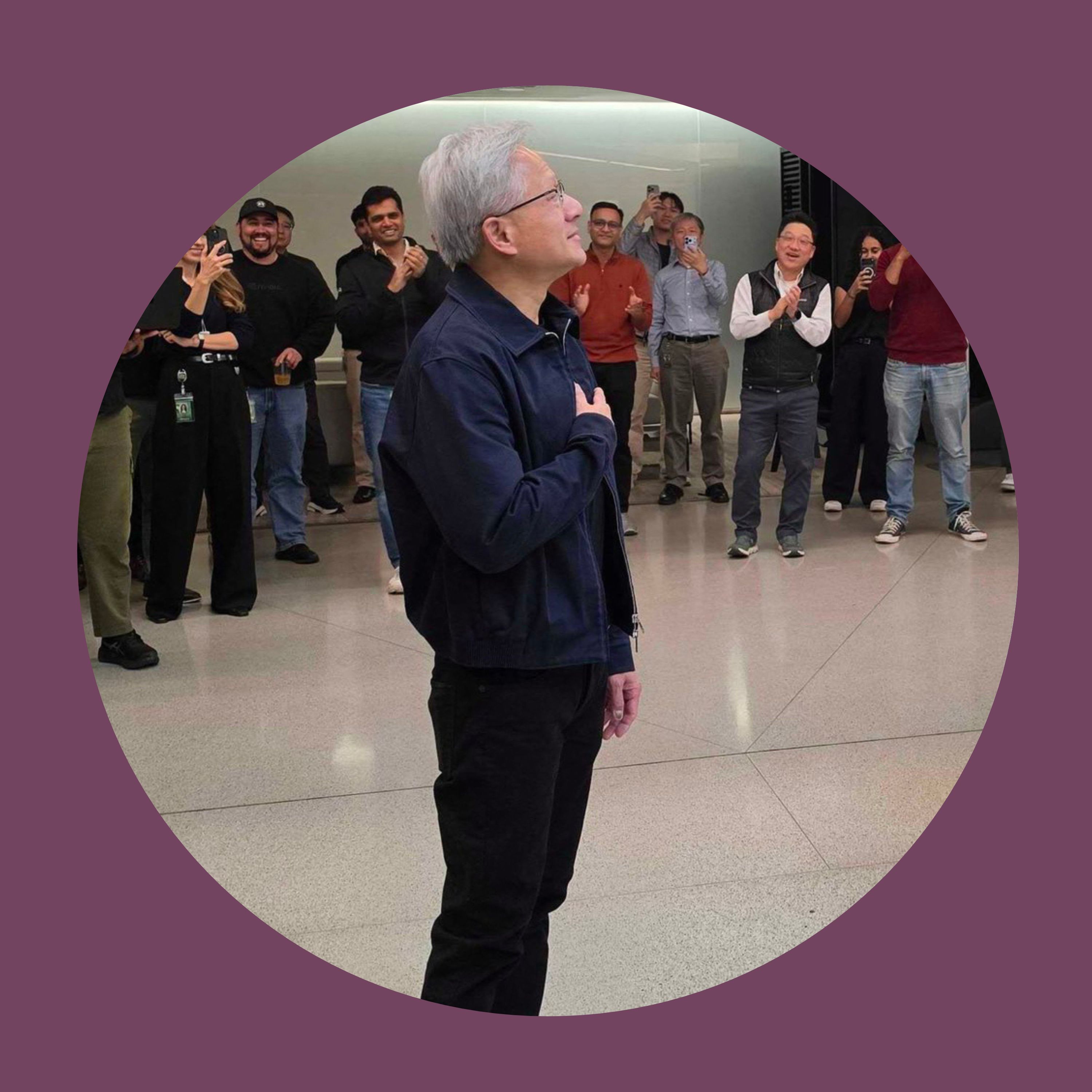
Michael Wolff and Joanna Coles imagine what Thanksgiving at Mar-a-Lago will look like as Donald Trump faces a growing list of potential investigations. They discuss Melania Trump’s frosty appearance at the White House turkey pardon, her business ventures and her unlikely role in Ukraine diplomacy. Michael predicts which high-profile figures could be next in line for a presidential pardon, including Sam Bankman-Fried, Elizabeth Holmes and Ghislaine Maxwell, and explains what it takes to get Trump’s attention. They also look at why Trump intervened to bring Jensen Huang back to Nvidia, what the AI boom means for the president’s economic fortunes and the mystery surrounding a $300 million donation for his Washington projects.
Steven Major, a partner at Bennett Jones and occasional actor, joins Alberta Edge to take us behind the scenes of Alberta's six-year legal battle over the Impact Assessment Act, better known as Bill C-69. With Ottawa opting to rewrite the legislation rather than return to court, Major reflects on the challenges of gathering testimonies from industry, the competing Indigenous perspectives on resource development, and the parallels between courtroom advocacy and live theatre. From assembling an 18,000-page evidentiary record to having his carefully prepared remarks interrupted within 20 seconds, to sharing a delightful dinner with opposing counsel, Major offers a rare glimpse into the human side of a high-stakes constitutional dispute. This podcast is generously supported by Don Archibald and Mac Van Wielingen. The Hub thanks them for their ongoing support. The Hub is Canada’s fastest-growing independent digital news outlet. https://tinyurl.com/3a7zpd7e (Apple) https://tinyurl.com/y8akmf
On this Thanksgiving, enjoy some of our favorite recent conversations: Priya Parker, author of The Art of Gathering: How We Meet and Why It Matters (Riverhead Books, 2018) and her latest, The Art of Fighting: The Transformative Power of Conflict (Riverhead Books, 2026), talks about the importance of conflict and offers a framework for resolving it constructively. Roger Berkowitz, founder and academic director of the Hannah Arendt Center for Politics and Humanities and professor of Politics, Philosophy, and Human Rights at Bard College and the author of A World We Share: Hannah Arendt and the Power of Friendship in a Broken World (Yale University Press, 2026), draws on the work of Hannah Arendt to argue that the ability to be friends and disagree is the key to healing divisions. James Martin, SJ, a Jesuit priest, founder of Outreach, an LGBTQ Catholic resource, editor at large for America Media, and the author of the memoir Work in Progress: Confessions of a Busboy, Dishwasher, Caddy, U
A bitter struggle is unfolding behind the scenes of European powerhouse Bayern Munich - and one of the best young footballers in the world is caught in the middle. Jamal Musiala has found himself at the centre of a storm. After a run of injuries and a neurological diagnosis, Bayern’s most powerful figures have publicly questioned his fitness, his future, and his worth. So why have Bayern’s bosses turned on their highest paid star? Is this about a player, or is it really a power play? Gabby Logan and Mark Chapman go inside the Jamal Musiala saga to uncover what’s really happening at one of the biggest clubs in world football. TikTok - https://www.tiktok.com/@thesportsagents (https://protect.checkpoint.com/v2/r02/___https://www.tiktok.com/_@thesportsagents___.YzJlOmdsb2JhbGhvc3Rpbmc6YzpvOjJlN2JhMjQ5NTA4MmIyYzI1MmQ5MGM3NjI1ZGMwYzU3Ojc6ZmIwOTowYjVhYmI1N2ExNGRmOTk4MDFhZGY3ZjhiMjIxOGIyNzBjMTNhZmU3MTAwYWQxMzFiM2VjZjg0M2E3OGQ4OWM5Omg6VDpO) Instagram - https://www.instagram.com/thesportsagents/
David Hollingworth and Daniel Croft unpack NAB's job cuts snafu, Parliament's AI recommendations, and cyber incidents hitting banks, the NZ Defence Force, and more. NAB's restructuring has taken another turn, with staff receiving automated notices about system access before being told whether they would keep their jobs. David Hollingworth and Daniel Croft discuss the bank's handling of the cuts, the wider "spill and fill" trend across Australia's big four banks, and the risks of using AI to make decisions about people's livelihoods. The pair also tackle the Australian Parliament's AI committee report, including recommendations on renewable energy for data centres, ownership of personal likenesses, and sharing AI's economic benefits. The pair also look at the potential environmental consequences of SpaceX's proposed satellite data-centre network, before turning to cyber incidents involving Bendigo Bank, the New Zealand Defence Force, NVIDIA, and major payment brands – and why organisati
Jensen Huang is back at Nvidia (https://www.theglobeandmail.com/business/article-nvidia-board-jensen-huang-ceo-scrutiny/). The tech CEO has been reinstated by Nvidia’s board after revelations of extramarital affairs and alleged national security concerns (https://www.theglobeandmail.com/business/article-us-justice-department-did-not-open-probe-into-jensen-huang-nvidia/). Huang’s initial resignation had major stock market repercussions (https://www.theglobeandmail.com/investing/article-nvidia-stock-price-investors-assess-risks-jensen-huangs-return-as-ceo/), as the tech company‘s chipmaking technology and AI funding plays an important role in the U.S. economy. Questions and criticism are now swirling around Nvidia’s corporate governance and U.S. President Donald Trump’s intervention (https://www.theglobeandmail.com/business/technology/article-nvidia-reinstates-jensen-huang-as-ceo-after-trump-intervention/) in Huang’s return. Andrew Willis (https://www.theglobeandmail.com/authors/andrew-w
Departures from Pierre Poilievre’s office show the uphill reality of opposition — and the pull of a new government in British Columbia. Nick Taylor-Vaisey and Mickey Djuric look at the pressure on the Conservative leader, then talk with new Green Party leader Mike Morrice about building influence without a seat in the House. A Quebec poll finds weak support for sovereignty and challenges for Premier Paul St-Pierre Plamondon’s standing. Plus, a preview of the Parliamentary Press Gallery dinner with host Mike Le Couteur.
Mark Carney is racking up the air miles: four summits in eight days. Mickey Djuric and Nick Taylor-Vaisey look at the entourage traveling with the prime minister — and the pressure on him to bring home results. Carney is skipping one stop: COP31. POLITICO’s Sara Schonhardt reports on the leadership vacuum at the climate summit. Plus, Ottawa keeps cutting the public service, and Energy and Natural Resources Minister Tim Hodgson joins us for 200 seconds.
Nick Taylor-Vaisey and Mickey Djuric decode Finance Minister François-Philippe Champagne’s second budget — and what it reveals about Mark Carney’s priorities. Recorded in the budget lockup, with analysis from former Parliamentary Budget Officer Yves Giroux, quick takes and 200 seconds with budget day veteran Susan Delacourt.
Schools should restrict personal phone use during lessons.
Share your view, then see how readers voted. No sign-in required. This poll is shared across stories.
Do you agree or disagree?
Common Quandary
A Common Quandary to discuss
Another conversation to explore, separate from this news story.
Your family connection could get your child into their dream school. Do you use it?
A university argues that considering family ties builds loyalty and encourages donations that fund scholarships. Critics say the preference preserves inherited advantage and takes places from stronger applicants.
Can benefits to the whole institution justify an unequal admissions advantage?