Donald Trump is facing criticism from Republicans and Democrats after personally intervening to bring Jensen Huang back as Nvidia’s CEO. Why does Trump see Huang as so important to his presidency, and can he survive the political fallout from his own party as well as Democrats? Huang resigned earlier this month after reports of extramarital affairs, including one with a woman US intelligence suspects of spying for China. Trump says he gave Nvidia's board assurances that Huang was not a national security risk. But when asked by the press, Attorney General Todd Blanche would not confirm whether Huang himself had ever been investigated. So what did the administration actually look into, and why did the president get so involved? In this episode, Justin, Sarah and Anthony unpack Trump's role in Huang's return, the questions Democrats and Republicans in Congress want answered before he testifies next week, and the president's own investments in Nvidia. Plus, Trump announces new tariffs on 1
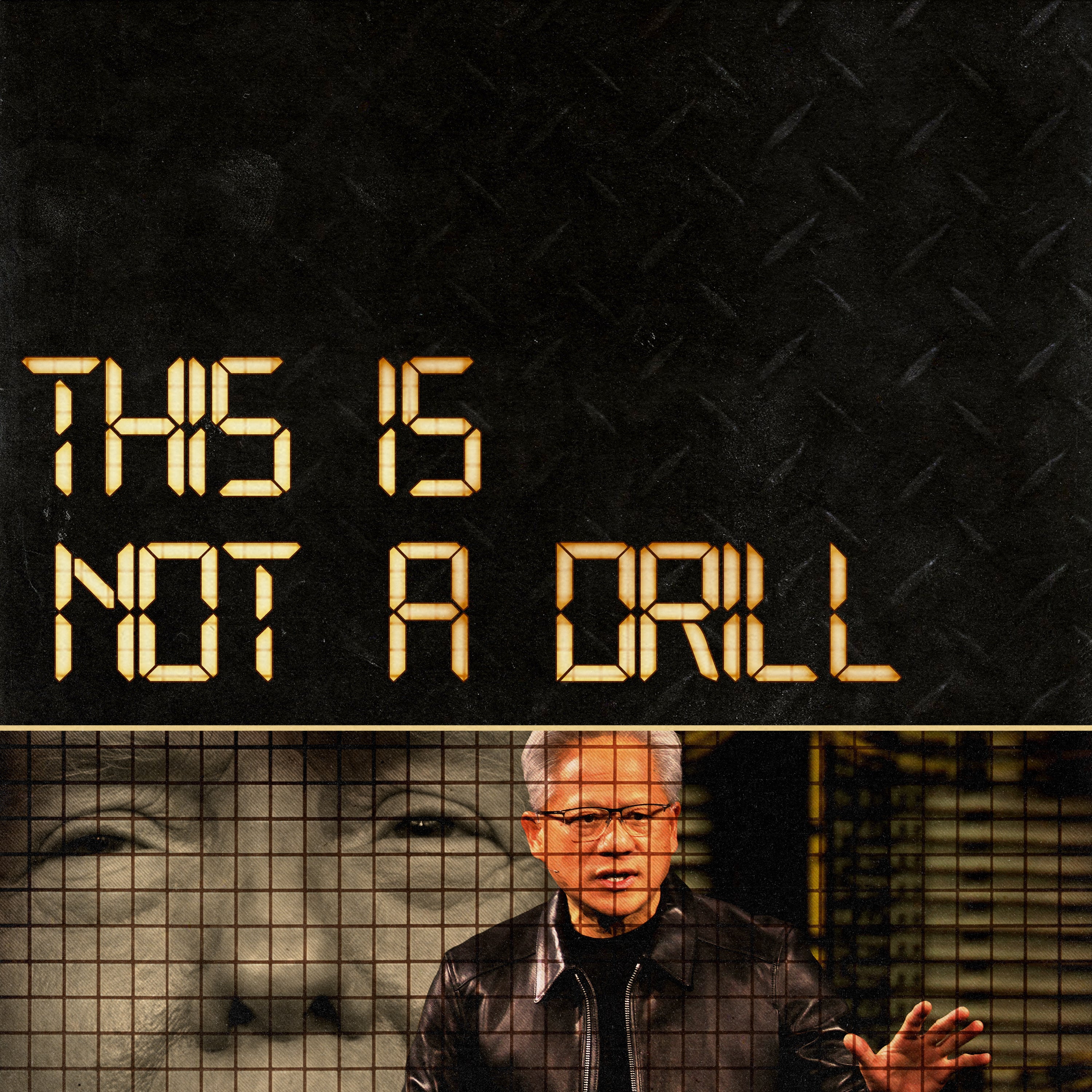
The Jensen Huang Nvidia story is much more serious than a “honeypot” spy story, even if it features one of the world’s richest men. Trump first conferred with Xi and then ordered Nvidia to reinstate its compromised CEO, and profited personally from the resulting stock bounce. The unprecedented intervention raises the question that the President of the United States is acting not in the national interest but for personal gain and to advance his friends. Meanwhile China’s plans to supplant America as the A.I. superpower continue unimpeded. Is the United States still in control of its A.I. technology? Gavin Esler talks to Professor Steve Tsang, director of the SOAS China Institute and co-author of China’s Global Strategy Under Xi Jinping, about this new phase in US-China rivalry. • Buy China’s Global Strategy Under Xi Jinping (https://uk.bookshop.org/a/13277/9780197828816) by Steve Tsang and Olivia Cheung through our affiliate bookshop and you’ll help fund This Is Not A Drill by earning u
The fallout from the US midterm elections is putting Donald Trump under growing pressure, with corruption and fears over artificial intelligence emerging as major concerns among voters. Now, an extraordinary scandal involving Nvidia CEO Jensen Huang threatens to become a defining crisis for the White House. Allegations that Huang’s relationship with a suspected Chinese spy may have exposed sensitive technology to Beijing have raised serious national security questions. His return to the helm of Nvidia, reportedly following input from senior US government officials, has also prompted accusations of political interference, particularly given Trump's financial interests in the company. Hillary Clinton has described the affair as a ‘national security and corruption scandal’, while Fox News commentators have warned that Democrats could use it as grounds for impeachment. With Nvidia central to America's position in the global AI race, the controversy could have far-reaching consequences for
President Trump says a pardon for Nvidia CEO Jensen Huang is “an option” as questions remain over the Justice Department’s investigation into the company and potential national security risks ... The US Army prepares to destroy highly unstable lead azide at an Iowa ammunition plant, as nearby residents voice concerns about potential health and environmental fallout ... President Trump says he plans to meet with Michigan Senator-elect Abdul El-Sayed about a proposal to rebrand Medicare for All as “Trumpcare” ... The CIA investigates a breach of unclassified intelligence systems that may have originated in China.
Sam Stein and Andrew Egger give their takes on JD Vance’s defense of Nvidia CEO Jensen Huang, the Justice Department’s decision not to investigate despite mounting national security concerns, and the growing questions surrounding Nvidia’s ties to China. Plus, new reporting on alleged Chinese intelligence connections and Fox correspondent Charlie Gasparino’s blistering criticism of Trump’s handling of the scandal. Additional $5 off at https://auraframes.com/pdp/BULWARKTAKES. Promo Code BULWARKTAKES
President Donald Trump and Vice President JD Vance helped bring Jensen Huang back as CEO of Nvidia, and that move is no facing criticism. That push to get Huang his job back has reportedly put Commerce Secretary Howard Lutnick at odds with Treasury Secretary Scott Bessent over the handling of national-security concerns involving Huang’s relationship with a woman whose alleged ties to Chinese intelligence remain in dispute. It also intensified questions over why advanced U.S. chips are reaching China, Iran or Russia. FOX's Eben Brown speaks with Leah Siskind, FDD’s AI Research Fellow, who says we need to focus on controlling where our chips are sent, and especially not allowing them to be sent to China. Click here to Follow the FOX News Rundown: Evening Edition: https://link.podtrac.com/fnr_podeve
The Ontario government has said it’s worried there’s fraud (https://www.theglobeandmail.com/canada/article-osap-freeze-alarms-private-colleges-as-minister-feels-the-heat/) going on with the Ontario Student Assistance Program, OSAP (https://www.theglobeandmail.com/canada/article-private-career-colleges-complaints-greater-toronto-area-osap-ban/). Earlier this fall, the government froze (https://news.ontario.ca/en/statement/1008103/statement-by-minister-quinn-on-pausing-osap-payments-to-private-postsecondary-institutions-and-restoring-integrity-to-the-osap-system) the financial assistance payments to all private career colleges in the province, and their students. Kelly Grant (https://www.theglobeandmail.com/authors/kelly-grant/), The Globe’s postsecondary education reporter, will explain the red flags the government found, like 400 per cent increases in enrollment in just a couple years, students using international IP addresses, and suspicious course work at some schools. And she’ll exp
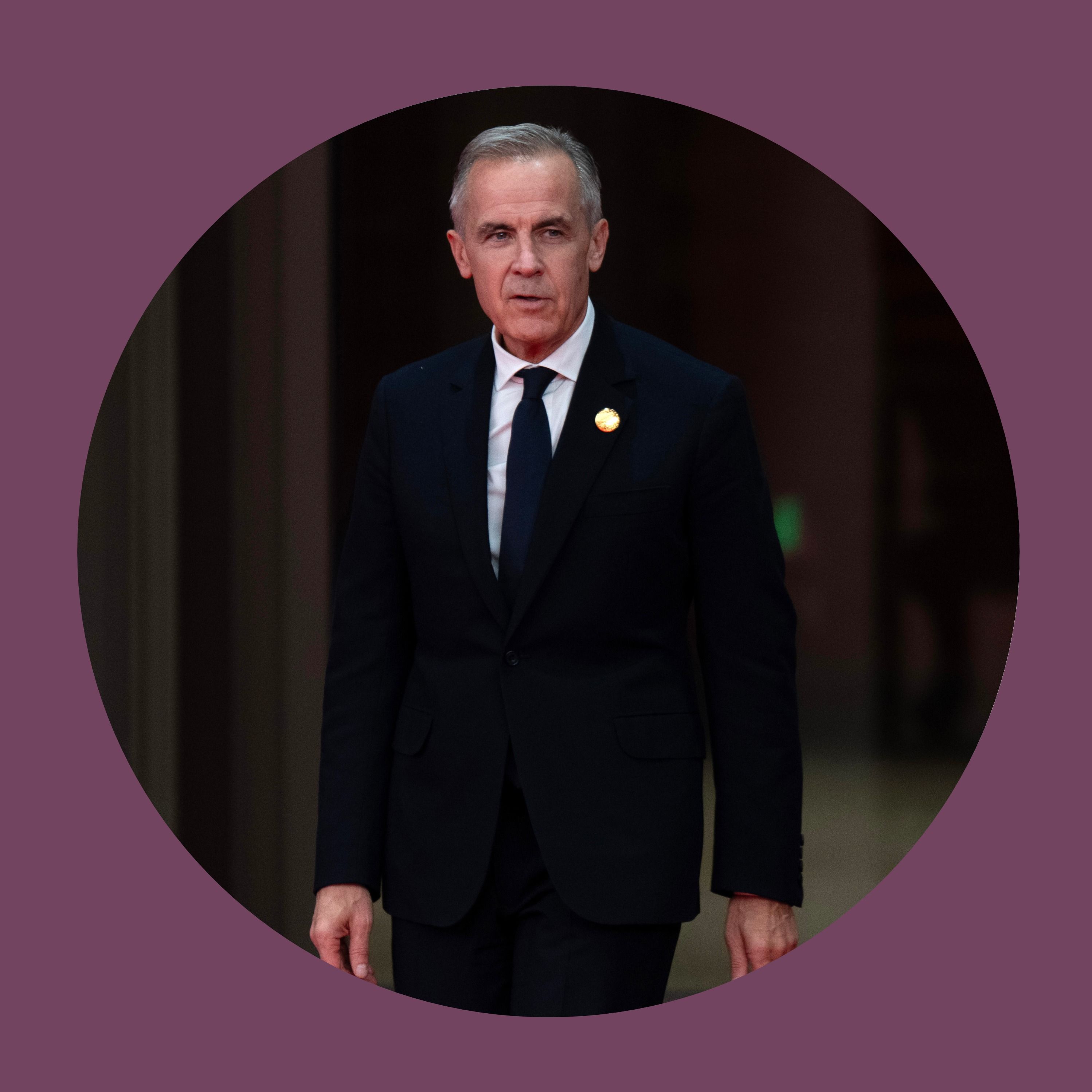
Prime Minister Mark Carney (https://www.theglobeandmail.com/topics/mark-carney/) came to power at a time when Canada was facing a hostile U.S. under President Donald Trump. Carney was elected to lead the country through this moment, where threats to Canada’s sovereignty and a tariff war have left many on edge. According to some scholars, one side effect of crisis moments is that leaders don’t face the same level of scrutiny (https://www.theglobeandmail.com/politics/opinion/article-mark-carney-and-canadas-no-question-period/) as they would in calmer times. Shannon Proudfoot (https://www.theglobeandmail.com/authors/shannon-proudfoot/) is a feature writer and columnist for The Globe, based in Ottawa. She’s on the show to tell us why she thinks Mark Carney’s government is not facing the heat, and what questions people should be asking. Questions? Comments? Ideas? Email us at [email protected] Hosted by Simplecast, an AdsWizz company.
The gender disparity of Canadian teachers (https://www.theglobeandmail.com/life/article-men-become-k-12-teachers-gender-gap-education-male/) is real – less than a quarter of educators in elementary and secondary schools are male, with the number dropping lower in younger grades. Teachers talk amongst themselves about why so few men are entering the profession and what that means for a generation of students without male role models in the classroom. Dave McGinn (https://www.theglobeandmail.com/authors/dave-mcginn/), The Globe’s education reporter, is here to discuss the cultural stigmas about male teachers, why the number of educators have continued to drop and why unequal representation is hurting students and the education system. Questions? Comments? Ideas? E-mail us at [email protected] Hosted by Simplecast, an AdsWizz company.
People leaving prison should receive practical help finding housing and work.
Share your view, then see how readers voted. No sign-in required. This poll is shared across stories.
Do you agree or disagree?
Common Quandary
A Common Quandary to discuss
Another conversation to explore, separate from this news story.
A stranger is behaving horribly in public. Do you record them?
You witness a stranger berating a service worker in public. Recording could create accountability and protect the worker, but posting the video could expose everyone involved to a permanent online audience.
Who gets to decide when public behavior becomes public content?