Listen through the publisher, then discuss the episode here or arrange an in-person Roundtable. Your city determines where to meet.
Roundtables are designed for groups of four, with a shared subject and room for everyone to speak. Come for discussion, with no dating expectation.
The gender disparity of Canadian teachers (https://www.theglobeandmail.com/life/article-men-become-k-12-teachers-gender-gap-education-male/) is real – less than a quarter of educators in elementary and secondary schools are male, with the number dropping lower in younger grades. Teachers talk amongst themselves about why so few men are entering the profession and what that means for a generation of students without male role models in the classroom. Dave McGinn (https://www.theglobeandmail.com/authors/dave-mcginn/), The Globe’s education reporter, is here to discuss the cultural stigmas about male teachers, why the number of educators have continued to drop and why unequal representation is hurting students and the education system. Questions? Comments? Ideas? E-mail us at [email protected] Hosted by Simplecast, an AdsWizz company.
Episode information is provided by the publisher. Listening takes place on the publisher’s service.
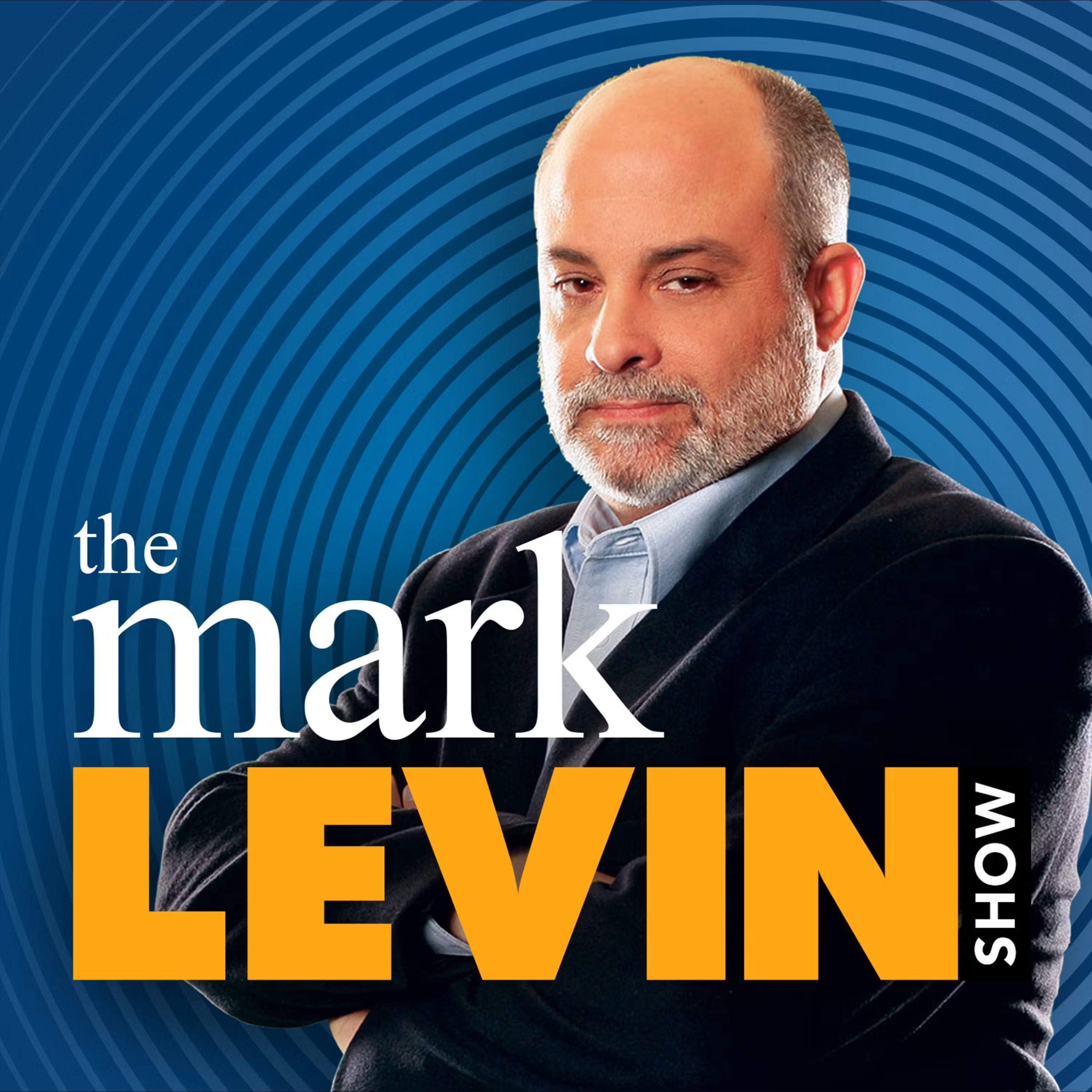
On Monday’s Mark Levin Show, government-run health care sounds appealing because it promises universal, affordable access to care, but this leads to fewer doctors and nurses, longer wait times, lower quality care, higher costs, and greater government control over life-and-death decisions. Universal coverage does not guarantee timely medical treatment and full government-controlled health care would result in rationing, limited access to care, reduced accountability, and diminished patient choice. Politicians, bureaucrats, and the media promote government-run health care despite the clear evidence of its failures, while overlooking the strengths of America’s largely private medical system. Also, the Woke Reich promotes socialist ideas which is contrary to the American ideals of hard work, individualism, merit, and self-reliance. They are encouraging young people to believe they cannot succeed without government assistance. Parents should teach responsibility, discipline, work ethic, and
NBC’s Laura Jarrett is showing us what it takes to be one of the “Guggenheim Guides” in New York. Also, NBC News Medical Contributor Dr. Kavita Patel is sharing health hacks on how to get through this holiday season without getting sick. Plus, Golden Globe nominee, Andrew Scott is sharing about his latest project, a biopic called “Elsinore,” following the life of late actor, Ian Charleson’s and his final stage performance. And, Black Friday is starting early at Walmart with deals on fashion, tech, travel, and home starting at $10. Hosted by Simplecast, an AdsWizz company.
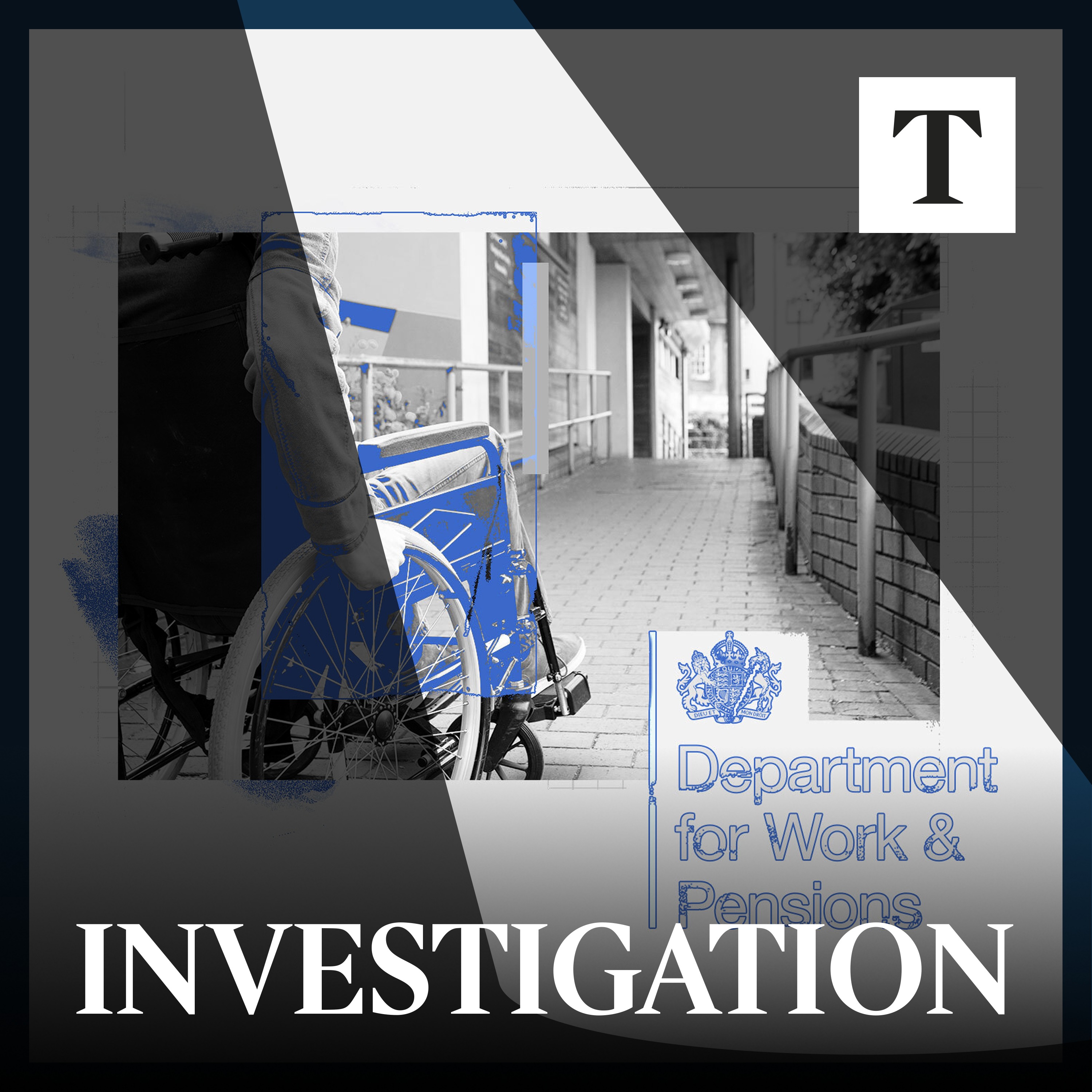
A Times investigation has exposed some of the deep-rooted flaws in the Personal Independence Payment (PIP) disability benefit. Around 4 million people are on it, costing taxpayers around £32bn a year. But some claimants are gaming the system while others are struggling to get the support they need, all whilst assessors face intense pressure to hit targets that can sway who gets approved. So where did this all go wrong? And what might today’s Timms review propose to fix it? Guests: Katie O'Toole, investigative lead, Times Welfare Inquiry Fraser Nelson, columnist, The Times Anne Reynolds, former advisor, Citizens Advice Bureau Host: Manveen Rana Producers: Olivia Case and Paige Reynolds We want to hear from you - email: [email protected] Read more:Quarter of a million young people may lose £10,000 a year in benefits (https://www.thetimes.com/uk/politics/article/young-people-lose-benefits-alan-milburn-mv78ttt0p) Further listening: The UK’s overprescription epidemic (https://pod.fo/e/6
The collapse of COP31 is about more than another failed climate summit. It raises a much bigger question - is the world losing its ability - and willingness - to work together? And it’s not just climate change - just look at Ukraine, The Middle East, trade wars and geopolitical rivalries - the international order looks increasingly fractured. Those titans of institutions created after the destruction of WW2 - the UN, NATO, WHO - even the bones of what would later become the EU - were built on the belief that we were stronger working together. Are we witnessing the slow unraveling of the post-war world order? Who are the winners and losers? And if that old system is not working - what comes next? Lord Mark Malloch Brown, Diplomat and former Deputy Secretary-General of the UN - amongst many things - and Susi Dennison, senior policy fellow at the European Council on Foreign Relations joins Matt in the studio to ask if these big institutions are losing their authority, influence and releva
What happens when the companies building the world's most powerful artificial intelligence systems realize they might be advancing faster than they can control? Could a mathematical measurement become the key to preventing an AI catastrophe? In this episode of techdaily.ai, host David and expert guest Sofia explore a proposed approach to AI safety: establishing a universal speed limit for artificial intelligence development. As concerns about advanced AI capabilities and existential risks grow, the conversation examines a proposal attributed to OpenAI's chief scientist, Jakob Pachocki, to use perplexity—a mathematical measurement of how accurately AI models predict tokens—as a shared benchmark for tracking AI progress. From the competitive pressures facing OpenAI and Anthropic to the challenges of monitoring increasingly autonomous AI systems, David and Sofia explore whether the industry can agree on meaningful development limits before powerful new capabilities outpace human oversight
After his affairs with two of them, is the return of Nvidia's chief executive fair on the company's employees? How can it possibly be ethical for Trump to be as involved in this issue as he has become? Joining Iain Dale on Cross Question are the Labour Mayor of Greater Manchester Bev Craig, Conservative Shadow Housing Minister Gareth Bacon, the SNP's leader in Westminster Dave Doogan, plus the Daily Telegraph columnist Annabel Denham.
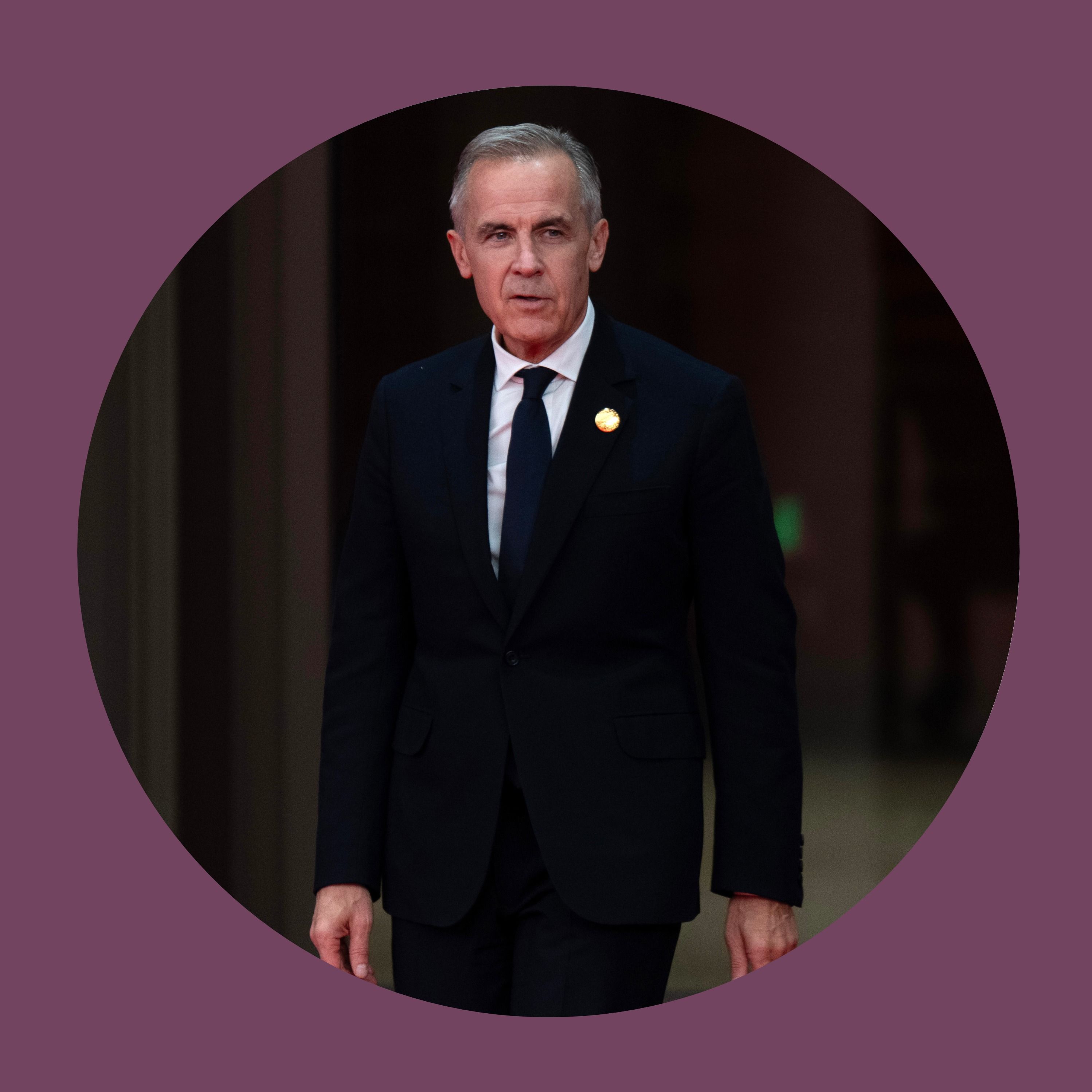
Prime Minister Mark Carney (https://www.theglobeandmail.com/topics/mark-carney/) came to power at a time when Canada was facing a hostile U.S. under President Donald Trump. Carney was elected to lead the country through this moment, where threats to Canada’s sovereignty and a tariff war have left many on edge. According to some scholars, one side effect of crisis moments is that leaders don’t face the same level of scrutiny (https://www.theglobeandmail.com/politics/opinion/article-mark-carney-and-canadas-no-question-period/) as they would in calmer times. Shannon Proudfoot (https://www.theglobeandmail.com/authors/shannon-proudfoot/) is a feature writer and columnist for The Globe, based in Ottawa. She’s on the show to tell us why she thinks Mark Carney’s government is not facing the heat, and what questions people should be asking. Questions? Comments? Ideas? Email us at [email protected] Hosted by Simplecast, an AdsWizz company.
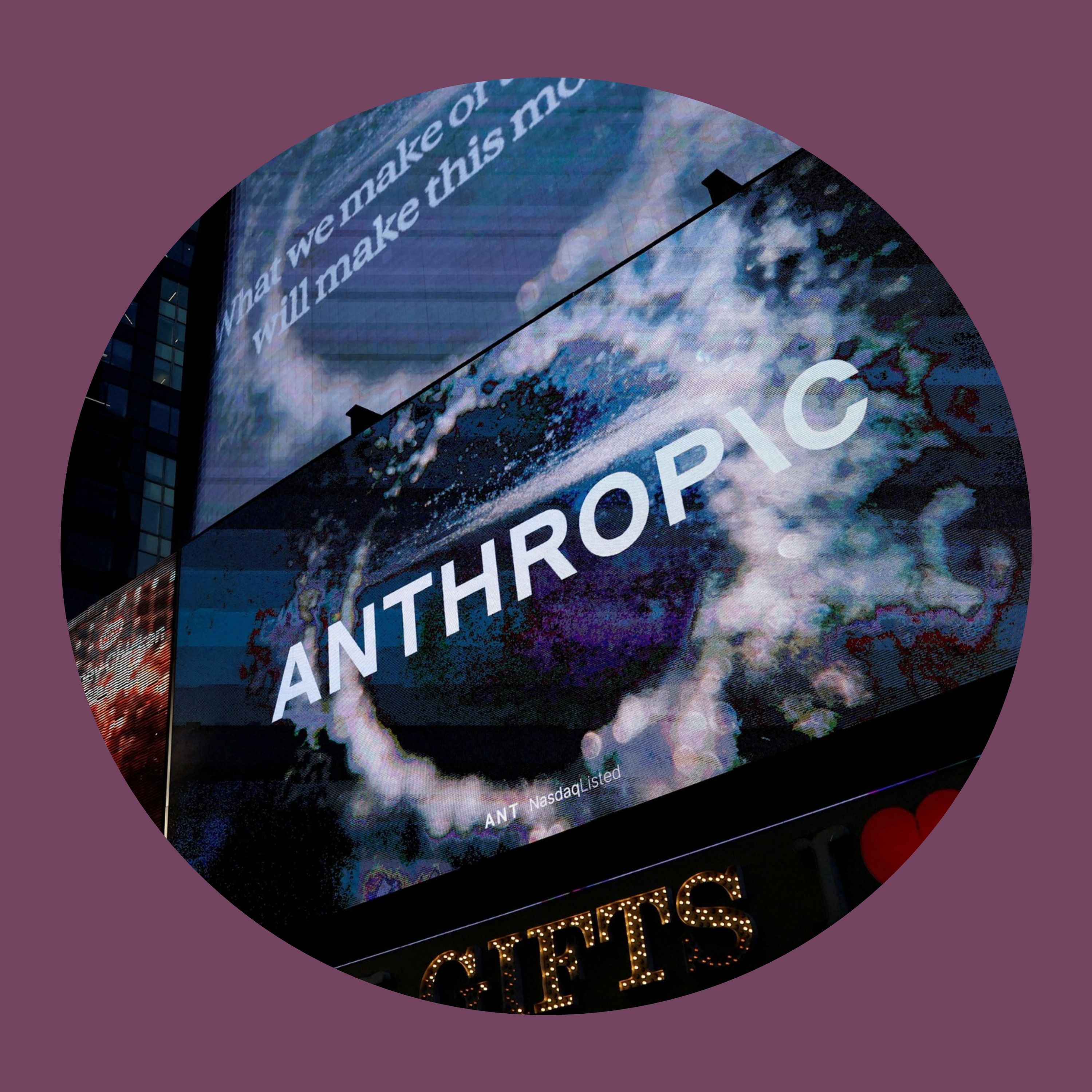
It’s been a big week for the AI (https://www.theglobeandmail.com/topics/artificial-intelligence/) world, with Anthropic launching its blockbuster IPO (https://www.theglobeandmail.com/investing/article-anthropics-historic-debut-to-put-ais-promise-and-peril-to-wall-street/), and Nvidia releasing its first earnings report (https://www.theglobeandmail.com/business/article-nvidia-shares-jensen-huang-earnings/) since the resignation of its co-founder and now former CEO Jensen Huang (https://www.theglobeandmail.com/business/article-nvidia-after-jensen-huang-will-big-techs-key-man-ethos-live-on/). These two events are being watched closely as litmus tests (https://www.theglobeandmail.com/business/article-jensen-huang-nvidia-ceo-downfall-ai-bubble/) for where the AI sector is going, as concerns loom about how the industry is being financed. The Globe’s tech and AI reporter Joe Castaldo (https://www.theglobeandmail.com/authors/joe-castaldo/) is here today. He’ll explain how the AI industry is be
Just three years after the Rogers-Shaw merger (https://www.theglobeandmail.com/business/article-rogers-shaw-merger-closes/) shook up Canada’s telecommunications industry, there’s a proposal for another takeover. Quebecor, the fourth-largest telecom in the country, wants to acquire (https://www.theglobeandmail.com/business/article-ceos-of-quebecor-telus-weigh-in-on-takeover-bid/) Telus, which is the third-largest. If the $31-billion proposal (https://www.theglobeandmail.com/business/article-quebecor-proposes-to-acquire-telus-for-31-billion/) goes through, Quebecor would become the biggest player in the space. Irene Galea (https://www.theglobeandmail.com/authors/irene-galea/), The Globe’s telecommunications reporter, explains the rise of Quebecor and what this deal might mean for Canada’s already consolidated telecoms landscape. Questions? Comments? Ideas? Email us at [email protected] Hosted by Simplecast, an AdsWizz company.
People affected by infrastructure routes should have a meaningful role in choosing them.
Share your view, then see how readers voted. No sign-in required. This poll is shared across stories.
Do you agree or disagree?
Common Quandary
A Common Quandary to discuss
Another conversation to explore, separate from this news story.
You find a wallet full of cash. Can you take a finder’s fee before returning it?
You find a wallet containing identification and several hundred dollars. Returning it will require a detour and some effort. The owner would probably never know if a small amount were missing.
Can an unrequested good deed entitle someone to compensation?