English-language podcasts

Iran: The Latest

Iran unveils underground ‘Missile City’ after US evacuates second RAF base
37 min

Listen through the publisher, then discuss the episode here or arrange an in-person Roundtable. Your city determines where to meet.

Roundtables are designed for groups of four, with a shared subject and room for everyone to speak. Come for discussion, with no dating expectation.

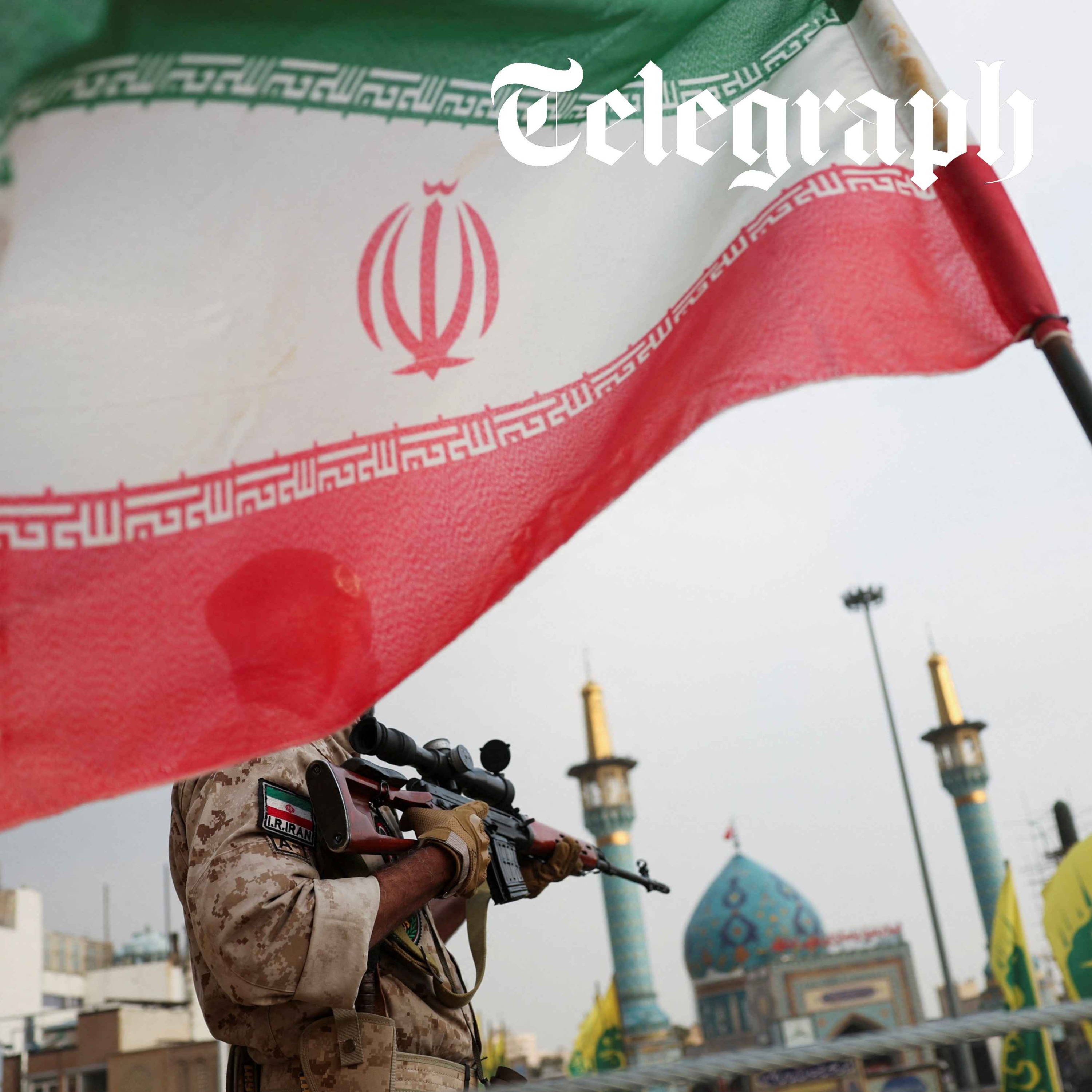
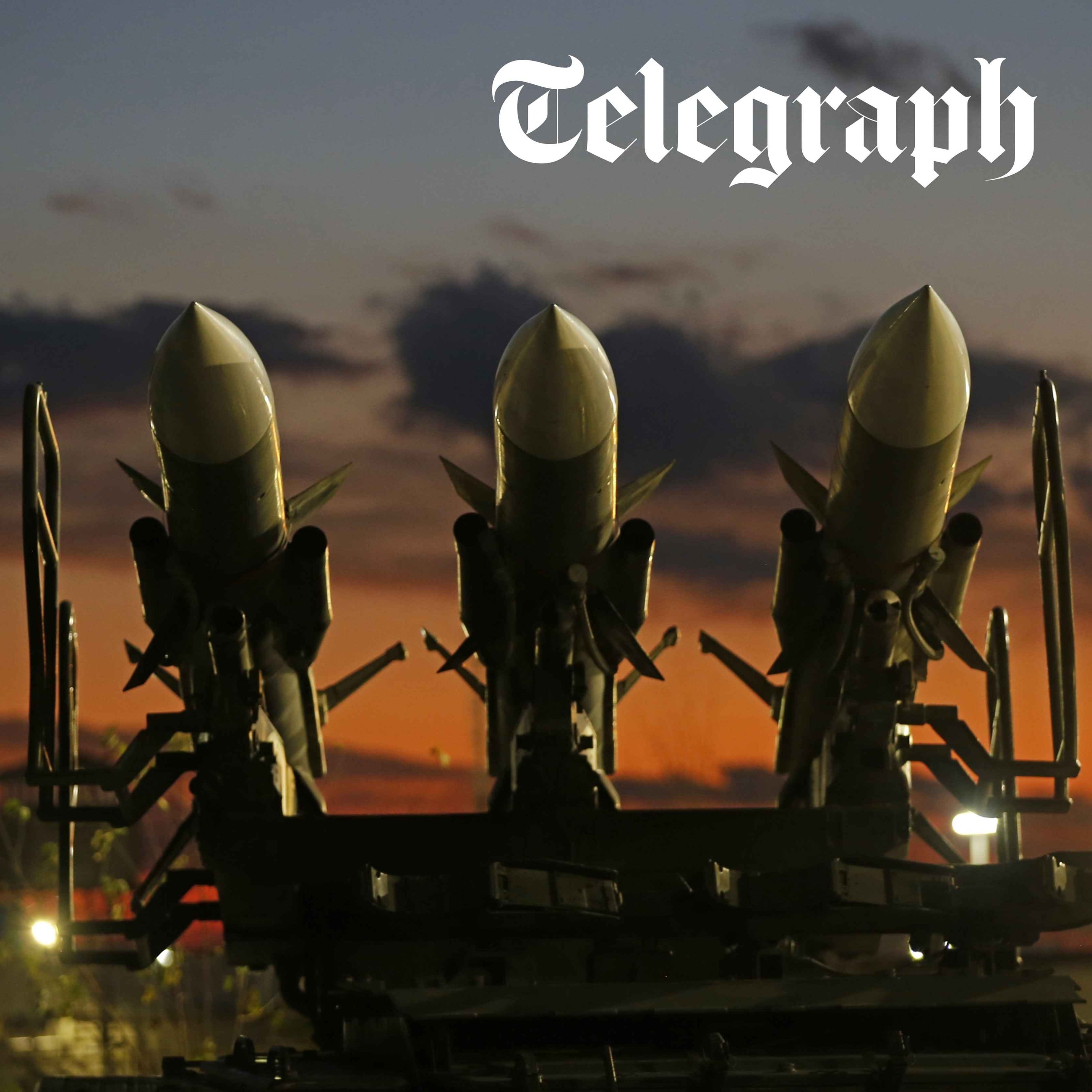
Tehran has unveiled an enormous subterranean missile complex, with the IRGC claiming that it is ready for strikes from the US or Israel and will escalate the war beyond the Middle East if Iran is bombed by Donald Trump. In today’s episode of Iran: The Latest, Venetia Rainey is joined by Chatham House’s MENA director Sanam Vakil to examine the messaging behind the extraordinary video and what it tells us about the direction of the war and the militarisation of Iran. They discuss the likelihood of strikes versus peace talks and why Gulf states are forming an integrated military command in Kuwait to make themselves less reliant on America. Plus, an Iranian-Iraqi national is accused of orchestrating the UK RAF Fairford plot from behind bars in New York, US planes are evacuated from a second UK airbase RAF Mildenhall, and Defense Secretary Pete Hegseth narrowly dodges impeachment over the Iran war - for now. Highlights Iran unveils underground ‘Missile City’ with long-range weapons Gulf states form an integrated military command in Kuwait CONTRIBUTORS: Venetia Rainey, co-host and executive producer @venetiarainey Sanam Vakil, MENA director Chatham House @SanamVakil CONTENT REFERENCED: Iran unveils new ‘missile city’ RAF Fairford organiser ‘directed terror attacks on FaceTime’ Richard Kemp: Britain is overrun with Iranian agents. No wonder America won’t keep its planes here Houthis mobilise forces to take control of Yemen, Winner Podcast of the Year - London Press Club Awards 2026 Producers: Peter Shevlin and Max Bower Researcher and Social Producer: Anna Hindmarsh Executive Producer: Venetia Rainey ► Sign up to our most popular newsletter, From the Editor. ► EMAIL US: Contact the team on [email protected] Hosted on Acast.

Episode information is provided by the publisher. Listening takes place on the publisher’s service.

Listen at the source ↗

Featured places to meet in Palo Alto, CA

Explore these places and arrange a conversation through ThinkMatch.

City guide for Palo Alto, CA

More from Iran: The Latest

Iran: The Latest

The Strait of Hormuz is broken and China is on the rise: nine months of the US-Iran war

48 min

On today’s final episode of Iran: the Latest, Venetia Rainey, Roland Oliphant and Sophia Yan look back at nine months of the US-Iran war, what they think Donald Trump and Tehran will do next, and examine how the global balance of power has permanently shifted. As the IEA calls the conflict the “largest threat” to energy security in history, the team examines why the Strait of Hormuz will never fully reopen again and how China and Russia are benefitting from the conflict. Finally, Venetia, Roland and Sophia discuss the volatile new fronts across Yemen, Lebanon and Syria, reflect on what the podcast got right and wrong, make some book recommendations, and pay tribute to the show’s original creator, David Knowles. A big thank you from all the team to all our listeners and viewers, especially everyone who wrote in to support the show and share their feedback. Please follow us all on social media for more of our coverage of the war going forward! That was Iran: the Latest. Goodbye. Highligh

Discuss this episode

Iran: The Latest

Trump's sanity, chokepoint wars & the stories we missed | Listener Q&A

48 min

In today's special listener Q&A episode of Iran: The Latest, Venetia Rainey, Roland Oliphant, and Sophia Yan are together in the studio to answer your biggest questions on the US-Iran war. They discuss: US Midterm Elections: Following the recent "blue wave" in the US midterms, what new options do congressional Democrats have to end the war with Iran? US Middle East Strategy: If neither diplomacy nor military force works and the Islamic Republic outlasts the US blockade, what should Trump do? Trump’s Rhetoric & Acuity: How should journalists cover Trump’s inconsistent statements and Truth Social outbursts? Is it legitimate to question his mental capacity? Supporting Iranian Democracy: What can the West do to help the Iranian people win their freedom? And why do journalists use "Iran" and "the Islamic Republic" interchangeably? Regime Loyalty: Why do so many Iranians continue to support the regime? The Future of Deterrence & Chokepoints: Has the Strait of Hormuz standoff replaced the era

Discuss this episode

Iran: The Latest

‘They’re in it to win or die’: Why Iran’s regime is built to survive

43 min

‘They’re in it to win it or die, and they’re happy to die. That’s something you and I will not understand.’ On today’s episode of Iran: the Latest, Venetia Rainey is joined by Soheil Moughadam, a former chief technology officer at the country's largest online retailer, Digikala. He explains what he learned about the Iranian regime from living through the 1979 revolution, the dark days of the Iran-Iraq War, the excitement of the startup boom and the surprising Mahsa Amini protests before escaping Tehran during last year’s 12-day war. As Iran strikes Kuwait and Bahrain and continues to attack ships in the Strait of Hormuz, Soheil argues that Mojtaba Khamenei’s ‘no war, no peace’ philosophy will likely continue to dominate the country’s approach to war with the US. He cuts past both official propaganda and diaspora wishful thinking to explain why loyalists will fight to the death and how the long history of war and sanctions means the regime can survive Trump’s strikes and blockades. High

Discuss this episode

Community Poll

An organization should remain responsible for decisions made by its automated systems.

Share your view, then see how readers voted. No sign-in required. This poll is shared across stories.

Do you agree or disagree?

Choose one answer

Common Quandary

A Common Quandary to discuss

Another conversation to explore, separate from this news story.

A private joke from years ago goes public. How long should it follow the person who wrote it?

Someone shares a screenshot of a tasteless joke made years ago in a private friends' chat. The person who wrote it says they were performing for a small audience, have changed, and never agreed to have the message made public.

How private should speech remain when it reveals something troubling?

Explore this quandary