Listen through the publisher, then discuss the episode here or arrange an in-person Roundtable. Your city determines where to meet.
Roundtables are designed for groups of four, with a shared subject and room for everyone to speak. Come for discussion, with no dating expectation.
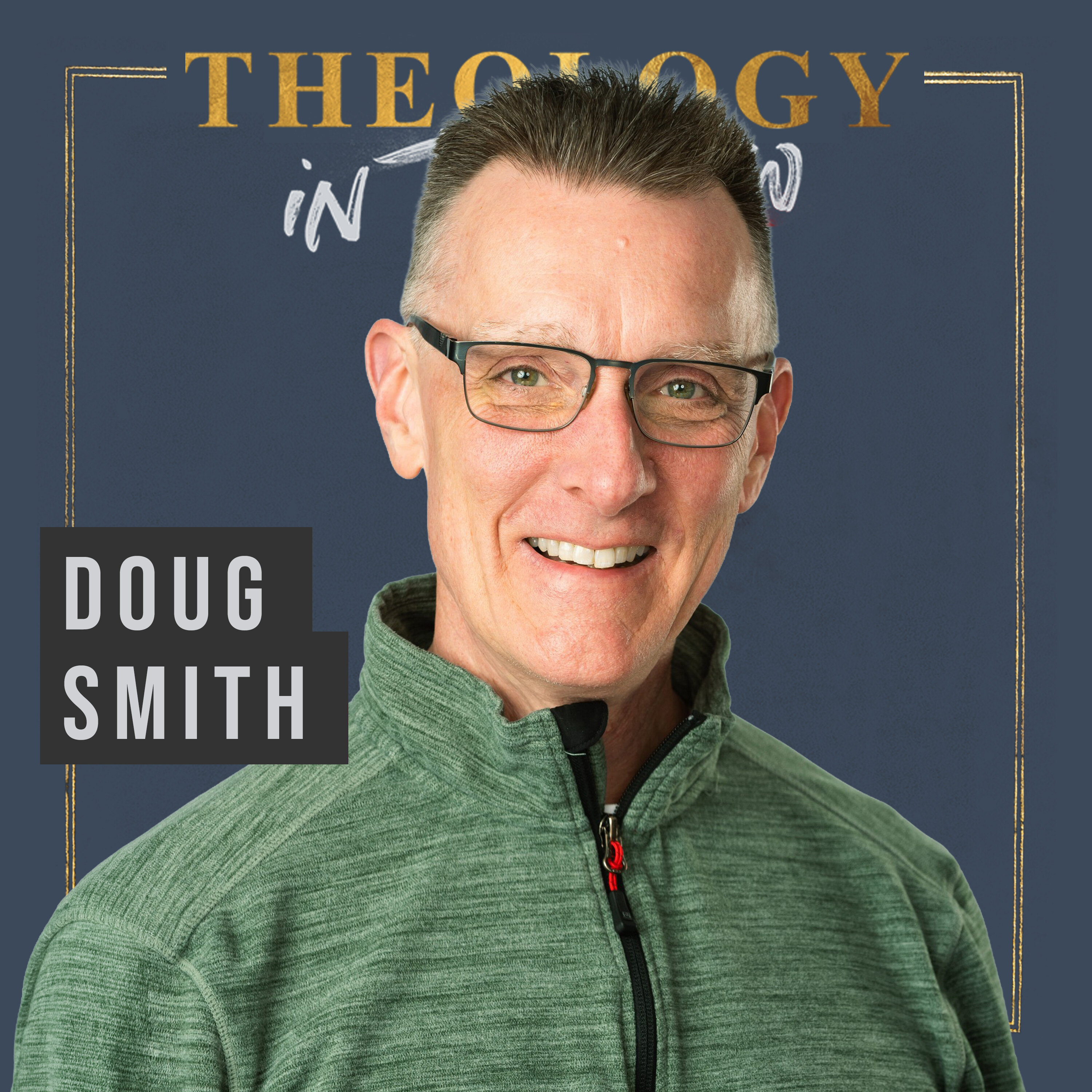
AI doesn’t have to become conscious or take over the world to change us. Doug Smith argues that chatbots are already shaping how we think, what we trust, and how we relate to other people—and that they’re designed to keep us coming back. Doug is a software engineer and author of Unintelligence: The Lies Behind Today’s AI and the Truths You Need to Thrive. He joins Preston to discuss the risks AI leaders themselves raise, the worldview behind the push toward superintelligence, and the ways Christians can respond without giving in to fear. They also talk about what AI can and can’t know, why chatbot relationships can become so compelling, and how to use these tools with caution. Chapters: 00:00 AI’s biggest danger is already here 02:17 How AI is shaping us 05:42 The worldview behind the AI race 07:03 What does “intelligence” mean? 12:29 The transhumanist vision 17:38 Could AI actually destroy humanity? 29:11 How likely is an AI catastrophe? 34:55 A fragile, tech dependent society 44:33 What can Christians do? 47:09 Doug’s reasons for refusing to use AI 48:41 Can you trust AI for information? 52:53 Practical cautions for AI users 53:31 Are chatbots designed to make us dependent? 57:32 AI and human relationships 59:13 “You’re still the product”
Episode information is provided by the publisher. Listening takes place on the publisher’s service.
2 Timothy 2:15 in the KJV reads “Study to shew thyself approved unto God.” But what did the word "study" mean to the men who translated it in 1611? It's not what you think. ABOUT THE EPISODE: Joshua Lewis sits down with Dr. Mark Ward, a YouTuber with a PhD in New Testament and the author of the new book What Saith the Lord? KJV Words We’re Getting Wrong and How to Get Them Right. Mark grew up on the King James and went to a King James-only high school. He still loves the translation. He also thinks a lot of people who read it are misunderstanding words without knowing it. Mark calls them false friends. Dead words like besom and emerod are easy. You know you don’t know them, so you look them up. False friends look like ordinary English. You read today’s meaning into them and keep going. Mark points to one in a verse King James-only believers quote to him all the time. Plenty of Christians who love the KJV have been told that anyone raising readability questions is trying to take their B
What happens when a church’s efforts to protect faith end up destroying trust? In this episode of Mormon Discussion, Bill Reel sits down with acclaimed Mormon historian Dr. Gregory Prince to explore his groundbreaking Dialogue essay, A Close-up View of Faith Crisis, and the decades of decisions that helped create Mormonism’s modern faith crisis. Support Mormon Discussion: https://donorbox.org/mormon-discussion-inc Drawing on his personal relationships with LDS historians, Church leaders, and those who struggled with their faith, Prince takes us behind the scenes of a Church wrestling with uncomfortable historical truths, institutional resistance, and the consequences of controlling information. Support Independent Mormon Journalism & Honest Conversations Mormon Discussion is dedicated to uncovering the truth, asking difficult questions, and holding powerful institutions accountable. Your donations help us continue producing independent, evidence-based content that supports informed con
What if your birth chart could help you understand why you think, feel, and react the way you do? In this enlightening conversation, renowned astrologer, author, and teacher Debra Silverman returns to Next Level Soul to explore the four elements of astrology—water, air, earth, and fire—and how they can serve as a framework for understanding our personalities, relationships, and spiritual growth. Debra discusses why some people seem to face more difficult life lessons than others, how astrology can help us recognize patterns we may have struggled with for years, and why accepting our natural tendencies can be the beginning of profound personal transformation. Through a fascinating exploration of the host's own astrological chart, she demonstrates how elemental patterns can offer a different perspective on sensitivity, creativity, control, and the way we navigate the world. The conversation moves into soul evolution, Saturn returns, the importance of surrender, and Debra's spiritual inte
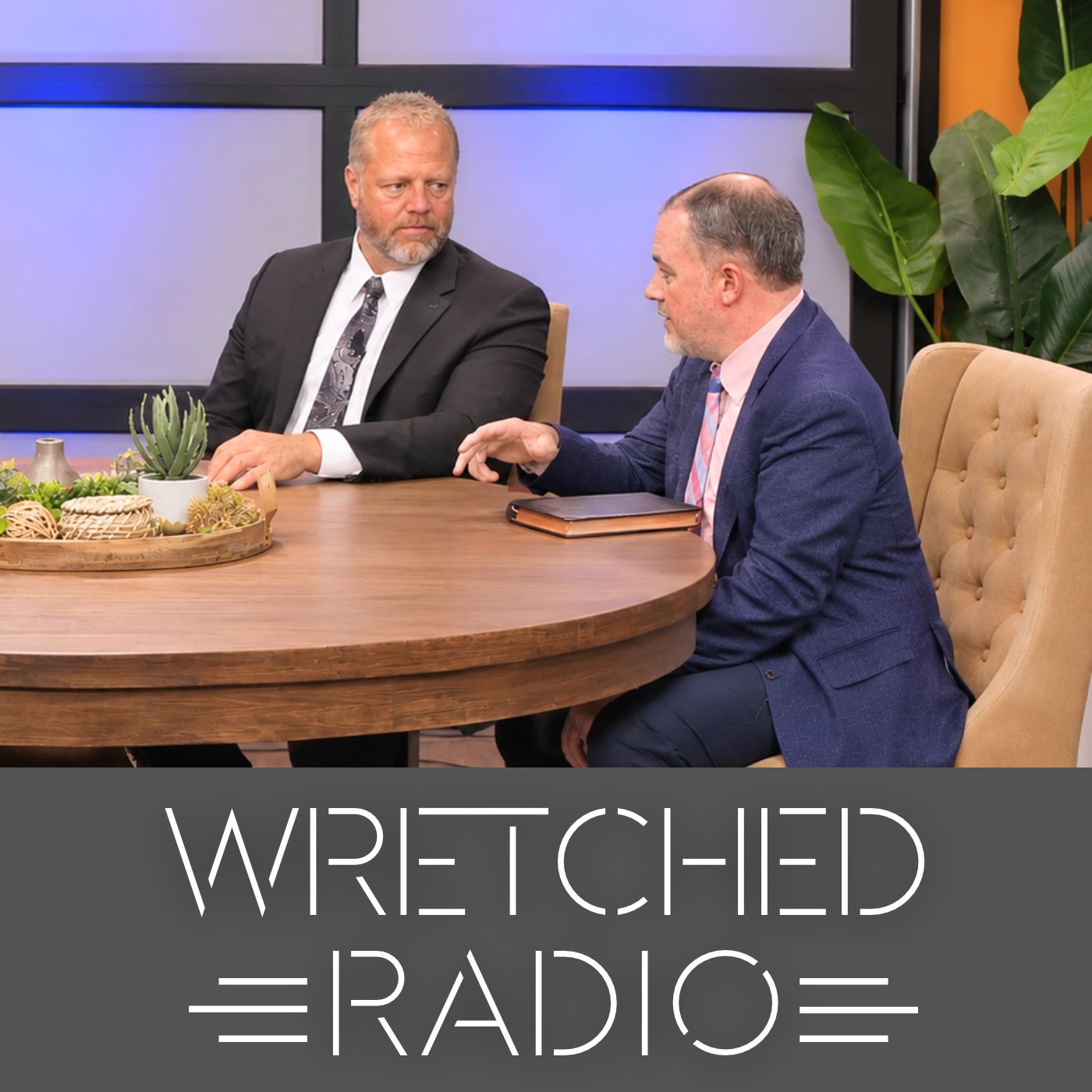
Christianity is oppressive. Truth is subjective. A good God wouldn’t allow evil. Sound familiar? Todd Friel, Justin Peters, and Jim Osman tackle five arguments people use to reject Christianity and equip you to respond with biblical confidence. Segment 1 When questioning your beliefs is actually a GOOD thing. Was Christianity invented to control people? How to turn a skeptic’s argument back on them. Segment 2 Do Christians need to defend the Crusades? “That’s your truth, not mine.” How would you respond? The historical lie about the Bible your kids may be hearing. Segment 3 Does the existence of evil disprove God? Is God responsible for your suffering? What the cross reveals about your darkest moments. Segment 4 Are we really born sinful? The danger of downplaying an offensive Gospel. Does Christianity actually oppress women? ___ Thanks for listening! As part of our Multiply 2027 year-end campaign, every gift made through December 31, 2026, will be matched dollar-for-dollar, up to $750
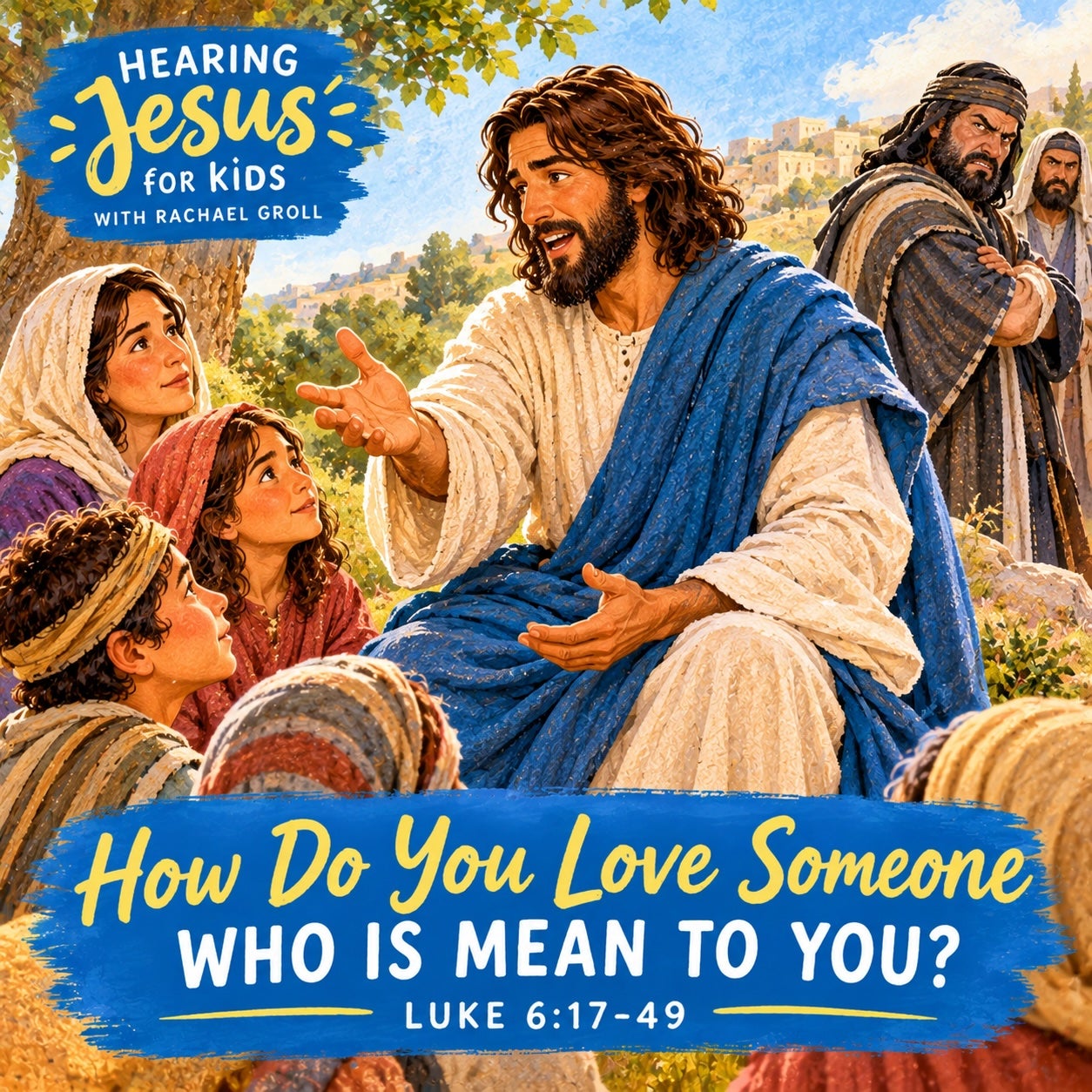
How Do You Love Someone Who Is Mean to You? (Luke 6:17-49) | Kids Devotional and Bible Story What if the people with the hardest lives are actually the most blessed? In this kids devotional, Jesus comes down from the mountain to a huge crowd, heals everyone who came, and teaches the Beatitudes, which turn the world's idea of success upside down. Kids also hear Jesus' hardest instruction, to love your enemies, along with the story of two builders and why a life built on His words stands firm when the storms come. You don't have to pretend to like being treated badly, but you can choose not to pay back hate with hate. It's a short Bible story for families, about five minutes, with a simple prayer at the end. Talk about it together: What's the difference between loving someone and liking them? Can you love someone you don't get along with? ☆Have a question for Rachael? Ask it here: Ask Rachael a Question (https://www.speakpipe.com/HearingJesusPodcast) ☆The Hearing Jesus for Kids Podcast i
Tuesday 24 November 2026 Today is Tuesday the 24th of November, the feast of Saint Andrew Dung-Lac and Companions, in the 34th week of Ordinary Time. Let your longing turn towards the Lord. Place your hope and trust in Him. Become still, and do not let your worries draw you away. Ask Him to teach you how to pray. The monks of the Abbey of Keur Moussa sing, Encore un peu de temps: “In a little while I will make heaven and earth tremble. Then the One desired by all nations will appear. I will fill this temple with glory and to this place I will bring peace.” Today’s reading is from the Gospel of Luke. Luke 21:5-11 When some were speaking about the temple, how it was adorned with beautiful stones and gifts dedicated to God, [Jesus] said, ‘As for these things that you see, the days will come when not one stone will be left upon another; all will be thrown down.’ They asked him, ‘Teacher, when will this be, and what will be the sign that this is about to take place?’ And he said, ‘Beware th
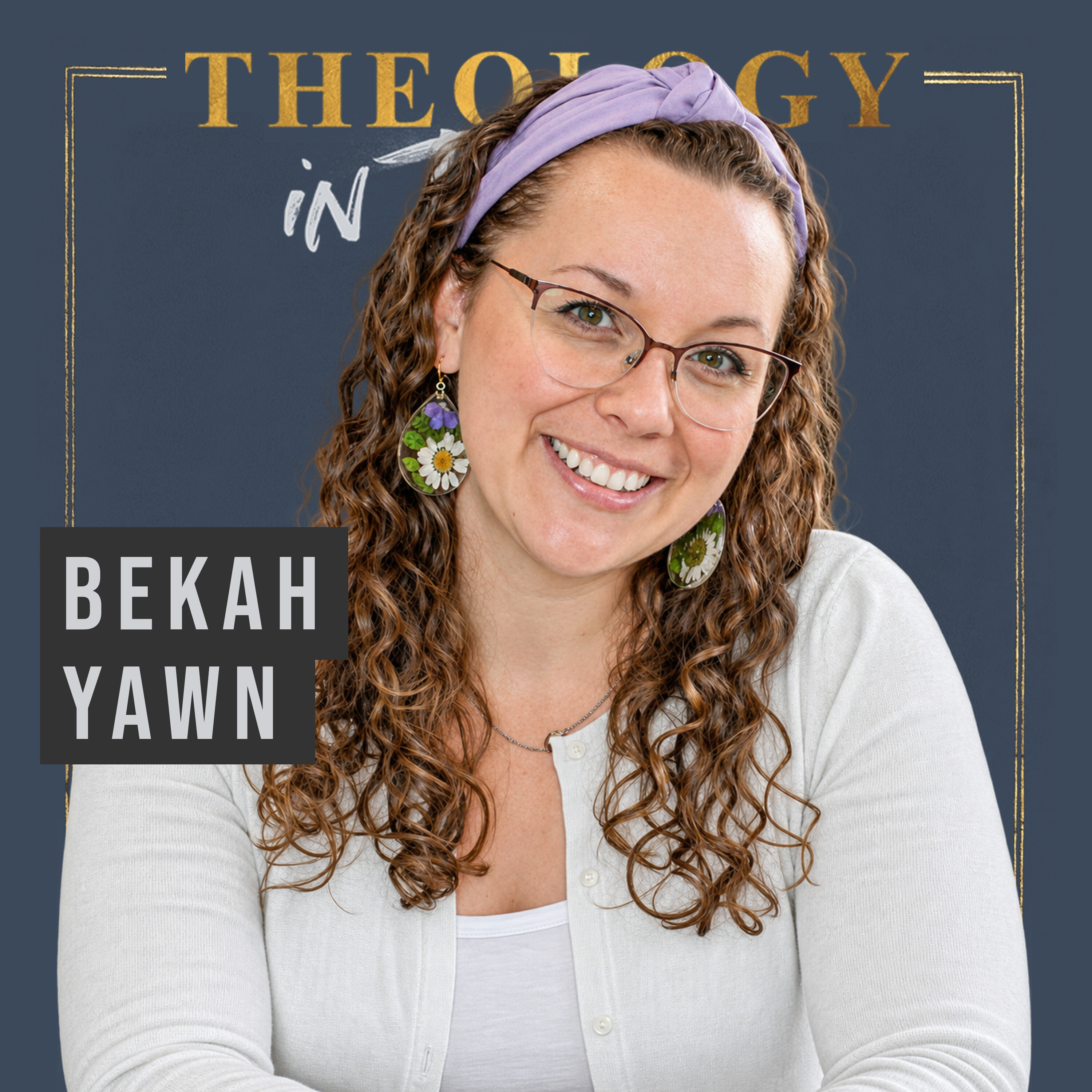
What happens when your church celebrates growing families while you’re grieving a miscarriage or struggling to conceive? How do you hold on to faith when the children you’ve prayed for haven’t come? Bekah Yawn joins Preston to discuss infertility, pregnancy loss, and how the church can better care for women and couples experiencing both. Drawing on her own experience of three pregnancy losses, Bekah shares the loneliness of grieving in a church culture that can make motherhood feel like the measure of a woman’s faithfulness. They explore infertility in the biblical storyline, the relationship between motherhood and Christian calling, and finding purpose when life looks different from what you hoped. They also discuss spiritual warfare, fertility awareness, and Bekah’s convictions about IVF—subjects on which Christians hold differing views. At the heart of the conversation is a practical question: How can we offer more than “I’m sorry” to families navigating infertility and miscarriage?
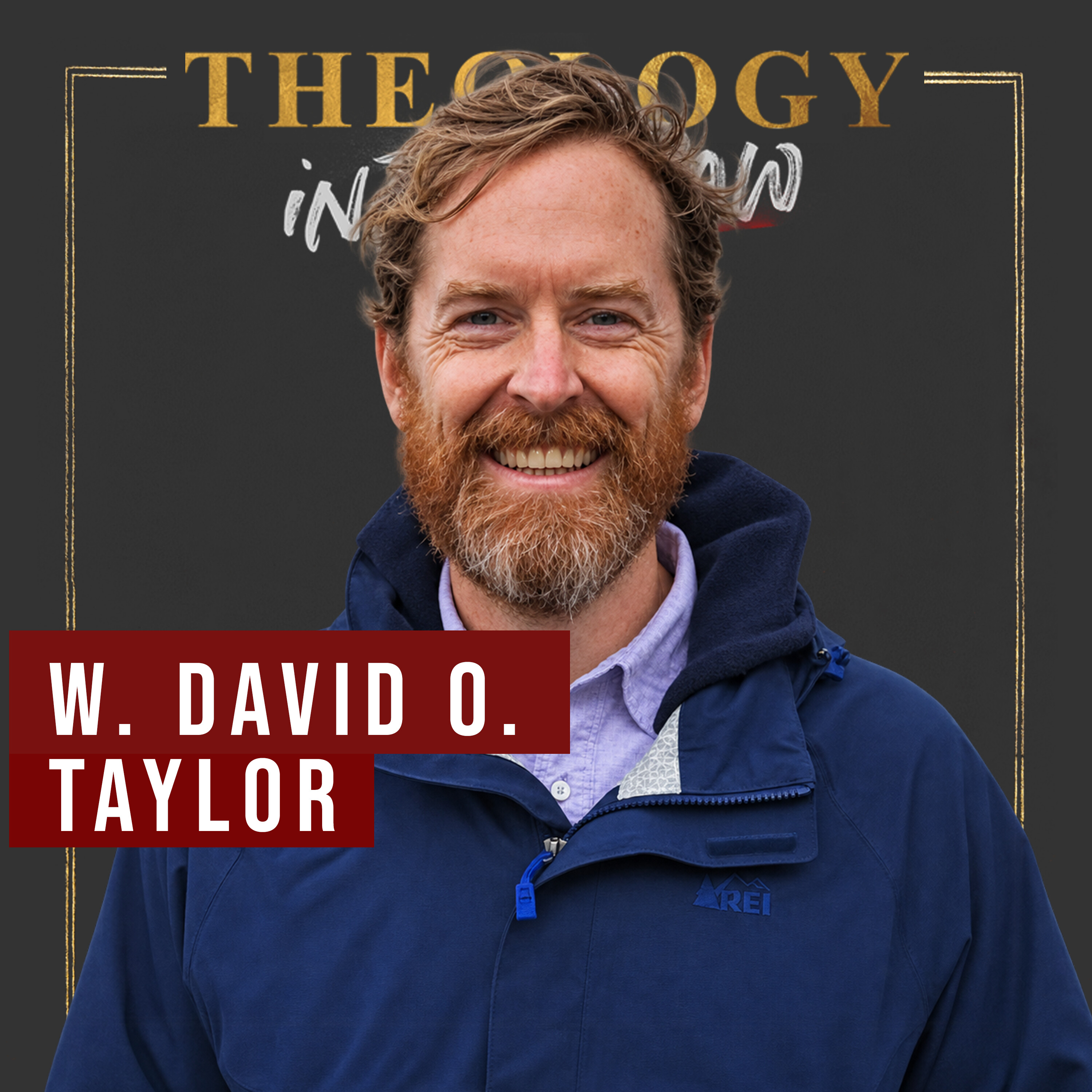
Do Christian artists have to make explicitly Christian art to serve God? David Taylor challenges the idea that art needs an obvious Bible lesson to matter. Artists serve the common good through their craft, and their work helps shape how we see the world. We talk about why Christian art can fall short when it neglects craft, how artists make meaning through music, film, design, and everyday spaces, and why artists can help us notice things the rest of us miss. We also discuss creative interpretation in projects like The Chosen and what it means to be faithful to a story. David Taylor is associate professor of theology and culture at Fuller Theological Seminary and the author of ten books. His latest book is To Set the World Aflame: How Artists Bear Witness to the Fullness of God’s Creation. Chapters 00:00 Do Christian Artists Have to Make Christian Art? 02:54 Artists, Vocation, and the Common Good 07:48 How Art Shapes Meaning and Belonging 11:36 What Makes Art Good? Craft, Taste, and P
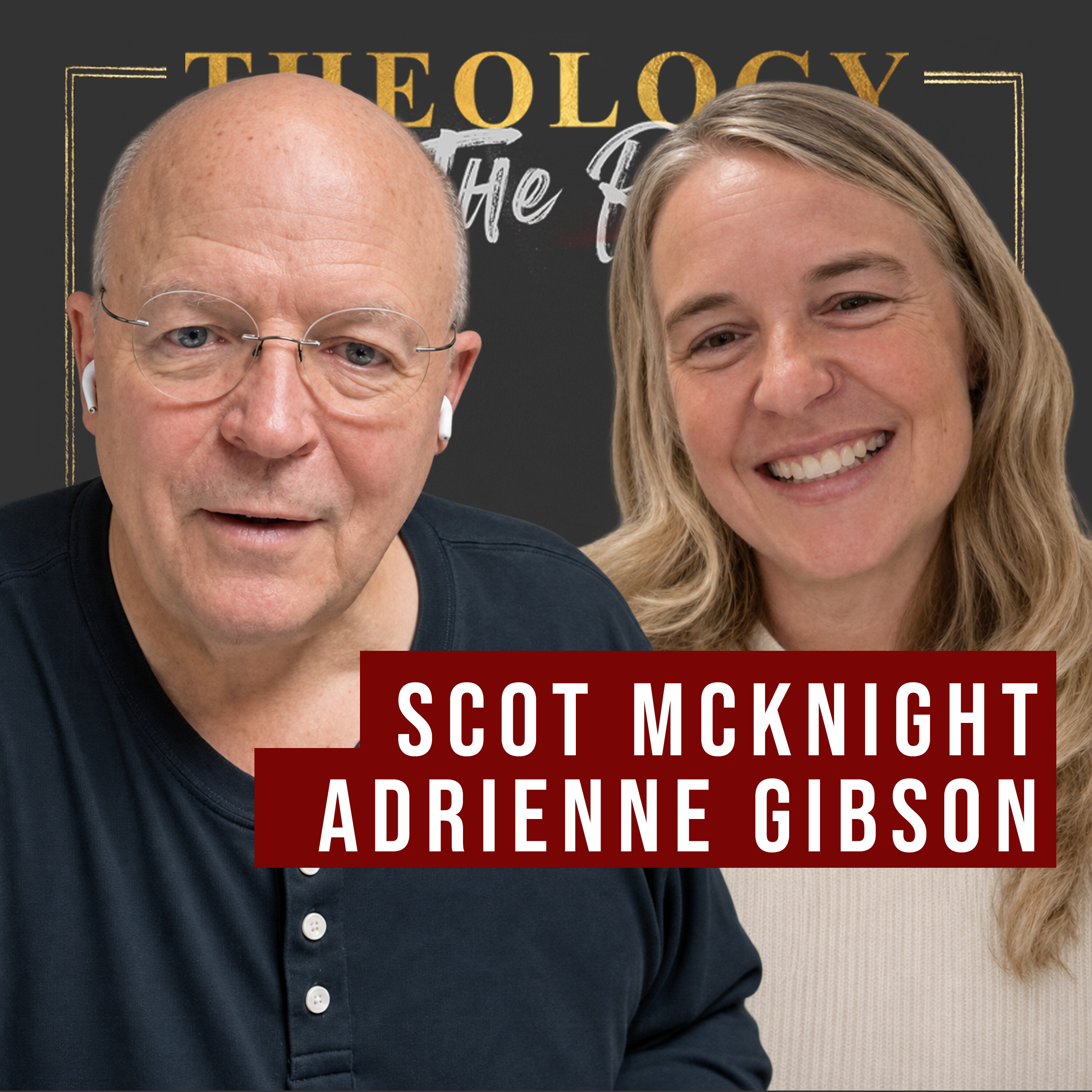
Was the Apostle Paul traumatized by the church he helped establish? New Testament scholar Scot McKnight and licensed professional counselor Adrienne Gibson join me to explore church trauma, pastoral burnout, and what Paul’s relationship with the Corinthians reveals about wounded ministry leaders. We’ve rightly become more aware of spiritual abuse and the harm caused by church leaders. But what happens when pastors, ministry leaders, and volunteers are hurt by the people they serve? Drawing on their book, Traumatized Church: What Paul’s Relationship with the Corinthian Church Teaches Us about Helping Those Who Are Hurting, Scot and Adrienne bring biblical scholarship and counseling experience into this often overlooked conversation. We discuss what trauma actually means, how it differs from discomfort, why the same experience affects people differently, and how biblical teaching can reopen wounds when Scripture has previously been used to justify abuse. Adrienne also explains why pastor
People selling health products should provide evidence for their claimed benefits.
Share your view, then see how readers voted. No sign-in required. This poll is shared across stories.
Do you agree or disagree?
Common Quandary
A Common Quandary to discuss
Another conversation to explore, separate from this news story.
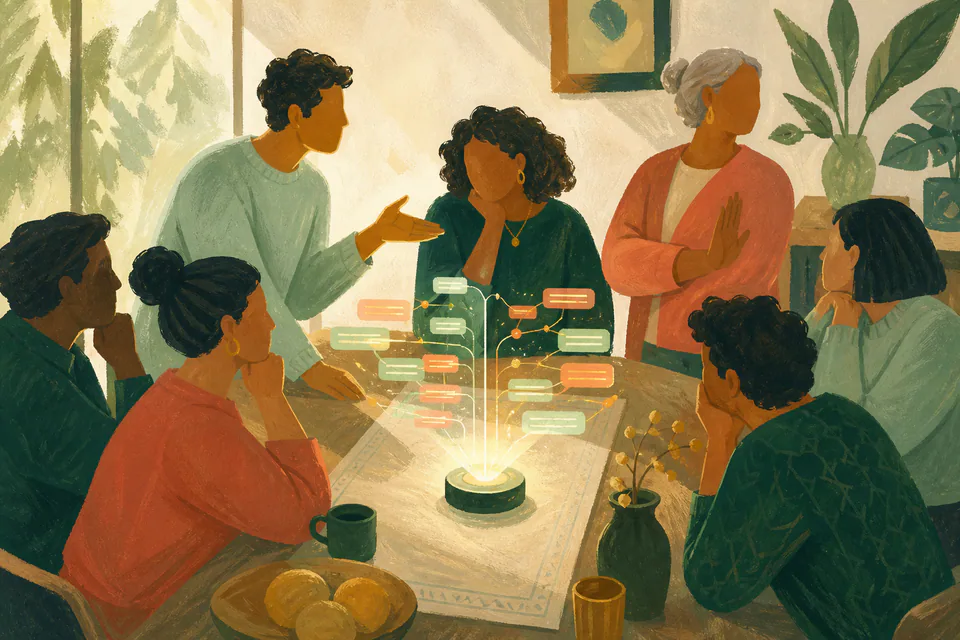
Your family wants an AI to settle an old argument. Would you hand over the group chat?
A recurring family dispute has reached the point where nobody agrees on what was actually said. Your cousin proposes uploading five years of the family group chat to an AI that can reconstruct events, flag contradictions, and recommend a fair resolution. Nearly everyone agrees—but one relative refuses.
Can a tool make a family argument fair without turning intimacy into evidence?