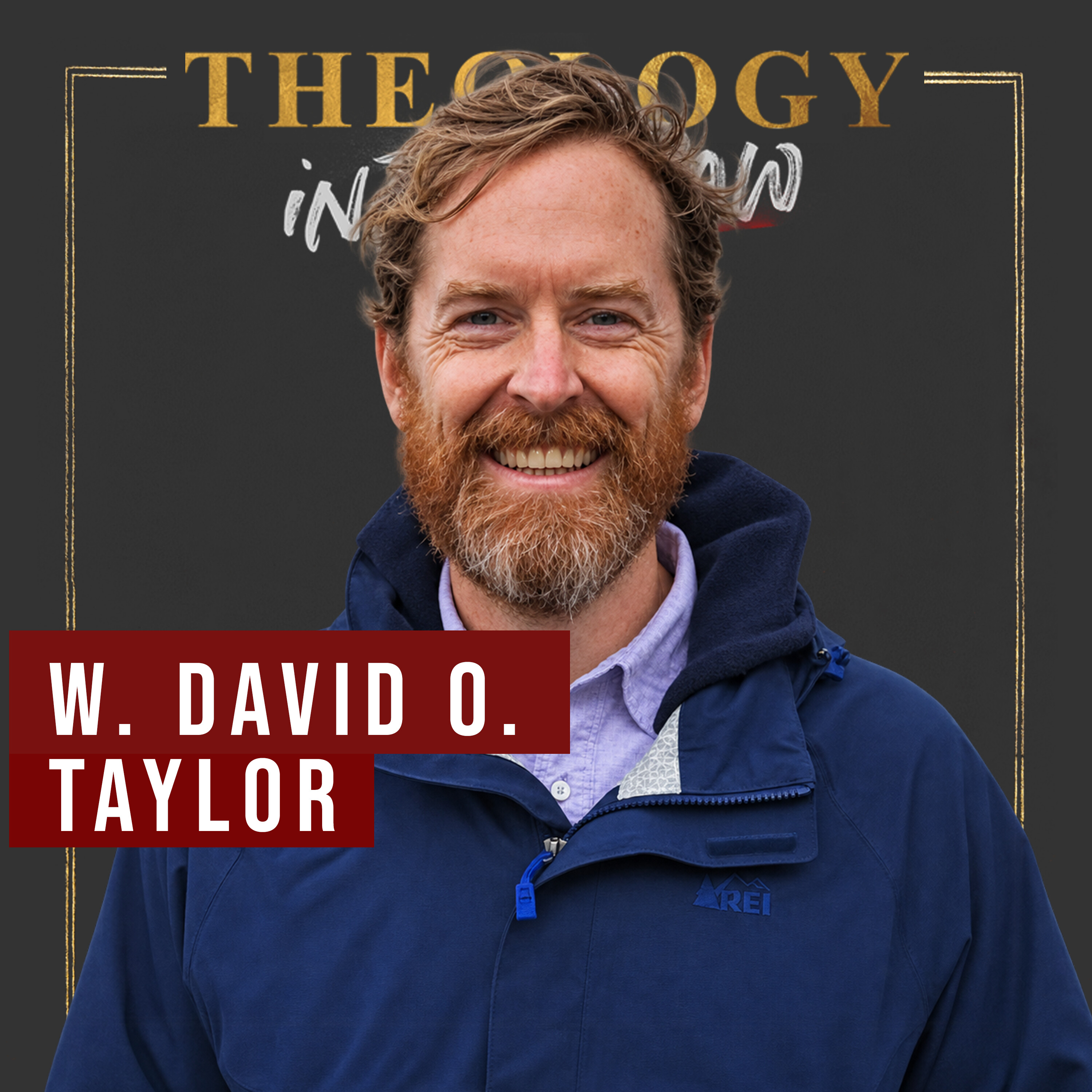
What Is Art For? David O. Taylor on Faith, Creativity, and the Common Good
61 min
Listen through the publisher, then discuss the episode here or arrange an in-person Roundtable. Your city determines where to meet.
Roundtables are designed for groups of four, with a shared subject and room for everyone to speak. Come for discussion, with no dating expectation.
Do Christian artists have to make explicitly Christian art to serve God? David Taylor challenges the idea that art needs an obvious Bible lesson to matter. Artists serve the common good through their craft, and their work helps shape how we see the world. We talk about why Christian art can fall short when it neglects craft, how artists make meaning through music, film, design, and everyday spaces, and why artists can help us notice things the rest of us miss. We also discuss creative interpretation in projects like The Chosen and what it means to be faithful to a story. David Taylor is associate professor of theology and culture at Fuller Theological Seminary and the author of ten books. His latest book is To Set the World Aflame: How Artists Bear Witness to the Fullness of God’s Creation. Chapters 00:00 Do Christian Artists Have to Make Christian Art? 02:54 Artists, Vocation, and the Common Good 07:48 How Art Shapes Meaning and Belonging 11:36 What Makes Art Good? Craft, Taste, and Popularity 18:53 Does Popularity Make Art Good? 27:19 Why Christian Art Gets a Bad Rap 31:07 The Chosen and Creative Interpretation 35:35 Are Artists More Perceptive Than the Rest of Us? 40:25 Imagination, Emotion, and the Aesthetic Life 44:33 The Odyssey: Liking a Film vs. Evaluating It 49:03 What Makes an Adaptation Faithful? 51:44 Can Artists Change Sacred Stories? 55:41 Art, Historical Truth, and the Limits of Interpretation
Episode information is provided by the publisher. Listening takes place on the publisher’s service.
Psalms 3–8 E3 — So far we’ve seen David desperate for help in Psalm 3 and confident of victory in Psalm 4, but his tone is decidedly different in Psalm 5. On the morning his supporters will face his son Absalom’s army in battle, he approaches God like a king and judge at the city gates to make his case for God to take his side. David appeals to God’s justice and loyal love, his own devotion, and his enemies’ wickedness. But why would anyone so confident of God’s faithfulness feel the need to make their case like this? In this episode, Jon and Tim explore Psalm 5, a shaken king’s appeal for justice to Yahweh, his own true King. PSALMS 3–8 BIBLEPROJECT TRANSLATION CHAPTERS Series Recap and Overview of Psalm 5 (0:00–15:21) David Stands Before His King and Judge (15:21–29:20) David Makes His Case (29:20–52:57) A Response of Preemptive Joy (52:48–1:03:25) OFFICIAL EPISODE TRANSCRIPT View this episode’s official transcript. (https://d1bsmz3sdihplr.cloudfront.net/media/psalms-3-final-transcri
Ole Miss students were caught on a Ring camera making monkey sounds outside a Black student's apartment, Tizzyents finally faced her reckoning, and Joe Rogan snapped. David Lee Corbo breaks down the most controversial culture stories of the week. The David Lee Corbo Show is unfiltered cultural commentary on comedy, politics, faith and the news everyone's arguing about. In this episode: - Ole Miss Ring cam monkey sounds controversy - Tizzyents' reckoning - Joe Rogan snaps - Hot takes from the live chat Watch on YouTube, Rumble, Kick and X. Follow David on X: https://x.com/DavidLCorbo Instagram: https://www.instagram.com/thedavidleecorboshow Kick: https://kick.com/thedavidleecorboshow Watch the replay on YouTube: https://www.youtube.com/watch?v=ECdP3s64ya8 Check out TopLobsta on YouTube: https://www.youtube.com/@toplobsta WIN A FREE NDS T-SHIRT (tees from @TopLobsta): post an honest review of Nephilim Death Squad on Spotify (https://open.spotify.com/show/2x4aXJZGcy50Atm59HOFdr), Apple Po
Monday Daily Affirmations: Called by Name and Belonging to God (Isaiah 43:1) Start your Monday with confidence, peace, and purpose. These daily Christian affirmations are a short but powerful way to realign your heart and mind with biblical truth before the week begins. Today's affirmations are all about identity: who God says you are, and what changes when you believe it. Speak life over your day, renew your faith, and step into God's promises with Scripture straight from His Word. I'll read each phrase, you repeat it, and then I'll tell you the Scripture it comes from. Links AD-FREE Daily Affirmations are on my Patreon: Patreon (https://www.patreon.com/c/HearingJesus) Join me on an immersive Bible Study Experience. Learn more at BibleStudyLive.org (https://biblestudylive.org/) Have a question? Before we begin Take a deep breath. This is a new day filled with God's grace and purpose. You are not defined by your past, or your mistakes, or the opinions of others. You are defined by the
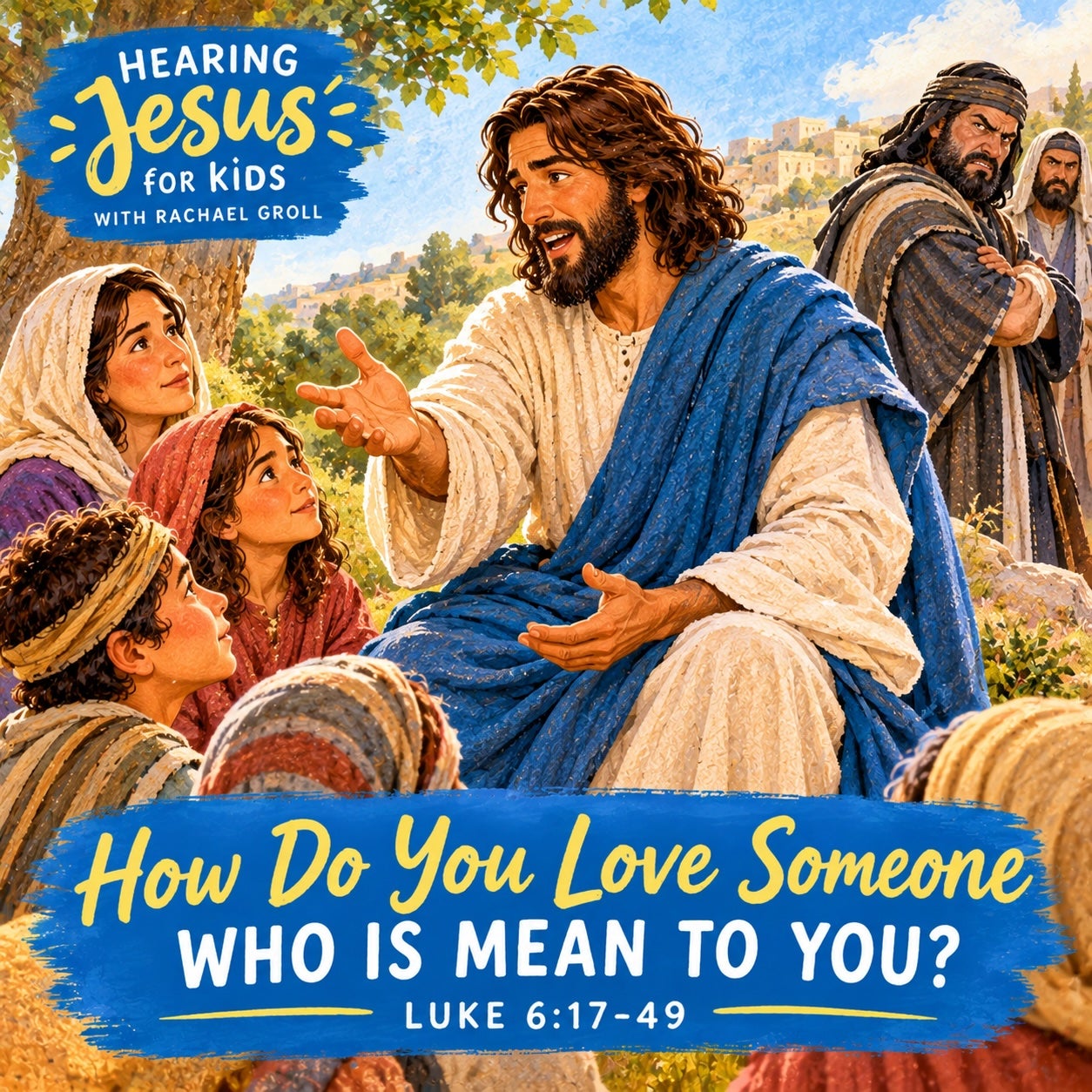
How Do You Love Someone Who Is Mean to You? (Luke 6:17-49) | Kids Devotional and Bible Story What if the people with the hardest lives are actually the most blessed? In this kids devotional, Jesus comes down from the mountain to a huge crowd, heals everyone who came, and teaches the Beatitudes, which turn the world's idea of success upside down. Kids also hear Jesus' hardest instruction, to love your enemies, along with the story of two builders and why a life built on His words stands firm when the storms come. You don't have to pretend to like being treated badly, but you can choose not to pay back hate with hate. It's a short Bible story for families, about five minutes, with a simple prayer at the end. Talk about it together: What's the difference between loving someone and liking them? Can you love someone you don't get along with? ☆Have a question for Rachael? Ask it here: Ask Rachael a Question (https://www.speakpipe.com/HearingJesusPodcast) ☆The Hearing Jesus for Kids Podcast i
Defining the theological virtue of hope as a resilient disposition of the will, Prof. David Elliot illustrates how reliance on God's grace and our natural longing for happiness can sustain us in our journey to our heavenly homeland. This lecture was given on September 4th, 2026, at Dominican House of Studies. About the Speaker: David Elliot is the Grace P. Hobelman Endowed Chair in Catholic Moral Theology at The Catholic University in Washington, DC, specializing in St. Thomas Aquinas, moral theology, virtue ethics, and scholastic theology. He received his Ph.D. in moral theology at the University of Notre Dame in 2014, was awarded a 3-year postdoctoral position in Theological Ethics at Cambridge University, and came to CUA in 2017. He has published widely on topics such as virtue ethics, the theological virtue of hope, growth in Christian virtue, "spiritual training" or Thomistic asceticism, grace and the moral life, the history of Latin scholastic theology, art and morality, sexual e
FREE DOWNLOAD: https://www.terri.com/gratitude-scriptures-and-faith-affirmations/ GET YOUR OWN THANK YOU JESUS SWEATSHIRT: https://www.terri.com/product/thank-you-jesus-puff-print/ TWO DAYS TO DISCOVER THE RECIPE FOR LIVING YOUR DREAMS! ICING WOMEN’S CONFERENCE IN DALLAS, APRIL 16–17. YOUR TICKET AWAITS: https://www.terri.com/icing/ THANK YOU to our Partners—you make this ministry possible! Have you taken time to reflect on just how good God has been to you this year? Taking time to recognize His faithfulness can change your perspective, strengthen your faith, and help you finish the year with a grateful heart! In her Christian motivational podcast, Terri Savelle Foy shares 3 simple ways to develop a heart of gratitude, shift your perspective, and finish the year strong. These practical steps will help you recognize God's goodness, celebrate His blessings, and move into the year ahead with renewed faith and expectation. You’ll learn how to: *Finish the year with a grateful heart *Devel
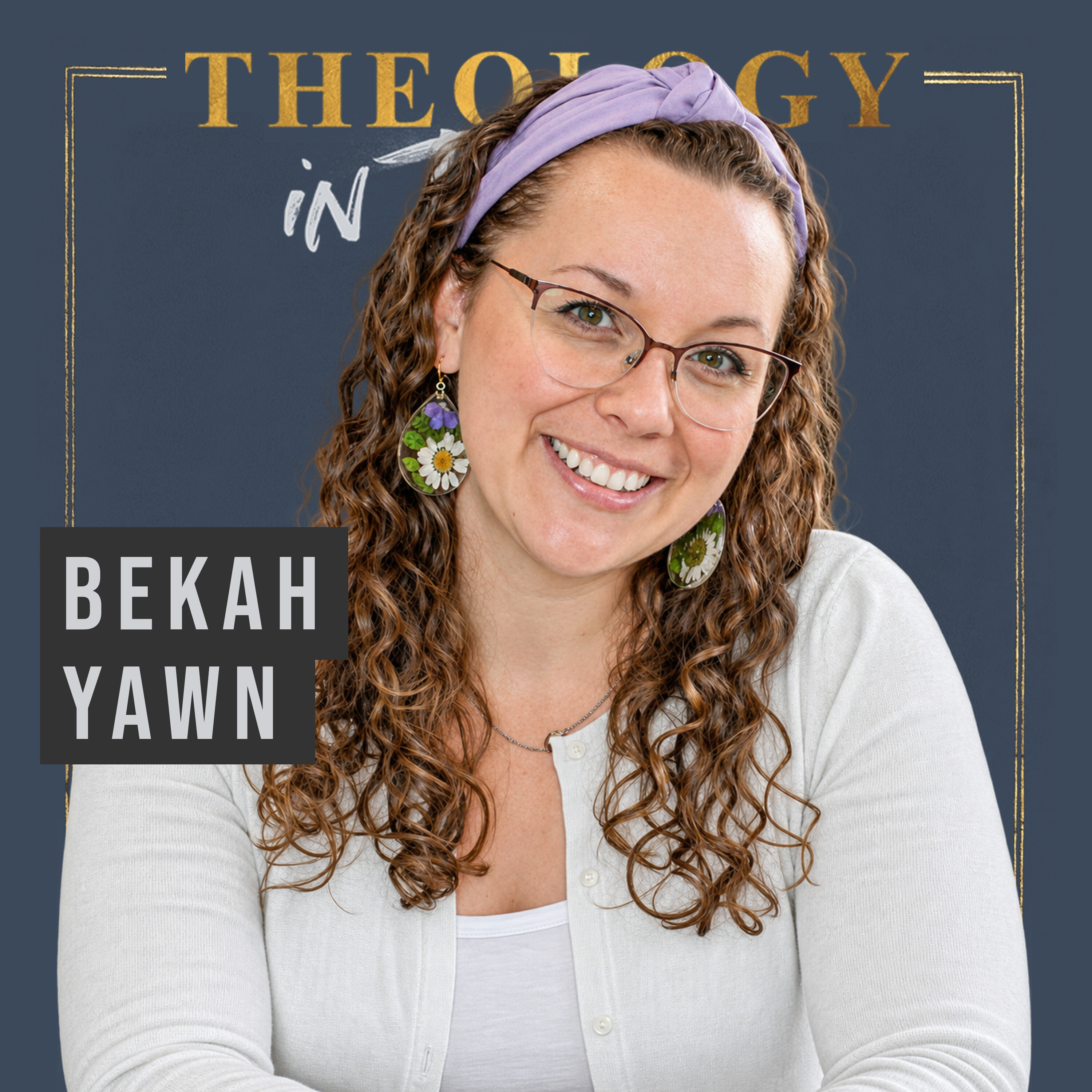
What happens when your church celebrates growing families while you’re grieving a miscarriage or struggling to conceive? How do you hold on to faith when the children you’ve prayed for haven’t come? Bekah Yawn joins Preston to discuss infertility, pregnancy loss, and how the church can better care for women and couples experiencing both. Drawing on her own experience of three pregnancy losses, Bekah shares the loneliness of grieving in a church culture that can make motherhood feel like the measure of a woman’s faithfulness. They explore infertility in the biblical storyline, the relationship between motherhood and Christian calling, and finding purpose when life looks different from what you hoped. They also discuss spiritual warfare, fertility awareness, and Bekah’s convictions about IVF—subjects on which Christians hold differing views. At the heart of the conversation is a practical question: How can we offer more than “I’m sorry” to families navigating infertility and miscarriage?
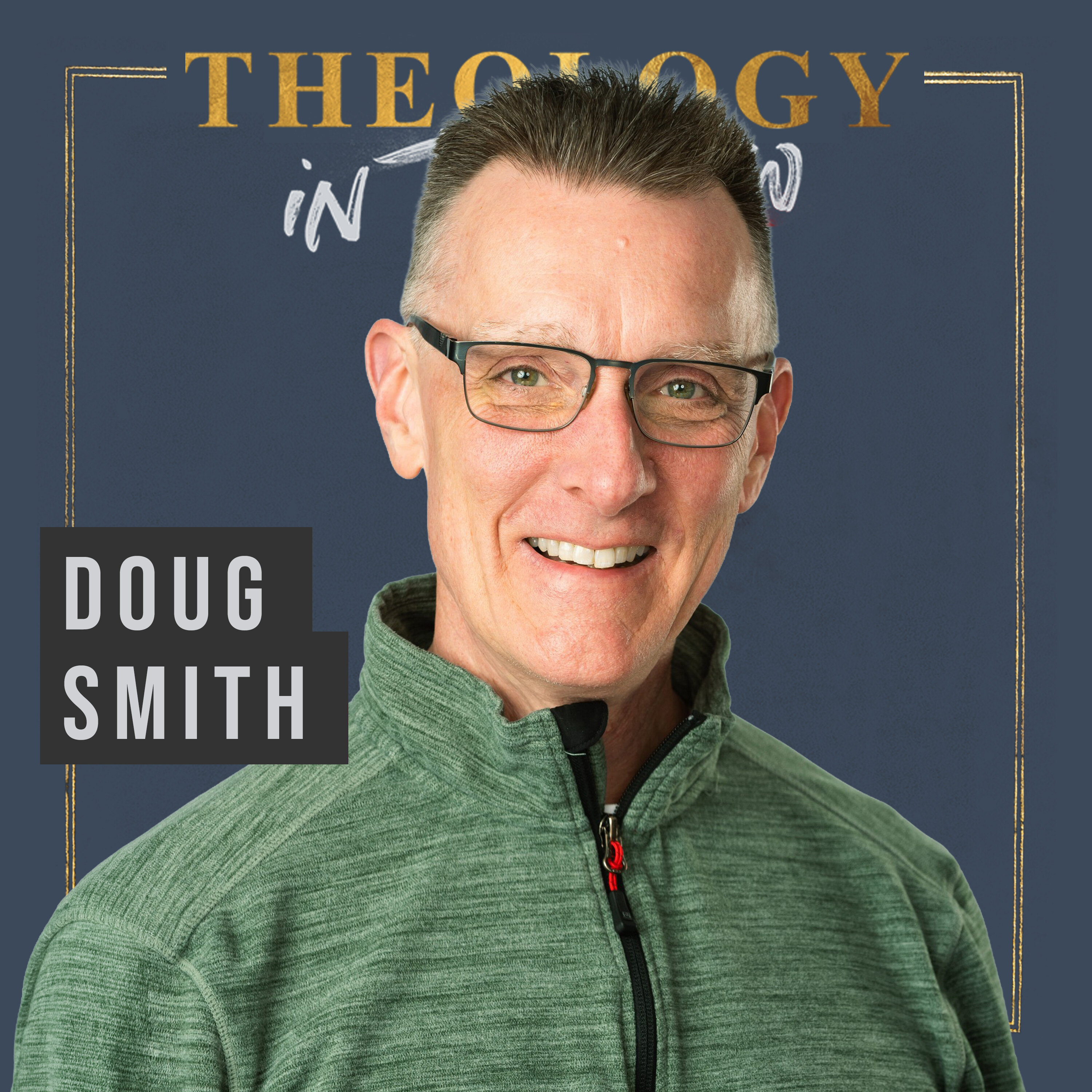
AI doesn’t have to become conscious or take over the world to change us. Doug Smith argues that chatbots are already shaping how we think, what we trust, and how we relate to other people—and that they’re designed to keep us coming back. Doug is a software engineer and author of Unintelligence: The Lies Behind Today’s AI and the Truths You Need to Thrive. He joins Preston to discuss the risks AI leaders themselves raise, the worldview behind the push toward superintelligence, and the ways Christians can respond without giving in to fear. They also talk about what AI can and can’t know, why chatbot relationships can become so compelling, and how to use these tools with caution. Chapters: 00:00 AI’s biggest danger is already here 02:17 How AI is shaping us 05:42 The worldview behind the AI race 07:03 What does “intelligence” mean? 12:29 The transhumanist vision 17:38 Could AI actually destroy humanity? 29:11 How likely is an AI catastrophe? 34:55 A fragile, tech dependent society 44:33 W
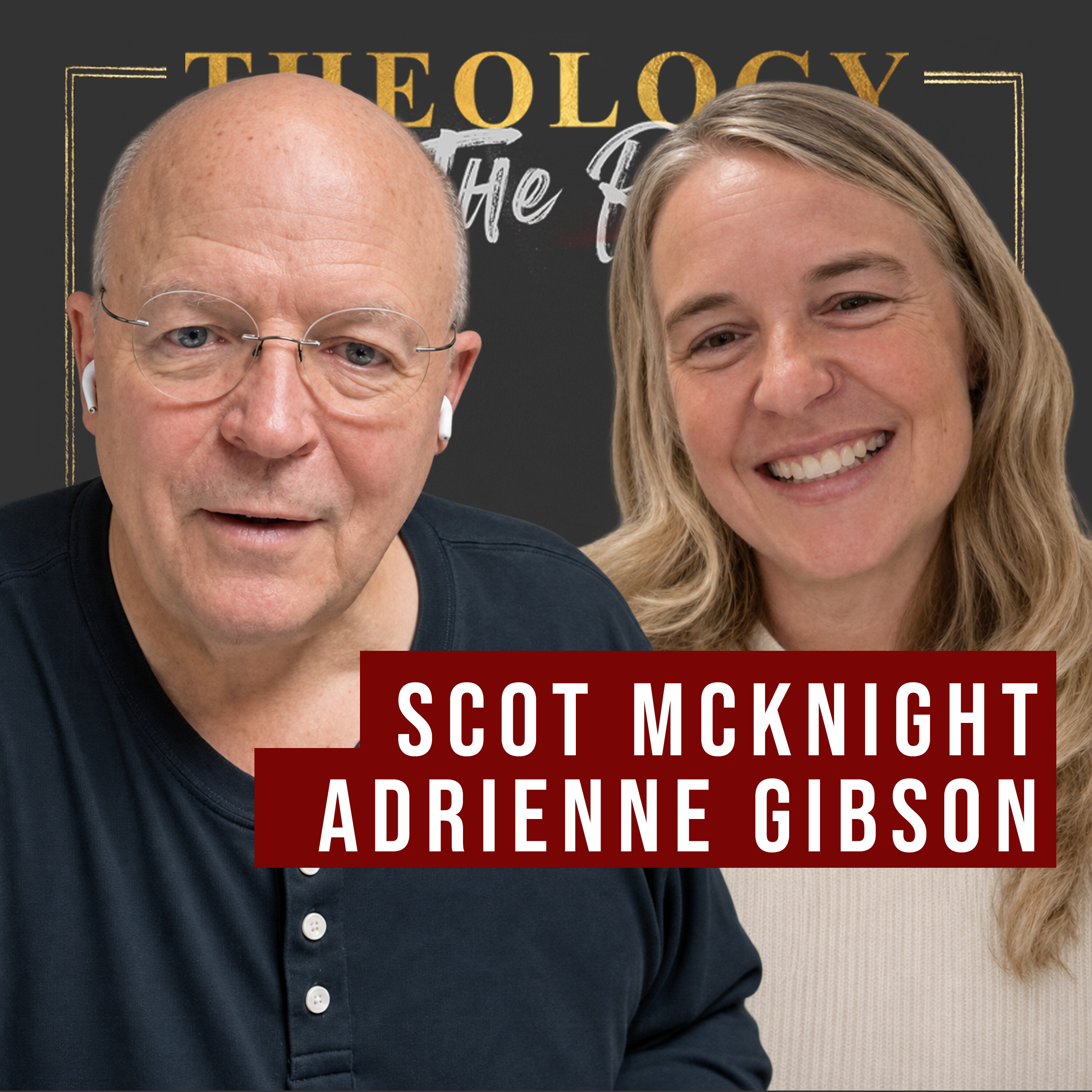
Was the Apostle Paul traumatized by the church he helped establish? New Testament scholar Scot McKnight and licensed professional counselor Adrienne Gibson join me to explore church trauma, pastoral burnout, and what Paul’s relationship with the Corinthians reveals about wounded ministry leaders. We’ve rightly become more aware of spiritual abuse and the harm caused by church leaders. But what happens when pastors, ministry leaders, and volunteers are hurt by the people they serve? Drawing on their book, Traumatized Church: What Paul’s Relationship with the Corinthian Church Teaches Us about Helping Those Who Are Hurting, Scot and Adrienne bring biblical scholarship and counseling experience into this often overlooked conversation. We discuss what trauma actually means, how it differs from discomfort, why the same experience affects people differently, and how biblical teaching can reopen wounds when Scripture has previously been used to justify abuse. Adrienne also explains why pastor
Commercially funded research should disclose sponsors' influence over its design and publication.
Share your view, then see how readers voted. No sign-in required. This poll is shared across stories.
Do you agree or disagree?
Common Quandary
A Common Quandary to discuss
Another conversation to explore, separate from this news story.
The sign says twelve items and you have fourteen. Is the express lane still yours?
The regular checkout lines are long and the express lane is empty. You count fourteen small items, two over the posted limit. A shopper approaches behind you carrying a single carton of milk as the cashier waves you forward.
Are small rules optional when enforcing them would seem fussier than breaking them?