Is China Aging Out of Power? A Conversation With Carl Minzner
51 min
Listen through the publisher, then discuss the episode here or arrange an in-person Roundtable. Your city determines where to meet.
Roundtables are designed for groups of four, with a shared subject and room for everyone to speak. Come for discussion, with no dating expectation.
In 2021, China’s population hit a peak of 1.4 billion and then rapidly started to decline. This demographic picture presents enormous challenges in its own right. But Carl Minzner stresses in a new essay in Foreign Affairs that what makes China’s future “especially bleak” is the convergence of a demographic decline and political paralysis. This, Minzner argues, is the real story of twenty-first-century China. That convergence will define Chinese foreign policy, threaten Chinese stability, and call into question the future of Chinese Communist Party rule. Dan Kurtz-Phelan spoke with Minzner, a scholar of China at Fordham University and the Council on Foreign Relations, about the drivers of these demographic trends; about how and why Xi Jinping and Chinese policymakers are making the problem worse rather than better; about what those problems portend for Chinese power in the decades ahead; and about why all of this should serve as a warning for the United States. You can find sources, transcripts, and more episodes of The Foreign Affairs Interview at https://www.foreignaffairs.com/podcasts/foreign-affairs-interview.
Episode information is provided by the publisher. Listening takes place on the publisher’s service.
Runaway government spending, rising costs, and a new wave of legal battles over constitutional rights. With Democrats preparing to take control of Congress and several state governments, Republicans are confronting a very different political landscape. John Solomon and Amanda Head welcome Montana Senator-elect Kurt Alme, who says Washington must get serious about reining in spending, lowering inflation, and making everyday life affordable again. Already preparing for his arrival in the Senate, Alme discusses his priorities for protecting Montana's way of life, keeping taxes low, creating good-paying jobs, and working across party lines when possible. He also addresses the challenges Republicans face in the minority, the remaining lame-duck session, and concerns about efforts to expand the Supreme Court and eliminate the filibuster. Then, Southeastern Legal Foundation President Kimberly Hermann joins the show with a warning about potential policy reversals in states where Democrats have
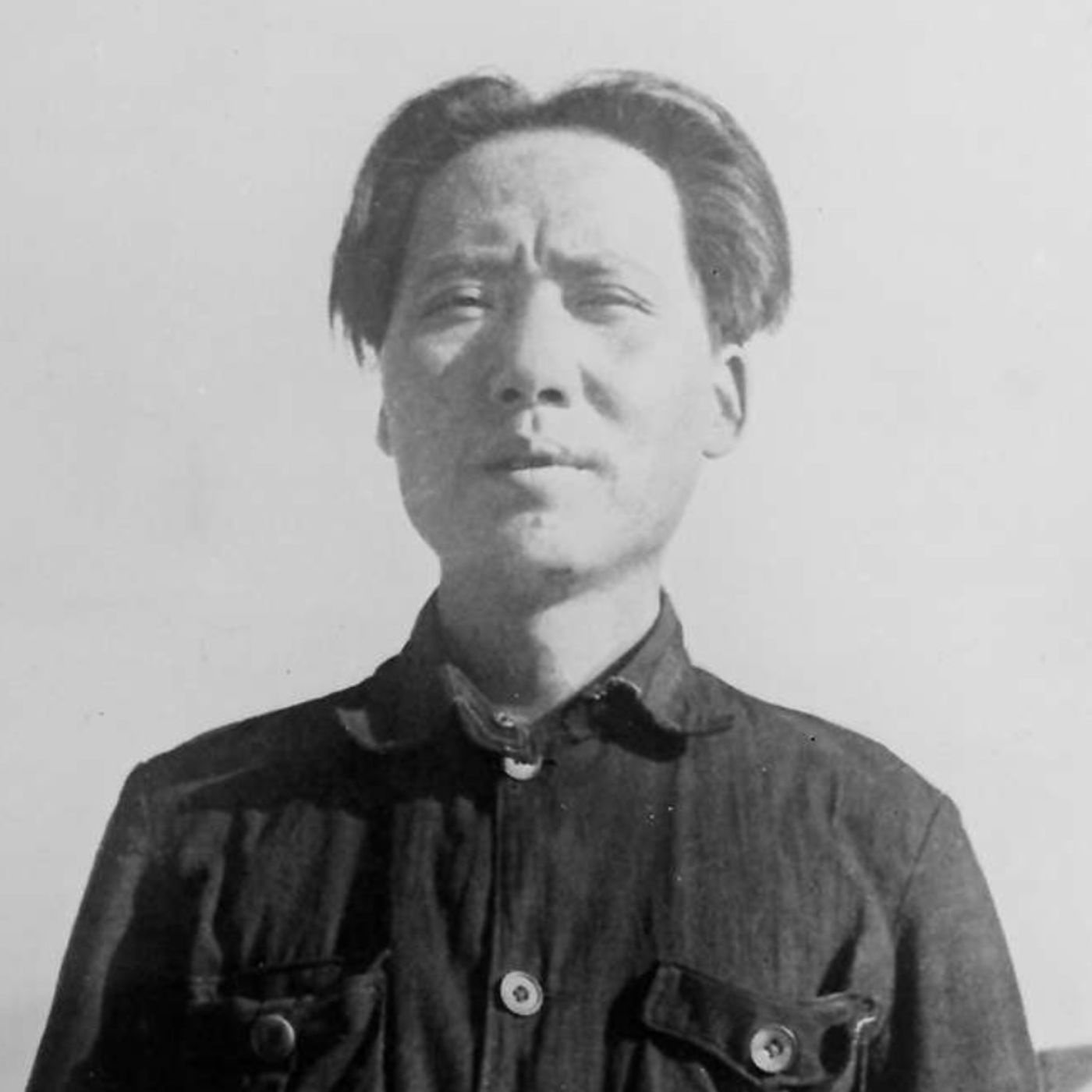
1937 MAO Princelings in Power: The Contrasting Political Legacies of Bo Xilai and Xi Jinping — Part Two Tania Branigan, author of Red Memory: The Afterlives of China’s Cultural Revolution, explains how the princelings Bo Xilai and Xi Jinping endured family persecution and rural labor during the Cultural Revolution. She contrasts Bo’s flamboyant rise and murder-scandal downfall in Chongqing with Xi’s consolidation of power through revived revolutionary nostalgia. (5)V
From July 7, 2025: Winnona Bernsen, nonresident fellow at the Atlantic Council’s Cyber Statecraft Initiative and founder of DistrictCon (https://www.districtcon.org/), joins Lawfare Contributing Editor Justin Sherman to discuss her recently released report "Crash (Exploit) and Burn: Securing the Offensive Cyber Supply Chain to Counter China in Cyberspace (https://www.atlanticcouncil.org/in-depth-research-reports/report/crash-exploit-and-burn/)." They discuss the offensive cyber industry, the private sector and individual players, and the government procurement pipelines in the United States and China. They also discuss the strengths and weaknesses of each country’s offensive cyber procurement ecosystem, what it takes to sell an exploit, Winnona’s findings on the markups that middlemen add to exploit sales, and what it all means for the future of competition and cybersecurity. Hosted on Acast.
A secret relationship can create leverage even before anyone makes a threat. That is the question Tony Brueski puts to Robin Dreeke, retired FBI Special Agent and former chief of the FBI’s Counterintelligence Behavioral Analysis Program, as they unpack the reporting around former Nvidia CEO Jensen Huang. Huang admitted infidelity and resigned in November 2026. Reports linked his affair to Alice Huang, a former Megaspeed executive whom U.S. intelligence reportedly suspected of acting for China. Those suspicions remain unproven publicly. Reuters says it could not independently confirm the alleged intelligence connection; Beijing denies it. Nvidia’s board has said it has no reason to believe company secrets or national security were compromised. That leaves plenty to investigate, but it does not establish blackmail, recruitment or disclosure of protected information. Robin explains why counterintelligence investigators focus on incentives and access, not just intercepted orders or dramati
This week on The Necessary Conversation, it's Chad, Haley, and Mary Lou. Bob is still recovering but sent in a video message about Trump calling Putin his friend that we watch together. 🇷🇺 Trump held the first-ever three-way talks with Putin and Xi, called it a "12 out of 10," and produced nothing. Then at a press conference he called Putin his friend — and when asked if Putin is a friend to America, the president of the United States said, "I can't speak to America." That same day, Trump's friend Putin launched massive strikes into Ukraine, hit Poland with two missiles — an act of war against a NATO ally — then struck near a Ukrainian restaurant and drone-bombed the first responders, killing a 7-year-old child and a 20-year-old paramedic. We watch Bob's video and ask Mary Lou: is Russia our friend? 🇨🇳 The House Foreign Affairs Committee revealed Trump's Commerce Department approved nearly 880,000 advanced AI chips for Chinese military-linked companies including Alibaba, Tencent, a
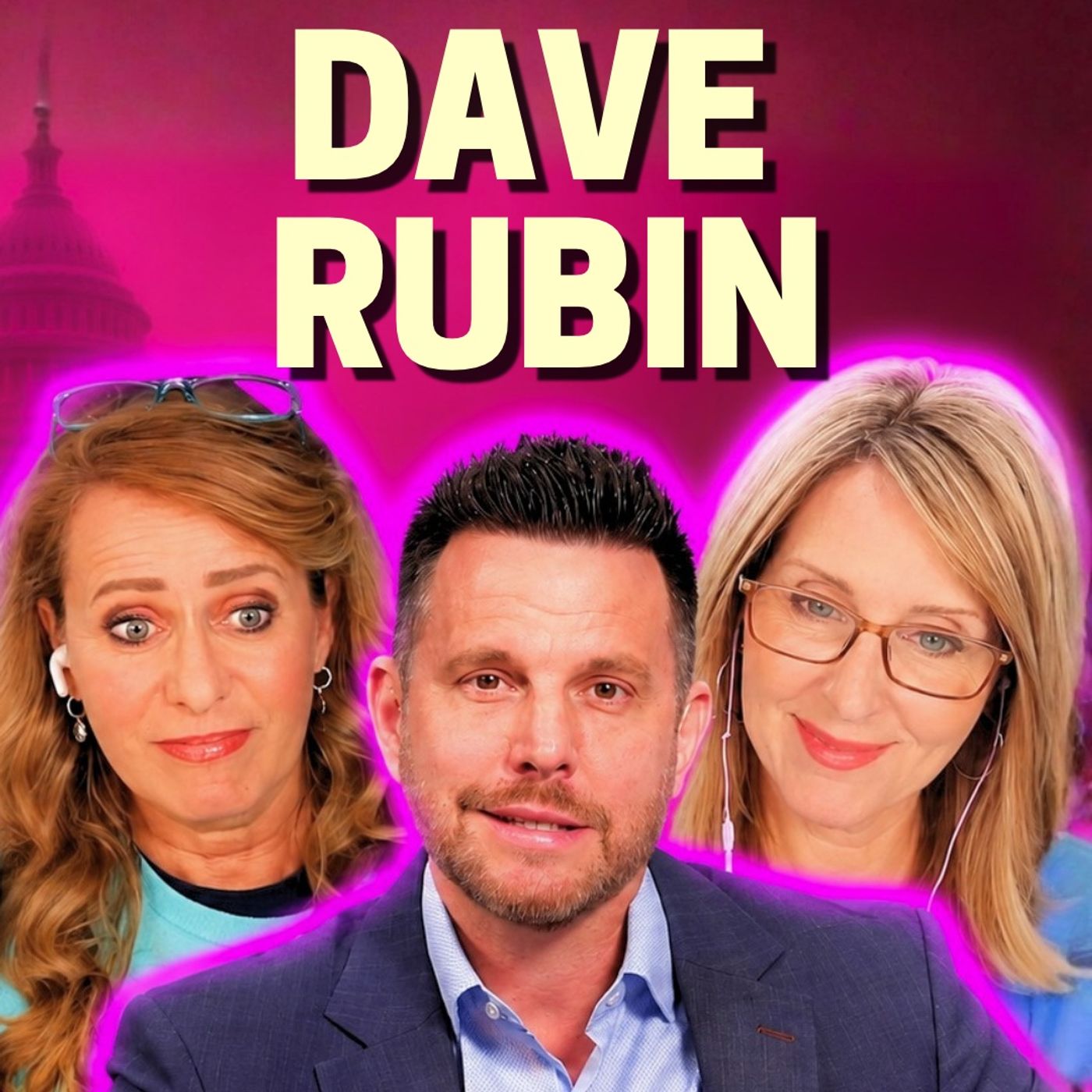
Is the Republican Party heading for a major reckoning in 2028? Dave Rubin joins The Chicks on the Right for a brutally honest conversation about Trump's final two years, the future of the GOP, and the growing divisions threatening conservatives. Dave weighs in on the Republican Party's recent election losses, whether JD Vance, Marco Rubio, or Ron DeSantis can carry Trump's agenda forward, and why he's increasingly concerned about the political direction of America. The conversation heats up as Dave takes on Nick Fuentes, the rise of extremist voices on the right, and the socialist movement gaining influence within the Democratic Party. He also discusses radical Islamism, antisemitism, the dangers of online outrage, and why he believes Western civilization faces serious challenges. Plus, with cyberattacks, banking disruptions, and nationwide outages raising concerns, Dave shares his thoughts on whether Americans should be preparing for more chaos. And don't miss the lighter side of Dave
The Democrats’ sweeping victory in the midterm elections this week marks not only the start of a new phase for Donald Trump’s foreign policy. It also kicks off a more intensive discussion among both Democrats and Republicans about the future of American foreign policy beyond Trump. Dan Kurtz-Phelan spoke with two foreign policy veterans who have participated in these debates inside and outside government, including in Foreign Affairs. Kori Schake, the director of foreign and defense policy studies at the American Enterprise Institute, served in the State Department and on the National Security Council under George W. Bush. Tom Wright was senior director for strategic planning at the National Security Council under Joe Biden and is now a senior fellow at the Brookings Institution. All of these debates will have to contend with big questions about specific policies, from China and the Middle East to AI and defense spending. They also involve deep and often bitter fissures between and wit
Cost should not prevent students from joining school activities.
Share your view, then see how readers voted. No sign-in required. This poll is shared across stories.
Do you agree or disagree?
Common Quandary
A Common Quandary to discuss
Another conversation to explore, separate from this news story.
Your anonymous review could cost a coworker a promotion. Do you sign your name?
A company requests anonymous feedback about a colleague being considered for promotion. You have serious concerns based on direct experience, but anonymity prevents them from asking questions or understanding the context of your criticism.
Does honest criticism require accepting personal accountability for it?