English-language podcasts

Off the Couch Psychology

Is It Rebellion or Something Worse?

32 min

Listen through the publisher, then discuss the episode here or arrange an in-person Roundtable. Your city determines where to meet.

Roundtables are designed for groups of four, with a shared subject and room for everyone to speak. Come for discussion, with no dating expectation.

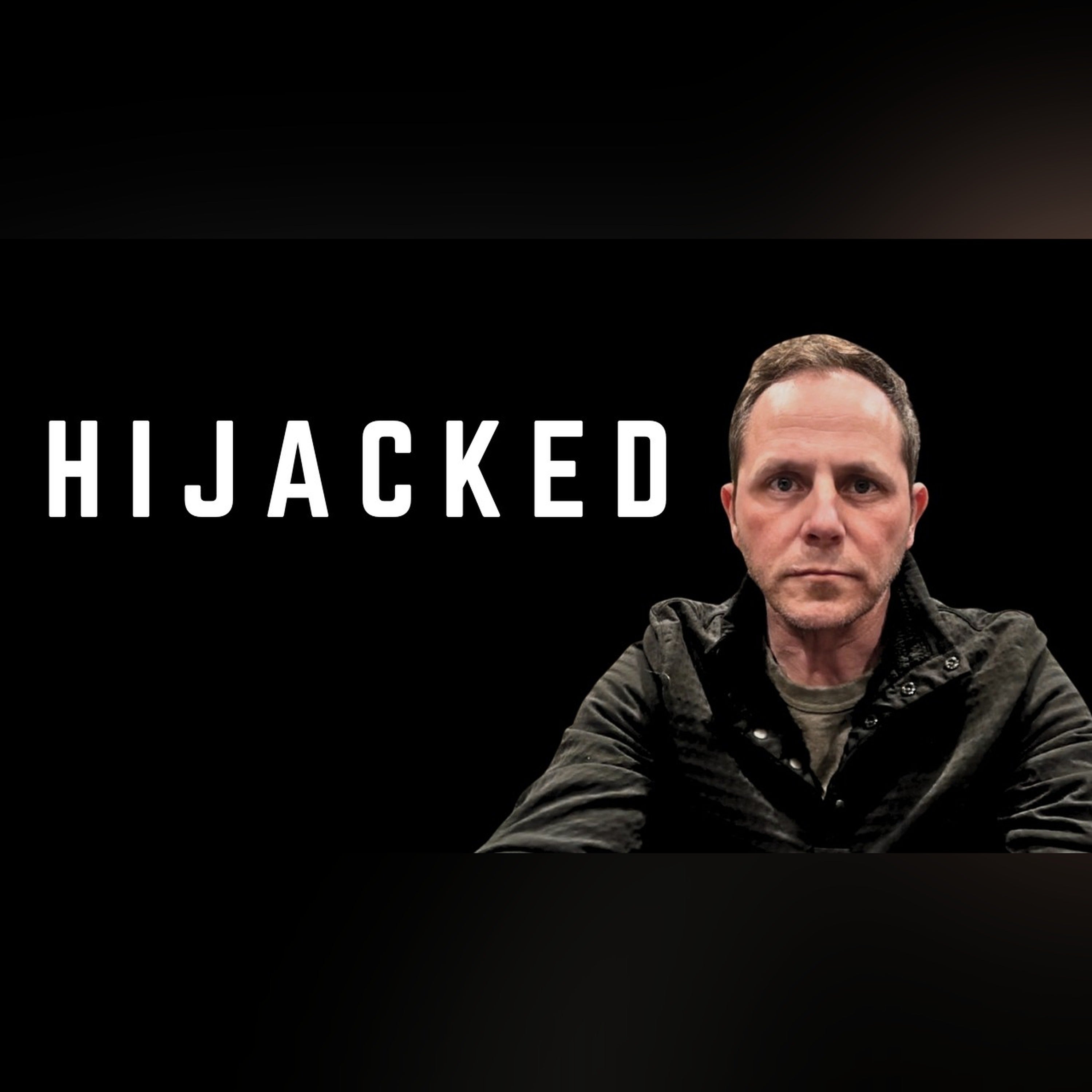
"He's just manipulative." "She's only doing it for attention." But what happens when a child's defiance becomes something much more serious? Every teenager argues, breaks rules, or tests boundaries, but how do you know when those behaviors signal a psychological disorder? And could those behaviors eventually lead to criminal activity or Antisocial Personality Disorder? In this episode of Off the Couch Psychology Podcast, Dr. Jerry Cunningham explores the differences between Oppositional Defiant Disorder (ODD) and Conduct Disorder (CD), using two teenagers' stories to reveal how these conditions affect families, schools, and relationships. You'll discover what separates ordinary teenage rebellion from serious behavioral problems, how these disorders can develop over time, and what research tells us about their long-term consequences. We'll also explore effective treatments, the role of parents and the juvenile justice system, and what the movie Thirteen teaches us about troubled adolescents. Can early intervention change a child's future? And when does defiance become something more dangerous? Listen to find out. Key Takeaways ODD vs. Conduct Disorder: Understand the differences between persistent defiance and serious violations of rules and others' rights. The Risk of Progression: Learn how ODD can sometimes develop into Conduct Disorder and how both relate to Antisocial Personality Disorder. Recognizing Warning Signs: Discover behaviors that may indicate a teenager needs professional evaluation. Treatments That Work: Explore Behavioral Parent Training, cognitive behavioral interventions, and family-based treatment approaches. The Importance of Early Intervention: Understand how families, schools, and the juvenile justice system can help change a young person's direction. Accountability and Compassion: Learn why effective discipline and emotional support are both important in helping troubled adolescents. For more episodes, books, and resources to help you improve your mental health and take control of your life, visit www.Quest-Success.com (https://www.quest-success.com/). Diagnostic and Statistical Manual of Mental Disorders (5th ed., text rev.; DSM-5-TR). American Psychiatric Association Publishing. The diagnostic reference for Oppositional Defiant Disorder, Conduct Disorder, and Antisocial Personality Disorder. Kazdin, A. E. (2005). Parent Management Training: Treatment for Oppositional, Aggressive, and Antisocial Behavior in Children and Adolescents. Oxford University Press. A practical, research-based examination of behavioral parent training. Frick, P. J., & Nigg, J. T. (2012). Current issues in the diagnosis of attention deficit hyperactivity disorder, oppositional defiant disorder, and conduct disorder. Annual Review of Clinical Psychology, 8, 77–107. A research review of diagnostic distinctions, developmental patterns, and related conditions. Henggeler, S. W., & Schoenwald, S. K. (2011). Evidence-based interventions for juvenile offenders and juvenile justice policies that support them. Social Policy Report, 25(1), 1–20. Research examining interventions for adolescents involved in serious delinquent behavior. Thirteen (2003). Directed by Catherine Hardwicke. Starring Evan Rachel Wood, Holly Hunter, and Nikki Reed. A dramatic portrayal of adolescent rebellion, peer influence, substance use, family conflict, and emotional struggles. The film is a fictional illustration rather than a clinical depiction of a specific diagnosis. Movies, People, and Topics Mentioned #Thirteen #CatherineHardwicke #EvanRachelWood #HollyHunter #NikkiReed #OppositionalDefiantDisorder #ConductDisorder #AntisocialPersonalityDisorder #TeenMentalHealth #ParentingTeens #JuvenileJustice #BehavioralParentTraining

Episode information is provided by the publisher. Listening takes place on the publisher’s service.

Listen at the source ↗

Featured places to meet in Palo Alto, CA

Explore these places and arrange a conversation through ThinkMatch.

City guide for Palo Alto, CA

More from Off the Couch Psychology

Off the Couch Psychology

Why Can't They Stop Stealing?

25 min

What would make someone with plenty of money risk their reputation, career, and freedom to steal something they don't even need? Is it greed, poor judgment, or something happening inside the brain that most of us don't understand? In this episode of Off the Couch Psychology Podcast, Dr. Jerry Cunningham explores kleptomania, a psychological disorder that can leave people struggling with powerful urges to steal, even when they know the consequences could be devastating. You'll discover what separates kleptomania from ordinary shoplifting, how emotional tension and temporary relief can create a difficult cycle, and what psychological treatments may help people regain control. We'll also revisit the famous shoplifting case involving actress Winona Ryder and examine what her story can teach us about the dangers of making assumptions about someone's mental health. Whether you're curious about human behavior, concerned about someone you love, or struggling with impulses yourself, this episod

Discuss this episode

Off the Couch Psychology

Afraid of People or Leaving Home?

27 min

Two people refuse to leave their homes, but are they afraid of the same thing? One worries about being judged, embarrassed, or criticized, while the other fears being trapped somewhere without a way to escape. Their behavior may look identical, but what's happening inside their minds can be very different. In this episode of Off the Couch Psychology Podcast, Dr. Jerry Cunningham explores the differences between social anxiety disorder and agoraphobia through the stories of Michael and Janice. You'll discover how these disorders develop, why avoidance can make anxiety worse, and how fear can gradually turn everyday activities into overwhelming challenges. We'll also visit the world of The Secret Garden, where a frightened young boy discovers that life has much more to offer beyond the safety of his bedroom. Could the difference between these disorders explain something you've noticed in yourself or someone you love? And what does it take to begin reclaiming the freedom anxiety has taken

Discuss this episode

Off the Couch Psychology

Is It Social Anxiety or GAD?

28 min

Are you constantly worrying about everything that could go wrong, or do you spend more time worrying about what other people think of you? Both experiences involve anxiety, but understanding what's driving that anxiety can make a difference in how you approach it. In this episode of Off the Couch Psychology Podcast, Dr. Jerry Cunningham explores the differences between Social Anxiety Disorder (SAD) and Generalized Anxiety Disorder (GAD), using everyday examples, relatable humor, and two personal stories that reveal how anxiety can affect careers, relationships, and daily life. You'll meet Michael, whose fear of judgment has followed him since childhood, and Jennifer, whose mind seems determined to prepare for every possible disaster. You'll also discover what the Ugly Duckling and Chicken Little can teach us about the different ways anxiety influences our thoughts and behavior. Could understanding what you're actually afraid of be the first step toward taking back control? Listen now a

Discuss this episode

Community Poll

An artist's serious misconduct should affect decisions about publicly honoring their work.

Share your view, then see how readers voted. No sign-in required. This poll is shared across stories.

Do you agree or disagree?

Choose one answer

Common Quandary

A Common Quandary to discuss

Another conversation to explore, separate from this news story.

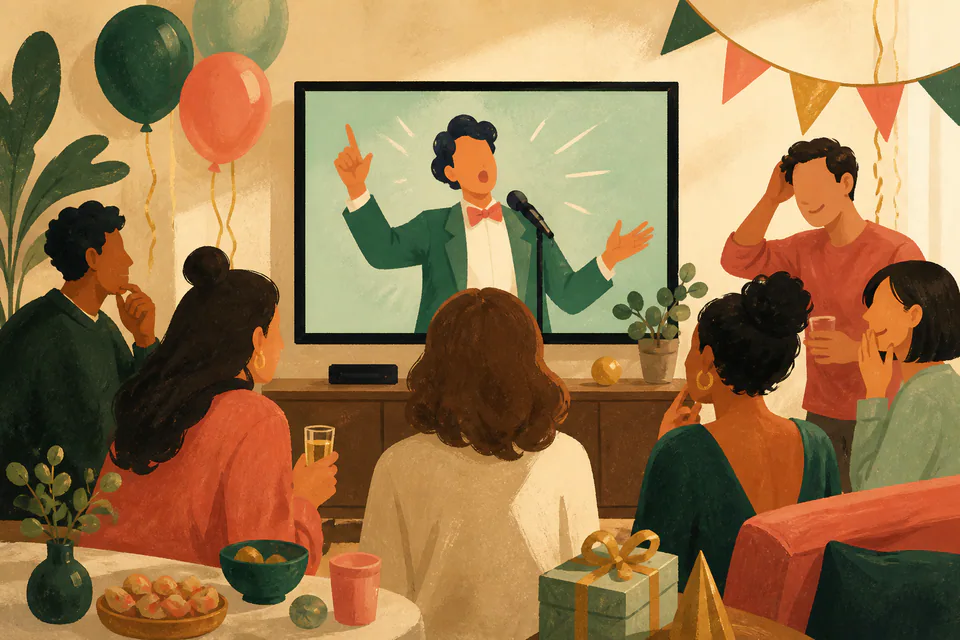
You make a hilarious deepfake of a friend for their birthday. Must you ask first?

For a private birthday party, someone creates a convincing video of a mutual friend delivering an absurd speech. Everyone, including the subject, will immediately understand that it is fake.

Does obvious fiction eliminate the need for consent?

Explore this quandary