Is there a difference between art and craft? - Laura Morelli
9 min
Listen through the publisher, then discuss the episode here or arrange an in-person Roundtable. Your city determines where to meet.
Roundtables are designed for groups of four, with a shared subject and room for everyone to speak. Come for discussion, with no dating expectation.
View full lesson: http://ed.ted.com/lessons/is-there-a-difference-between-art-and-craft-laura-morelli Uploaded 06-03-14 Was da Vinci an artistic genius? Sure, but he was also born in the right place at the right time -- pre-Renaissance, Western artists got little individual credit for their work. And in many non-Western cultures, traditional forms have always been prized over innovation. So, where do we get our notions of art vs. craft? Laura Morelli traces the history of how we assign value to the visual arts. Lesson by Laura Morelli, animation by Sandro Katamashvili.
Episode information is provided by the publisher. Listening takes place on the publisher’s service.
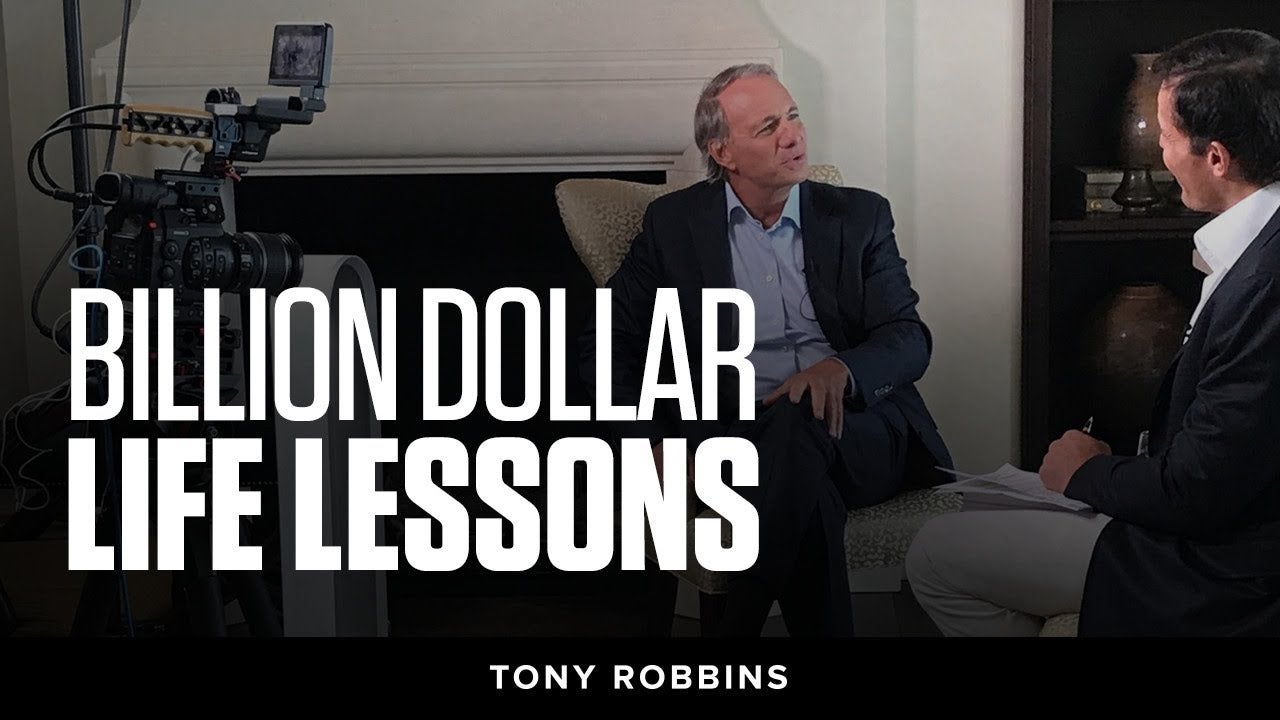
Where is the economy is today – is it growing? Flat? Declining? Uploaded 15-10-19 What about YOUR economy – your personal investments, your nest egg? How safe is it, and how likely it is to grow at the rate you want it to? When you think about your current investments, how do you feel? Secure, or are you half-panicked? For many, the recession of 2008 still lingers. Those who suffered are waiting, white-knuckled, holding on to their portfolios and still wondering what to do next. We have, after all, been in one of the longest bull markets in history and bull markets always come to an end at some point. So how do you protect yourself from the possibility of another 2008? And how can you start to take a more proactive, confident approach to your portfolio? When Tony wrote Money Master the Game, he had the unique privilege of sitting down with some of the most successful, masterful investors and financial gurus of all time – including the legendary Ray Dalio. Ray founded the investment man
Viewers like you help make PBS (Thank you ) . Support your local PBS Member Station here: https://to.pbs.org/DonateSPACE Uploaded 10-10-18 Physics seems to be telling us that it’s possible to simulate the entire universe on a computer smaller than the universe. You can further support us on Patreon at https://www.patreon.com/pbsspacetime Space Time Challenge Winners Jin Du Loren Booker Kevin Selva Prasanna May Awbin John Reza Ian Grams Challenge Winners: Please [email protected] with your name, address, US t-shirt size – small, medium, large, extra large, or extra-extra-large and let us know which T you’d like. Get your own Space Time t-shirt at http://bit.ly/1QlzoBi Tweet at us! @pbsspacetime Facebook: facebook.com/pbsspacetime Email us! pbsspacetime [at] gmail [dot] com Comment on Reddit: http://www.reddit.com/r/pbsspacetime Help translate our videos! Previous Episode: How to Detect Extra Dimensions Hosted by Matt O'Dowd Written by Matt O'Dowd Graphics by Luke Maroldi Assistant
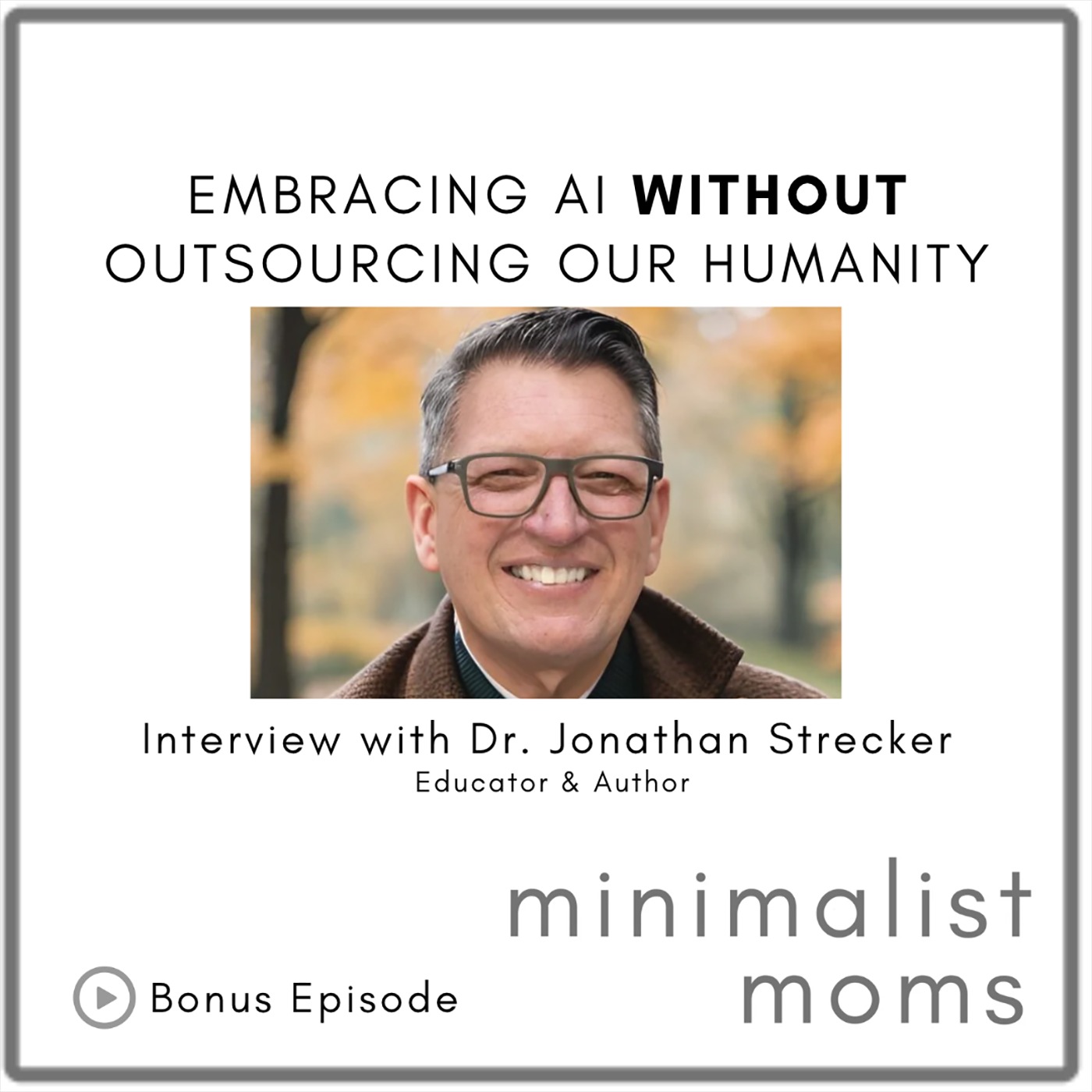
How can we embrace the benefits of AI without outsourcing the very skills that make us human? Today, I'm joined by educator and author Jonathan Strecker to explore the intersection of artificial intelligence, convenience culture, and childhood development. Drawing from his book, Emergence: How Modern Convenience Is Dumbing Down Our Children and What Parents and Schools Can Do About It (https://www.amazon.com/dp/1493094254?asc_item-id=amzn1.ideas.DL4M6AD2Z4ZN&creativeASIN=1493094254&linkCode=ssc&ref_=aip_sf_list_spv_ons_mixed_d_asin&tag=onamzdianebod-20&th=1), Jonathan challenges us to consider what children might be losing in a world increasingly designed to make life easier. We explore the developmental value of boredom, frustration, and struggle, the difference between enhancing our thinking and outsourcing it, and the essential human skills our children need to thrive in an AI-driven future. Rather than taking a fear-based or anti-technology approach, this conversation invites us to
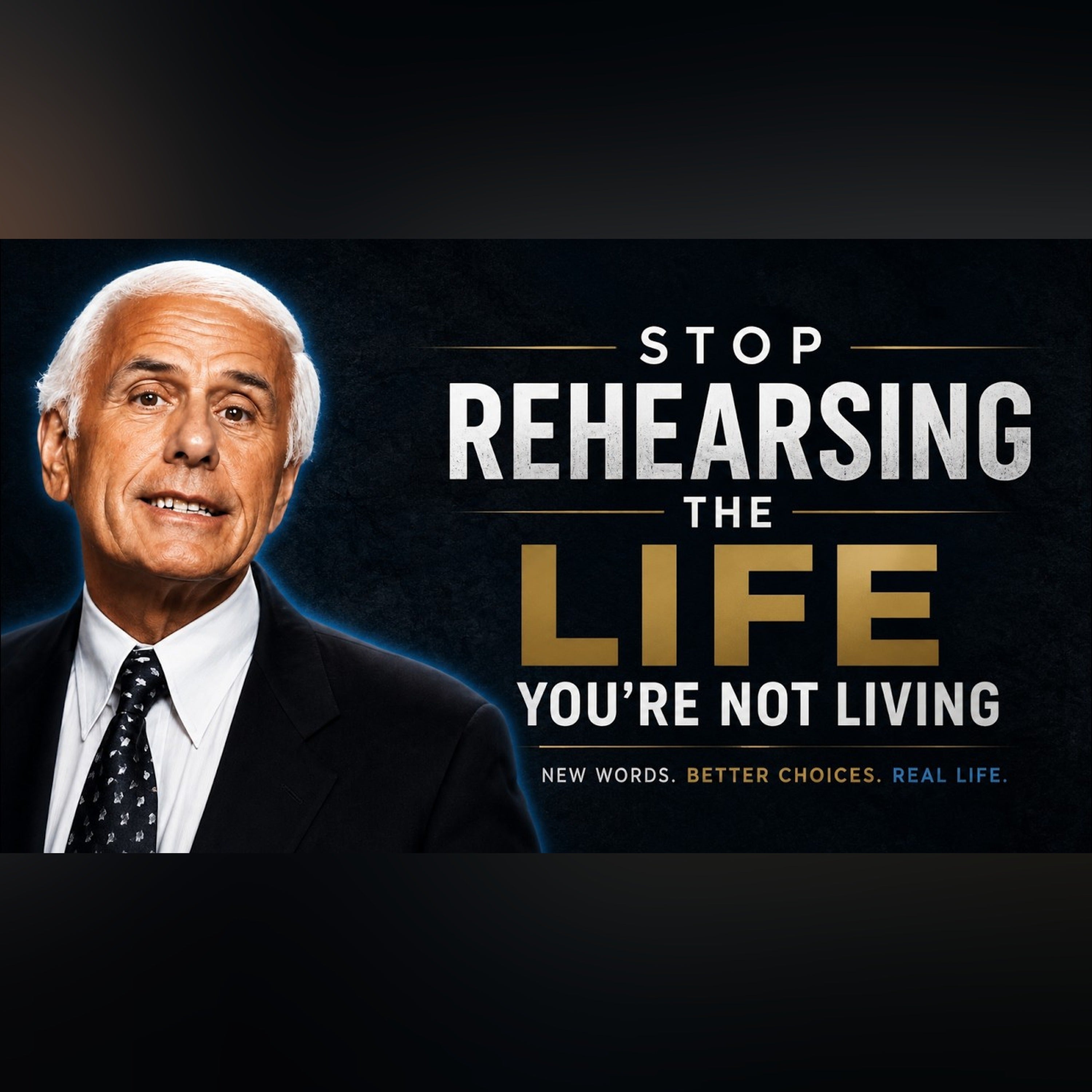
You've spent more hours inside the imaginary version of your life than you'd care to admit. You've rehearsed the conversation. You've rehearsed the business. You've rehearsed the apology, the resignation, the leap. Over and over. And somewhere along the way, the rehearsing started to feel like living. Uploaded 03-09-26 But it isn't living. It's the opposite of living. It's the quiet, respectable, invisible way a person wastes a whole life — by rehearsing it instead of living it. Most people don't fail loudly. Most people just rehearse, and mistake all that motion inside their head for movement in the world. Here is the truth: the very act of vividly imagining your success may be the thing that guarantees you never achieve it. The rehearsal doesn't prepare you for the performance. For most people, the rehearsal replaces the performance entirely. This seminar walks through the four disguises the rehearsing mind wears — and the one test that tells you instantly whether you're planning or
View pictures and Support us at Patreonhttps://www.patreon.com/user?u=73787379Excerpt #1 As the sow approached her Jessica put her hands out in front of her as a sign of submission to the sow. She then turned her back slightly toward the bear just before being shoved by both of the sow’s paws onto her face. The difference between reality and the surreal arrived in the form of searing pain in Jessica’s body with each bite from the bear's jaws. Jessica knew she couldn’t possibly fight off this bear and had hoped that playing dead would end this confrontation before too much damage was done to her. The sow straddled her as she lay on the ground bit into her buttocks and lifted Jessica completely off the ground. While being carried, Jessica had fleeting thoughts of meeting her death and longed to see her son. She was carried about ten feet across the trail toward where the cubs were located. After dropping Jessica into the grass, the sow decided to make sure that there was no threat posed
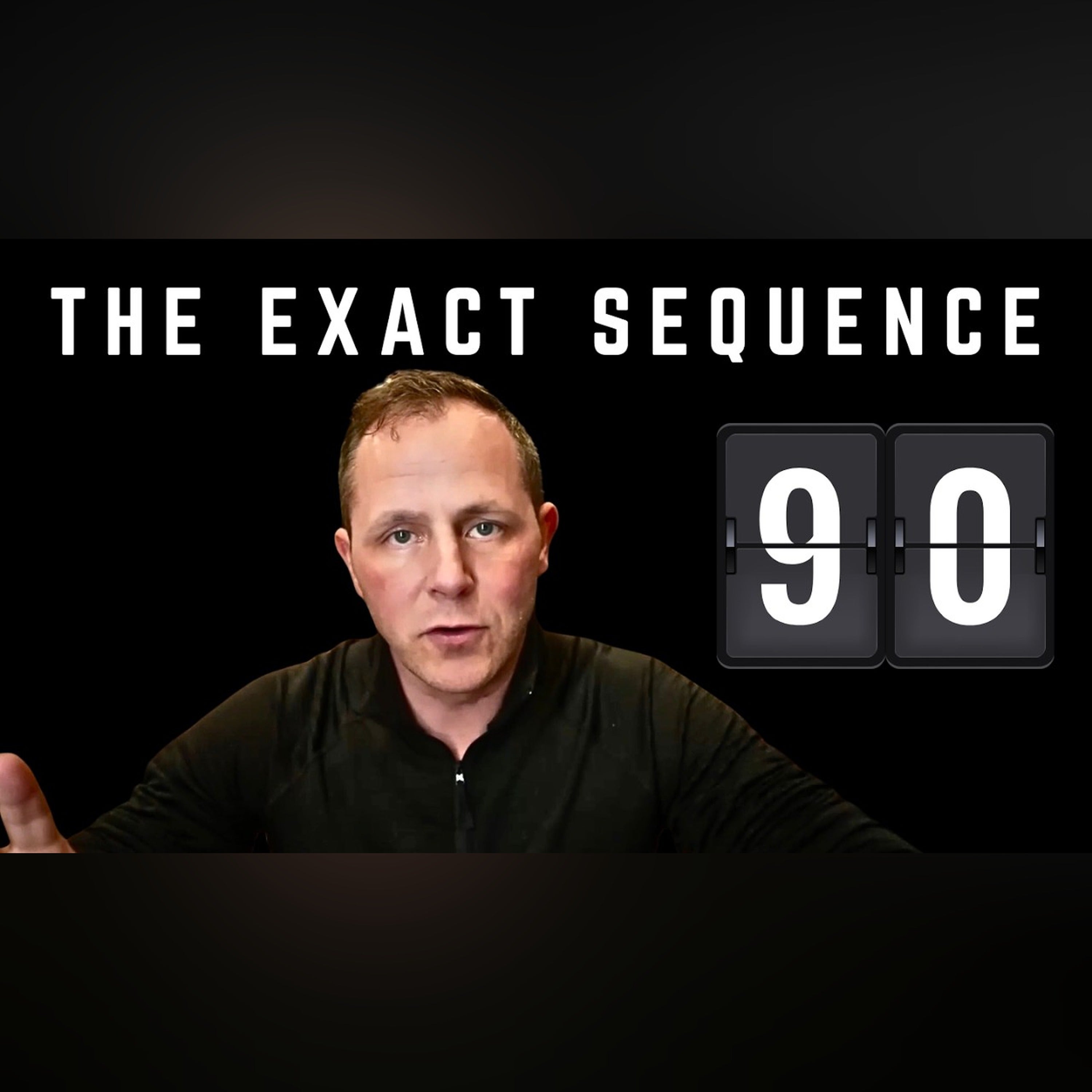
Master the skills that change lives — enroll in your free human behavior course today: https://nci.university/learn Uploaded 14-03-26 During the first ninety seconds of any interaction, a window opens in the human brain that most people never notice. A specific sequence of neurological events unfolds — predictable, exploitable, and almost never taught outside of military and intelligence training. Very few people alive understand the full mechanics of what happens inside that window. Only operators, interrogators, and behavioral scientists with the right access have ever had this mapped out for them. Someone made sure it stayed that way. Every interaction you've ever had — every negotiation, every first impression, every moment you walked into a room — was governed by this sequence. You were either running it or it was being run on you. Most people spend their entire lives on the receiving end without ever knowing it. Language is the delivery system. But language isn't where it starts.
Dig into the slippery slope fallacy, which assumes that one step will lead to a series of events that lead to an extreme— often bad— scenario. Uploaded 19-08-21 -- It’s 1954. Vietnamese nationalists are on the verge of securing an independent Vietnam under communist leader Ho Chi Minh. U.S. President Eisenhower claims that by virtue of the "falling domino principle," communist control of Vietnam would lead to the global spread of authoritarian communist regimes. Can you spot the problem with this argument? Elizabeth Cox explores the slippery slope fallacy. Lesson by Elizabeth Cox, directed by TOGETHER. Support Our Non-Profit Mission ---------------------------------------------- Support us on Patreon: http://bit.ly/TEDEdPatreon Check out our merch: http://bit.ly/TEDEDShop ---------------------------------------------- Connect With Us ---------------------------------------------- Sign up for our newsletter: http://bit.ly/TEDEdNewsletter Find us on Twitter: http://bit.ly/TEDEdTwitter Pe
View full lesson: http://ed.ted.com/lessons/how-do-we-measure-distances-in-space-yuan-sen-ting Uploaded 09-10-14 When we look at the sky, we have a flat, two-dimensional view. So how do astronomers figure the distances of stars and galaxies from Earth? Yuan-Sen Ting shows us how trigonometric parallaxes, standard candles and more help us determine the distance of objects several billion light years away from Earth. Lesson by Yuan-Sen Ting, animation by TED-Ed.
As machines take on more jobs, many find themselves out of work or with raises indefinitely postponed. Is this the end of growth? No, says Erik Brynjolfsson -- it's simply the growing pains of a radically reorganized economy. A riveting case for why big innovations are ahead of us ... if we think of computers as our teammates. Be sure to watch the opposing viewpoint from Robert Gordon. Uploaded 30-08-13 Talk by Erik Brynjolfsson.
Public bodies should publish the evidence behind important decisions.
Share your view, then see how readers voted. No sign-in required. This poll is shared across stories.
Do you agree or disagree?
Common Quandary
A Common Quandary to discuss
Another conversation to explore, separate from this news story.
The mayor is excellent at the job—and secretly cheating on a spouse. Is that news?
A local official is effective, honest in office, and privately having an affair. A journalist can verify it but finds no misuse of public resources or direct connection to official duties.
Does private dishonesty reveal something citizens are entitled to judge?