- Israeli Politics and American Conservatism - PETER BERKOWITZ 110526
20 min
Listen through the publisher, then discuss the episode here or arrange an in-person Roundtable. Your city determines where to meet.
Roundtables are designed for groups of four, with a shared subject and room for everyone to speak. Come for discussion, with no dating expectation.
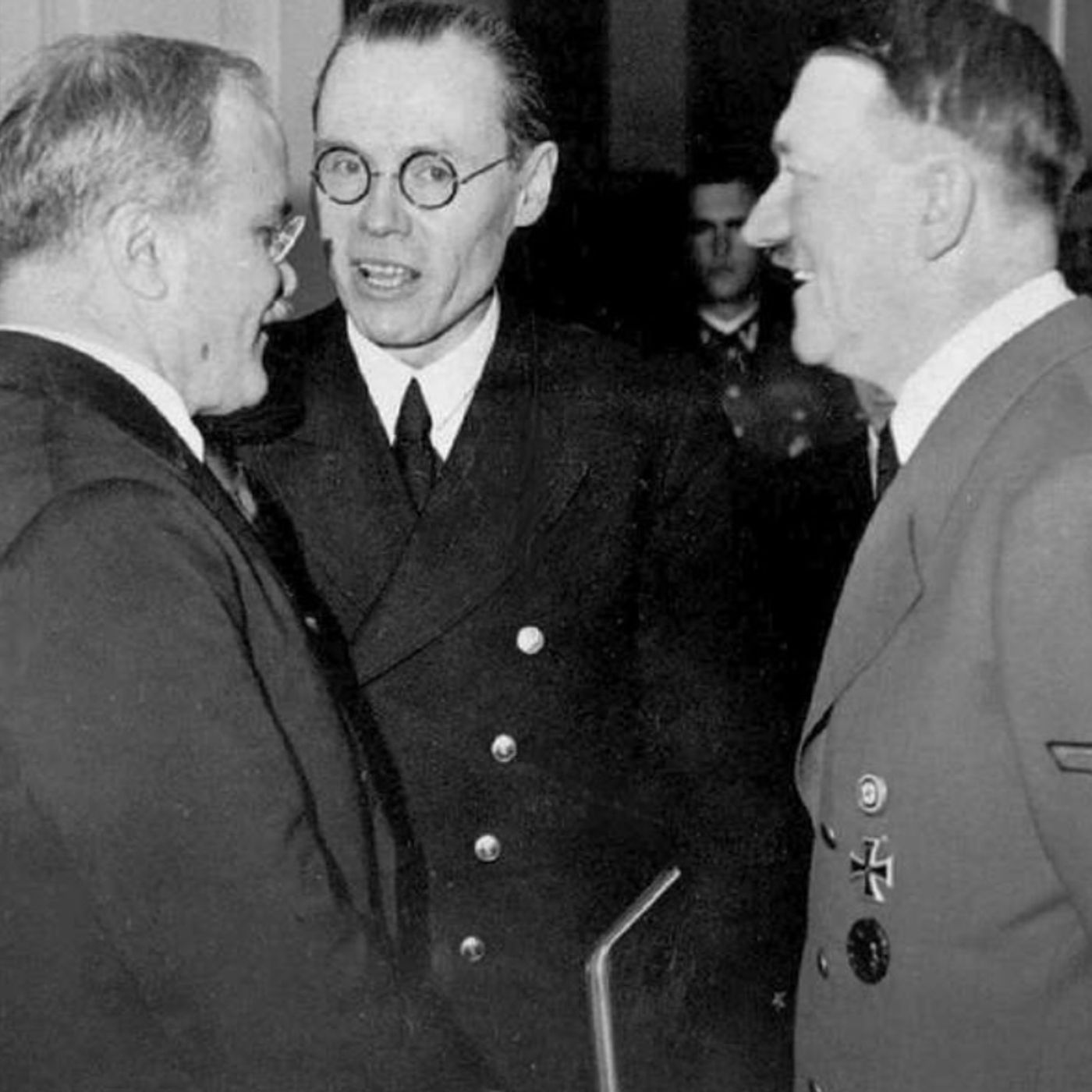
1940 MOLOTOV AT BERLIN Israeli Politics and American Conservatism Peter Berkowitz examines Israeli coalition politics following Likud’s sharp seat loss, highlighting Gadi Eisenkot’s efforts to form a majority government supported by Arab parties. He analyzes national security, economic revival, rising anti-Semitism, and JD Vance’s controversial rhetoric, while critiquing the rapid emergence of Christian nationalism within American conservative politics. (3)
Episode information is provided by the publisher. Listening takes place on the publisher’s service.
A wave of major technology outages is raising troubling questions about America's cybersecurity, aging infrastructure, and readiness for a new era of artificial intelligence. Are these isolated technical failures, or warning signs of a much larger national security problem? John Solomon and Amanda Head welcome Ohio Congressman and former Army Ranger Warren Davidson, who discusses recent disruptions involving the FAA, Microsoft, and other critical systems. Davidson calls for greater transparency from government agencies and technology companies, questions whether America's infrastructure is adequately protected against emerging cyber threats, and examines how artificial intelligence could be used both to strengthen defenses and exploit vulnerabilities. The conversation also turns to immigration and national security, with Davidson raising concerns about individuals who entered the country illegally, potential gaps in government screening systems, and the surveillance powers used to moni
For review: 1. Iraq has reached a compromise with the powerful Iran-backed militia Kataeb Hezbollah, three senior security officials said, after Prime Minister Ali al-Zaidi readied security forces to move against the group. Reflecting the gravity of the situation, Iraqi Shiite political sources said Esmail Qaani, commander of Iran’s elite Revolutionary Guards’ Quds Force, arrived in Baghdad late on Monday to help defuse tensions with Kataeb Hezbollah, Tehran’s most powerful militia ally in Iraq. 2. Lebanese President Joseph Aoun launched a lengthy rebuke of Iran in an Independence Day address, arguing that the Islamic Republic does not have the right to interfere in Lebanon’s internal affairs, as it long has via support for its local terror proxy, Hezbollah. 3. Yemen’s Houthis launched strikes on the Saudi capital Riyadh on Saturday, after vowing reprisals for a “special operation” by the Saudi-led coalition fighting them. The coalition later said it had “intercepted and destroyed” thr
Candice Cole looks at yet another hack targeting the FBI once again, the latest in a string of technical gaffes for the U.S. government. Heidi Petracek speaks to a former Ukrainian prime minister at the Halifax Security Forum on why Ukraine needs the U.S. Jeff Semple looks at the threat of A.I. warfare and the international efforts to regulate it. Megan King reports on the Ontario Liberal Party's new leader. Sarah MacDonald speaks with an American reporter who looked at the intimate chat logs between the Tumbler Ridge shooter and ChatGPT.
It was the longest COP on record - and it ended with no deal. Minister for Climate Change and Energy Chris Bowen was president of negotiations - so is he responsible for the result? And what does this failure say about the world’s ability to work together on climate change, and other major issues, in the future? Back in Canberra it’s finally the last sitting week of 2026. Controversial bills, last minute concessions, and plenty of political horse trading will be underway - including around Digital Duty of Care, a Gas Reservation Scheme, trusts and tax, and any cost-of-living measures the government can squeeze in. So who’s getting what they want and who’s walking away empty-handed? Patricia Karvelas and Jacob Greber break it all down on Politics Now. Read PK's latest analysis here (https://www.abc.net.au/news/2026-11-23/election-victorian-labor-election-defeat-albanese-stays-away/107414442). Listen to our sister podcast, ABC Business Daily, unpack if we're already in a recession in tod
Monday 23rd November 2026 Phil and NAB’s Taylor Nugent unpack Friday’s sharp, AI-driven sell-off on Wall Street—where the VIX spiked past 29 and the Nasdaq plunged 5.3% to log a sixth straight loss. Nvidia tumbled 14% following Reuters reports of an SEC accounting probe, while Anthropic fell 8.5% to close near 88.90, after surging past111 following its IPO debut. The risk-off wave sparked a rally in safe-haven bonds—pushing 10-year US Treasury yields down 10 basis points below 5%—and lifted the yen and Swiss franc, while weighing heavily on the Australian dollar. Curiously, precious metals bucked the safe-haven trend—with Comex gold sliding 4.6% and copper falling another 3%—as markets digested stronger UK retail sales, slightly softer Japanese inflation, and a holiday-shortened week ahead, with global PMIs today’s highlight. Hosted on Acast.
Join Shaun Attwood LIVE with Fritz Springmeier, author and researcher known for his controversial investigations into MKUltra, mind control, the Illuminati, secret societies, and alleged covert intelligence operations. Fritz is the author of Bloodlines of the Illuminati and co-author of The Illuminati Formula Used to Create an Undetectable Total Mind Controlled person. His decades of research have explored alleged psychological programming, hidden power structures, and the influence of secrecy within governments and intelligence agencies. Tonight, Shaun and Fritz dive into the history of MKUltra, psychological warfare, government secrecy, and the escalating Iran conflict. They’ll explore propaganda, geopolitical tensions, international power struggles, and Fritz’s theories about how powerful institutions may influence world events. What is documented history, what remains hidden, and which claims deserve closer examination? Join us for an intriguing conversation examining both historic
Sandpaper Scandal Resurfaces Again Jeremy Zakis reviews the 2018 cricket scandal in which Australian players secretly used sandpaper to alter the ball. The controversy has resurfaced after a former teammate published a book accusing current captain Pat Cummins of involvement, sparking intense debate despite official support for Cummins. (3)
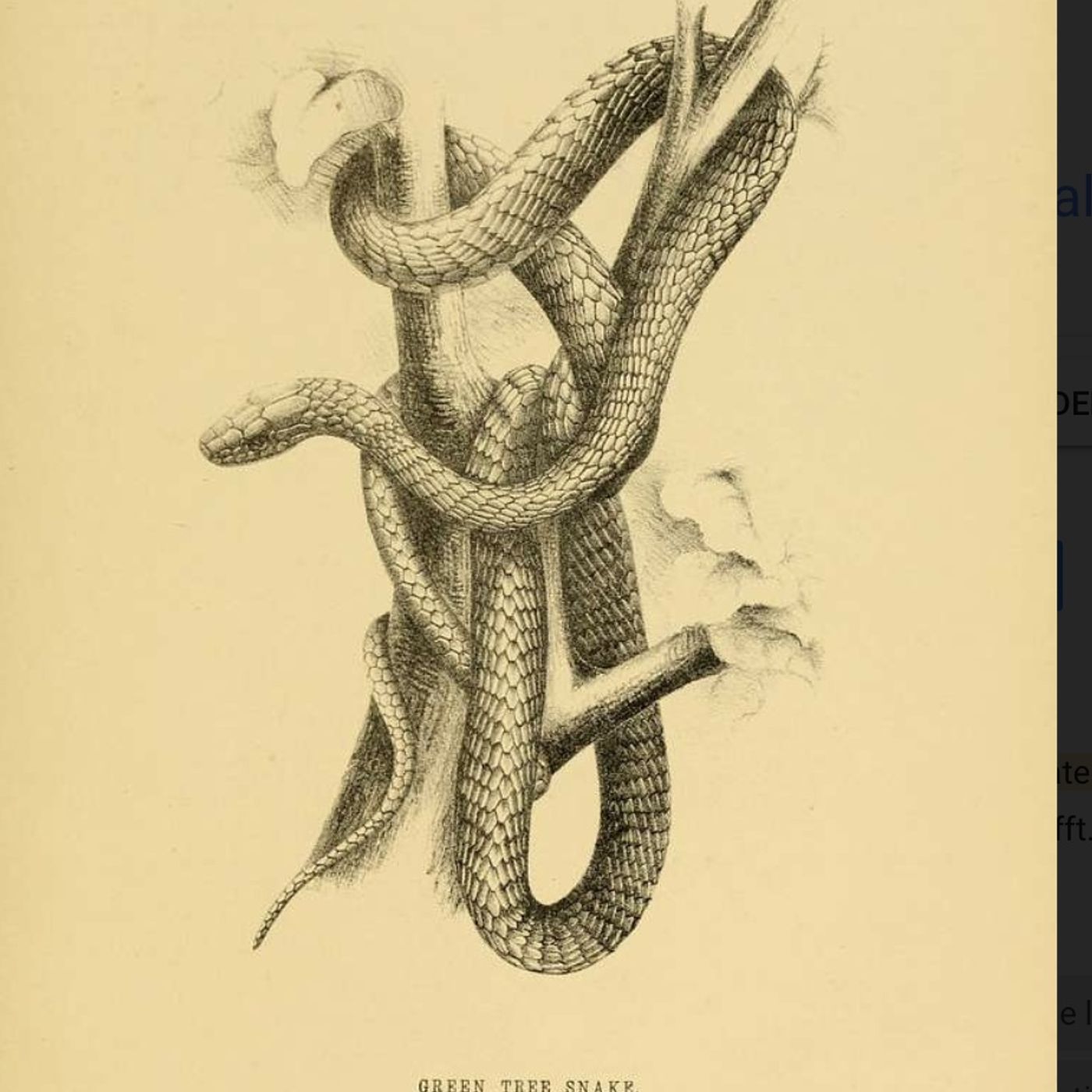
Floods Wash Snakes Downtown Jeremy Zakis explains the official warnings issued in Melbourne after floodwaters washed venomous snakes into the central business district. Snake catchers face surging demand and charge costly call-out fees, while unseasonable storms have disrupted local wildlife, leaving kangaroos hyperactive and erratic on the roads. (2)
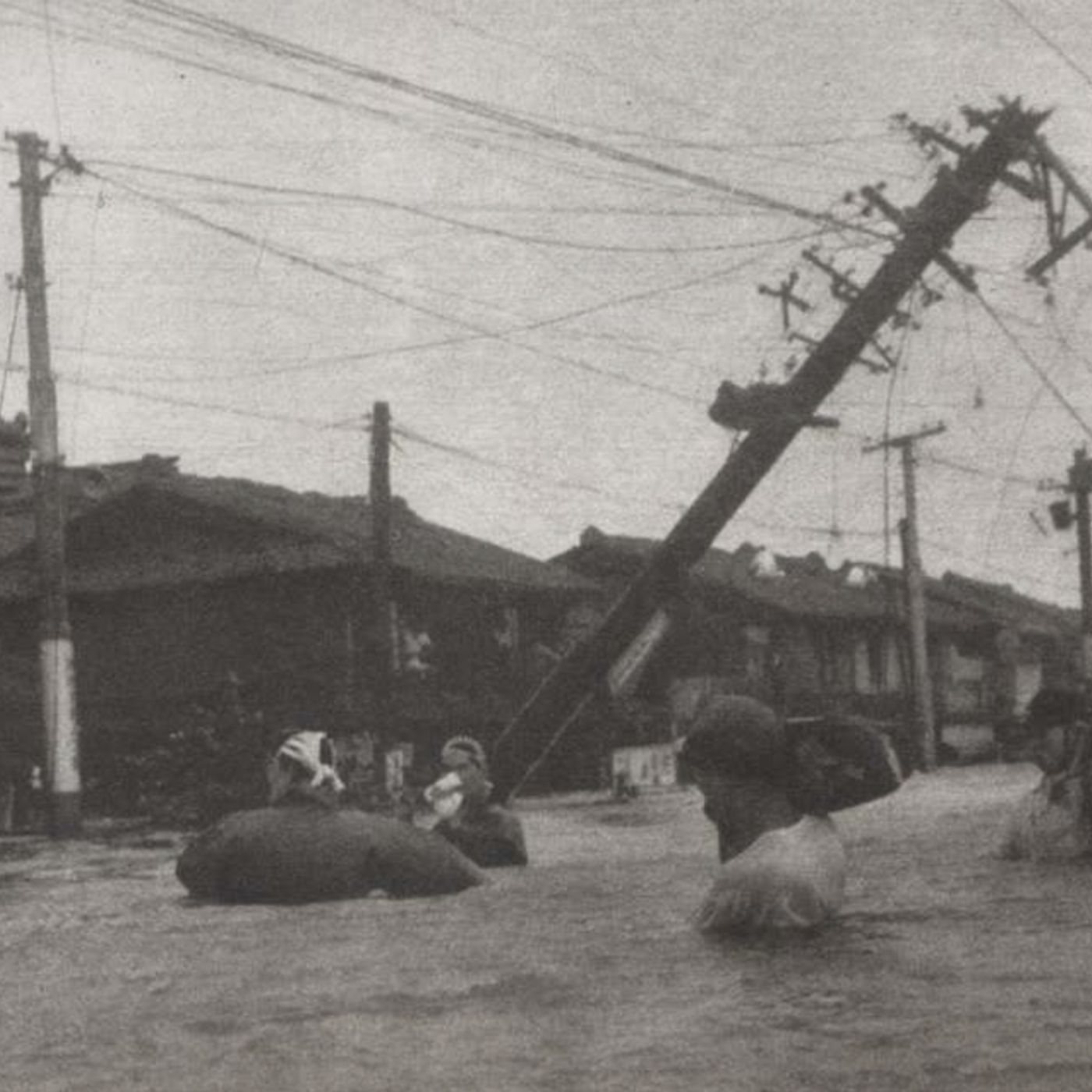
1950 Super El Niño Spring Storms Jeremy Zakis discusses extreme spring weather across Australia, driven by a super El Niño and elevated ocean temperatures. Heavy rain, microbursts, and severe winds in South Australia toppled massive power lines and spawned funnel clouds, while Sydney faces hot, chaotic, (1)
The public should normally know who owns businesses that affect community life.
Share your view, then see how readers voted. No sign-in required. This poll is shared across stories.
Do you agree or disagree?
Common Quandary
A Common Quandary to discuss
Another conversation to explore, separate from this news story.
A parent clearly built the winning science project. Who should lose the prize?
An elementary student submits an elaborate science project far beyond their apparent ability. The parent proudly describes working together all weekend, and the child clearly learned something, but other students completed simpler projects themselves.
What is a fair response when help improves learning but distorts achievement?