It Was a Drought We Had to Have with Matthew & Cherie Coddington
56 min
Listen through the publisher, then discuss the episode here or arrange an in-person Roundtable. Your city determines where to meet.
Roundtables are designed for groups of four, with a shared subject and room for everyone to speak. Come for discussion, with no dating expectation.
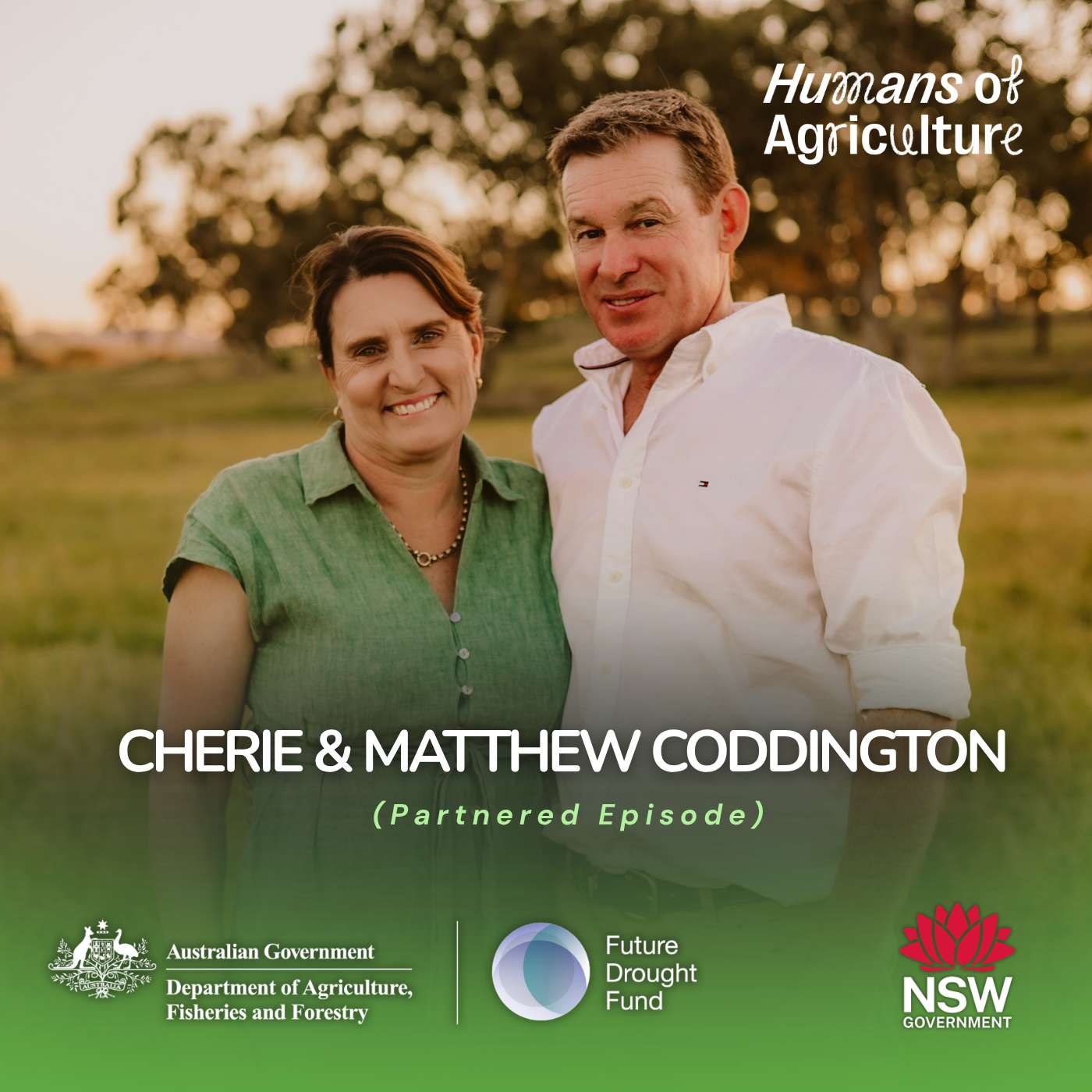
In this episode of Humans of Agriculture, Oli Le Lievre sits down with Matthew and Cherie Coddington, co-owners of Roseville Park Merino Stud near Dubbo, New South Wales, to discuss what it takes to build a resilient farming business when the drought lasts longer than anyone expected. The 2017 to 2019 drought tested a business they believed was well prepared, forcing them to rethink everything from feed reserves and cash flow to staffing, production and the future of their operation. Highlights from the conversation: How Matthew and Cherie prepared for drought, and why their plans were tested when dry conditions stretched from 18 months into three years. Why the Merino stud remained central to the business, while cattle provided a practical way to adjust stocking rates and manage feed availability. The role of wool income, livestock sales and existing customer relationships in maintaining cash flow through difficult seasons. What prompted investments in automated confinement feeding, greater fodder storage, improved pastures and more detailed production data. How the drought led to new income opportunities, including sheep exports to India. Why clear policies, procedures and a management calendar help the farm operate without constant input from its principals. How delegating responsibility and trusting staff can improve retention, independence and day-to-day operations. Why farmers should keep learning, seek outside perspectives, diversify where practical and take action before drought forces their hand. Chapters (00:00) - Introduction to drought and farm business resilience (02:07) - Meet Matt and Cherie, their family business and team (09:11) - Living through the 2017 to 2019 drought (15:47) - Keeping staff on when times get tough (19:11) - What the drought exposed and what changed (23:49) - How the drought led to sheep exports to India (25:24) - Letting the cattle go and protecting the Merino stud (28:24) - Why systems, procedures and planning matter (31:04) - Managing stress and the value of getting off the farm (33:09) - Building a team that can run the farm without you (35:23) - Letting go of micromanagement and becoming a better boss (38:03) - Looking back: would they have done anything differently? (43:58) - Practical advice for building drought resilience (47:19) - Coaching, accountability and better communication
Episode information is provided by the publisher. Listening takes place on the publisher’s service.
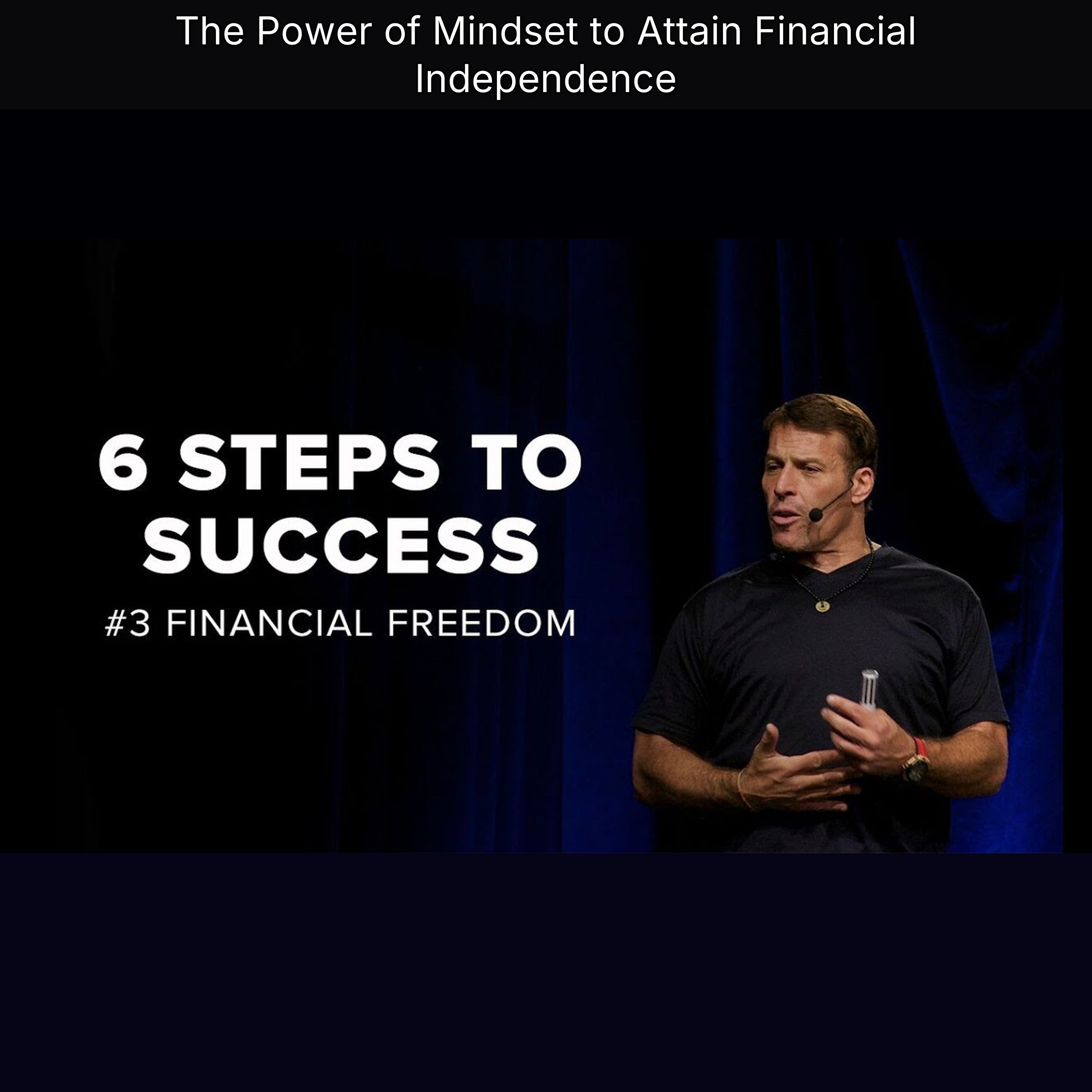
What do you think of when you think about financial freedom? To many, it means having enough money to cover anything you could want – and not having to work to get it. But as Tony Robbins explains in this video, it's not just about creating wealth – ultimately, it's about ENJOYING the wealth you deserve. Watch this clip to learn the secrets to Step #3 of Financial Freedom from his Six Steps to Success: It’s all about your psychology. As Tony says, business is 80 percent psychology and only 20 percent skills. When you cultivate a sense of wealth and abundance, no matter what your financial situation, you’ll also start to experience a sense of joy. When you feel grateful and joyful, it is easier for you to do well financially, because you aren’t operating in a scared and fearful mode. When we operate from a place of fear and scarcity, we make bad decisions – or worse, we don’t take any risks at all. When we operate from a place of abundance, we build resilience that carries us over any o
Mark Brennan, Founder, CEO, and Director of Cerrado Gold Inc (TSX.V: CERT) (OTCQX: CRDOF), joins us to review Q3 financials, operations, and exploration initiatives At Minera Don Nicolas (“MDA”), integration of the newly acquired Falcon Properties, and the recent acquisition of Minera Tritón Argentina S.A. (“MTA”), from Pan American, for the past-producing Manantial Espejo Mine in Santa Cruz Province, Argentina. Mark lays out the key growth catalysts moving into 2027, and the larger vision to become a mid-tier multi-mine producer. Q3 Highlights: Gold equivalent production of 16,985 Gold Equivalent Ounces (“GEO”) at AISC of $1,546/oz Au during Q3 2026; Adjusted EBITDA of $33.8 million for Q3 2026 and $90.8 million year-to-date Earnings of US$0.04 per basic share outstanding in Q3 2026 and US$0.16 per share Year to Date, excluding one-time adjustments Strong cash position of $33.9 million at quarter end includes $8 million cash paid to Sprott Stream during the quarter Full year productio
Send us your feedback, thoughts or comments! (https://www.buzzsprout.com/2516687/fan_mail/new) Introduction Before Tappeti, Karinna Gobbo spent 10 to 12 years in the corporate world and worked three jobs to fund her own business. She launched it from her apartment, with a station wagon for deliveries. In this episode, we talk about ambition, a cancer diagnosis at 24, the day she almost walked away, and what two decades have taught her about money, leadership and freedom. In This Episode We Explore • Growing up in an Italian migrant family, and backing yourself • How a cancer diagnosis changed her perspective on time • The day she almost gave up • Why "turnover is ego, profit is sanity, cash is queen" • Leadership, culture and hiring on values • Motherhood, IVF and the myth of balance Why This Conversation Matters Karinna shows that building something beautiful takes grit, honesty and an almost audacious belief in yourself. About Karinna Gobbo Founder of Tappeti, the Australian company
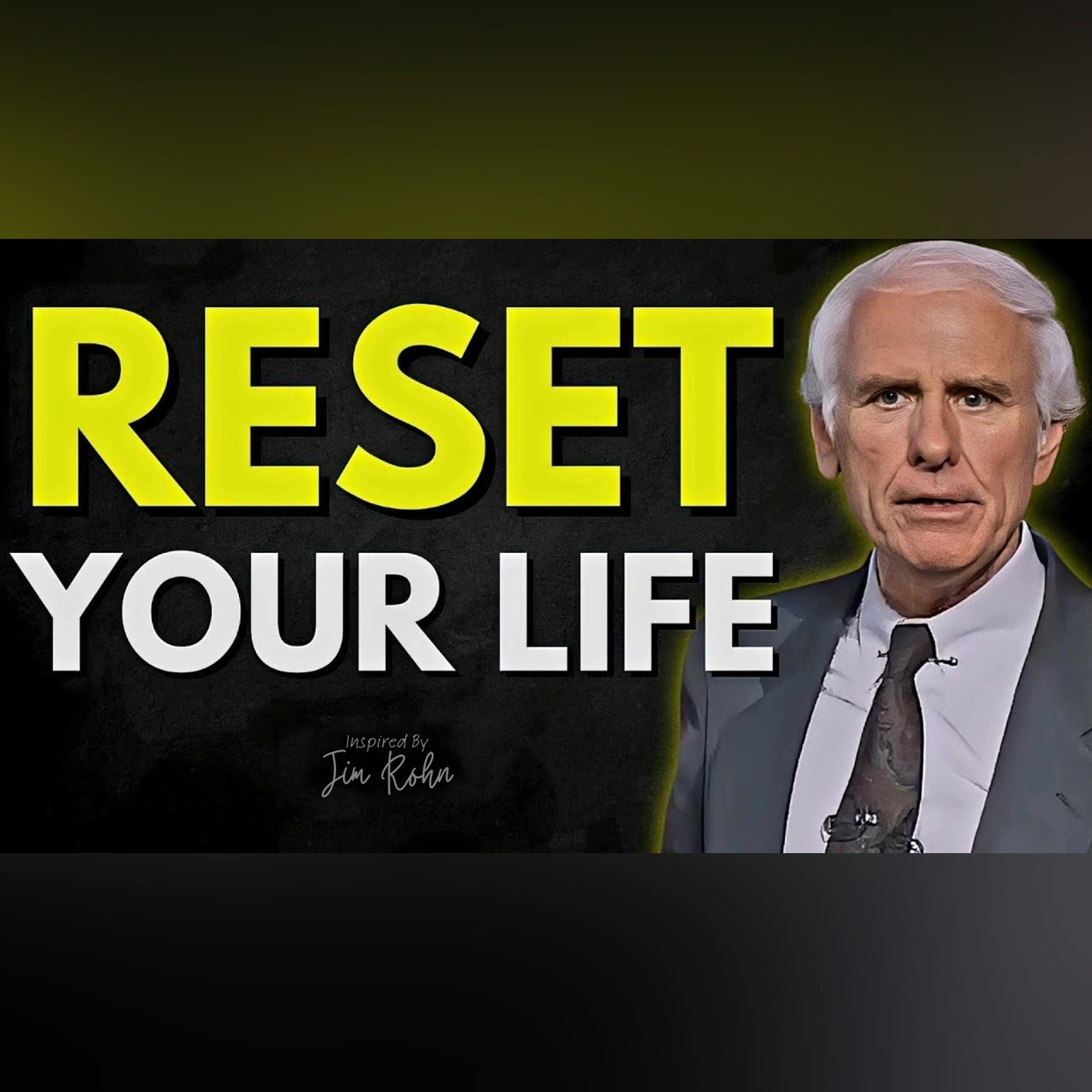
You don’t start over by erasing the past. You start over by deciding who you’re going to be next. Uploaded 10-11-24 This video is about rebuilding — deliberately. Not through wishful thinking, but through decisions, structure, and daily action. It breaks down what it actually takes to change direction, rewrite your story, and move forward without dragging old habits, excuses, or identities with you. Starting fresh isn’t dramatic. It’s disciplined. What this video explores: -Why every real change starts with a clear internal decision -How small daily actions reshape identity over time -Letting go of environments, habits, and patterns that no longer serve you -Using failure as feedback instead of proof you should quit -Building momentum through consistency, not motivation Transformation doesn’t happen all at once. It happens when you stop negotiating with the past and start voting daily for the future version of yourself. Every habit is a direction. Every choice is a signal. This video i
The fallout from the US midterm elections is putting Donald Trump under growing pressure, with corruption and fears over artificial intelligence emerging as major concerns among voters. Now, an extraordinary scandal involving Nvidia CEO Jensen Huang threatens to become a defining crisis for the White House. Allegations that Huang’s relationship with a suspected Chinese spy may have exposed sensitive technology to Beijing have raised serious national security questions. His return to the helm of Nvidia, reportedly following input from senior US government officials, has also prompted accusations of political interference, particularly given Trump's financial interests in the company. Hillary Clinton has described the affair as a ‘national security and corruption scandal’, while Fox News commentators have warned that Democrats could use it as grounds for impeachment. With Nvidia central to America's position in the global AI race, the controversy could have far-reaching consequences for
Join NCI University today to master human behavior and influence: Uploaded 20-10-22 What if we were made to believe something so strange that it would change the fabric of society? These two lies are the two most powerful forces that marketing and medicine....and even politics seem to sell us. 1️⃣ LIE ONE: Focus on symptoms and not causes. 2️⃣ LIE TWO: Pleasure is the same as happiness. In this video, I'll explore with you, the causes of some of these deceptions, and I hope you'll come to see that our culture is almost rooted in these two deceptions. From marketing and sales to medicine and politics, these LIES seem to be interwoven in the fabric of our culture as a whole. Knowing them and being aware of them will make you start seeing these EVERYWHERE you look. DOWNLOAD THE APP: https://team.chasehughes.com/share/Sxaxa8CW58Q_4sKk?utm_source=manual (https://team.chasehughes.com/share/Sxaxa8CW58Q_4sKk) THE FATE MODEL: https://www.youtube.com/watch?v=PbEJ_y7tscY&feature=share&utm_source=
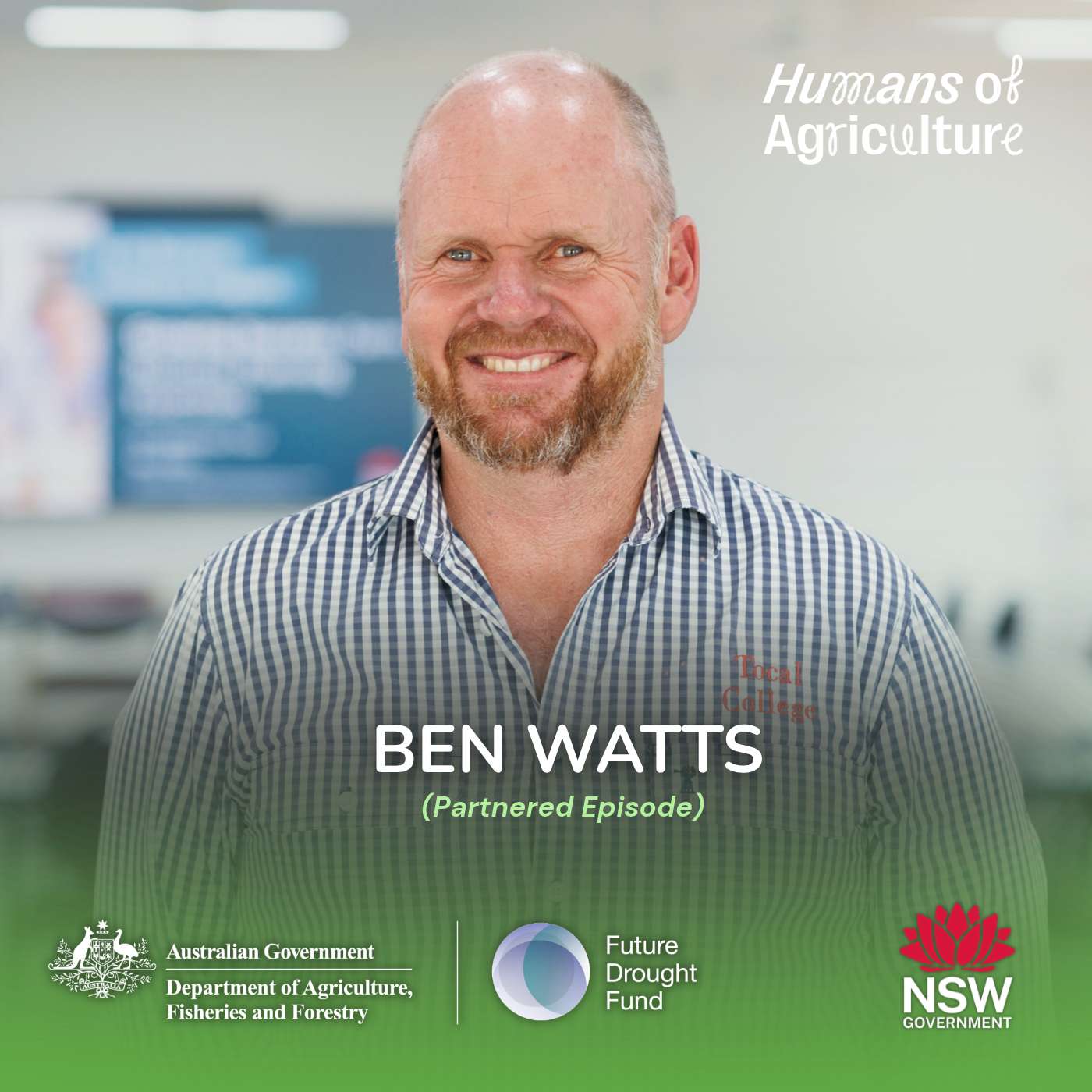
In this episode of Humans of Agriculture, Oli Le Lievre sits down with Ben Watts, who runs Bralca alongside his wife, Fiona, in central-west New South Wales. As part of the Farm Business Resilience Programme podcast series, Ben shares how hard lessons through drought changed how they approach risk, make decisions, and build a more financially resilient farming business. At the heart of the conversation is a simple idea: cash buys you options. Having money in reserve can be the difference between making a deliberate decision and being forced into one when conditions turn against you. In this episode, we discuss: How early drought experiences changed Ben’s approach to risk, including the financial and personal cost of pushing through difficult seasons. Why selling stock before conditions deteriorate can protect value, free up capital and reduce the ongoing cost of feeding livestock. What to measure when assessing seasonal conditions, from feed on offer and plant growth to water availabil
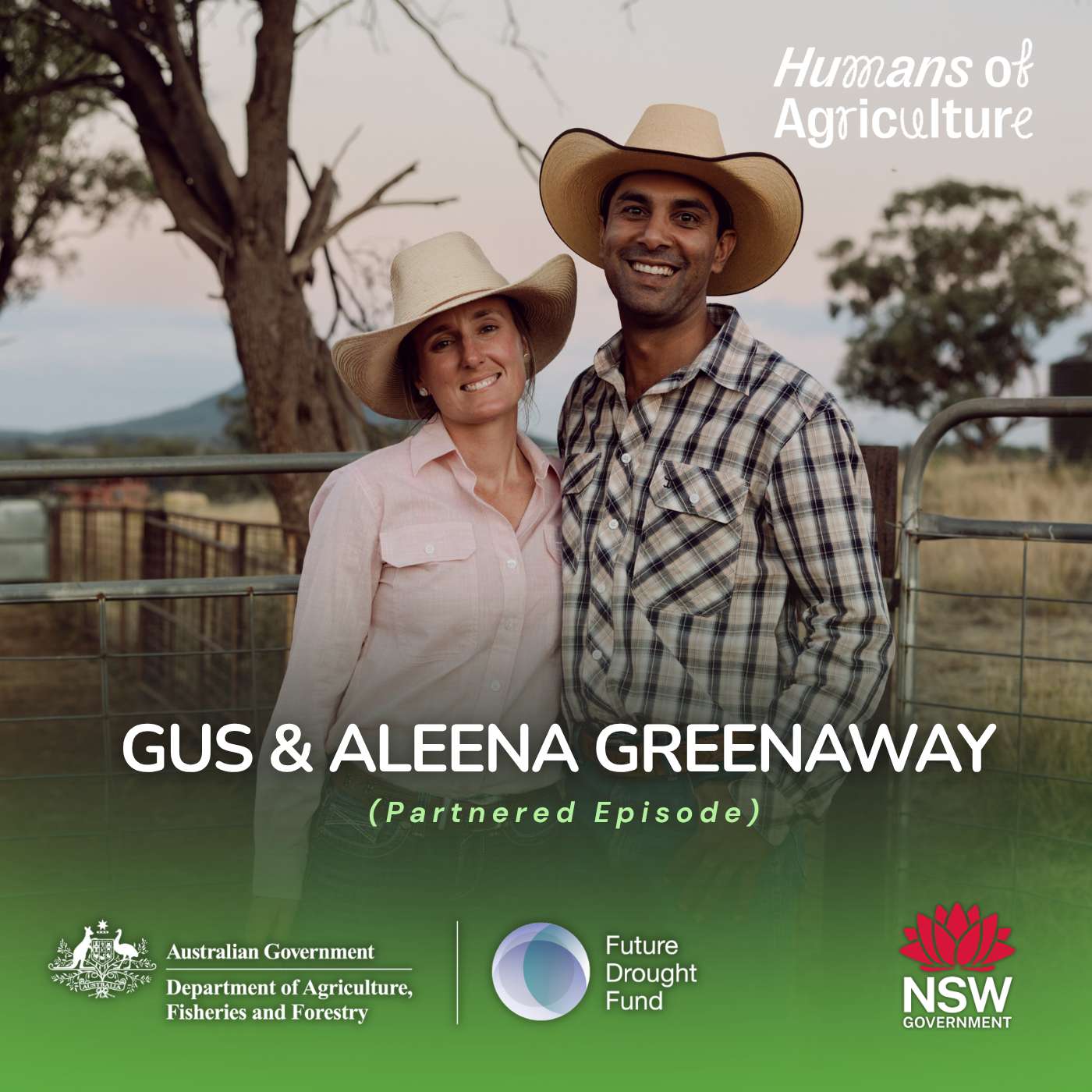
Gus and Aleena Greenaway farm fine wool Merinos between Gunnedah and Mullaley in NSW. Their experience through the 2017 to 2019 drought continues to shape how they make decisions today, from the numbers they watch and the trigger points they set to the people they bring into the business. In this episode, we discuss: How the 2017 to 2019 drought changed the way they think about risk and timing Using numbers and clear parameters to make decisions before conditions deteriorate Why making the call is only part of the challenge, and how they avoid constantly second-guessing themselves afterwards Working backwards from what they want their farm and their life to look like in five years The value of surrounding themselves with advisers, coaches and people who challenge their thinking How the Farm Business Resilience Program helped create greater clarity and confidence in decision-making Why outside perspective can be valuable even when the person advising you is not a farmer The role of vuln
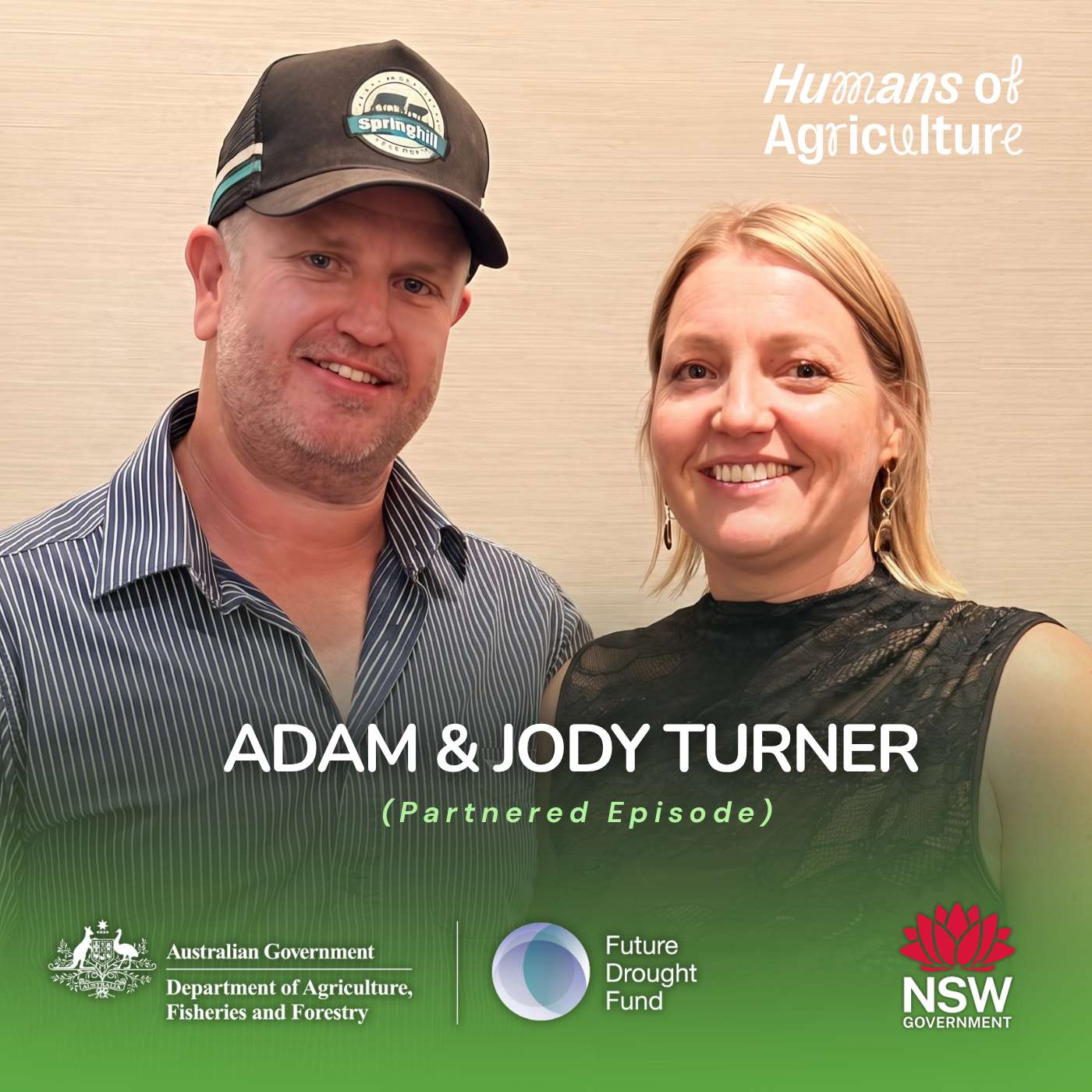
Adam and Jody Turner are first-generation farmers who bought Spring Hill in the Hunter Valley in 2016, just before the 2017-2019 drought. Since then, they’ve grown from a lifestyle-farming ambition into a multi-farm, paddock-to-plate business spanning livestock, processing, retail, and direct-to-consumer food. In this episode, we discuss: How drought shaped the way they think about risk and decision-making Why cash flow forecasting and knowing their numbers gave them more confidence to grow The role of business coaching in clarifying priorities and major investment decisions How water infrastructure, soil health and ground cover have become central to drought preparation The livestock triggers they use around early weaning, culling and confinement feeding Why they focus on what is happening on the ground rather than letting seasonal forecasts drive decisions How a shared vision and values help them move quickly on opportunities The role of team culture, peer support and asking for help
Sports venues should actively welcome first-time visitors and people attending alone.
Share your view, then see how readers voted. No sign-in required. This poll is shared across stories.
Do you agree or disagree?
Common Quandary
A Common Quandary to discuss
Another conversation to explore, separate from this news story.
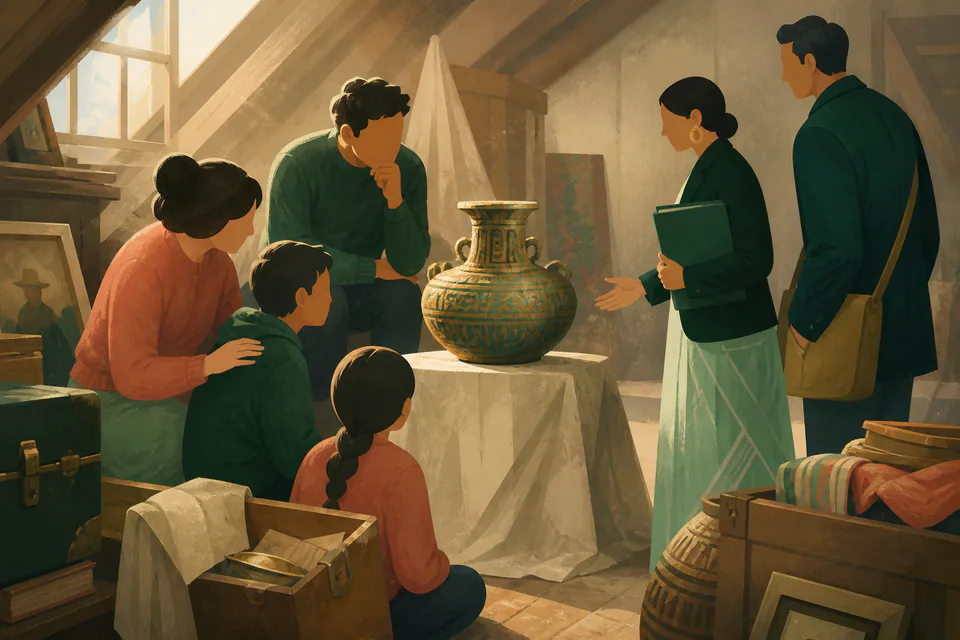
Your grandfather brought home an ancient artifact. A museum wants it back. Do you surrender it?
In your grandfather's attic you discover a beautiful ancient object he brought home while working overseas decades ago. Your family treasures it and his papers suggest the rules were murky. A museum from that country says it belongs to their collection and asks for its return.
Can a family inherit clear ownership of something acquired through unclear power?