LONDINIUM CHRONICLE - Imperial Parallels and Executive Instability - PART 2
23 min
Listen through the publisher, then discuss the episode here or arrange an in-person Roundtable. Your city determines where to meet.
Roundtables are designed for groups of four, with a shared subject and room for everyone to speak. Come for discussion, with no dating expectation.
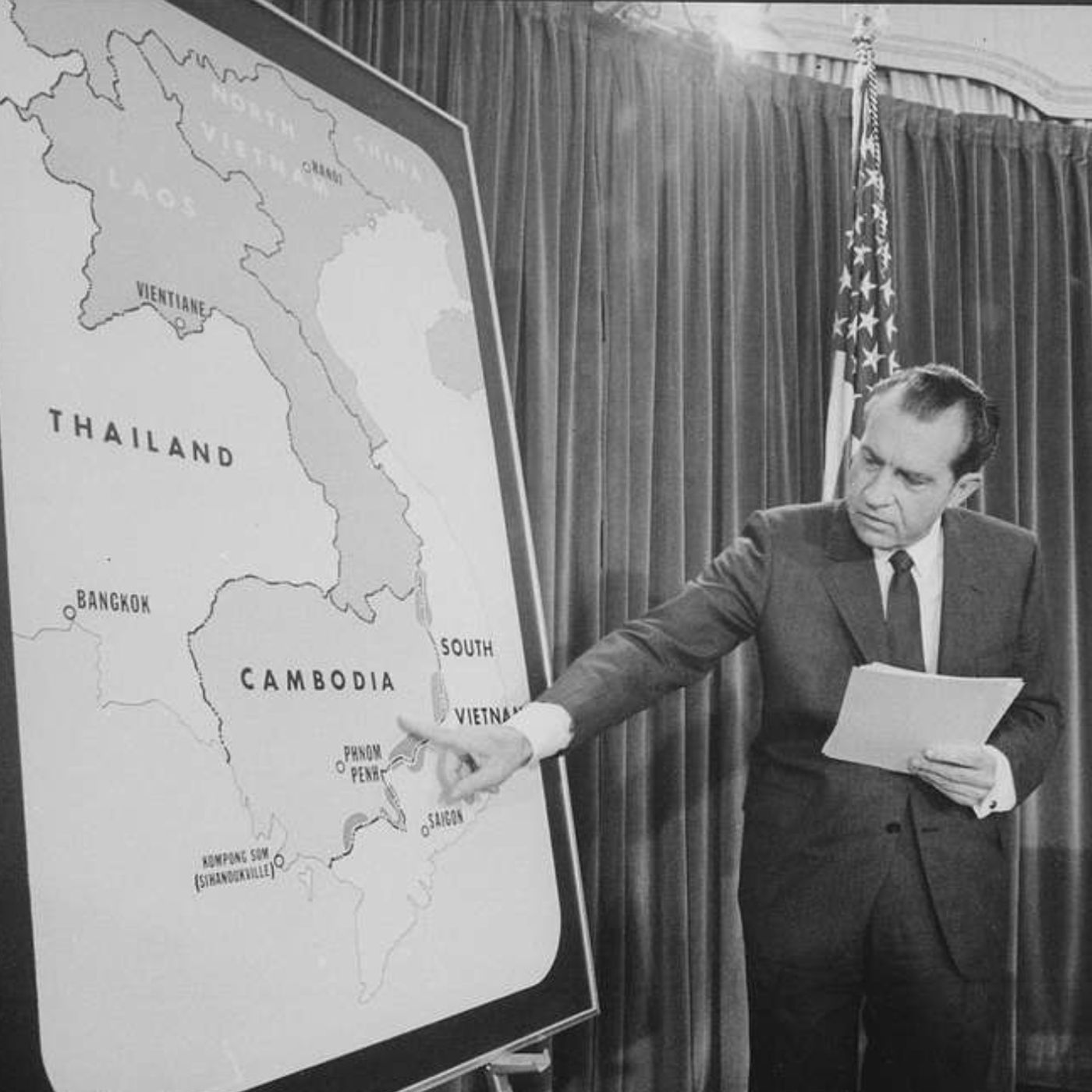
1960 INVASION OF CAMBODIA Imperial Parallels and Executive Instability Gaius and Germanicus compare modern executive turmoil to Emperor Nero’s downfall and Richard Nixon’s Watergate crisis. They analyze potential presidential removal, cabinet maneuvering, and foreign policy distractions with Iran amid rising public distrust. (2)
Episode information is provided by the publisher. Listening takes place on the publisher’s service.
After a deluge of speculation, the next James Bond has been chosen: British actor Robert Pattinson will be the next face of the franchise. The public response has been overwhelming, if somewhat divided. To celebrate, we’re revisiting an episode from June, about a behind-the-scenes David and Goliath battle between the family business which has held creative control of the franchise since the 1960s and its new owners, Amazon. It is now up to Jeff Bezos’s tech conglomerate to decide how to run the series. In an era when Hollywood studios are desperate to eke out every last dollar from movie franchises, can James Bond retain its mystique and appeal to a new generation of cinema-goers? We speak to Wall Street Journal enterprise reporter Erich Schwartzel. Producers: Xandra Ellin and Lucy Pawle Video producers: Richard Kenny and Jem Westgate Mixed by: Travis Evans Executive producers: James Shield and Martine Powers Senior news editor: China Collins Photo: Robert Pattinson as James Bond. Jaap
Hey everybody, Tom Bilyeu here. On today’s episode of Impact Theory, we’re taking on a topic that’s got the whole world holding its breath: the escalating crisis between the United States and Iran. As tensions ratchet up, we’re asking the tough questions—how did we get stuck in this “escalation trap,” and what does it mean for America’s global leverage, our economy, and our very sense of security? The conversation focused on why the traditional idea of “strategy” might be failing policymakers, using powerful analogies—like chess versus roulette—to show how doubling down in conflict can spiral out of control. We’ll break down the risks of tactical “wins” that create even bigger crises, the real leverage Iran holds with control of the Strait of Hormuz, and the mounting pressure on President Trump as political support erodes and legacy hangs in the balance. A key theme that emerged is what happens when military might runs into decentralized opposition, and why high-stakes gambles—like the
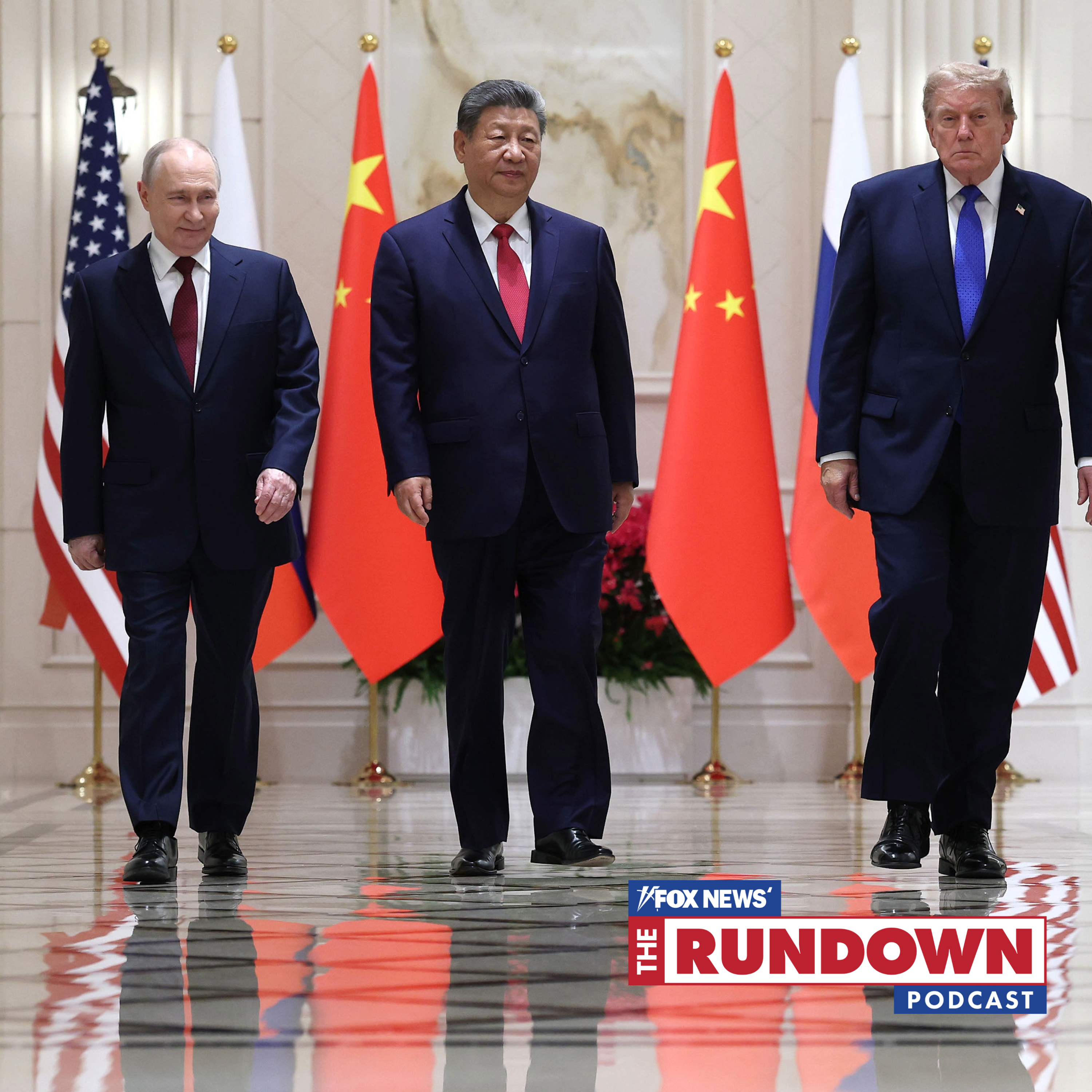
Following President Trump’s trip to Asia and a first-ever trilateral meeting with the leaders of China and Russia, foreign policy experts are weighing what was accomplished on the world stage. Former national security advisor to Vice President Dick Cheney and Heritage Foundation senior research fellow Stephen Yates joins The Rundown to analyze the summit’s outcomes on Taiwan, Ukraine, Iran, and strategic arms talks. Yates also explains how new rare-earth agreements with U.S. allies and export controls on AI chips balance Trump’s warmer rhetoric toward Beijing. Later, widespread tech outages across major platforms and government systems raise urgent questions about whether U.S. digital infrastructure is prepared for the artificial intelligence era. Former Cybersecurity and Infrastructure Security Agency (CISA) director Bridget Bean breaks down how rapid software patching can trigger cascading system failures, the growing cyber threats posed by China and Iran, and how organizations can d
For review: 1. Iraq has reached a compromise with the powerful Iran-backed militia Kataeb Hezbollah, three senior security officials said, after Prime Minister Ali al-Zaidi readied security forces to move against the group. Reflecting the gravity of the situation, Iraqi Shiite political sources said Esmail Qaani, commander of Iran’s elite Revolutionary Guards’ Quds Force, arrived in Baghdad late on Monday to help defuse tensions with Kataeb Hezbollah, Tehran’s most powerful militia ally in Iraq. 2. Lebanese President Joseph Aoun launched a lengthy rebuke of Iran in an Independence Day address, arguing that the Islamic Republic does not have the right to interfere in Lebanon’s internal affairs, as it long has via support for its local terror proxy, Hezbollah. 3. Yemen’s Houthis launched strikes on the Saudi capital Riyadh on Saturday, after vowing reprisals for a “special operation” by the Saudi-led coalition fighting them. The coalition later said it had “intercepted and destroyed” thr
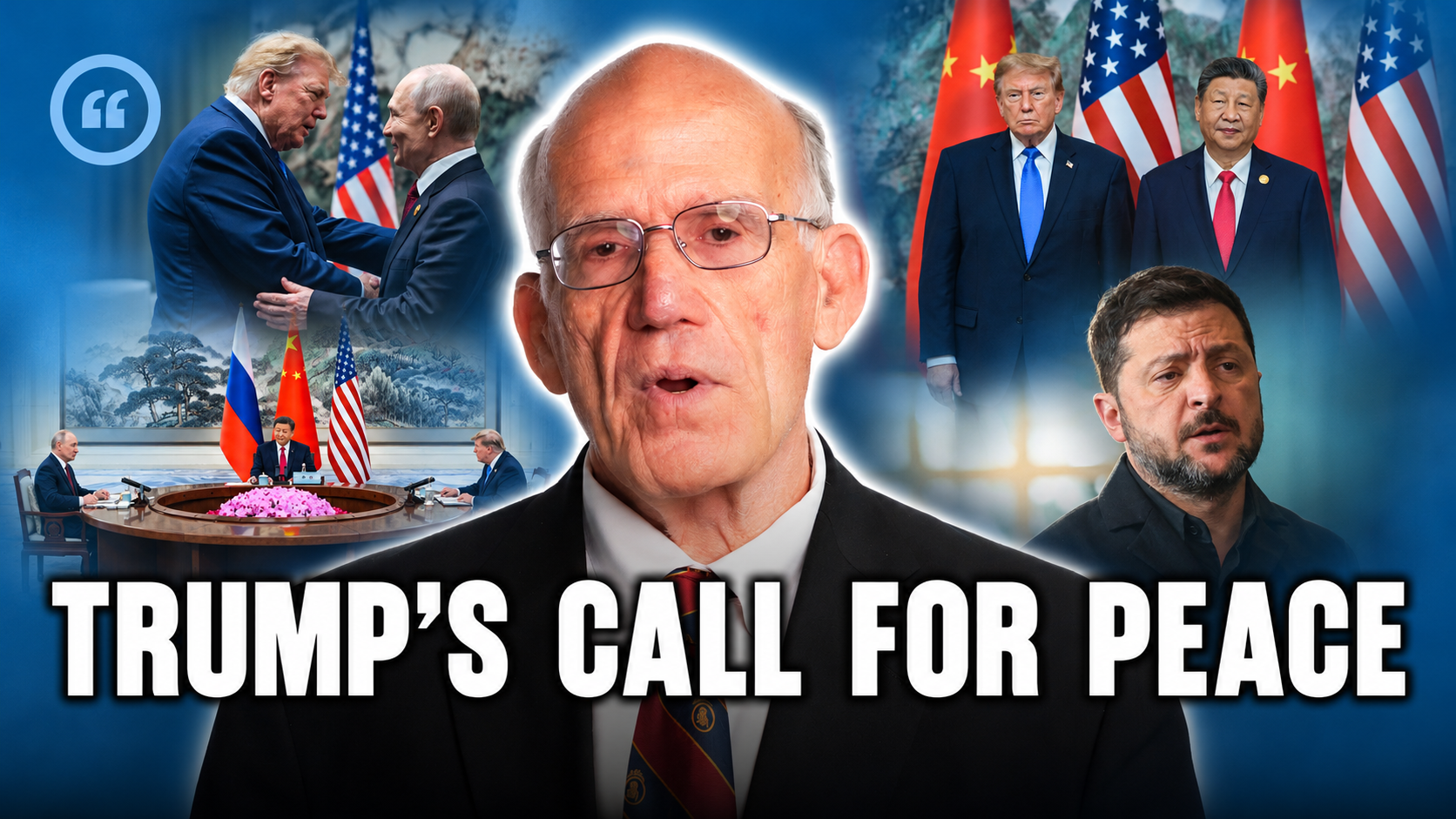
President Donald Trump's first ever trilateral summit with Vladimir Putin and Xi Jinping raises questions about the future of the war in Ukraine and whether a peace agreement could finally be within reach. Victor Davis Hanson and Sami Winc examine the summit on today’s edition of “Victor Davis Hanson: In His Own Words,” discussing Russia's declining influence, potential territorial concessions in Ukraine, and Europe's frustration over Trump's peace negotiations. Hanson criticizes Hillary Clinton's attacks on Trump's diplomacy; he also argues that European leaders have weakened their influence by neglecting defense spending and relying on American military protection. They discuss Elon Musk's shifting political allegiances, and Hanson warns that distancing himself from MAGA may not protect him from Democrat investigations. They also discuss the potential economic benefits of artificial intelligence and the challenges facing Hakeem Jeffries as Democrats prepare to take control of the Hou
Runaway government spending, rising costs, and a new wave of legal battles over constitutional rights. With Democrats preparing to take control of Congress and several state governments, Republicans are confronting a very different political landscape. John Solomon and Amanda Head welcome Montana Senator-elect Kurt Alme, who says Washington must get serious about reining in spending, lowering inflation, and making everyday life affordable again. Already preparing for his arrival in the Senate, Alme discusses his priorities for protecting Montana's way of life, keeping taxes low, creating good-paying jobs, and working across party lines when possible. He also addresses the challenges Republicans face in the minority, the remaining lame-duck session, and concerns about efforts to expand the Supreme Court and eliminate the filibuster. Then, Southeastern Legal Foundation President Kimberly Hermann joins the show with a warning about potential policy reversals in states where Democrats have
Sandpaper Scandal Resurfaces Again Jeremy Zakis reviews the 2018 cricket scandal in which Australian players secretly used sandpaper to alter the ball. The controversy has resurfaced after a former teammate published a book accusing current captain Pat Cummins of involvement, sparking intense debate despite official support for Cummins. (3)
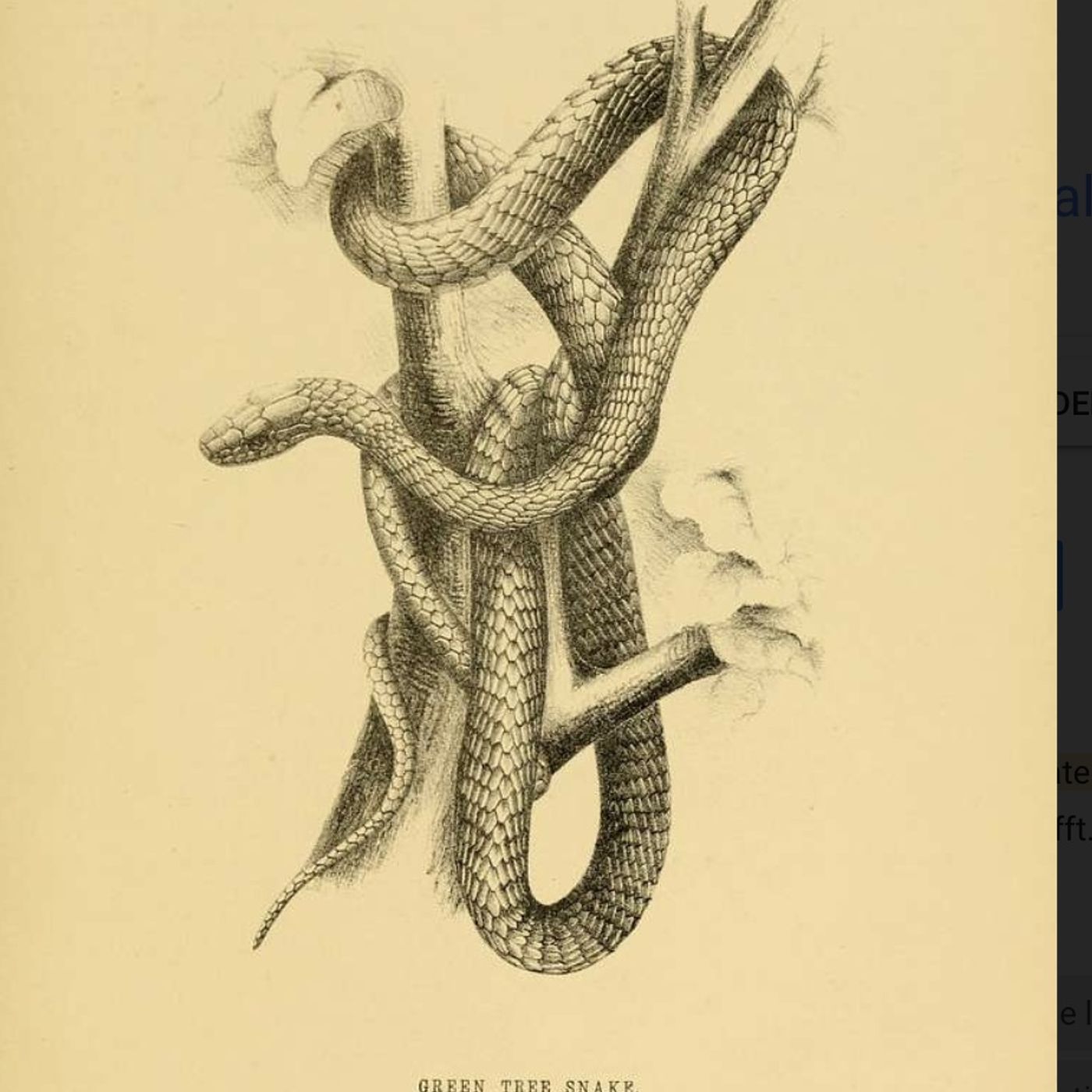
Floods Wash Snakes Downtown Jeremy Zakis explains the official warnings issued in Melbourne after floodwaters washed venomous snakes into the central business district. Snake catchers face surging demand and charge costly call-out fees, while unseasonable storms have disrupted local wildlife, leaving kangaroos hyperactive and erratic on the roads. (2)
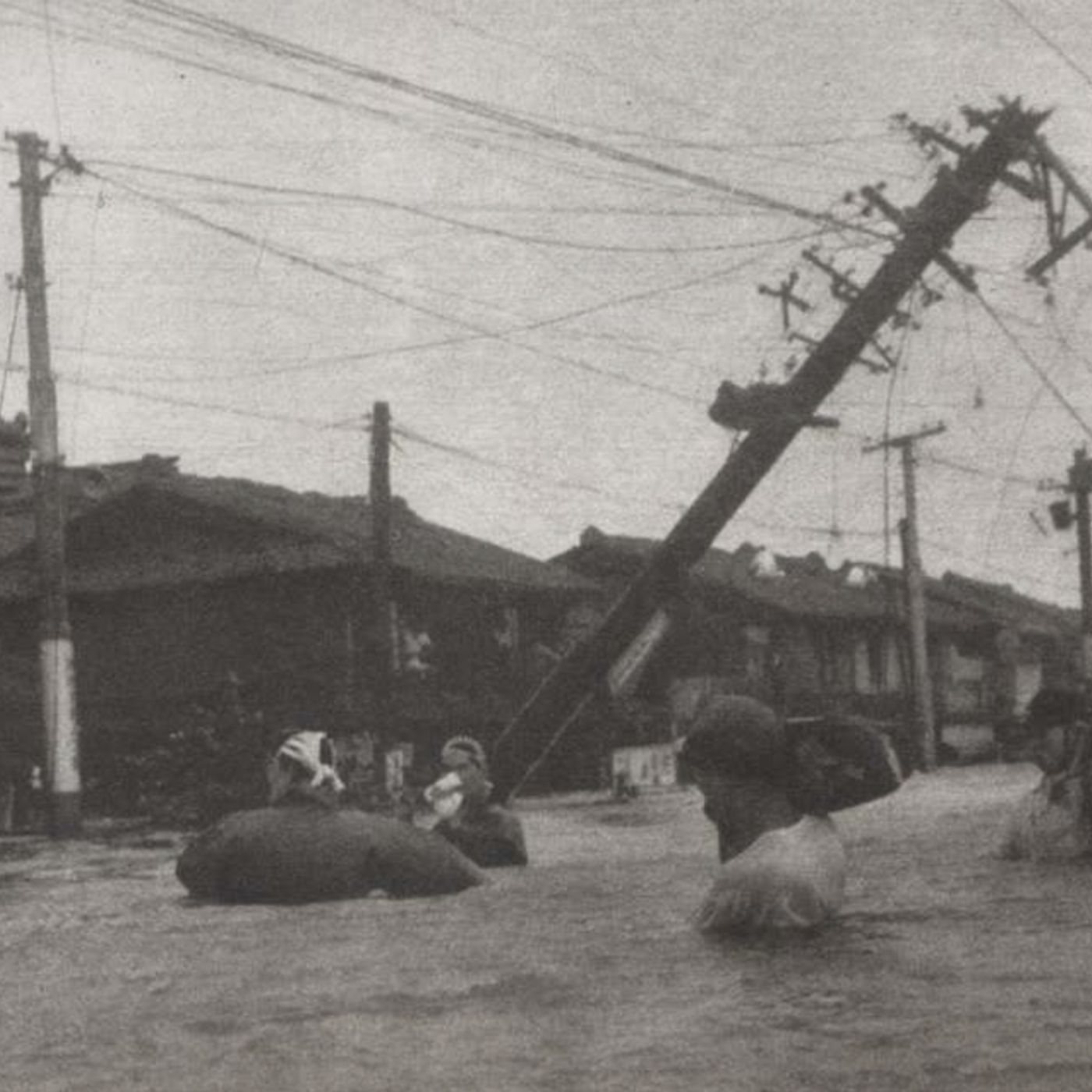
1950 Super El Niño Spring Storms Jeremy Zakis discusses extreme spring weather across Australia, driven by a super El Niño and elevated ocean temperatures. Heavy rain, microbursts, and severe winds in South Australia toppled massive power lines and spawned funnel clouds, while Sydney faces hot, chaotic, (1)
Customers should receive clear explanations when a company cannot provide its promised service.
Share your view, then see how readers voted. No sign-in required. This poll is shared across stories.
Do you agree or disagree?
Common Quandary
A Common Quandary to discuss
Another conversation to explore, separate from this news story.
Scientists can edit mosquitoes until a deadly disease disappears. Who gets to say yes?
Scientists can potentially release modified mosquitoes whose genes would spread through wild populations and sharply reduce a deadly disease. The ecological effects could cross borders and may be impossible to reverse.
Who may authorize an irreversible change intended to save lives?