Midterm Post-Mortem: What the Data Reveals About Voter Frustration
32 min
Listen through the publisher, then discuss the episode here or arrange an in-person Roundtable. Your city determines where to meet.
Roundtables are designed for groups of four, with a shared subject and room for everyone to speak. Come for discussion, with no dating expectation.
Widespread economic backlash, high fuel costs, and foreign conflict fueled historic midterm losses for the GOP across both congressional chambers. Fox News Decision Desk team member and University of Texas at Austin professor Daron Shaw joins us to break down the polling behind the Democratic sweep, unpack sharp slippage among key voting blocs like independents and Latinos, and evaluate Vice President JD Vance’s post-election autopsy ahead of 2028. Plus, former City of Miami Mayor Francis Suarez joins to analyze how Florida remained red—even if the races were closer than expected. He also outlines how the GOP must rebuild its ground game ahead of 2028. PHOTO CREDIT: AP
Episode information is provided by the publisher. Listening takes place on the publisher’s service.
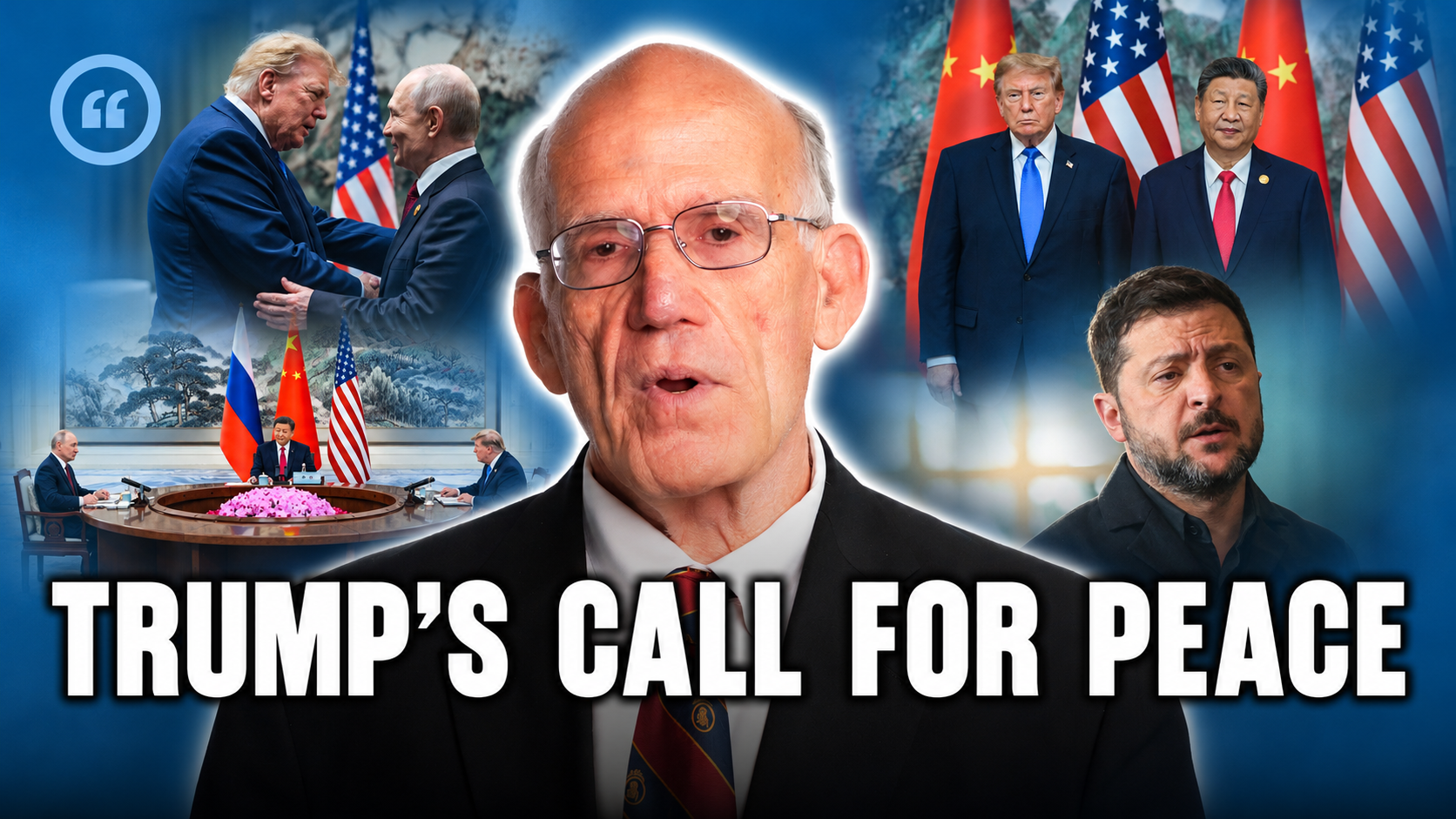
President Donald Trump's first ever trilateral summit with Vladimir Putin and Xi Jinping raises questions about the future of the war in Ukraine and whether a peace agreement could finally be within reach. Victor Davis Hanson and Sami Winc examine the summit on today’s edition of “Victor Davis Hanson: In His Own Words,” discussing Russia's declining influence, potential territorial concessions in Ukraine, and Europe's frustration over Trump's peace negotiations. Hanson criticizes Hillary Clinton's attacks on Trump's diplomacy; he also argues that European leaders have weakened their influence by neglecting defense spending and relying on American military protection. They discuss Elon Musk's shifting political allegiances, and Hanson warns that distancing himself from MAGA may not protect him from Democrat investigations. They also discuss the potential economic benefits of artificial intelligence and the challenges facing Hakeem Jeffries as Democrats prepare to take control of the Hou
One week after the U.S. midterm elections, join Valérie Beaudoin, one of Canada's most respected commentators on U.S. politics, for a discussion on how Canadian policymakers and officials are digesting the results in Washington. From the new balance of power in Congress to the potential implications for Canada-U.S. relations, trade economic growth, and cross-border policy priorities, we'll explore what the election outcome could mean for Canada in the months ahead. Recorded on November 10, 2026. -- Optique canadienne sur les élections américaines de mi-mandat – Valérie Beaudoin Pour une version avec des sous-titres français, veuillez consulter Une semaine après les élections de mi-mandat aux États-Unis, Valérie Beaudoin, l’une des commentatrices de la politique américaine les plus respectées du Canada, discute des façons dont les décideurs canadiens et Ottawa ont réagi aux résultats à Washington. Du nouvel équilibre des pouvoirs au Congrès aux répercussions possibles sur les relations
After some life updates (which is all the people really want to hear anyway), Jonah Goldberg turns his hand to ruminating on Trump’s villainous stupidity, the trilateral summit with Vladimir Putin and Xi Jinping, nuclear policy, New York City’s supermarkets, socialist contempt for the middle class, GDP, Ro Khanna, the Bulwark squabble, recent tech failures, the National Popular Vote Interstate Compact, and magical thinking about politics. Show Notes: —LFG AO Pod (https://thedispatch.com/podcast/advisoryopinions/should-lame-ducks-hibernate/) —Special Event: Advisory Opinions: Live! (https://www.capcitycomedy.com/shows/393484) —Mamdani on supermarkets (https://x.com/MorePerfectUS/status/2123188786926391338/video/1) —Irving Kristol in The Public Interest: “Rationalism in Economics” (https://www.nationalaffairs.com/public_interest/detail/rationalism-in-economics) —American Compass’ postelection survey (https://americancompass.org/post-midterm-survey/) —Dan Senor Remnant (https://thedispatc
Navajo Stirling put an exclamation point on a fight card that certainly had its ups and downs, but his knockout of Jiri Prochazka in the main event certainly creates an interesting situation in the light heavyweight division. Will Stirling get first crack at teammate Carlos Ulberg's world title? Following UFC Qatar, MMA Fighting's Mike Heck and Jed Meshew react to the Fight Night card, Stirling's impressive victory, and where both fighters go from here. Additionally, topics also include Kevin Vallejos' decision win over Aljamain Sterling in the co-main event, what we learned about Vallejos, how both fighters reacted in the aftermath, Brian Ortega retiring after losing to Dan Hooker, the four finishers getting bonuses, other standout moments, and more. Download the SB Nation app here ⤵️ iOS: https://apps.apple.com/us/app/sb-nation/id6789240983 Follow Mike Heck: @m_heckjr (https://www.instagram.com/m_heckjr/) Follow Jed Meshew: @JedKMeshew (https://x.com/JedKMeshew) Check out our full vi
2014 GANYMEDE CONTENTS JOHN BATCHELOR SHOW 11-20-2026 California Storms Train Robberies City Politics — Part One Jeff Bliss reports that severe Pacific storms are dumping heavy snow across Lake Tahoe while driving massive coastal surges against the sand berms protecting beaches. Meanwhile, Los Angeles Mayor-elect Nithya Raman faces mounting criticism over thousands of missed votes, and police have apprehended a gang that stole twenty million dollars in goods from moving freight trains. (1) Beatles Vegas Historic Atomic Tests Formula — Part Two Jeff Bliss recalls how, in August 1964, the Beatles transformed Las Vegas entertainment by moving from the small Congo Room to the Convention Center for sixteen thousand fans. Archival footage from 1957 shows unwitting spectators on Fremont Street watching atmospheric nuclear tests, while today's Las Vegas hosts thrilling Formula Oneraces. (2) Iranian Conflict Regime Change War Powers — Part One Richard Epstein analyzes the military clashes betwe
Jonathan Rinderknecht is found guilty of starting the deadly Palisades fire in Los Angeles, which displaced thousands of people and became one of the most destructive fires in the city’s history. Also: Donald Trump describes his relationship with the leaders of Russia and China as “fantastic”, after meeting with them in Shenzhen. The US president also threatens a ban on American firms building AI data centres overseas, saying they must stay in the US. Russian drones continue to attack Ukraine, with Poland caught in the crossfire. Students in more than 20 European countries protest over education, climate change and military conscription. Cyber security experts in the UK conduct a highly secretive operation to protect its fridges and freezers. Cincinnati Zoo announces the death of the beloved hippo, Fiona. The BBC speaks to the stars of the latest The Hunger Games franchise series, and Christmas comes early for residents in an English town in the form of wrapped cars. Follow or subscrib
Some strange things are happening out in space and down here on Earth. Earlier this week, astrophysicist Neil deGrasse Tyson joined Aishah Hasnie (https://www.youtube.com/watch?v=yor7TRWw67k) to unpack a fast-moving object known as 1998 KY26 orbiting the Sun, UAP discussions, and the physics behind what a first alien encounter might actually look like. Tyson broke down why its trajectory doesn't follow standard gravity alone, weighed theories ranging from space junk to the Yarkovsky effect, and shared insights from his book Take Me to Your Leader: Perspectives on Your First Alien Encounter. They also dove into growing concerns around artificial intelligence, tech vulnerabilities, and why Tyson says global guardrails are essential—plus why he’d choose the future if he had a time machine. The conversation was full of laughs and interesting perspectives on space and the potential for extraterrestrial life, but it was too long for our regular midweek Rundown. So, on today's FOX News Rundow
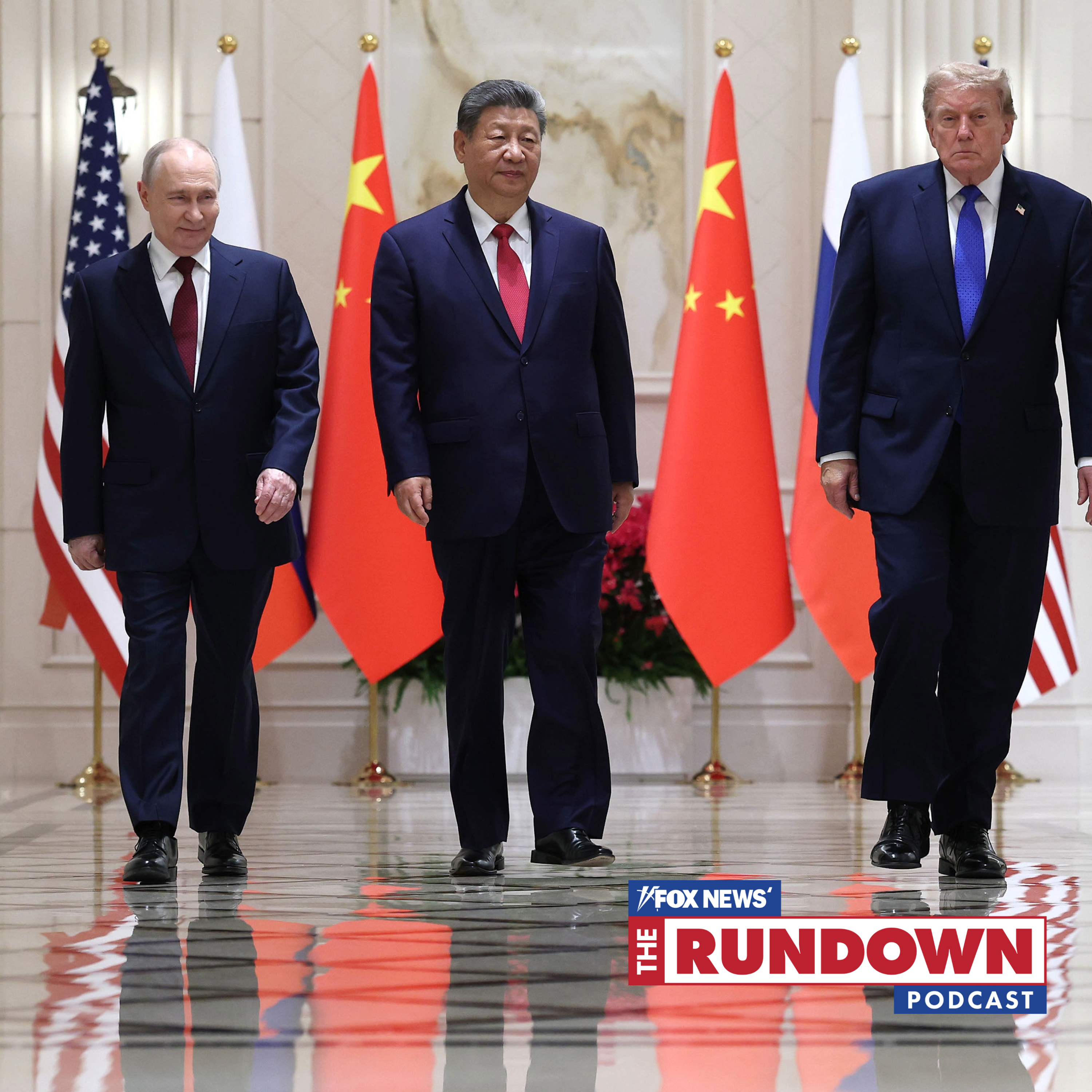
Following President Trump’s trip to Asia and a first-ever trilateral meeting with the leaders of China and Russia, foreign policy experts are weighing what was accomplished on the world stage. Former national security advisor to Vice President Dick Cheney and Heritage Foundation senior research fellow Stephen Yates joins The Rundown to analyze the summit’s outcomes on Taiwan, Ukraine, Iran, and strategic arms talks. Yates also explains how new rare-earth agreements with U.S. allies and export controls on AI chips balance Trump’s warmer rhetoric toward Beijing. Later, widespread tech outages across major platforms and government systems raise urgent questions about whether U.S. digital infrastructure is prepared for the artificial intelligence era. Former Cybersecurity and Infrastructure Security Agency (CISA) director Bridget Bean breaks down how rapid software patching can trigger cascading system failures, the growing cyber threats posed by China and Iran, and how organizations can d
Rep. Ilhan Omar’s (D-MN) immigration history is facing fresh scrutiny after federal agents searched her Washington, D.C., home in October, with new reports detailing subpoenas to relatives. There are also reports that her congressional staffers have been requested to speak about the possibility they were told to change the birth year listed in public biographies. This week, a federal judge in Washington, D.C. may have paved the way for the way to unseal the criminal search warrant and related documents against Rep. Ilhan Omar. Where do we stand on this investigation? FOX's Alexis McAdams speaks with Minnesota Republican Congressman Tom Emmer who says this isn't about background or beliefs, it is about facing consequences for criminal activity. Click here to Follow the FOX News Rundown: Evening Edition: https://link.podtrac.com/fnr_podeve Photo Credit: FOX Digital
An organization should remain responsible for decisions made by its automated systems.
Share your view, then see how readers voted. No sign-in required. This poll is shared across stories.
Do you agree or disagree?
Common Quandary
A Common Quandary to discuss
Another conversation to explore, separate from this news story.
A pricey AI tutor can turn B students into A students. Should schools let them use it?
An effective AI tutor adapts to each student and dramatically improves performance, but its subscription is expensive. A public school cannot provide it to everyone and worries that allowing its use will deepen existing inequality.
Should access be limited when a beneficial tool cannot yet be shared fairly?