No Family History, Breast Cancer at 43 with Susan G. Komen CEO Amber Guild
Listen through the publisher, then discuss the episode here or arrange an in-person Roundtable. Your city determines where to meet.
Roundtables are designed for groups of four, with a shared subject and room for everyone to speak. Come for discussion, with no dating expectation.
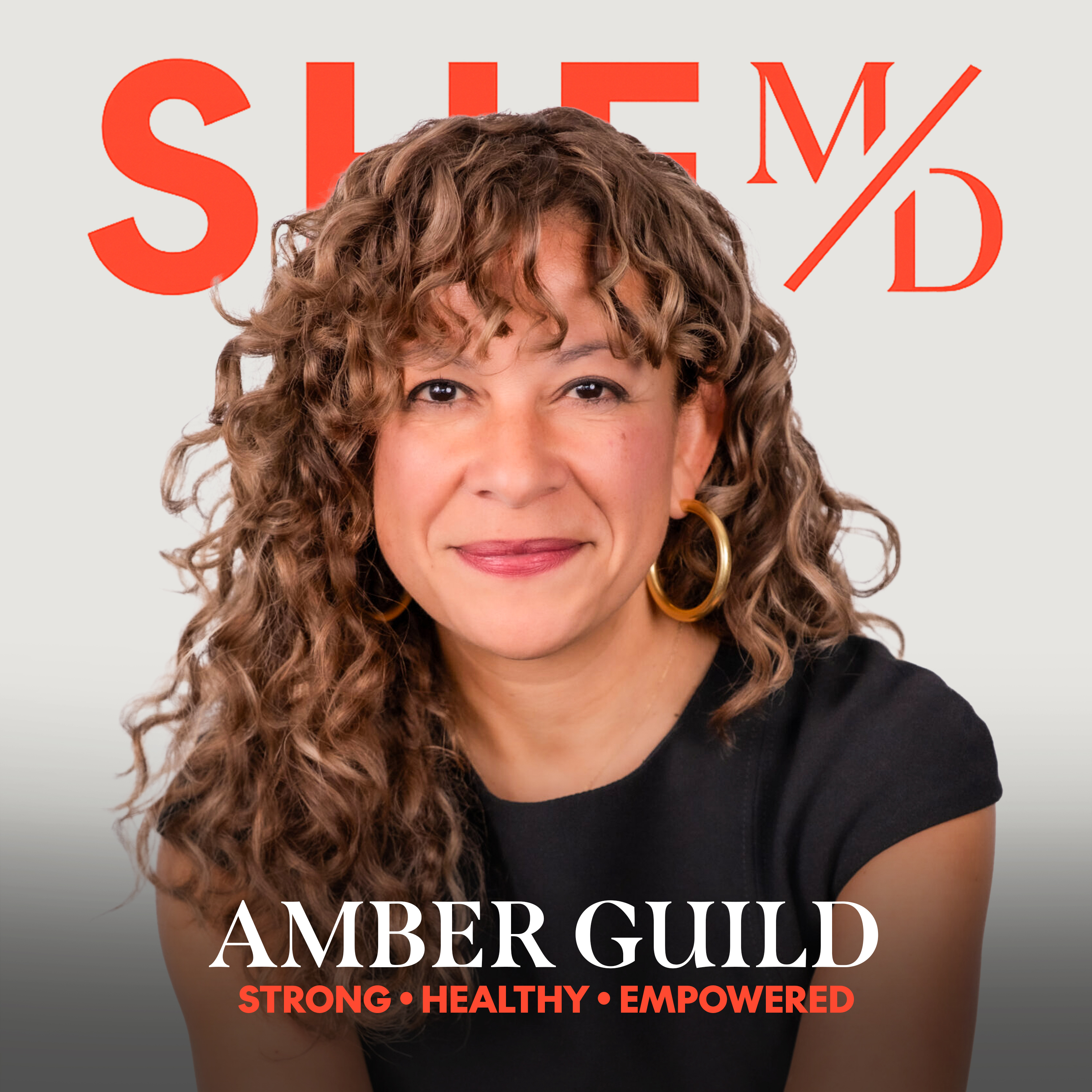
Amber Guild had no family history of breast cancer and didn’t think she was at particularly high risk. Although her doctors recommended that she begin screening at 40, she delayed her first mammogram until she was 43. That mammogram found breast cancer. Now the CEO of Susan G. Komen, Amber joins Dr. Thaïs Aliabadi and Mary Alice Haney to share what she learned from her own diagnosis and why she wants more women to understand their individual breast cancer risk long before something feels wrong. Amber walks through her diagnosis, lumpectomies, radiation and tamoxifen treatment and reflects on how differently she would advocate for herself today. Dr. A explains why family history is only one part of breast cancer risk and discusses the importance of breast density, lifetime risk calculations, genetic testing and individualized screening. They also discuss the increasing incidence of breast cancer among younger women, racial disparities in breast cancer outcomes, and why Black women are more likely to die from the disease despite having a slightly lower overall incidence. Amber shares the role Susan G. Komen plays in funding breast cancer research, expanding access to care, providing patient navigation and advocating for women and men who may otherwise struggle to get the screening and treatment they need. They also look toward the future of breast cancer care, including precision medicine, polygenic risk scores and the possibility of identifying risk earlier and treating disease more personally. The biggest takeaway: do not wait for symptoms to understand your breast cancer risk. Know your history, know your breast density, know your individual risk and advocate for the screening that is right for you. What You’ll Learn Why breast cancer can occur even when there is no family history. Why 85% of people diagnosed with breast cancer have no family history, as discussed in the episode. How Amber Guild discovered she had stage zero breast cancer at age 43. Why early detection is so important for breast cancer outcomes. Why women should understand their individual lifetime risk of breast cancer. How breast density can affect breast cancer risk and screening. Why a baseline mammogram can be useful for understanding changes over time. Why breast cancer rates are increasing among younger women. How access to care and treatment can contribute to disparities in breast cancer outcomes. Why Black women face a significantly higher breast cancer mortality rate. Why Black women are more likely to develop triple-negative breast cancer. The role of research in understanding breast cancer risk and treatment. What genetic testing can reveal about breast cancer risk. What polygenic risk scores are and how they may provide additional information about cancer risk. How personalized medicine could change the future of cancer screening and treatment. Why whole genome sequencing may become increasingly important in individualized healthcare. How Susan G. Komen funds breast cancer research and supports patients. How advocacy can help improve access to screening, treatment and care. What resources are available through Susan G. Komen's patient support services. How women can become stronger advocates for their own breast health. What questions to ask your doctor about breast cancer screening and risk. When additional imaging, including ultrasound or MRI, may be discussed. Why people with a family history of breast cancer should ask about genetic testing. Why men can also develop breast cancer. Why men with certain genetic mutations or family histories may need to consider breast cancer screening and genetic testing. What metastatic breast cancer means and why early detection matters. Why continued research, funding and advocacy are critical to reducing breast cancer deaths. Key Takeaways Breast cancer can happen without a family history. Amber Guild was diagnosed with stage zero breast cancer despite having no family history, highlighting why women should not assume they are low risk based solely on their family history. Knowing your individual risk matters. The conversation emphasizes looking beyond a universal screening age and understanding factors such as family history, breast density, genetics and other risk factors. Early detection can make a major difference. The doctors explain why detecting breast cancer while it is still limited to the breast is associated with much better outcomes. Breast density is an important part of the conversation. Dense breast tissue can increase breast cancer risk and may affect conversations around additional screening. Breast cancer disparities remain significant. Black women experience substantially higher mortality from breast cancer, with access to care, treatment delays and biological factors all discussed as contributors. Genetic testing is only part of understanding risk. The conversation explores major genetic mutations as well as polygenic risk scores, which may provide additional information about an individual's lifetime risk. Personalized medicine could transform cancer prevention. Whole genome sequencing, precision medicine and individualized risk assessment could eventually allow screening and treatment to be tailored to each person's unique risk profile. Research remains essential. Guild explains how Susan G. Komen funds researchers working to improve prevention, detection and treatment and ultimately eliminate deaths from breast cancer. Self-advocacy can help patients get the care they need. Women are encouraged to understand their risk, prepare questions for their doctors and seek additional opinions when necessary. Access to care is a critical part of the solution. Susan G. Komen provides patient navigation and other free services for people who need help accessing breast health resources. Breast cancer also affects men. Anyone with breast tissue can develop breast cancer, and men with certain genetic mutations or family histories may need to discuss genetic testing and screening with their doctors. There is still significant work to do. While breast cancer outcomes have improved, Guild emphasizes that continued research, funding, advocacy and access to care are necessary to reach a future where no one dies from the disease.
Episode information is provided by the publisher. Listening takes place on the publisher’s service.
Listen at the source ↗