Perimenopause Skin: What Actually Works with Dermatologist Dr. Mamina Turegano
Listen through the publisher, then discuss the episode here or arrange an in-person Roundtable. Your city determines where to meet.
Roundtables are designed for groups of four, with a shared subject and room for everyone to speak. Come for discussion, with no dating expectation.
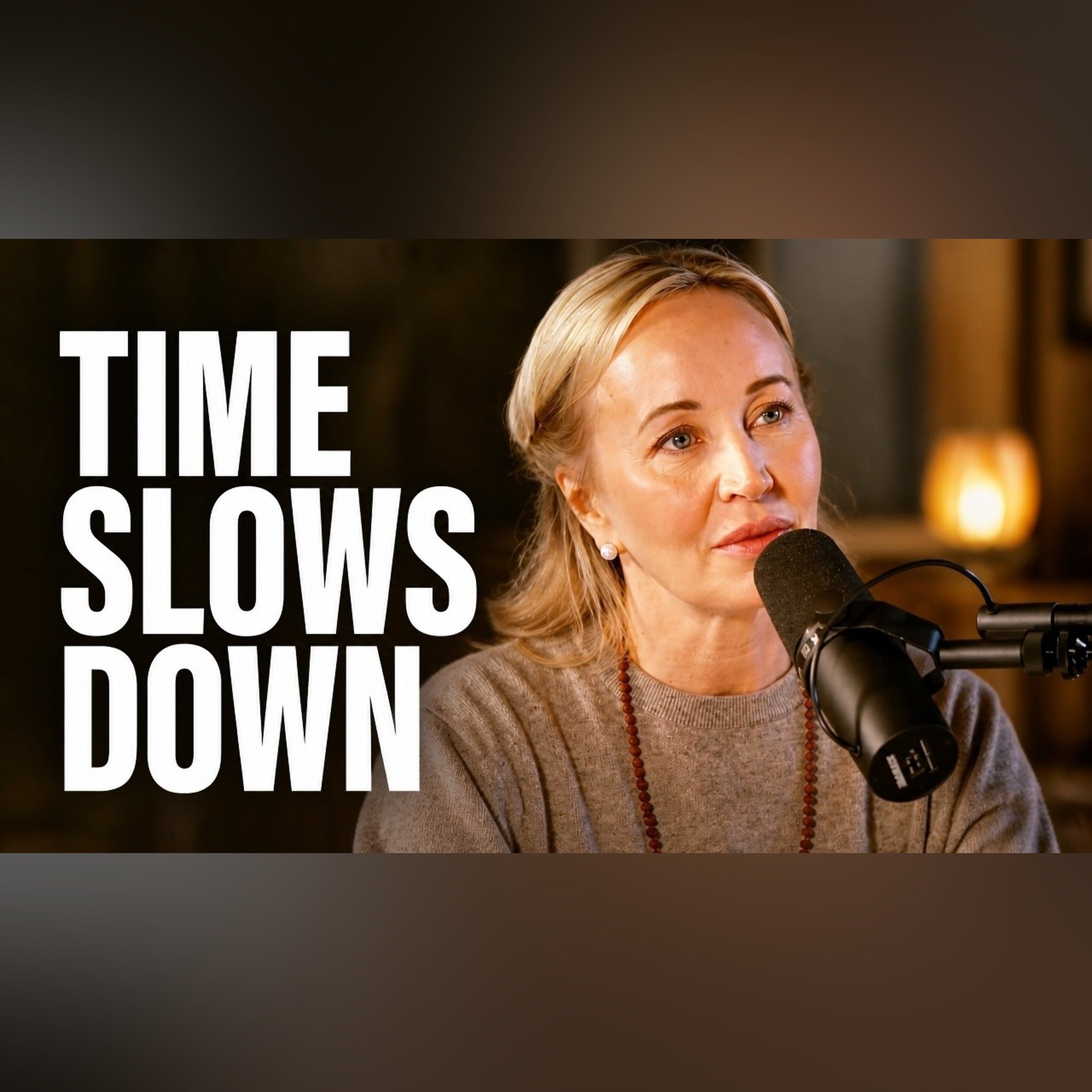
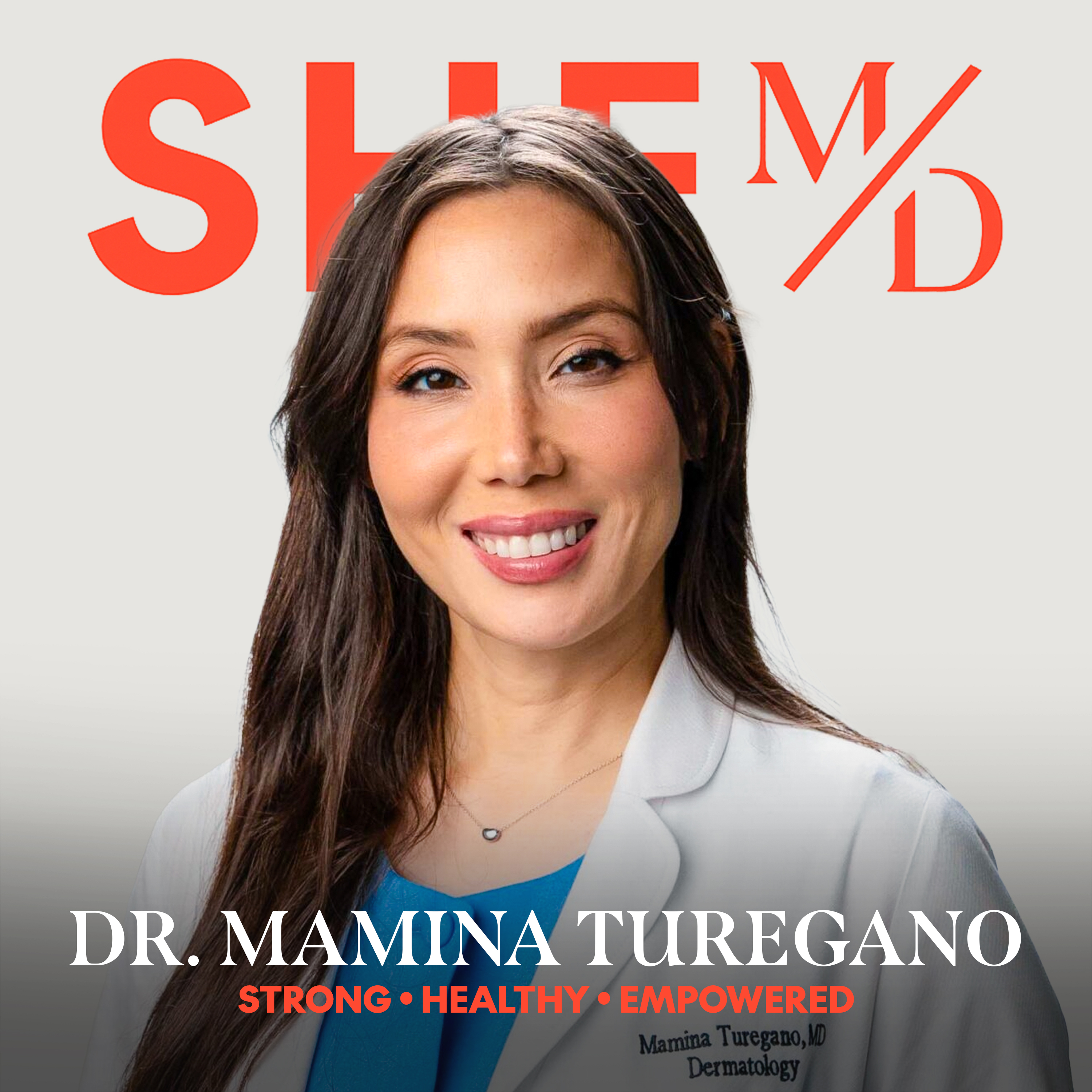
Dermatologist Dr. Mamina Turegano joins SheMD to explain why skin can change so dramatically during perimenopause and menopause and what women can actually do about it. As estrogen declines, women may notice drier and thinner skin, wrinkles, loss of collagen, crepey texture, rosacea, adult acne and increased sensitivity to products they used for years without a problem. Dr. Turegano walks us through the skincare ingredients she recommends most for midlife skin, including retinoids, vitamin C, exfoliating acids, moisturizers and sunscreen, and explains how routines may need to become gentler as skin changes with age. She also weighs in on topical estrogen cream for the face, collagen supplements, peptides, exosomes, snail mucin, beef tallow and other skincare trends flooding social media. Plus, Dr. Turegano explains how she treats hormonal acne, rosacea and melasma, what women should know about lasers and crepey body skin, and why hormonal changes and GLP-1 medications may contribute to hair loss. We also cover the warning signs of skin cancer and one of the most dangerous skincare myths circulating online right now: the claim that sunscreen causes cancer. If you feel like your skin suddenly changed and your old routine no longer works, this episode will help you understand what may be happening and where to start. Sponsors Sarah Prognostics / Preterm Test: The Preterm Test is a clinically validated blood test that assesses risk for spontaneous preterm birth. It is a fingerprint blood test performed between 18 and 20 weeks of pregnancy. Visit preterm.com to learn more and speak with your healthcare provider about whether the test may be right for you. Laundry Sauce: Laundry Sauce's Misfit by Archiste collection is featured, including its fine-fragrance laundry products. Heat Holders: Heat Holders' thermal socks, hats, gloves, base layers, pajamas, blankets and other cold-weather products are featured. OSEA Malibu: OSEA Malibu's Undaria Algae Body Oil and Hydrate & Glow Duo are featured, along with its curated holiday sets. IT Cosmetics: The episode features the IT Cosmetics Do-It All Sheer Tint Face Balm, an award-winning tinted moisturizer with a 92% skincare base, collagen peptide, hyaluronic acid and vitamin E. Ladder: Ladder's personalized strength-training program is featured. Visit ladder.fit/SheMD for a free 7-day trial with no credit card required and $10 off your first month. Manukora: Manukora's manuka honey is featured in a Black Friday/Cyber Monday offer. The starter kit includes a free mini jar of Ultra Strength 1200+ MGO, a full-size jar of 850+ MGO, five honey sticks, a wooden dough spoon and a guide book. The $269-value starter kit is available for $99 for new subscribers, with the offer running November 16 through December 6. Visit manukora.com/SheMD for $170 off your first starter kit. Seed: Seed's DS-01 is a 24-strain probiotic and prebiotic featuring a capsule-in-capsule delivery system. FIGS: FIGS' healthcare apparel and accessories are featured, including its holiday collection of scrubs, outerwear and accessories. What You’ll Learn How perimenopause and menopause affect the skin as estrogen levels decline. Why mature skin may become thinner, drier and more sensitive. How to build a simple, effective skincare routine. Which skincare ingredients are worth prioritizing. Where to save and where it may be worth splurging on skincare. Why sunscreen is one of the most important products for protecting your skin. How to recognize potentially concerning changes in moles using the ABCDE rule. What actinic keratoses are and how they differ from common skin cancers. The difference between hormonal acne and rosacea. How menopause can affect sensitive and reactive skin. What Dr. Turegano thinks about injectable peptides, collagen supplements, exosomes and snail mucin. What can contribute to hair loss after menopause. How GLP-1 medications may be connected to hair shedding. Treatment options for postmenopausal hair loss, including minoxidil, finasteride and dutasteride. What to know about anti-dandruff shampoos and scalp health. How spironolactone and Accutane may be used to treat acne. Why retinoids remain an important part of many skincare routines. Why Dr. Turegano recommends strength training and discusses creatine for menopausal women. How to identify and push back against skincare misinformation on social media. How to choose a sunscreen, including what to look for in SPF and broad-spectrum protection. Key Takeaways Hormonal changes can affect the skin in significant ways. Dr. Turegano explains how declining estrogen during perimenopause and menopause can contribute to changes in hydration, skin thickness, sensitivity and the skin barrier. A simple skincare routine can go a long way. Rather than layering numerous active ingredients, Dr. Turegano emphasizes a thoughtful routine that supports the skin barrier. Sun protection remains essential. Dr. Turegano recommends using sunscreen consistently and looking for SPF 30 or higher and broad-spectrum protection. Acne can change with age. Hormonal acne and rosacea can overlap, making it important to understand the differences and approach mature skin more gently. Hair loss after menopause can have multiple causes. Hormonal changes, nutritional deficiencies, thyroid issues and medications can all play a role, and Dr. Turegano discusses several treatment options. GLP-1 medications may be associated with hair shedding. Dr. Turegano discusses telogen effluvium and the different factors that can contribute to increased shedding. Not every trending skincare treatment has definitive evidence behind it. The conversation explores peptides, exosomes and snail mucin while considering what is known and what remains uncertain. Pay attention to changes in your skin. New or changing moles and other concerning skin changes should be evaluated by a dermatologist. Be cautious with skincare information online. Dr. Turegano addresses misinformation surrounding sunscreen and encourages women to make skincare decisions based on reliable medical information. Strength training and overall health matter. The conversation goes beyond skincare to discuss strength training and creatine as part of women's health during menopause.
Episode information is provided by the publisher. Listening takes place on the publisher’s service.
Listen at the source ↗