English-language podcasts

Intelligence Squared

Nvidia Explained: How It Became the World’s Most Powerful Company
49 min

Listen through the publisher, then discuss the episode here or arrange an in-person Roundtable. Your city determines where to meet.

Roundtables are designed for groups of four, with a shared subject and room for everyone to speak. Come for discussion, with no dating expectation.

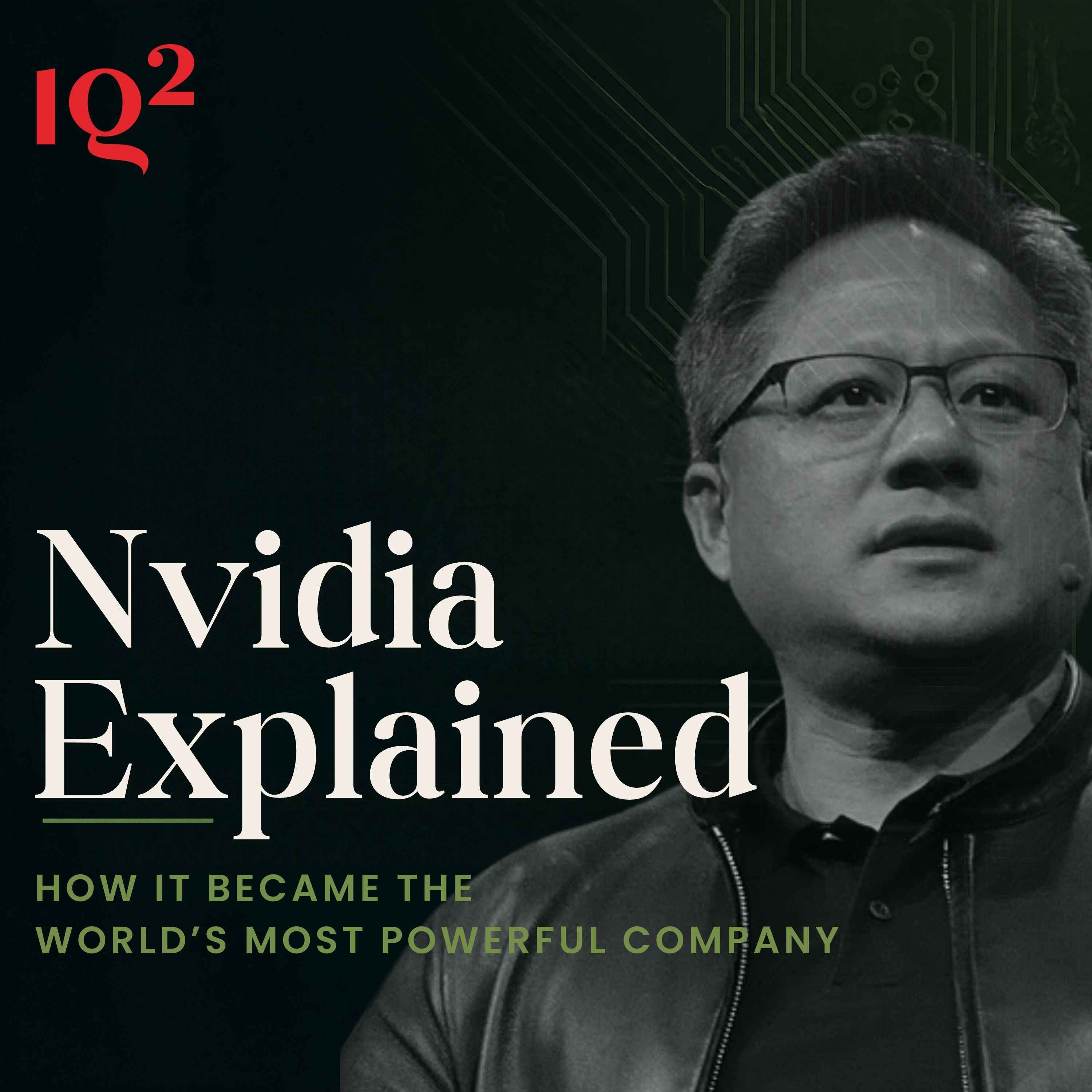
In June 2024, Nvidia became the most valuable corporation on Earth. Now, the actions of its CEO, Jensen Huang, threaten to tear it apart. For this episode, we're revisiting an episode from the Intelligence Squared archive that helps explain why this company matters so much. How did a company that started out making graphics chips for videogames become one of the most powerful corporations on Earth, and the driving force behind the AI revolution? In his book The Thinking Machine, Stephen Witt chronicles Nvidia's extraordinary rise, revealing how it came to dominate the market for AI hardware and, in the process, reinvent the computer. He joined author and Research Director at Demos Carl Miller to discuss the people, decisions and breakthroughs behind Nvidia's rise, and how one company became so central to the future of artificial intelligence. This conversation was recorded before the latest developments at Nvidia. Hosted on Acast.

Episode information is provided by the publisher. Listening takes place on the publisher’s service.

Listen at the source ↗

Featured places to meet in Palo Alto, CA

Explore these places and arrange a conversation through ThinkMatch.

City guide for Palo Alto, CA

More from Intelligence Squared

Intelligence Squared

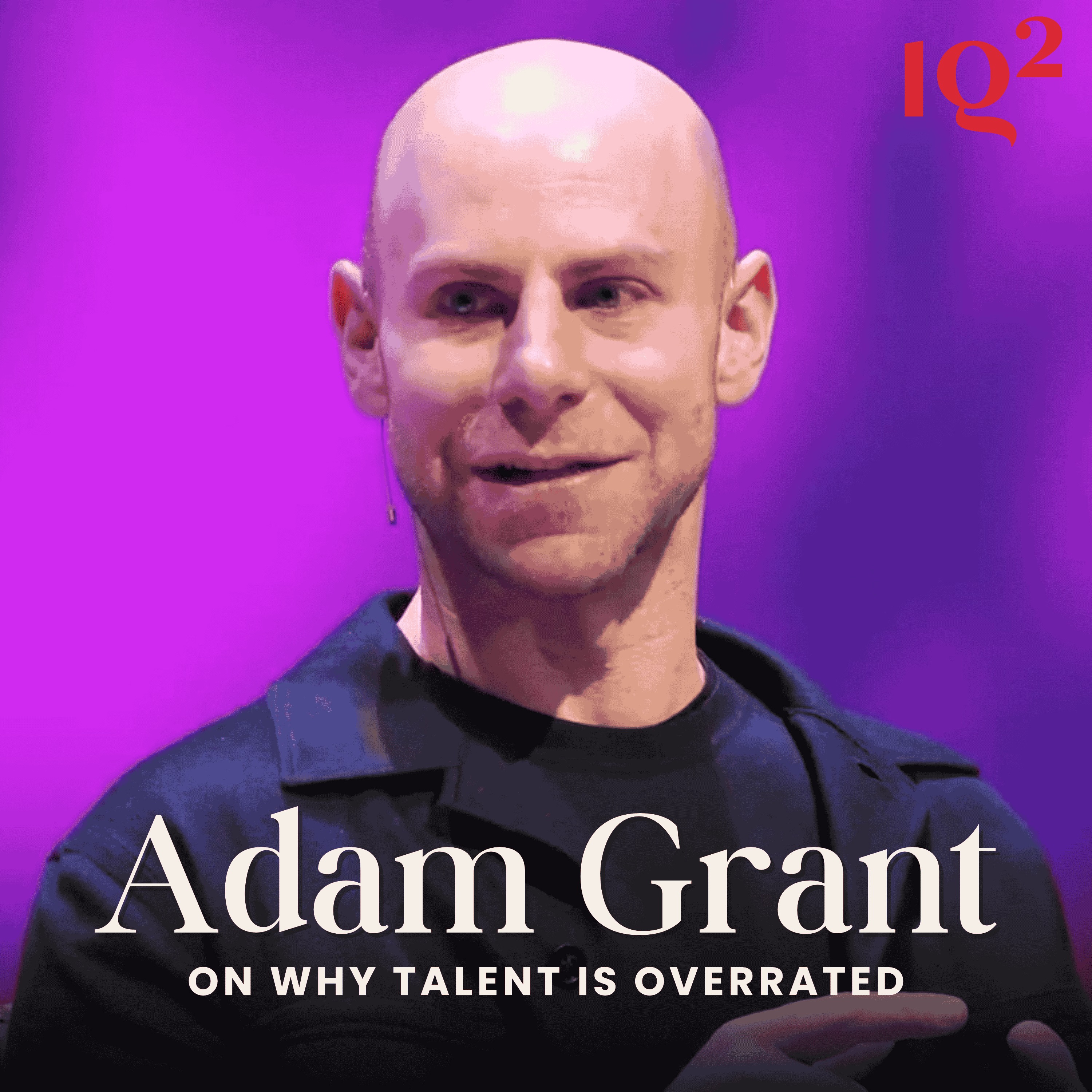
Adam Grant on Why Talent Is Overrated [Archive]

87 min

Adam Grant is one of the most sought after organisational psychologists in the world. He has provided expert advice to many of the world’s greatest business leaders, including Bill Gates and Sheryl Sandberg, equipping them with the mental tools to find motivation and meaning, rethink assumptions, and achieve greatness in their business and personal lives. In January 2024 Grant came to the Intelligence Squared stage for a rare, exclusive London event where he shared his revolutionary framework for how we can all exceed the expectations and aspirations we have set for ourselves. Drawing on his new book Hidden Potential he explained that despite living in a world that tends to admire people who start out with innate talent, there is clear scientific evidence that we can all bridge the biology gap and improve ourselves dramatically. In conversation with economist and FT columnist Tim Harford, Grant wove together groundbreaking evidence, surprising insights, and vivid story telling to take

Discuss this episode

Intelligence Squared

Why Science Hasn’t Displaced the Supernatural, with Malcolm Gaskill

50 min

How do we make sense of the unseen? For centuries, the supernatural has offered ways to understand misfortune, find comfort and live with uncertainty. But its history is not simply a story of superstition giving way to reason. Why did people seek evidence in witchcraft trials? Can science and supernatural belief exist alongside one another? And what might today’s encounters with frontier technologies reveal to us about the persistence of the uncanny? In this episode, Margherita Volpato speaks with Malcolm Gaskill about his new book, Worlds of Fear and Wonder: Living with the Supernatural, Past and Present. Together, they explore the emotions behind supernatural beliefs that have shaped culture. They discuss Puritans searching for signs from God, the persistence of enchantment in the modern world and the uneasy relationship between technology and the uncanny. Malcolm Gaskill is Emeritus Professor of Early Modern History at the University of East Anglia and the author of seven books, inc

Discuss this episode

Intelligence Squared

Are We Addicted to Control? with Dr Anna Lembke

41 min

We live in a world designed to give us ever greater control. We can optimise our routines, monitor our bodies and manage almost every detail of our surroundings. But our pursuit of certainty may also be making us less able to face the parts of life we cannot predict. Are we becoming addicted to control? Why can uncertainty leave us feeling anxious, lonely or ashamed? And could surrender be a source of freedom rather than a sign of defeat? In this episode, Dr Güneş Taylor speaks with Stanford psychiatrist and addiction-medicine specialist Dr Anna Lembke about her new book, Radical Surrender: Letting Go in a World Addicted to Control. Drawing on neuroscience, clinical experience and her own encounter with loss, Lembke explains why accepting the limits of our control might help us find greater meaning and connection. Together, they explore what surrender means in a secular age and whether opening ourselves to uncertainty can change how we live. Dr Anna Lembke is a professor of psychiatry

Discuss this episode

Community Poll

Scarce treatments should be allocated by medical need rather than ability to pay.

Share your view, then see how readers voted. No sign-in required. This poll is shared across stories.

Do you agree or disagree?

Choose one answer

Common Quandary

A Common Quandary to discuss

Another conversation to explore, separate from this news story.

You lecture everyone about climate change—then get invited on a dream flight. Do you go?

A close friend living overseas invites you to an important celebration. Flying is affordable but carbon-intensive. Your individual decision will not determine whether the flight operates, yet it conflicts with commitments you publicly encourage others to make.

When is a small personal contribution to a large harm morally significant?

Explore this quandary