Listen through the publisher, then discuss the episode here or arrange an in-person Roundtable. Your city determines where to meet.
Roundtables are designed for groups of four, with a shared subject and room for everyone to speak. Come for discussion, with no dating expectation.
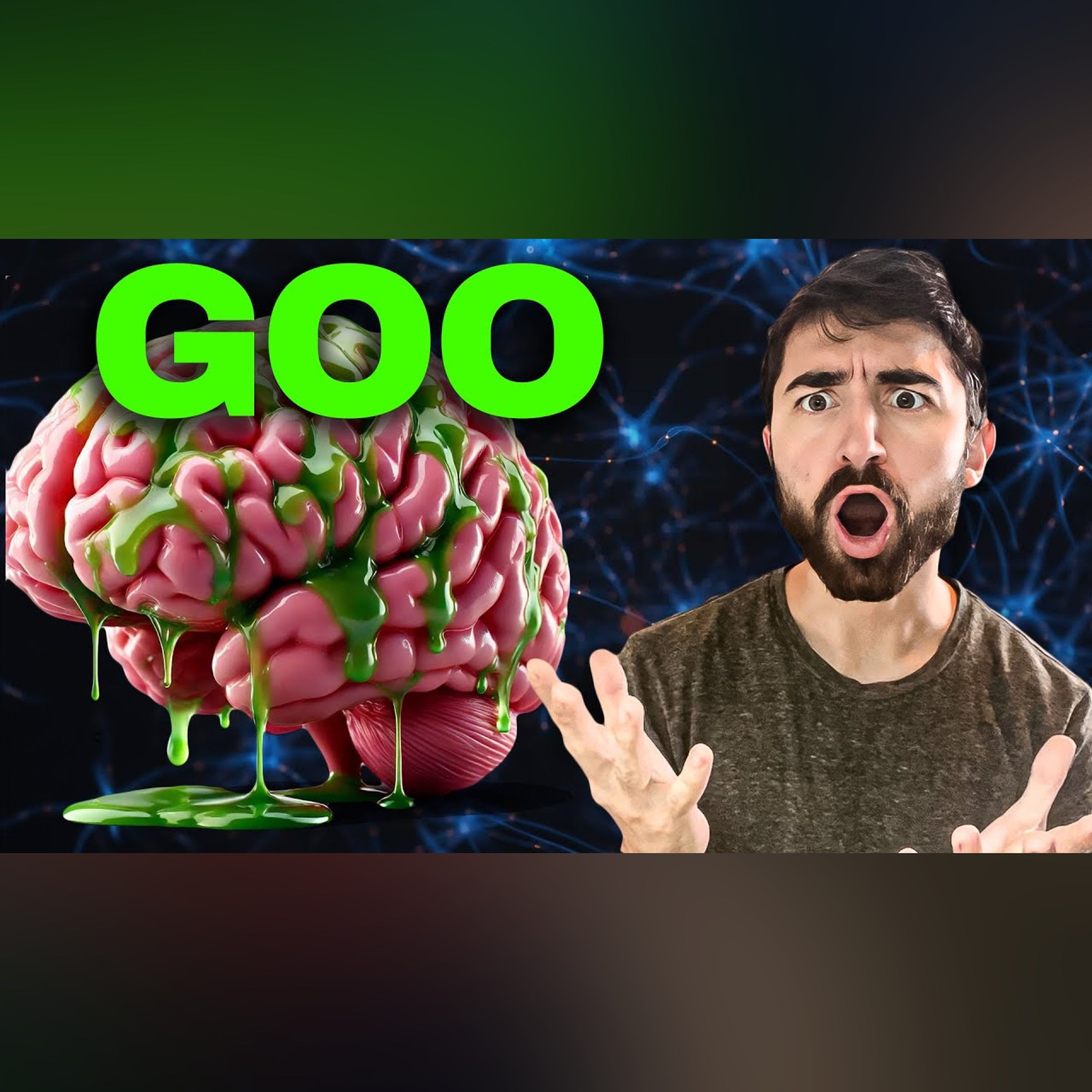
Brand new data reveal how "brain goo" could be contributing to obesity. In this video, we define the nature of this brain inflammation and its link to metabolic dysfunction. We dive into the science showing that Western diet leads to the accumulation of “brain goo, which in turn results in increased food intake, decreased energy expenditure, and ultimately obesity. We’ll also explore practical solutions to combat brain inflammation and the harmful effects of brain goo, so you can take control of your metabolic health. Discover how to improve brain function, optimize metabolism, and fight back against the harmful effects of modern diets on your body. This is an essential video for anyone looking to better understand the science of brain health, weight management, and how to address obesity at its root cause. Chapters 0:00 – How Brain Goo Contributes to Obesity 1:47 – Bad Diet and Brain Inflammation: How It Increases Brain Goo 2:53 – How Brain Goo Breakdown Can Promote Fat Loss 4:04 – The Role of Brain Goo in Insulin Resistance 4:50 – Summary: Mechanisms of Brain Goo and Obesity 5:20 – How to Combat Brain Goo and Improve Metabolism Reference: Beddows C et al. Pathogenic hypothalamic extracellular matrix promotes metabolic disease. Nature. 2024 #brainhealth #obesity #metabolichealth #neuroscience #weightloss #brainhealth #obesity #metabolichealth #neuroscience #weightloss #braininflammation #insulinresistance #fatloss #brainfunction #dietandhealth #highsugardiet #highfatdiet #metabolicdysfunction #westernstyle #healthybrain #insulin #foodintake #energyexpenditure #dietsolutions #brainhealthmatters #staycurious
Episode information is provided by the publisher. Listening takes place on the publisher’s service.
Keto Consult #12, This week Jennifer and I talk about my experience at the Metabolic Health Center 2019. I was able to hear some really interesting lectures about Keto for Cancer and Keto for Mental Health. The talk about Keto for Cancer and Keto for Mental Health has come such a long way in the past 2 years and continues to evolve. We also discuss the Effects of Marijuana on the Brain and Hyperbaric Oxygen Chambers and the benefits of Hyperbaric Oxygen Therapy. Finally we get an update from Jennifer and discuss her personal Keto Journey. Thanks for tuning into my channel. To learn more about Keto and Cancer, read my blog here: https://bozmd.com/m-d-anderson-on-the-keto-diet-and-cancer/ BOOK-LINK - ANYWAY YOU CAN. AUDIBLE: https://adbl.co/2SLLfS1 PAPERBACK= (Affilate link) https://amzn.to/2Cq1IVC The two most common questions I get ... 1) "Doc, what BLOOD METER do you recommend?" ANSWER: FORACARE: http://bit.ly/2QKGmKG For years my diabetics told me this system was great. I tried sever
Get the 200+ Page Optimal Living Daily Workbook (PDF) - Free. Want to turn today's episode into an actionable plan? Episode 4233: Kate Galliett explains three reasons we make health, fitness and life harder than they need to be: ignoring how the body works as a connected system, trusting only extreme intensity, and leaking the energy that fuels motivation and discipline. She makes the case that appropriate effort, not maximum effort, is the only sustainable path to lasting results. Read along with the original article(s) here: https://fitforreallife.substack.com/p/why-you-make-everything-harder-than Quotes to ponder: "The better way is to give appropriate effort and get appropriate results. This is the only sustainable way." "If you try and live at the extremes, you will constantly ping-pong back and forth from one extreme to the other." "Just imagine - you might not actually lack discipline after all, you just might be leaking energy that feeds your ability to be disciplined." We spen
What is the Apple Vision Pro actually for? THIS… Get better sleep with $200 off your Eight Sleep Pod Cover using my code CLEO: https://www.eightsleep.com/cleo/ If you want to feel more optimistic about the future, consider subscribing. You’ve seen the Apple Vision Pro. But this isn’t a product review. In this video, @mkbhd and I take a dive into what the future might actually look like with this category of tech - and why you should care. (With a cameo from @ryan !) Honestly, with all the jargon and hype (VR! AR! Spatial computing! Metaverse!), I’ve been tuning out the news about these devices for a while. But now, I think it’s time to turn the volume back up and pay attention. There is a deeply optimistic future that’s possible here. Not Ready Player One, but something else entirely. I’m going to try to show you what it might really look and feel like. If the Apple Macintosh helped unlock personal computing, and the iPhone unlocked computers in our pockets, what is this device suppose
Text me what you thought of the show (https://www.buzzsprout.com/1959372/fan_mail/new) Can working night shifts affect your fertility, ovulation or IVF success? After speaking with numerous women trying to fall pregnant while working shifts, including those undergoing expensive IVF treatment, I wanted to explore what the research actually tells us. In this episode of A Healthy Shift, we discuss how night shifts, disrupted sleep and circadian misalignment may affect reproductive health. We cover: Why the fertile window is so short. Shift work, reproductive hormones and menstrual irregularities. What research says about night shifts, fertility and IVF outcomes. The roles of sleep, stress, nutrition, weight and exercise. Practical steps for women trying to conceive while working shifts. Research links shift work with menstrual irregularities, but evidence that night shifts directly cause infertility or reduce IVF success remains uncertain. If you're trying to get pregnant while working ni
Explore how pulling an all-nighter can impact your cognitive function, and find out what happens to your brain when you don't sleep. -- You’re just one history final away from a relaxing spring break. But you still have so much to study! You decide to follow in the footsteps of many students before you, and pull an all-nighter. So, what happens to your brain when you stay up all night? And does cramming like this actually help you prepare for a test? Anna Rothschild explores how a sleepless night impacts your cognitive function. Lesson by Anna Rothschild, directed by Biljana Labović. Animation by Noam Sussman & Ali Kellner, Homework Studio. This video made possible in collaboration with the Bezos Family Foundation Learn more about how TED-Ed partnerships work: https://bit.ly/TEDEdPartner A special thanks to Dr. Mathias Basner, Andrew Fuligni, Adriana Galván, and UCLA Center for the Developing Adolescent who provided information and insights for the development of this video. Support Ou
Glycine is an amino acid that helps build collagen and is involved in regulating inflammation, and researchers are exploring its role in healthy aging, yet your body may produce less of it as you get older Modern diets often lack glycine-rich connective tissues, such as bones, tendons and cartilage, making grass fed beef bone broth, gelatin and collagen-rich cuts of meat valuable additions to your meals Animal studies described by biochemist Joel Brind, Ph.D., found that glycine supplementation extended lifespan in rats and mice by approximately 10% to 15%, although researchers have yet to establish whether it produces similar benefits in humans In a small, three-month placebo-controlled trial of 74 adults with Type 2 diabetes, those given glycine had significantly lower HbA1c and reduced inflammatory markers compared with placebo, although larger studies are needed Research suggests glycine may help your body release heat and lower its core temperature before sleep, while collagen-ric
Microplastics in my Heart Letter: https://staycuriousmetabolism.substack.com/p/microplastics-in-my-heart-its-worse?r=40ekz2 Stanford Fiber RCT, Letter https://staycuriousmetabolism.substack.com/p/fiber-is-good-for-you-is-lazy-science?r=40ekz2 Microbiome Reset, Letter https://staycuriousmetabolism.substack.com/p/how-im-rebuilding-my-microbiomeafter?r=40ekz2 Description: Microplastics are everywhere—in our food, water, and inside our bodies—and avoiding them completely is nearly impossible. In this conversation, I sit down with Dr. Matthew Dunn PhD, a molecular biologist working at the intersection of biotechnology and human health, to unpack what the science actually says about microplastics and how they may be linked to cardiovascular disease, reproductive health issues, and gut inflammation We break down the landmark human data, the animal and cellular studies that help explain possible mechanisms, and dissect the state of the data. We also explore a potential inside-out solution: usi
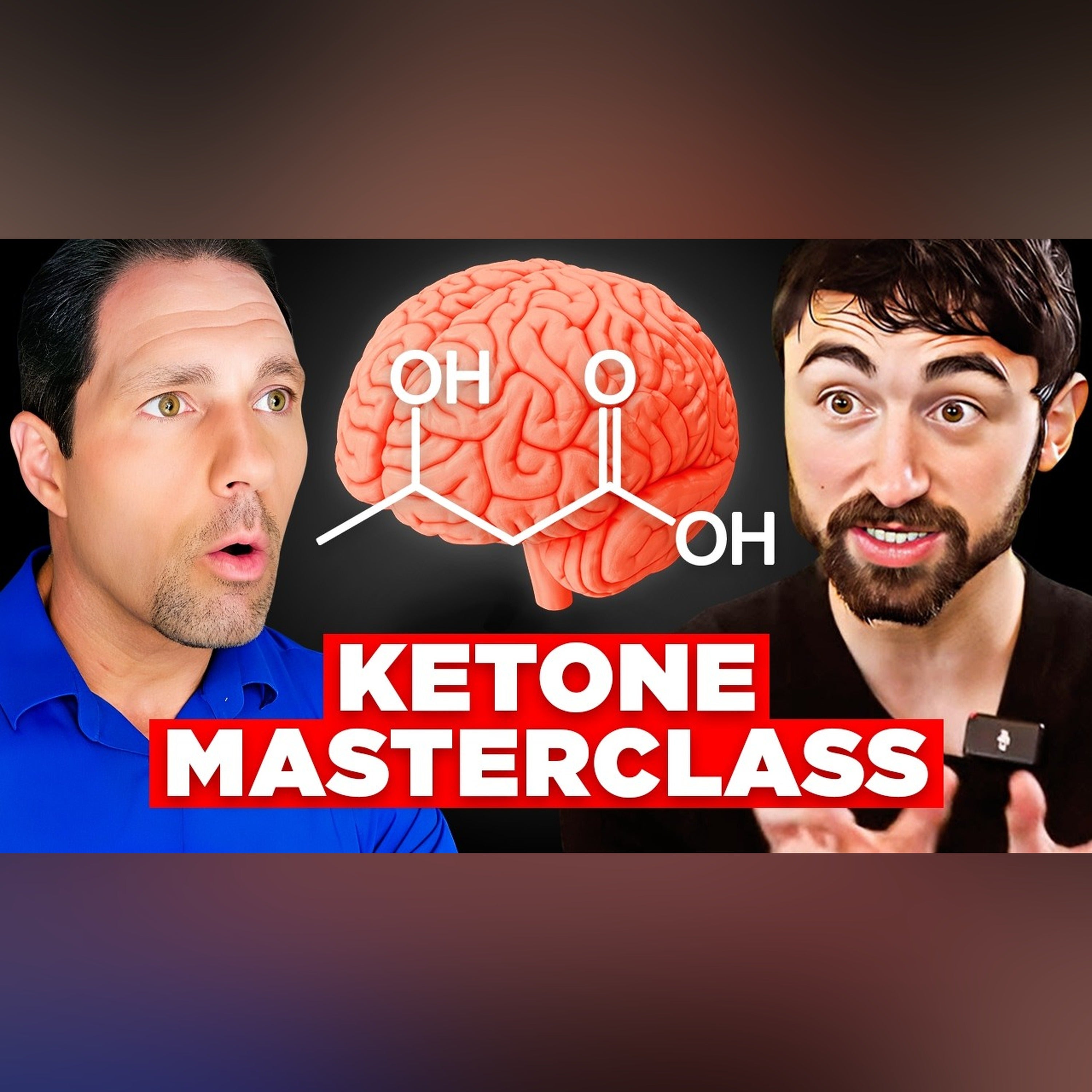
In this conversation, I sit down with Professor Dom D’Agostino, one of the world’s leading experts on metabolic therapies, ketosis, and exogenous ketones. We dive deep into the science of ketone esters, MCT oils, and 1,3-butanediol, breaking down how these compounds affect the brain, liver, and mitochondria. If you’ve ever wondered what ketone supplements actually do, this interview cuts through hype with hard data, clinical context, and self-experimentation. Mitochondrial Migration (Adapt) Video: https://youtu.be/R9x5Y57HuoA 0:00 – Ketones Can Rescue the Brain from Hypoglycemia 2:00 – The Self-Experiment That Changed Dom’s Career 5:00 – Ketones as a Lifeline in Severe Hypoglycemia 8:15 – Ketone Esters Explained: Forms, Effects, and Risks 16:10 – What Are MCTs and How They Boost Ketones 18:00 – The Story of MCT Oil and Alzheimer’s Disease 27:40 – Polyunsaturated Fats (PUFAs) and Ketone Production 33:00 – Ketone Salts: Benefits, Risks, and Misconceptions 36:00 – The Hidden Dangers of 1,
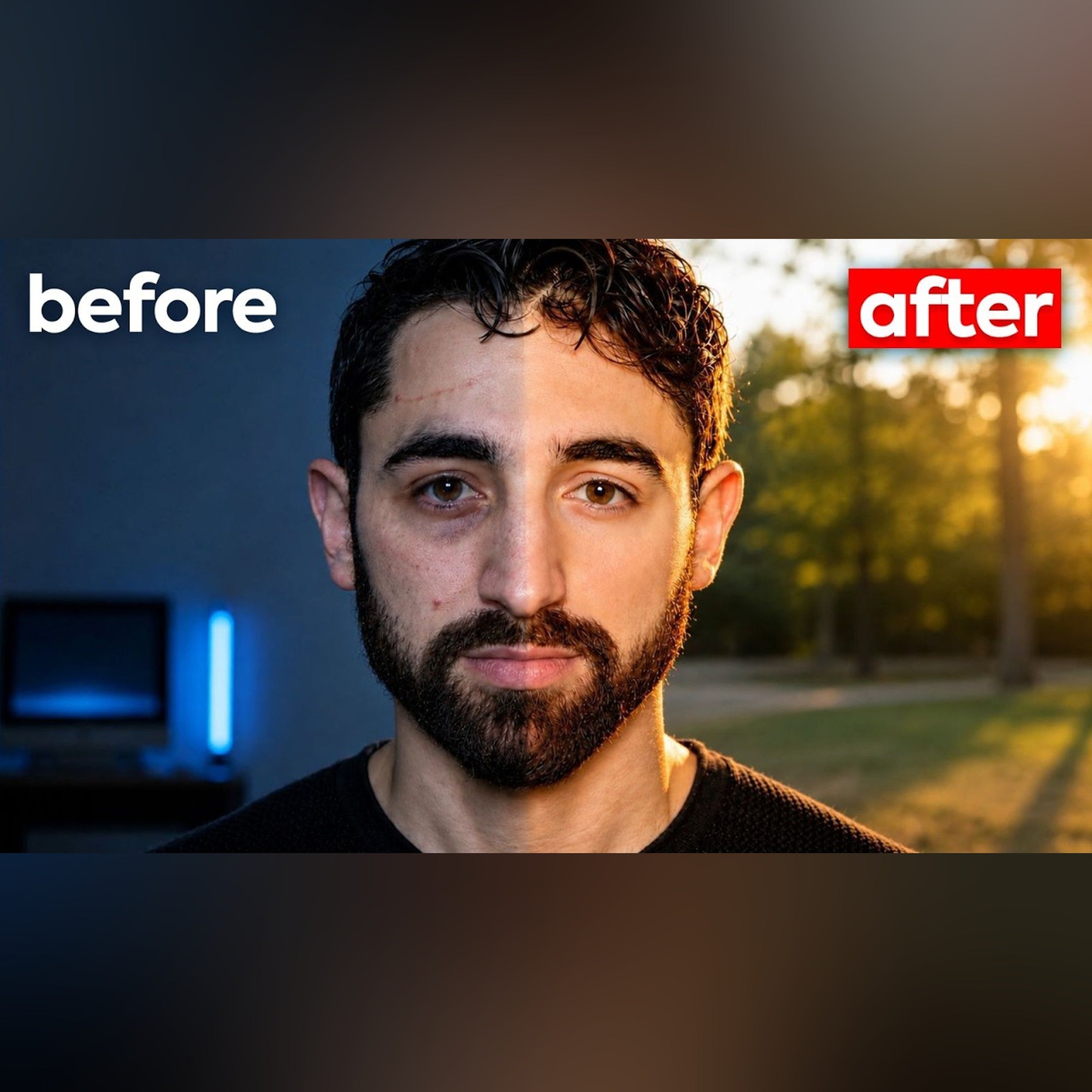
For extra nuances and all the references, please see the newsletter: https://staycuriousmetabolism.substack.com/p/how-i-hacked-my-girlfriends-brainwith?r=40ekz2&utm_campaign=post&utm_medium=web&triedRedirect=true (https://staycuriousmetabolism.substack.com/p/how-i-hacked-my-girlfriends-brainwith?r=40ekz2&triedRedirect=true) Can light influence attraction, hormones, and even reproductive biology? In this video, we explore surprising research on light exposure, testosterone, estrogen, fertility signals, and behavioral changes observed in both animal models and human studies. From hormone cascades triggered through the skin to seasonal changes in reproductive biology, this is a fascinating look at how deeply light may shape human physiology. Along the way, I also test whether increasing my own sunlight exposure changes my testosterone levels and reveal how my girlfriend hacked my brain! For more nuance, mechanisms, protocols, and limitations behind these findings, check out the full deep
Courts should explain important rulings in terms ordinary people can understand.
Share your view, then see how readers voted. No sign-in required. This poll is shared across stories.
Do you agree or disagree?
Common Quandary
A Common Quandary to discuss
Another conversation to explore, separate from this news story.
You are vegetarian, but the leftover steak is headed for the trash. Do you eat it?
A vegetarian avoids buying meat because of animal welfare concerns. At work events, untouched meat is routinely thrown away, and eating it would neither increase demand nor cause another animal to be harmed.
Should a moral practice be judged by its consequences or its consistency?