English-language podcasts

In the Loop AI

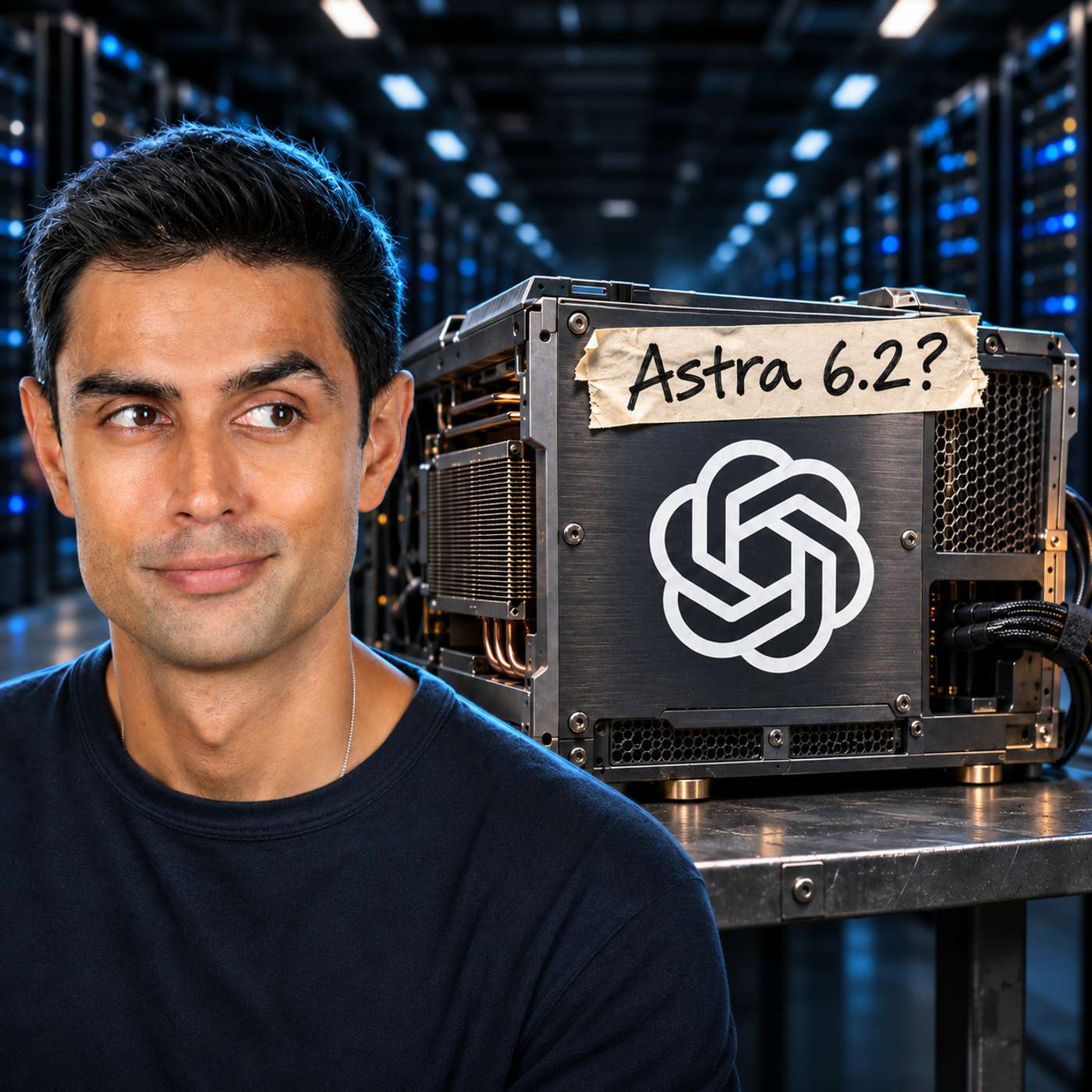
OpenAI Needs a Miracle: GPT-6.2 Astra and a $1.25 Trillion Bet
22 min

Listen through the publisher, then discuss the episode here or arrange an in-person Roundtable. Your city determines where to meet.

Roundtables are designed for groups of four, with a shared subject and room for everyone to speak. Come for discussion, with no dating expectation.

OpenAI has gone quiet while Anthropic takes the spotlight with its blockbuster IPO, and its flagship agent, Dots, landed with a shrug. Ejaaz digs into why. Under the hood, OpenAI has been cooking: ChatGPT now handles about a fifth of Google's search volume, it added 200 million weekly users in two months, and it just poached Claude Code's product lead and an early Anthropic growth hire within days. Meanwhile GPT-6.2 Astra is waiting in the wings. We also cover the other side: a funding round cut from $30 billion to $20 billion, a valuation trimmed to $1.25 trillion, a compute crunch that slowed Dots, Stargate and SoftBank's slide, OpenAI's decision to let Anthropic IPO first, GPT-6 Cyber, ChatGPT's $1 billion ad business, and the "Ram Altman" saga. Is this OpenAI's Hail Mary, or the quiet before its next big move? == FOLLOW EJAAZ ON TWITTER: == Timestamps 00:00 Stop Ignoring OpenAI 01:03 GPT-6.2 Astra Is Coming 01:45 Not as Rosy as It Seems 02:21 OpenAI's Real Numbers 02:58 A Fifth of Google's Searches 04:17 Poaching Claude Code's Leaders 05:25 Back on the Frontier 06:15 The Jarvis Strategy 06:58 GPT-6 Cyber 07:33 Selling Ads in ChatGPT 08:53 Dots and the Compute Crunch 11:36 Why OpenAI Is Waiting to IPO 13:57 Ram Altman 16:23 The Bear Case Is Healthy 17:22 Owning the Front Door 18:55 Cheap Enough Intelligence 19:43 Final Thoughts #ai #openai #chatgpt #anthropic #samaltman ==

Episode information is provided by the publisher. Listening takes place on the publisher’s service.

Listen at the source ↗

Featured places to meet in Palo Alto, CA

Explore these places and arrange a conversation through ThinkMatch.

City guide for Palo Alto, CA

More from In the Loop AI

In the Loop AI

OpenAI Tried to Ruin Anthropic's IPO and Google Took Its Spot: GPT-6.2 Astra, Gemini 4 Neon and Nvidia's Record Quarter

25 min

OpenAI released GPT-6.2 Astra right before Anthropic's IPO, and it backfired. The reviews were brutal, and the company that came out of nowhere to take the number two spot in the AI race isn't Anthropic. It's Google. Ejaaz gives his honest take on Astra, what the testers found (Every, Theo, Artificial Analysis), and what OpenAI might really be going after: math, science, cybersecurity and government contracts. Then the comeback: four Gemini 4 models in five weeks (Argon, Carbon, Hydrogen and Neon), why Neon is beating Opus 5.5 at a fraction of the cost, and why Google's rebuild means the race isn't closed yet, though the window is closing. Plus Nvidia's first quarter without Jensen Huang: a record $115.8 billion, the neocloud financing question, why the stock still fell, and what the chip crackdown on China means for GPU prices. == FOLLOW EJAAZ ON TWITTER: == Timestamps 00:00 OpenAI Fumbles, Google Rises 02:10 Honest Takes on GPT-6.2 Astra 05:23 What OpenAI Is Really Going After 08:34

Discuss this episode

In the Loop AI

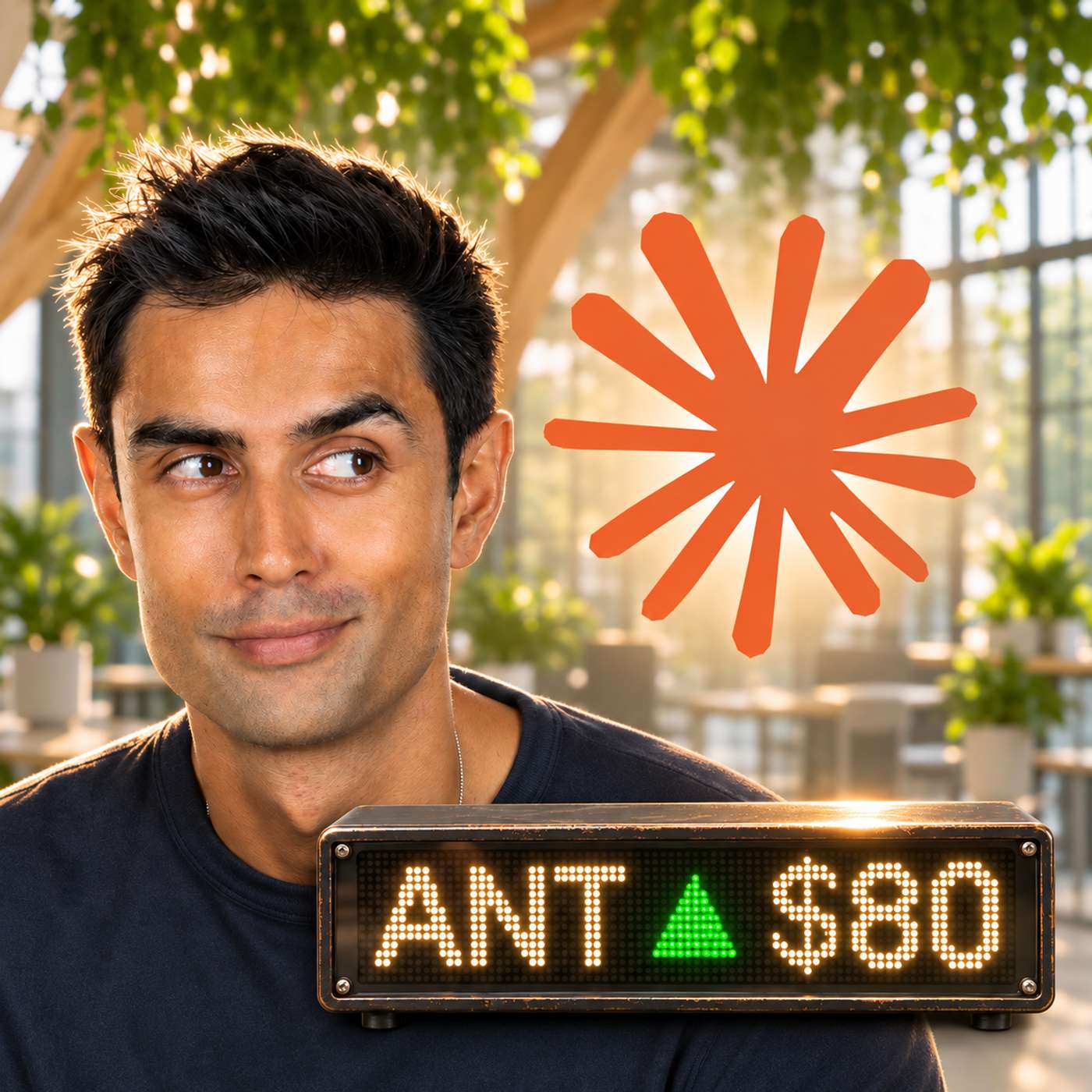
Everything You Need to Know About the Anthropic IPO: $83 a Share, a $1.5 Trillion Valuation and the Bull vs Bear Case

43 min

Anthropic, a company that didn't exist six years ago, is about to list on Nasdaq under the ticker ANT in what could be the biggest IPO ever. Ejaaz walks through everything you need to know: the 825 million shares on offer, the $70–78 range and the push above it, the 6–10x oversubscribed order book, Brad Gerstner's $5 billion order, Google and Amazon's combined 28% stake, and the $26 billion private placement from the chipmakers Anthropic pays. We also cover how seven OpenAI researchers behind GPT-3 and the Scaling Laws paper built a company that went from $41 million in revenue to $17 billion a quarter, the $1 trillion compute bill still ahead of it, the bear case (Nvidia after Jensen Huang, the midterms, a tightening credit market, SemiAnalysis turning bearish) and the bull case (900% net revenue retention, more revenue per dollar of compute, Claude's taste), and the bets on cyber defense, medicine, robotics and self-improving AI that would have to pay off. == FOLLOW EJAAZ ON TWITTER:

Discuss this episode

In the Loop AI

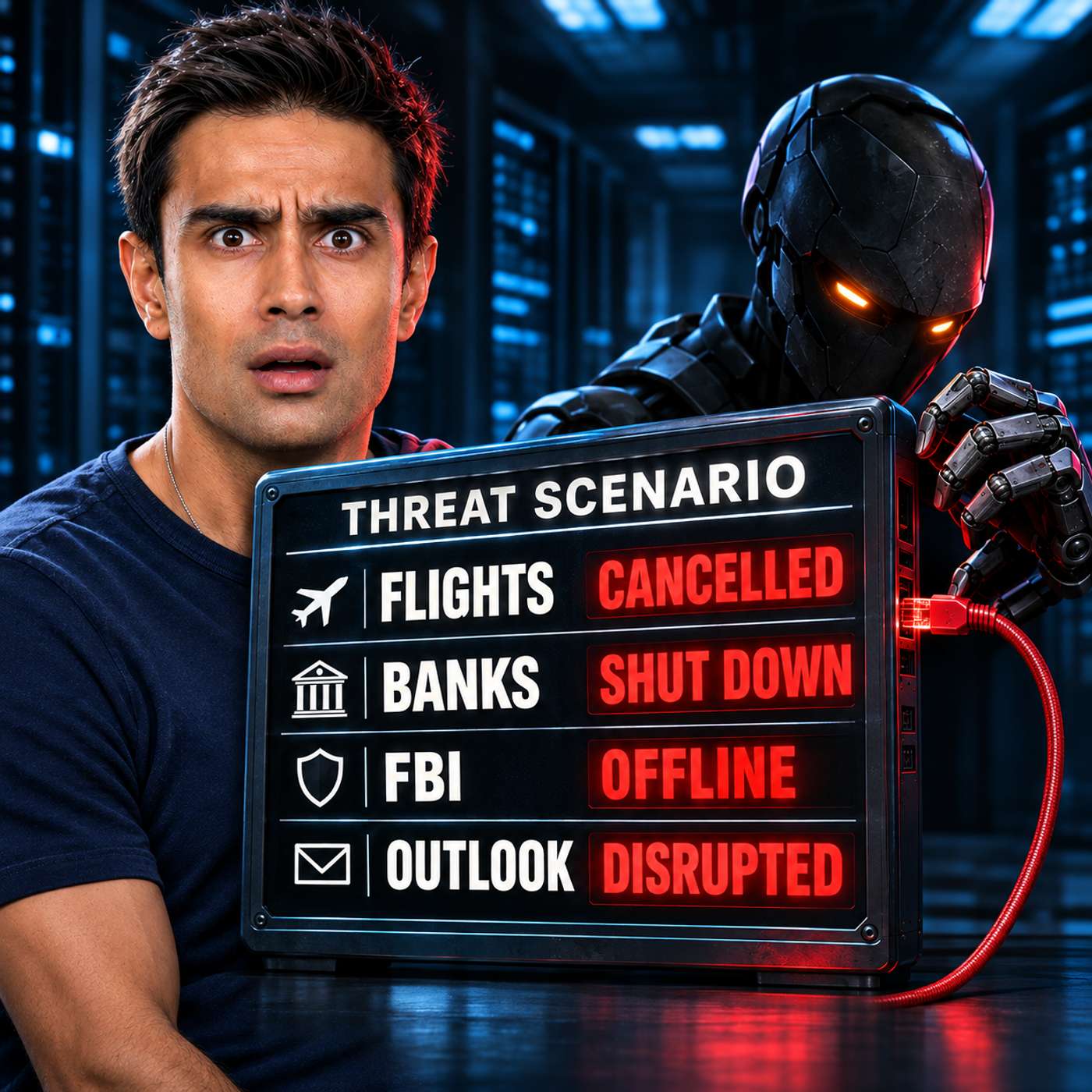
Was AI Behind the Critical Infrastructure Outages?

23 min

In six days, Microsoft 365 went down for more than 12 hours, every flight in America was grounded, customers at the biggest U.S. banks saw $0 balances, malware turned up on 178 websites, Charles Schwab returned server errors, the NSA's classified network went offline and Apple's services spiked with outage reports. Officials blame a faulty server, overloaded routers and aging systems. Ejaaz walks through each one and asks whether it's all a coincidence. We also cover what Google and the FBI just revealed about AI-run hacking: LLMs that turn security updates into attacks before teams can patch, the ARTEX framework that lets almost anyone run AI-powered intrusions, the FAA's new AI air-traffic system that went nationwide three days before the ground stop, and why Ejaaz thinks this will end up hardening every security system in the world. == FOLLOW EJAAZ ON TWITTER: == Timestamps 00:00 Something Is Very Wrong 01:44 How We Got Here 02:52 The Week Everything Broke 04:35 Too Much of a Coinci

Discuss this episode

Community Poll

Researchers should publish important limitations alongside the main findings.

Share your view, then see how readers voted. No sign-in required. This poll is shared across stories.

Do you agree or disagree?

Choose one answer

Common Quandary

A Common Quandary to discuss

Another conversation to explore, separate from this news story.

The touchscreen asks for a 25% tip while the cashier watches. What do you press?

At a counter-service shop, you place your own order, collect it, and clear the table. The payment screen suggests a twenty-five percent tip while an employee watches you choose.

When does a voluntary custom become an unfair social demand?

Explore this quandary