Perimenopause, Menopause, and Hormone Replacement Therapy with Dr. Terri Malcolm
60 min
Listen through the publisher, then discuss the episode here or arrange an in-person Roundtable. Your city determines where to meet.
Roundtables are designed for groups of four, with a shared subject and room for everyone to speak. Come for discussion, with no dating expectation.
Are your gut symptoms getting worse as you enter perimenopause? Or are you experiencing digestive symptoms for the first time and wondering if your hormones are to blame? Hormonal changes during perimenopause and menopause can impact much more than your menstrual cycle. From changes in metabolism to bloating, constipation, and other digestive symptoms, there's a lot happening in your body during this transition. In this episode of The Gut Show, I'm joined by Dr. Terri Malcom to discuss what's happening with your hormones, how these changes can impact your gut, and how to determine if your symptoms are related to perimenopause or something else that needs further investigation. We also dive into hormone replacement therapy (HRT), including which hormones are used, the different forms of hormone therapy available, how long it may take to notice improvements, and whether HRT can help with digestive symptoms. Whether you're approaching perimenopause, navigating menopause, or wondering if hormone replacement therapy is right for you, this episode will help you better understand what's happening in your body and feel more equipped to have these conversations with your healthcare provider! About our guest: Dr. Terri Malcolm, MD, FACOG, MBA, CPE, PCC, is a board-certified OB-GYN and certified menopause specialist, executive coach, and founder of Dr. Terri Malcolm, Wellness for Life™, a concierge telehealth practice dedicated to helping women thrive through perimenopause, menopause, and healthy aging. She combines evidence-based medicine with personalized care to empower women through hormone optimization, strength training, nutrition, and lifestyle medicine. Dr. Malcolm is passionate about advancing women's health and equipping women with practical, science-backed strategies to improve their health, well-being, and performance. She believes every woman deserves to feel like herself again and to thrive in midlife and beyond. Connect with Dr. Terri Malcom: Website (https://www.drterrimalcolm.com/) Instagram (https://www.instagram.com/dr.terrimalcolm/) Thank you to our partner: Connect with Erin Judge, RD: Instagram (https://www.instagram.com/erinjudge.rd/) TikTok (https://www.tiktok.com/@erinjudge.rd) Work with Erin (https://arugula-caribou-6rgf.squarespace.com/services) FREE symptom tracker (https://www.ibsmastermethod.com/my-gut-journal-opt-in)
Episode information is provided by the publisher. Listening takes place on the publisher’s service.
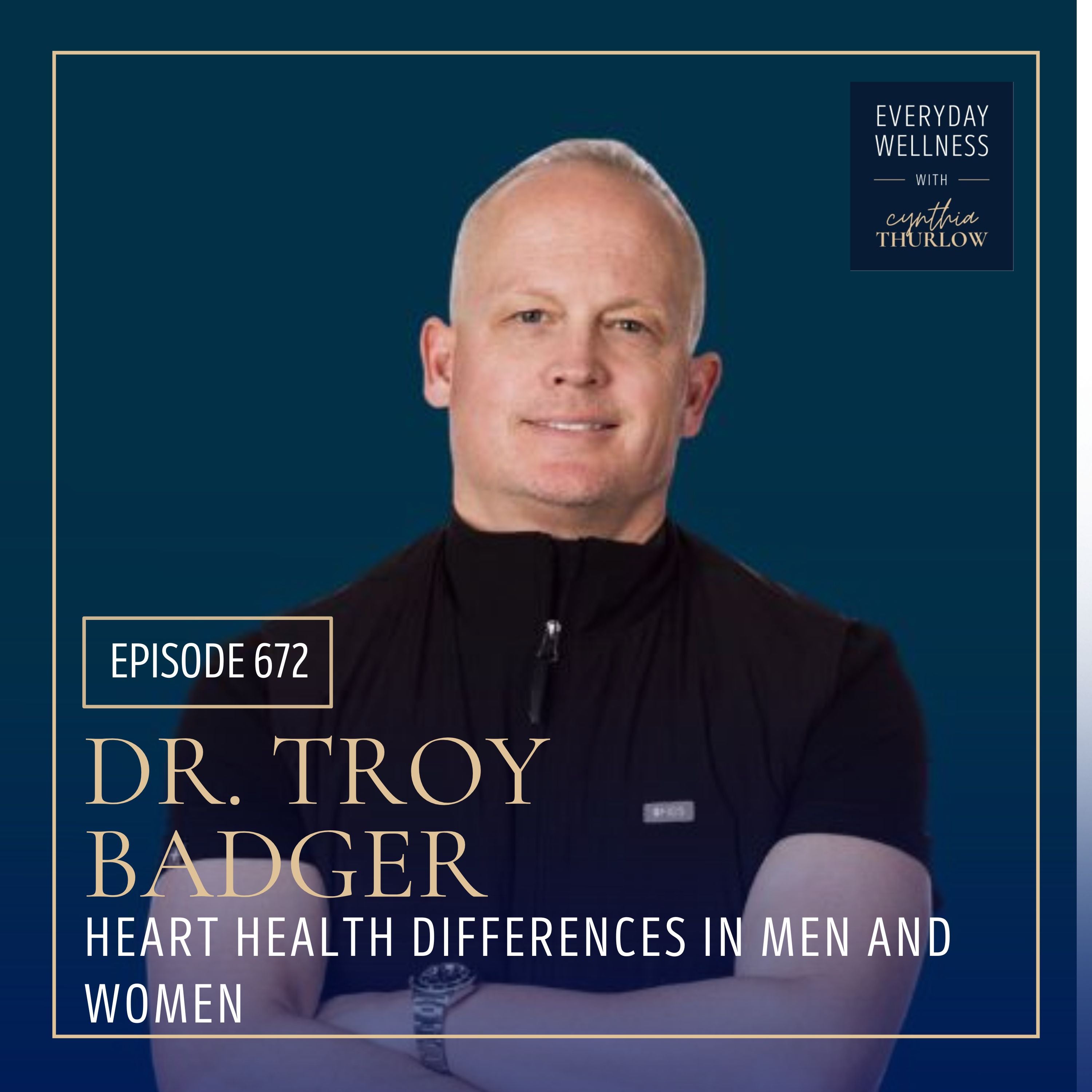
Today, I’m honored to connect with Dr. Troy Badger. He is a board-certified cardiologist and interventionalist and the founder of Cardiostrong, a concierge preventive cardiology clinic in Provo, Utah, focused on reducing cardiovascular risk, optimizing metabolic health, and improving strength and cardiorespiratory fitness for executives and athletes. In today’s conversation, we discuss Dr. Badger’s gender- and age-specific approach to heart health, including treatment differences for men and women, and diagnoses such as INOCA, SCAD, vasospastic disease, and Takotsubo. We examine emotions and their influence on heart health, coronary ischemia and cardiomyopathies, labs and diagnostics, how Dr. Badger assesses risk in his patients, and the differences between a CAC and a CCTA. Dr. Badger also shares the labs he finds essential for all patients and discusses the role of VO2 Max, cardiovascular training, and lifestyle—specifically nutrition, the use of GLP-1 drugs, and a multidisciplinary
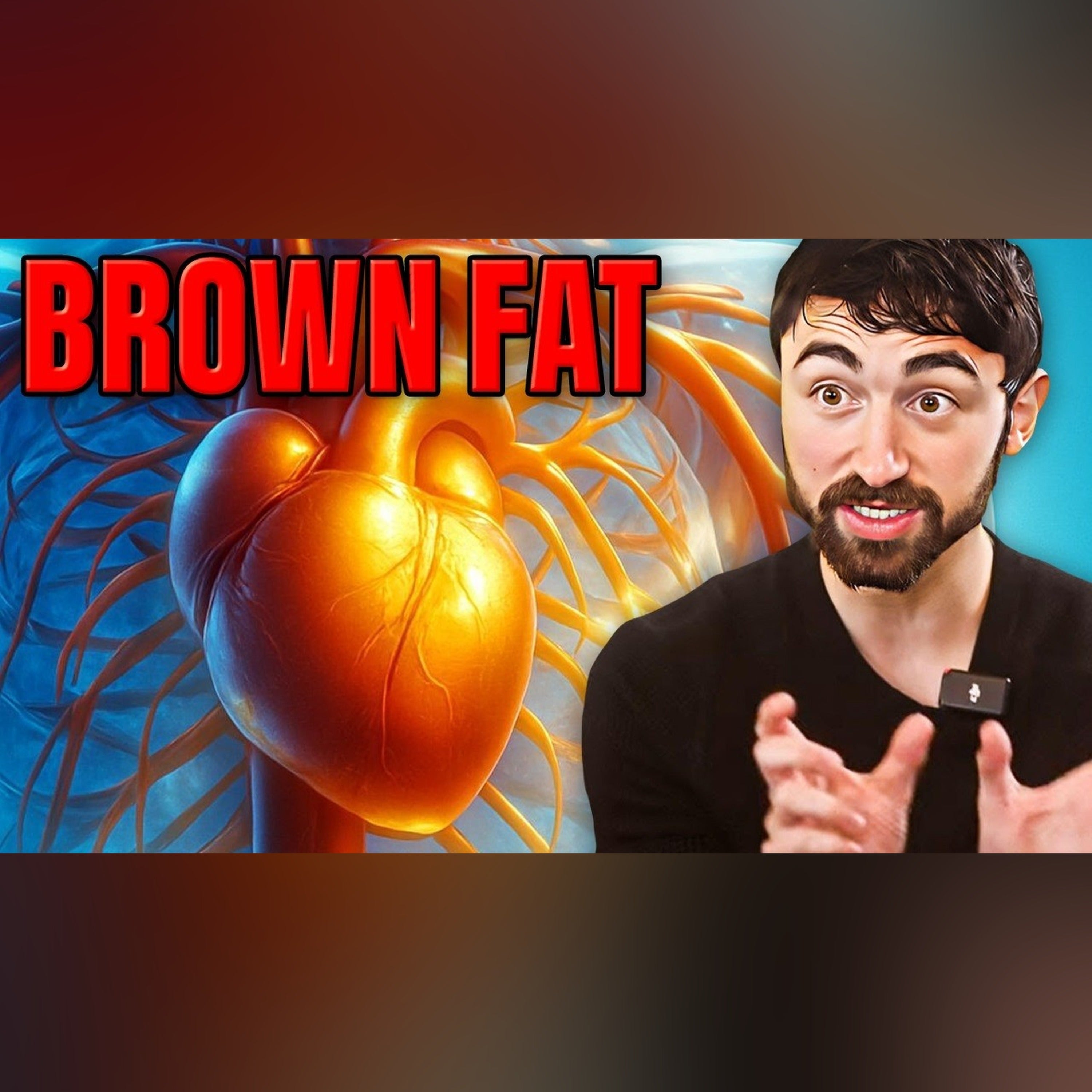
For all references and a written breakdown, see the associated StayCurious Metabolism Newsletter: https://staycuriousmetabolism.substack.com/p/the-fat-derived-hormone-that-could?r=40ekz2 Exciting new research in 2025 suggests that a fat-derived hormone called 12,13-diHOME may help to reverse age-related decline in cardiac function and slowing heart aging. The best part? You can boost it naturally — not with drugs or supplements, but with a simple lifestyle intervention that’s accessible today. In this video, we break down the latest metabolic health and longevity science on how this lipid hormone made by brown fat cells declines with age, how that hormonal drop contributes to cardiovascular aging, and what evidence-based lifestyle interventions can increase 12,13-diHOME to more youthful levels. If you care about heart health, reversing aging, and boosting metabolic resilience, this is essential science you should know. CHAPTER *Call our service line at 815-STAY-CUR (815-782-9287) or vi
Today, I’m sitting down with Shalin Shah (https://mariuspharma.com/team/shalin-y-shah/), whose personal health journey led him to challenge some of the biggest myths around testosterone therapy and men’s health. After being diagnosed with borderline low testosterone at the age of 30, Shalin launched a 13-year mission that not only resulted in the creation of the first FDA-approved oral testosterone pill, Kyzatrex, but also sparked him to advocate for better hormone education and diagnostics for both men and women. Episode Timestamps: Introduction and FDA changes regarding testosterone ... 00:00:00 Testosterone Project: advocacy and public health ... 00:06:37 Regulatory hurdles and the history of restrictions ... 00:08:17 Dispelling cardiovascular and prostate cancer myths ... 00:12:06 Declining testosterone trends and contributing factors ... 00:14:42 Concerns about low testosterone in younger generations ... 00:18:13 Importance of early screening and baselines ... 00:20:36 Early, over
In this episode of The WarriorBabe Show, Nikkiey reveals the 5 specific exercises that actually work for losing stubborn menopause belly fat - and why the crunches, cardio, and calorie cutting you’ve been doing aren’t the answer. She breaks down why you can’t spot reduce belly fat, what actually drives results (building lean muscle, training your deep core, and boosting your metabolism), and walks through each exercise step by step: goblet squats for targeting your largest muscle groups, dead bugs for activating the transverse abdominis (your body’s natural corset), Romanian deadlifts for hormone-friendly fat loss, plank pull-throughs for core stability under movement, and step-back lunges for balance, glute activation, and calorie burn - all without needing a gym. Plus why pairing these moves with the right nutrition strategy is the missing piece, and how the Macro Method has helped over 20,000 women finally see their menopause belly change. Full notes, timestamps and the transcript:
What if the scale isn't telling you the whole story? Have you ever been consistent with your workouts, making better food choices, and really trying to take care of yourself, only to step on the scale and see absolutely no change? And just like that, your motivation takes a hit. You start questioning whether your workouts are working, whether you're doing enough, or whether you need to change something. But here's what I want you to understand: The scale is only measuring one small piece of your health and fitness journey. It doesn't measure how much stronger you've become, how much better your endurance is, how much energy you have, or how much easier it is to do things that used to feel difficult. And if you're only using the scale to determine whether you're making progress, you could be missing some pretty amazing changes happening in your body. Today, we're talking about five ways to measure your fitness progress beyond the scale so you can start recognizing the changes that actua
Is your body weight stable, but you're still not eating enough to properly fuel your training, recovery, and overall health? Introducing Why Stable Weight Doesn't Always Mean You're Eating Enough from Jeff Hoehn of the Mind Muscle Connection Podcast (https://www.buzzsprout.com/1508401). Just because your weight isn't changing doesn't necessarily mean you're adequately fueled. In this episode, Jeff breaks down why maintaining a stable body weight doesn't always mean you're meeting your body's energy needs, especially if you're training hard, staying lean, or spending long periods dieting. You'll learn: Why stable body weight doesn't automatically mean adequate energy availability Who is most at risk of underfueling, even when their weight isn't changing How high training output, staying too lean, and chronic dieting can contribute to low energy availability The potential signs of underfueling, including changes in performance, recovery, hormones, and menstrual health Why spending too lo
Are you reacting to foods, experiencing unexplained symptoms, or feeling like your body is overreacting to everything? Maybe you've tried eliminating foods, tracking symptoms, or asking your doctor for answers, only to be told everything looks normal. Could histamine be part of the problem? In this episode of The Gut Show, I'm joined by Michelle Shapiro to talk about histamine, what happens when your body has trouble managing it, and how histamine intolerance and MCAS may be connected. We discuss signs that histamine could be playing a role in your symptoms, why these reactions happen, strategies for managing symptoms and whether it's possible to feel better In this episode, we cover: Introducing Michelle Sharpiro [1:47] What is histamine? [4:58] Histamine intolerance + when this becomes a problem [6:16] What are the signs if someone is reacting? [10:20] Why is this happening? [17:09] "you're overreacting" [20:24] How do you assess if it is possibly MCAS? [29:32] Can you feel better? [
If you have inflammatory bowel disease (IBD), you've probably wondered whether what you're eating is making your symptoms worse, if you need to cut out certain foods, or if changing your diet could actually help heal your gut. With so much conflicting nutrition advice out there, it can be difficult to know what to eat, especially when you're worried about triggering another flare. In this episode of The Gut Show, I'm joined by dietitian Stacey Collins to talk about what IBD is, if your diet caused IBD, diet therapy and more! In this episode, we cover: Introducing Stacey Collins [2:36] What is IBD? [5:42] What is the diet for IBD? [8:52] Did your diet cause IBD? [9:43] I have IBD, can food heal my disease? [16:24] Inflammation [18:18] Can nutrition alone heal? [20:32] Diet therapy [25:36] When can diet therapy be used? [30:32] Can you decide based on symptoms alone? [32:25] Look at the whole patient [35:39] Malabsorption and malnutrition [36:44] "I'm healing when I feel like I'm not" [4
Publicly supported activities should offer reduced prices to people who cannot afford admission.
Share your view, then see how readers voted. No sign-in required. This poll is shared across stories.
Do you agree or disagree?
Common Quandary
A Common Quandary to discuss
Another conversation to explore, separate from this news story.
Your neighbor's doorbell camera watches everyone entering your home. Is that their business?
A neighbor installs a doorbell camera that records your front yard and every visitor entering your home. They say the wide angle is necessary to capture package theft and the footage is rarely reviewed.
Where should private security stop in a shared public view?