Pharmacy Founder: How We Bootstrapped To 9 Figures With Zero Investors | Nate Hill
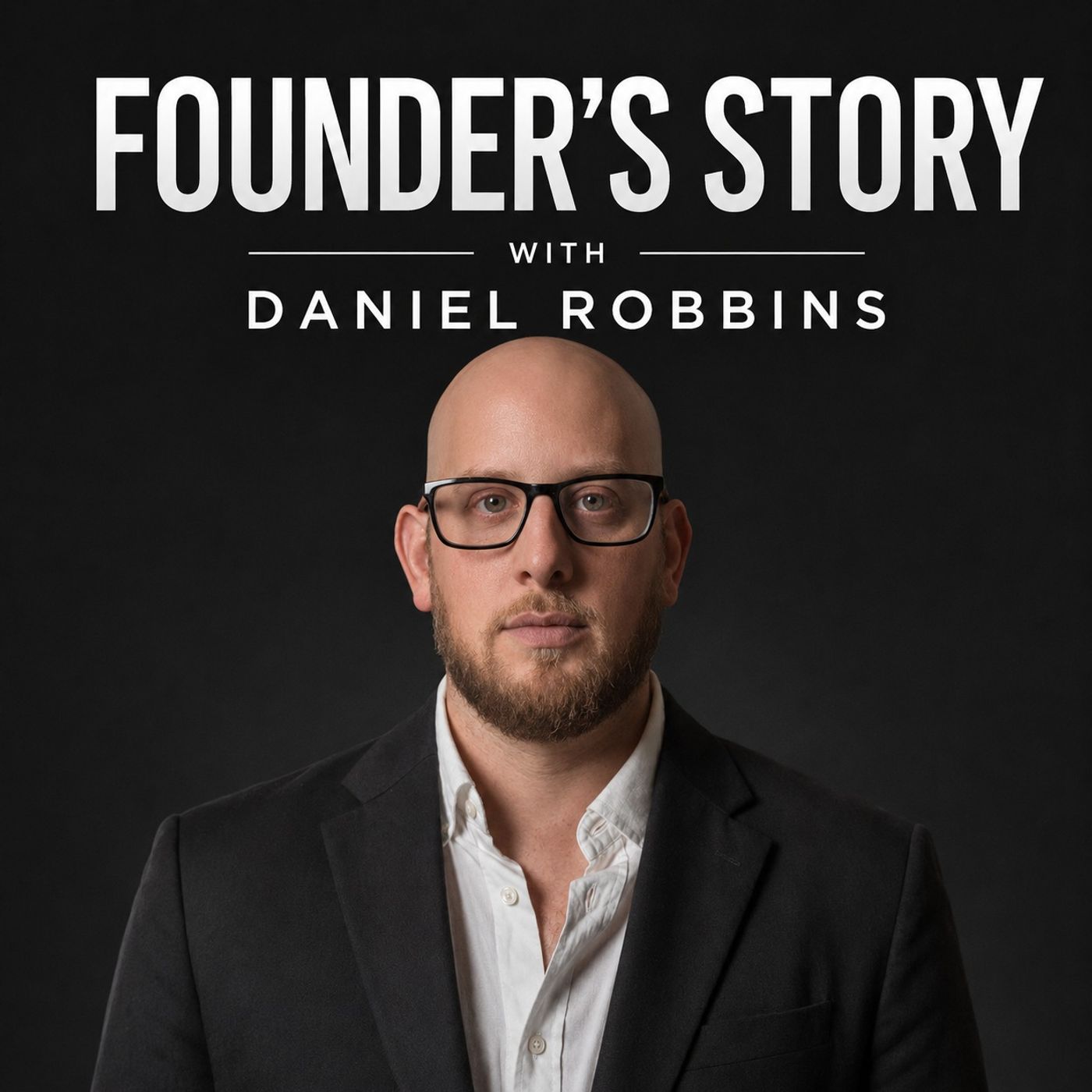
Listen through the publisher, then discuss the episode here or arrange an in-person Roundtable. Your city determines where to meet.
Roundtables are designed for groups of four, with a shared subject and room for everyone to speak. Come for discussion, with no dating expectation.
Daniel Robbins sits down with Nathan Hill to explore how Strive Pharmacy grew from a two-person, self-funded operation into a business generating multiple nine figures in annual revenue. Nathan shares how his background in door-to-door and pharmaceutical sales helped him develop the confidence to launch the company and why he chose to retain ownership rather than seek institutional funding. The conversation also examines Strive's explosive growth during the GLP-1 boom, the operational challenges of scaling to more than 1,100 employees, and the debate surrounding compounded medications. Nathan explains why medication testing, transparency, regulatory advocacy, and patient safety are central to the company's long-term strategy. Key Discussion Points Building a nine-figure business without outside investors: Nathan explains why he and co-founder Michael Walker chose to bootstrap Strive Pharmacy rather than raise institutional capital. With Michael handling pharmaceutical operations and Nathan focusing on sales and business development, the founders started with complementary skill sets and a determination to retain ownership while proving their business model. How door-to-door sales prepared him for entrepreneurship: Before entering the pharmaceutical industry, Nathan worked in commission-only door-to-door sales, traveling across the country and earning money only when he closed deals. He shares how that experience taught him resilience, risk-taking, emotional discipline, and the ability to remain calm under pressure, skills that later became essential to running Strive. Growing from 100 to more than 1,100 employees during the GLP-1 boom: Nathan explains how Strive was positioned to respond when demand for compounded medications accelerated. The company expanded rapidly, but nearly everything had to change, including customer onboarding, prescription processing, operational capacity, compliance, billing, and quality assurance. He reveals how empowering leaders and hiring specialists helped the company overcome those challenges. What most people misunderstand about compounded medications: Nathan discusses the role compounding pharmacies have historically played in healthcare, including addressing drug shortages and preparing medications for specific patient needs. He explains the distinction between commercially manufactured medications and patient-specific compounded prescriptions, while addressing the increased scrutiny surrounding GLP-1 medications. The risks of research-use-only peptides and why testing matters: Nathan raises concerns about people purchasing peptides from unverified suppliers and relying on certificates of analysis or personal testimonials as proof of safety. He explains Strive's approach to supplier vetting, third-party batch testing, potency testing, sterility testing, and quarantine procedures, and why he believes stronger oversight and legitimate access are essential to protecting patients. Fighting for personalized medicine and a more proactive healthcare system: Nathan shares what he learned from visiting Capitol Hill and advocating for the compounding industry. He discusses the challenges of influencing healthcare policy, the importance of collaborating with other pharmacy owners, and his belief that the healthcare system should place greater emphasis on addressing underlying health problems rather than relying exclusively on treatments after conditions develop. Takeaways You don't always need investors to build an extraordinary business. Nathan and Michael started Strive Pharmacy with their own resources and clearly defined responsibilities. Their decision to bootstrap allowed them to retain ownership and build the company according to their own priorities. The best co-founders bring complementary strengths and mutual trust. Nathan's sales experience and Michael's pharmaceutical expertise created a foundation where each could focus on their strengths. Nathan credits their ability to work through disagreements, support each other's weaknesses, and build a strong leadership team as essential to the company's growth. Explosive growth exposes weaknesses in every part of a business. Strive's expansion from approximately 100 employees to more than 1,100 required major changes to its systems, processes, and management structure. Nathan explains that scaling successfully meant accepting that old processes no longer worked and empowering the right people to redesign them. Great CEOs must learn when to stop doing everything themselves. In Strive's early days, Nathan handled accounting, payroll, HR, marketing, and other business functions. As the company grew, he learned to hire specialists and encourage managers to build teams of their own rather than allowing responsibilities to become overwhelming. In healthcare, trust must be supported by consistent quality standards. Nathan believes medication quality and transparency are fundamental to earning the confidence of physicians and patients. He explains why Strive invests in extensive testing and compliance procedures rather than competing solely on the lowest price. A sustainable business prioritizes long-term value over shortcuts. Nathan shares why Strive has consistently invested in operational quality, patient experience, and regulatory compliance despite the costs involved. His philosophy is that protecting patients and doing business responsibly creates stronger foundations for long-term growth. Closing Thoughts Nathan Hill's Founder’s Story episode offers a look at what happens when a bootstrapped business encounters extraordinary demand in one of the country's most complex and highly regulated industries. From knocking on doors for commission to building Strive Pharmacy alongside his childhood friend, Nathan's entrepreneurial journey reflects the importance of resilience, complementary partnerships, and a willingness to take calculated risks. But the company's growth also brought difficult lessons about leadership, delegation, compliance, and the need to continually rebuild systems as an organization expands. Beyond the business story, Nathan offers his perspective on the future of personalized medicine, the role of compounding pharmacies, and the need for greater transparency and accountability in healthcare. His discussion of peptides, medication testing, and regulatory advocacy highlights the importance of distinguishing legitimate medical practices from unverified products and suppliers. For entrepreneurs, the episode reinforces that achieving rapid growth is only part of building a successful company. Maintaining standards, hiring people who can handle greater responsibility, and protecting the trust of customers become even more important as a business scales. Ultimately, Nathan's philosophy is that doing the right thing for patients, providers, and employees should guide the company's decisions, even when the easier or cheaper option is available. His journey demonstrates how a business built without institutional investment can grow substantially while remaining focused on the principles that shaped it from the beginning. Today's Sponsor: Stop AI from guessing and give it the context it needs with Glean, the enterprise AI platform that securely connects your company's knowledge, people, and workflows across the tools you already use. With access to over 40 AI models, Glean helps teams work smarter while keeping existing security permissions intact. Visit glean.com/founder for an exclusive Founder’s Story listener offer. Terms and conditions apply. Built for those who stay in the flow. Learn more at Dell.com/Dell-Pro. Build the real thing with Base44. Hosted by Simplecast, an AdsWizz company.
Episode information is provided by the publisher. Listening takes place on the publisher’s service.
Listen at the source ↗