RBA rate rise: Who pays the price for fighting inflation?
20 min
Listen through the publisher, then discuss the episode here or arrange an in-person Roundtable. Your city determines where to meet.
Roundtables are designed for groups of four, with a shared subject and room for everyone to speak. Come for discussion, with no dating expectation.
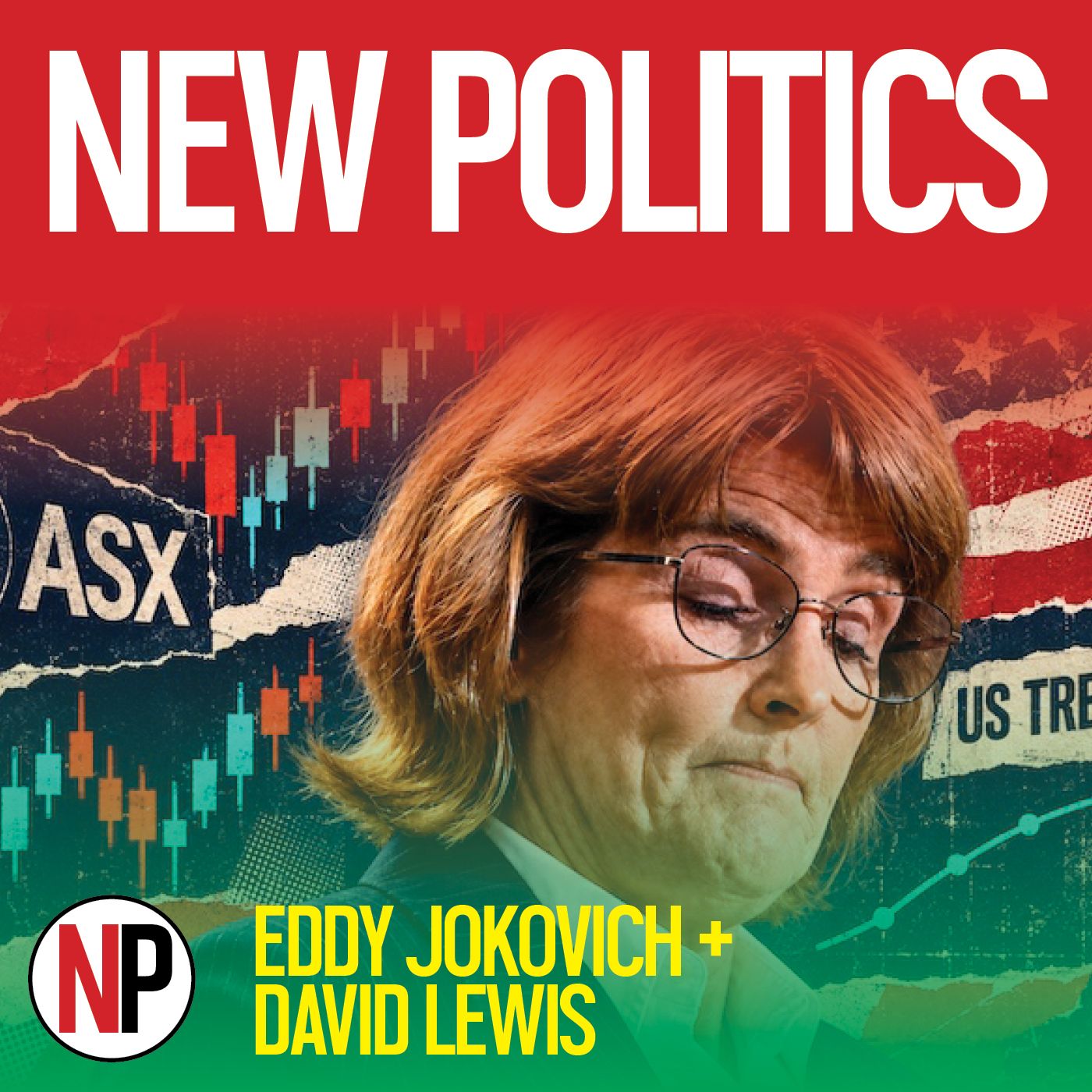
The Reserve Bank of Australia has lifted the cash rate to 4.85 per cent. How much can higher interest rates do to curb inflation, and who pays the price when the economy is slowing and unemployment is rising? In this episode, we examine the squeeze on mortgage holders, the limits of an RBA rate rise when fuel supplies are disrupted and building materials are scarce, and whether Treasurer Jim Chalmers’ reforms leave room for dissent on the RBA board. They also ask what Canberra can do to ease Australia’s cost-of-living pressures through housing investment, energy efficiency and stronger competition policy. #AusPol Support New Politics:
Episode information is provided by the publisher. Listening takes place on the publisher’s service.
Everyone is saying the same thing: higher rates are depressing the usual AI buy-the-dip mentality. Investors supposedly became less enthusiastic because the Federal Reserve is, in its view, tightening, bond yields are or were rising, and so the discount rate applied to future profits is becoming more painful. Or something. That explanation isn’t just incomplete, it’s dead wrong. Eurodollar University's Money & Macro Analysis ---------------------------------------------------------------------------------- That’s exactly what Monetary Metals does. No selling. No trading. Just more gold every month. Check it out here: https://monetary-metals.com/snider ---------------------------------------------------------------------------------- We need to confront our biggest challenge, but hardly anyone knows what it truly is or how to do it. Eurodollar University Live in February 2027 will change all that. Join us and fight for America's future. Start with the next generation. ------------------
Is the property downturn shifting from city to city, or are national headlines hiding what is happening on the ground? On this week's Australian Property Podcast, Pete Wargent and Chris Bates look at changing listings, buyer demand and price movements across Australia's housing markets. If you're considering a first home, an upgrade or an investment property, this episode offers questions to ask before acting. Check current lending and tax rules, and seek qualified personal advice rather than treating a podcast discussion as a recommendation. Episode resources Show partner resources Rask resources – Pete's Buyers Agency (https://www.allenwargent.com.au/) – All services (https://bit.ly/R-services) – Financial Planning (https://bit.ly/R-plan) – Invest with us (https://bit.ly/R-invest) – Access Show Notes (https://bit.ly/R-notes) – Ask a question (https://bit.ly/R-quest) – We love feedback! (https://raskau.typeform.com/to/ZbfHy6IP) – Instagram: @rask.invest (https://www.instagram.com/rask
It was the longest COP on record - and it ended with no deal. Minister for Climate Change and Energy Chris Bowen was president of negotiations - so is he responsible for the result? And what does this failure say about the world’s ability to work together on climate change, and other major issues, in the future? Back in Canberra it’s finally the last sitting week of 2026. Controversial bills, last minute concessions, and plenty of political horse trading will be underway - including around Digital Duty of Care, a Gas Reservation Scheme, trusts and tax, and any cost-of-living measures the government can squeeze in. So who’s getting what they want and who’s walking away empty-handed? Patricia Karvelas and Jacob Greber break it all down on Politics Now. Read PK's latest analysis here (https://www.abc.net.au/news/2026-11-23/election-victorian-labor-election-defeat-albanese-stays-away/107414442). Listen to our sister podcast, ABC Business Daily, unpack if we're already in a recession in tod
Runaway government spending, rising costs, and a new wave of legal battles over constitutional rights. With Democrats preparing to take control of Congress and several state governments, Republicans are confronting a very different political landscape. John Solomon and Amanda Head welcome Montana Senator-elect Kurt Alme, who says Washington must get serious about reining in spending, lowering inflation, and making everyday life affordable again. Already preparing for his arrival in the Senate, Alme discusses his priorities for protecting Montana's way of life, keeping taxes low, creating good-paying jobs, and working across party lines when possible. He also addresses the challenges Republicans face in the minority, the remaining lame-duck session, and concerns about efforts to expand the Supreme Court and eliminate the filibuster. Then, Southeastern Legal Foundation President Kimberly Hermann joins the show with a warning about potential policy reversals in states where Democrats have
For review: 1. Iraq has reached a compromise with the powerful Iran-backed militia Kataeb Hezbollah, three senior security officials said, after Prime Minister Ali al-Zaidi readied security forces to move against the group. Reflecting the gravity of the situation, Iraqi Shiite political sources said Esmail Qaani, commander of Iran’s elite Revolutionary Guards’ Quds Force, arrived in Baghdad late on Monday to help defuse tensions with Kataeb Hezbollah, Tehran’s most powerful militia ally in Iraq. 2. Lebanese President Joseph Aoun launched a lengthy rebuke of Iran in an Independence Day address, arguing that the Islamic Republic does not have the right to interfere in Lebanon’s internal affairs, as it long has via support for its local terror proxy, Hezbollah. 3. Yemen’s Houthis launched strikes on the Saudi capital Riyadh on Saturday, after vowing reprisals for a “special operation” by the Saudi-led coalition fighting them. The coalition later said it had “intercepted and destroyed” thr
Monday 23rd November 2026 Phil and NAB’s Taylor Nugent unpack Friday’s sharp, AI-driven sell-off on Wall Street—where the VIX spiked past 29 and the Nasdaq plunged 5.3% to log a sixth straight loss. Nvidia tumbled 14% following Reuters reports of an SEC accounting probe, while Anthropic fell 8.5% to close near 88.90, after surging past111 following its IPO debut. The risk-off wave sparked a rally in safe-haven bonds—pushing 10-year US Treasury yields down 10 basis points below 5%—and lifted the yen and Swiss franc, while weighing heavily on the Australian dollar. Curiously, precious metals bucked the safe-haven trend—with Comex gold sliding 4.6% and copper falling another 3%—as markets digested stronger UK retail sales, slightly softer Japanese inflation, and a holiday-shortened week ahead, with global PMIs today’s highlight. Hosted on Acast.
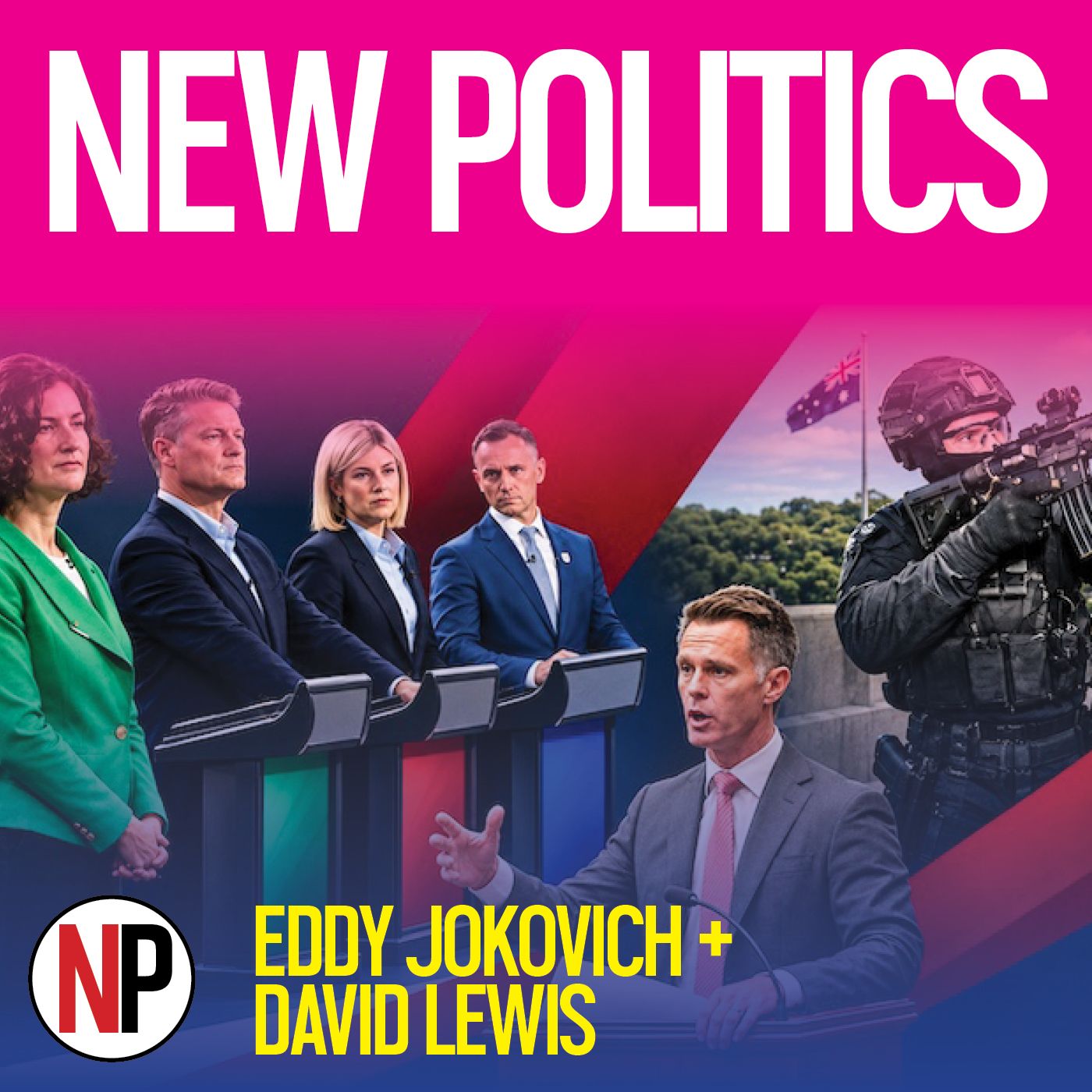
In this episode, we look at what’s putting Labor under pressure ahead of the Victorian state election and the 2027 NSW election. In NSW, why is Premier Chris Minns still pushing to let Jewish Community Security Group volunteers carry firearms at selected public events despite concerns from NSW Police, and what does his backflip on real estate underquoting mean for homebuyers? In Victoria, we examine the contest between Labor’s promise to cut elective surgery wait times and Liberal leader Jess Wilson’s pitch on youth crime, as cost-of-living pressures and a proposed ban on the phrase “globalise the intifada” compete for attention. We also look at where the Victorian Greens and One Nation could pick up seats after the four-way Sky News leaders’ debate. #AusPol Support New Politics:
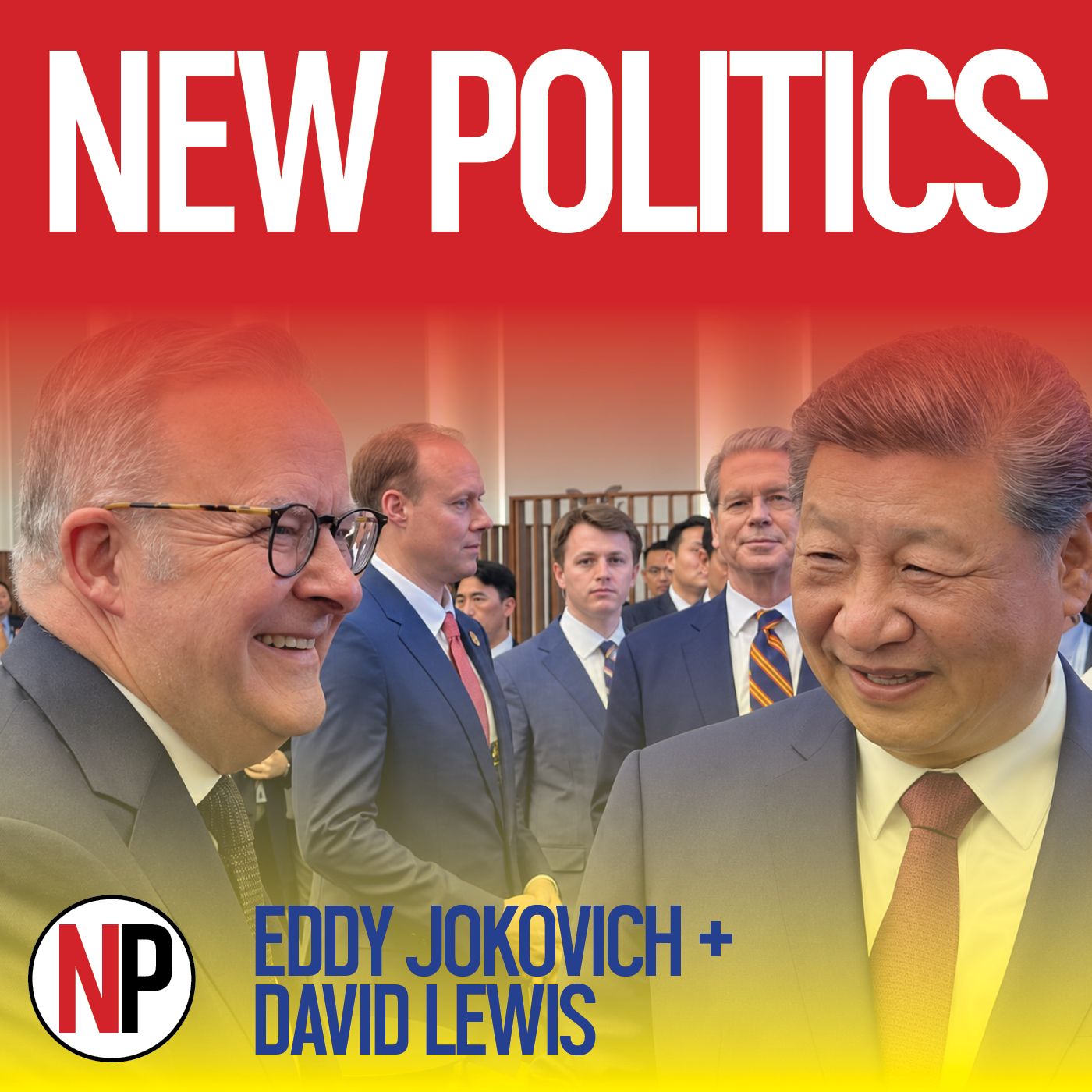
What will Australia gain from Anthony Albanese’s 11-day diplomatic tour? In this episode, we follow the prime minister from ASEAN to the Quad, APEC and talks with China’s Xi Jinping, asking what Australia might trade for a seat on the United Nations Security Council. We put Penny Wong’s claims about Australian influence to the test over Gaza, aid worker protection and Security Council veto reform. And as the US–China race for AI chips drives demand for critical minerals and data centres strain energy supplies, can Australia build a processing industry and create skilled jobs, or will it stay the world’s quarry? #AusPol Support New Politics:
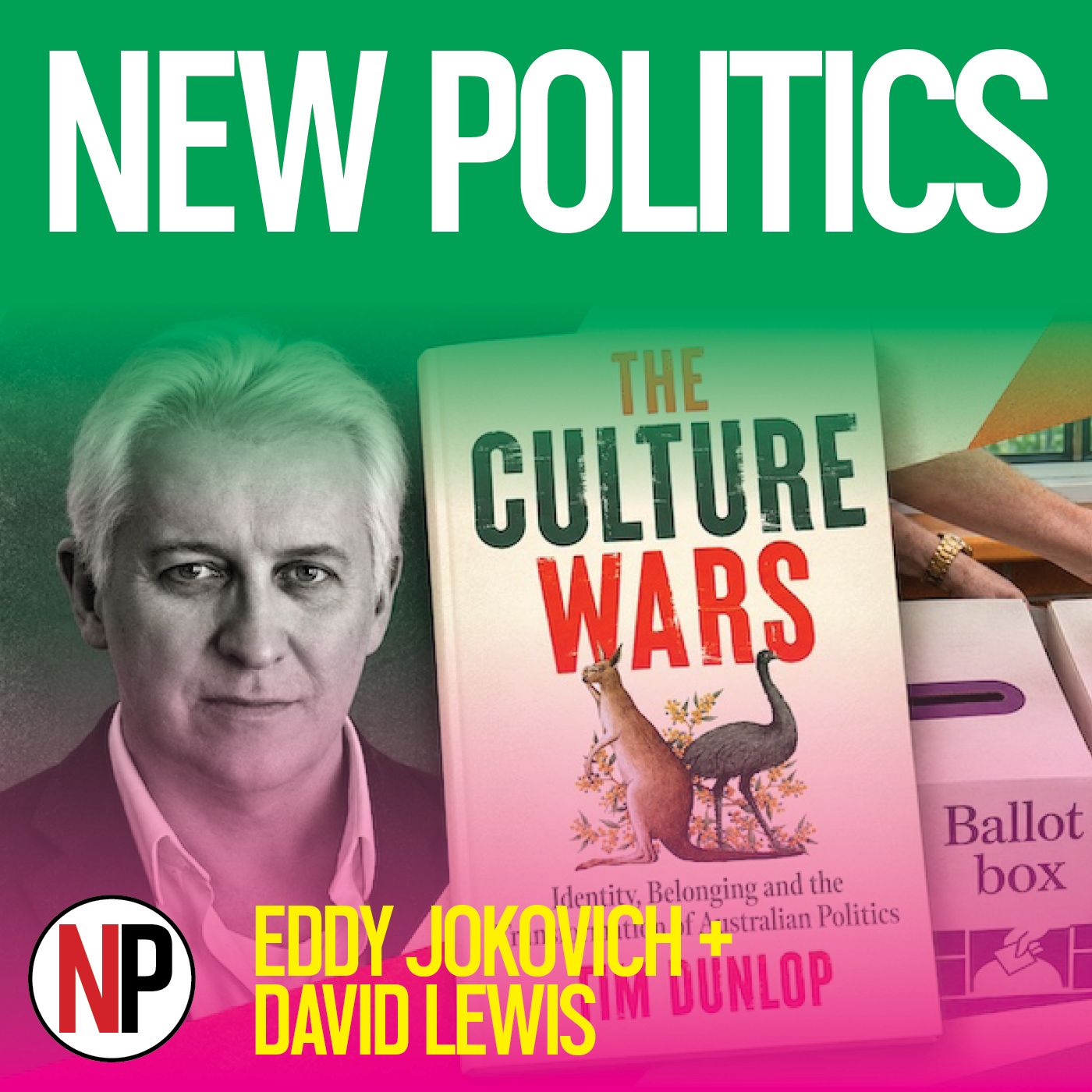
Who wins when every political argument becomes a test of ideological loyalties? In this episode, Tim Dunlop, author of The Culture Wars: Identity, Belonging and the Transformation of Australian Politics, explains how politicians and the media turn genuine debates about history and identity into electoral weapons. We trace the links between the Hawke–Keating market reforms and John Howard’s history wars, ask why culture-war politics helped Donald Trump but deepened divisions in the Liberal Party, and explore how One Nation has shaped Australia’s immigration debate. Could community independents and citizens’ assemblies give voters more say between elections? #AusPol Support New Politics:
Companies should provide a reasonable transition when ending support for a product.
Share your view, then see how readers voted. No sign-in required. This poll is shared across stories.
Do you agree or disagree?
Common Quandary
A Common Quandary to discuss
Another conversation to explore, separate from this news story.
A parent clearly built the winning science project. Who should lose the prize?
An elementary student submits an elaborate science project far beyond their apparent ability. The parent proudly describes working together all weekend, and the child clearly learned something, but other students completed simpler projects themselves.
What is a fair response when help improves learning but distorts achievement?