Red August Mass Rallies, Ideological Zeal, and Childhood Experiences of Violence — Part One Tania Branigan BRANIGAN3
13 min
Listen through the publisher, then discuss the episode here or arrange an in-person Roundtable. Your city determines where to meet.
Roundtables are designed for groups of four, with a shared subject and room for everyone to speak. Come for discussion, with no dating expectation.
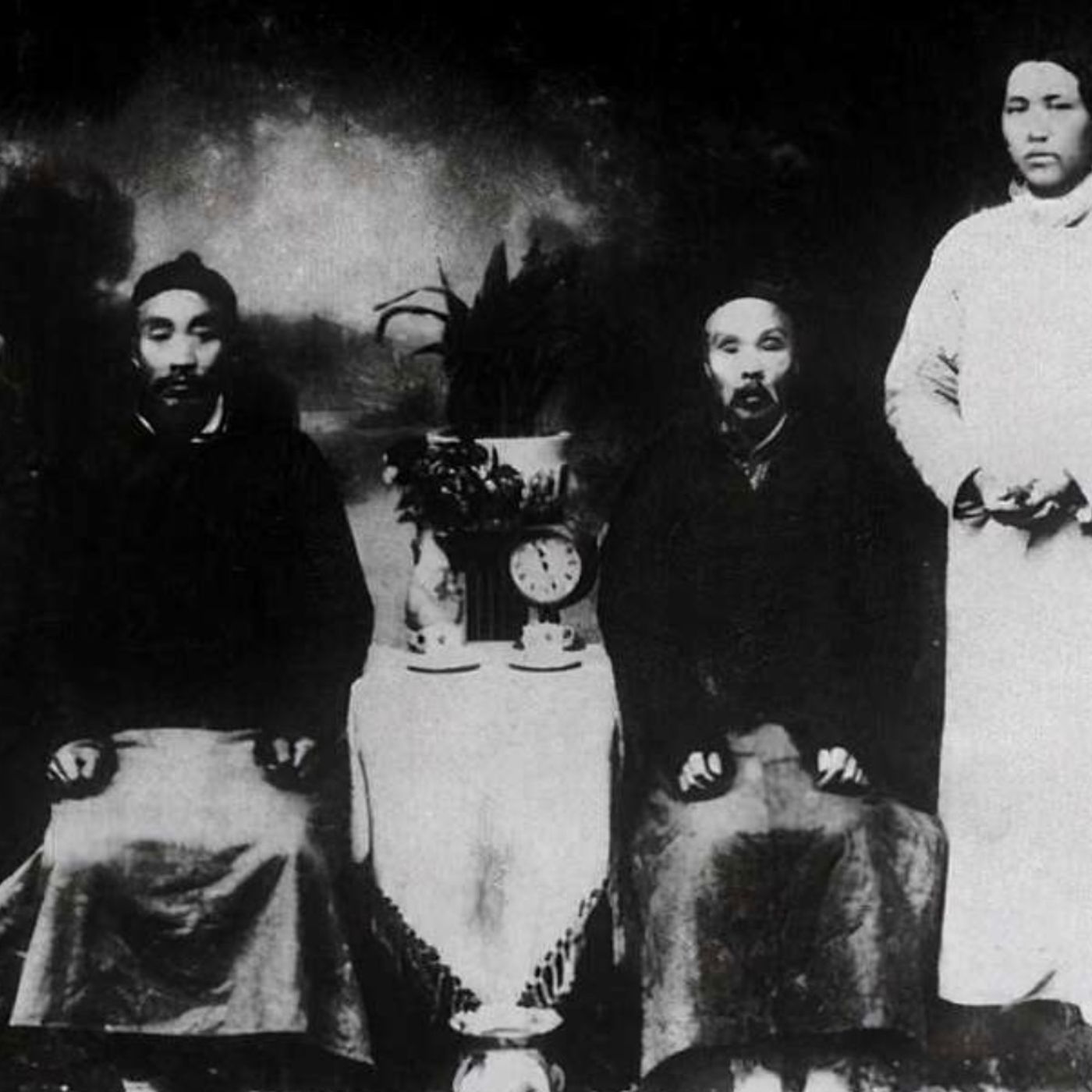
ẞ919 MAO Red August Mass Rallies, Ideological Zeal, and Childhood Experiences of Violence — Part One Tania Branigan, author of Red Memory: The Afterlives of China’s Cultural Revolution, describes Chairman Mao’s 1966 rallies in Tiananmen Square, which mobilized youth to destroy the Four Olds and eliminate political rivals. Former thirteen-year-old Red Guard Yu Xiangjun recalls free nationwide travel, widespread house ransacking, and the visceral trauma of witnessing fatal beatings. (3)
Episode information is provided by the publisher. Listening takes place on the publisher’s service.
Master the skills that change lives — enroll in your free human behavior course today: https://nci.university/learn Uploaded 21-03-26 The Behavior Operations Manual: https://a.co/d/0fW16gWU Six Minute X-Ray Book: https://a.co/d/0gzrKcBF You didn't choose what you believe. You think you did. But the mechanism that put those beliefs inside you is the same one running through every cult, every viral movement, every argument where facts bounced off like they were irrelevant. It has a name. And once you see it, you'll never not see it. ───────────────────────── This video breaks down the Cognitive Viral Loop — a five-stage replication cycle that operates inside every human mind on earth. Including yours. Right now. Here's what we cover — and why the order matters: Stage 1 — Attachment (0:00) Ideas don't enter through logic. They enter through something already active inside you. Fear. Belonging. Moral certainty. If you don't know what your active receptors are, you're an open door. This sec
This is a Grave Talks CLASSIC EPISODE! In the heart of Calgary stands one of the city’s most infamous historic properties—Deane House. Built in 1906 by Captain Richard Burton Deane, the home’s history was marked by tragedy almost immediately, when Deane’s wife died during its construction. Decades later, the darkness deepened. In 1971, a brutal murder-suicide unfolded within its walls, casting a shadow that many believe still lingers today. Visitors and investigators report full-bodied apparitions, unexplained noises, sudden cold spots, and overwhelming feelings of unease. Some say they’ve encountered more than one spirit inside the historic residence. Others believe the energy there feels layered—built from grief, violence, and unresolved history. On this episode of The Grave Talks, we explore the chilling past of The Deane House, the paranormal experiences that continue to be reported, and the lingering question: what—if anything—still walks its halls? #DeaneHouse #HauntedCalgary #Ha
Screen time in schools, kids and AI: why Australian students just posted their worst ever reading and maths results. The federal Education Minister says screens are part of the problem. Sweden led the world putting tablets in classrooms and is now pulling them back out. NSW will cap kindy kids at 15 minutes of screen time a day from next year. So were the "hippie" Steiner schools ahead of their time all along? Karl sits down with Andrew Hill, CEO of Steiner Education Australia, which represents 53 schools that keep screens out of early childhood classrooms. Andrew explains why some Silicon Valley tech executives sent their own kids to a screen-free Steiner school, who has profited from a laptop for every kid ("the terrible thing about handwriting is that it's free"), and why he believes Bluey's creator modelled the show's school on a Steiner school in Queensland. Karl also puts the tough questions: Will kids without screens be left behind? Is it all woo-woo? What about bullying, fees a
This week on The Necessary Conversation, it's Chad, Haley, and Mary Lou. Bob is still recovering but sent in a video message about Trump calling Putin his friend that we watch together. 🇷🇺 Trump held the first-ever three-way talks with Putin and Xi, called it a "12 out of 10," and produced nothing. Then at a press conference he called Putin his friend — and when asked if Putin is a friend to America, the president of the United States said, "I can't speak to America." That same day, Trump's friend Putin launched massive strikes into Ukraine, hit Poland with two missiles — an act of war against a NATO ally — then struck near a Ukrainian restaurant and drone-bombed the first responders, killing a 7-year-old child and a 20-year-old paramedic. We watch Bob's video and ask Mary Lou: is Russia our friend? 🇨🇳 The House Foreign Affairs Committee revealed Trump's Commerce Department approved nearly 880,000 advanced AI chips for Chinese military-linked companies including Alibaba, Tencent, a
In 1966, Australian novelist Elizabeth Harrower was on the brink of literary fame. Her fourth novel, The Watch Tower, was hailed as one of the year's best Australian books, alongside a novel by her friend Patrick White. White went on to win the Nobel Prize for Literature, but Harrower stopped writing altogether. For the next four decades, she disappeared from the literary world. Now, a new biography aims to unravel the mystery of one of Australia's most elusive writers. Guest: Susan Wyndham, author of Elizabeth Harrower: The Woman in the Watch Tower winner of the Mark and Evette Moran Nib Literary Award.
Iran fired on Bahrain again Saturday and says this time it was aiming at the American Patriot crews that protect U.S. bases there. MIKE DROP NEWSROOM | 22 NOVEMBER 2026 ABC News reported that Iran's Revolutionary Guard said its Saturday attacks targeted U.S. Patriot air defense sites in Bahrain, home of the Navy's 5th Fleet. The U.S. has not confirmed any hits. Bahrain said a civilian industrial facility caught fire; reports on injuries are still unsettled. U.S. Central Command called an IRGC claim that it damaged a U.S. F-16 false, saying all U.S. fighter jets in the region are safe and accounted for. Mike Ritland breaks down why Iran would announce that it's going after the crews themselves, how this fits a steady escalation since November 13, and why sitting in place with no decision may be the worst option for the troops in harm's way. Also covered: the U.S. and Israel weighing a new assault on Iran, two tankers hit on the U.S.-guarded side of the Hormuz route, a report on China's
Sandpaper Scandal Resurfaces Again Jeremy Zakis reviews the 2018 cricket scandal in which Australian players secretly used sandpaper to alter the ball. The controversy has resurfaced after a former teammate published a book accusing current captain Pat Cummins of involvement, sparking intense debate despite official support for Cummins. (3)
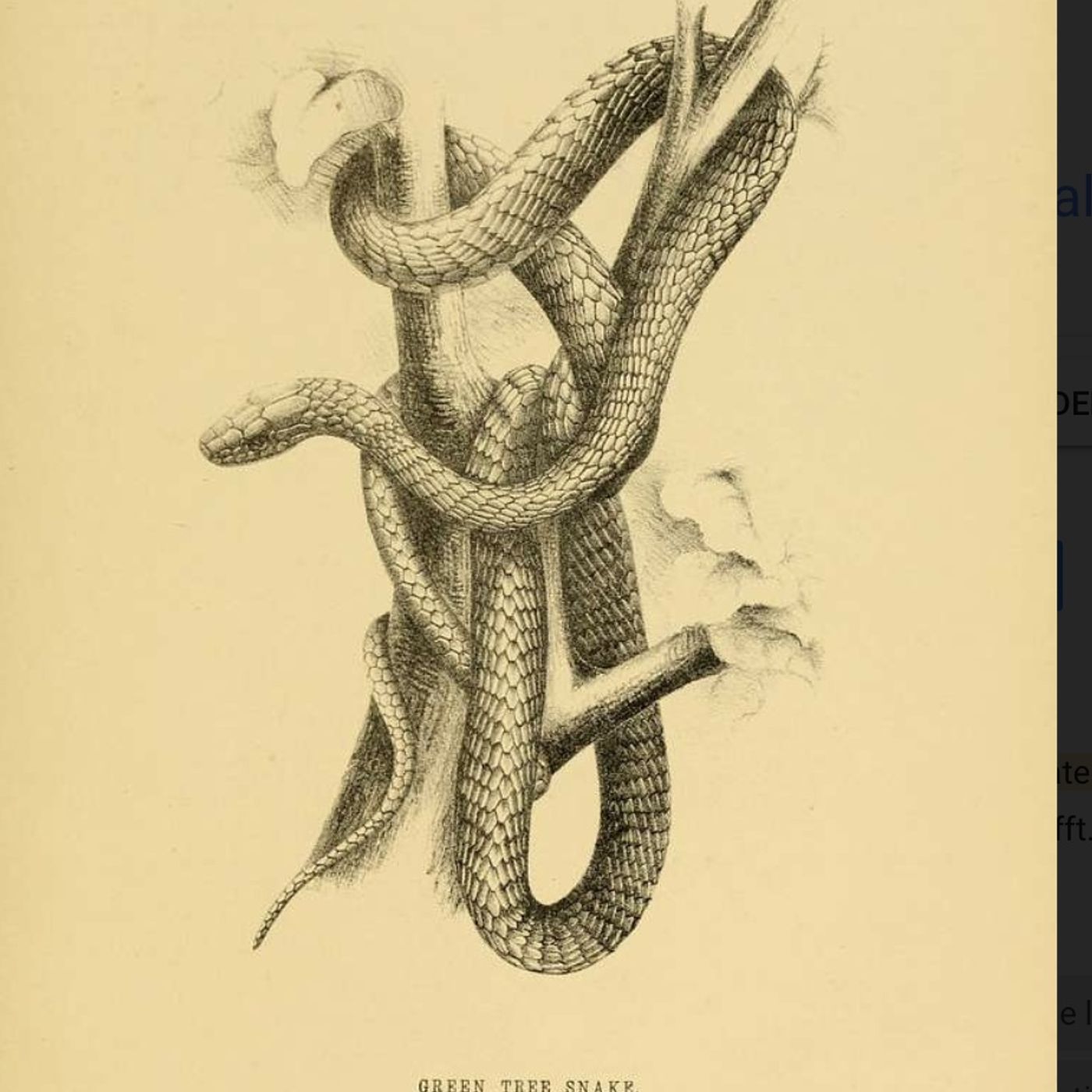
Floods Wash Snakes Downtown Jeremy Zakis explains the official warnings issued in Melbourne after floodwaters washed venomous snakes into the central business district. Snake catchers face surging demand and charge costly call-out fees, while unseasonable storms have disrupted local wildlife, leaving kangaroos hyperactive and erratic on the roads. (2)
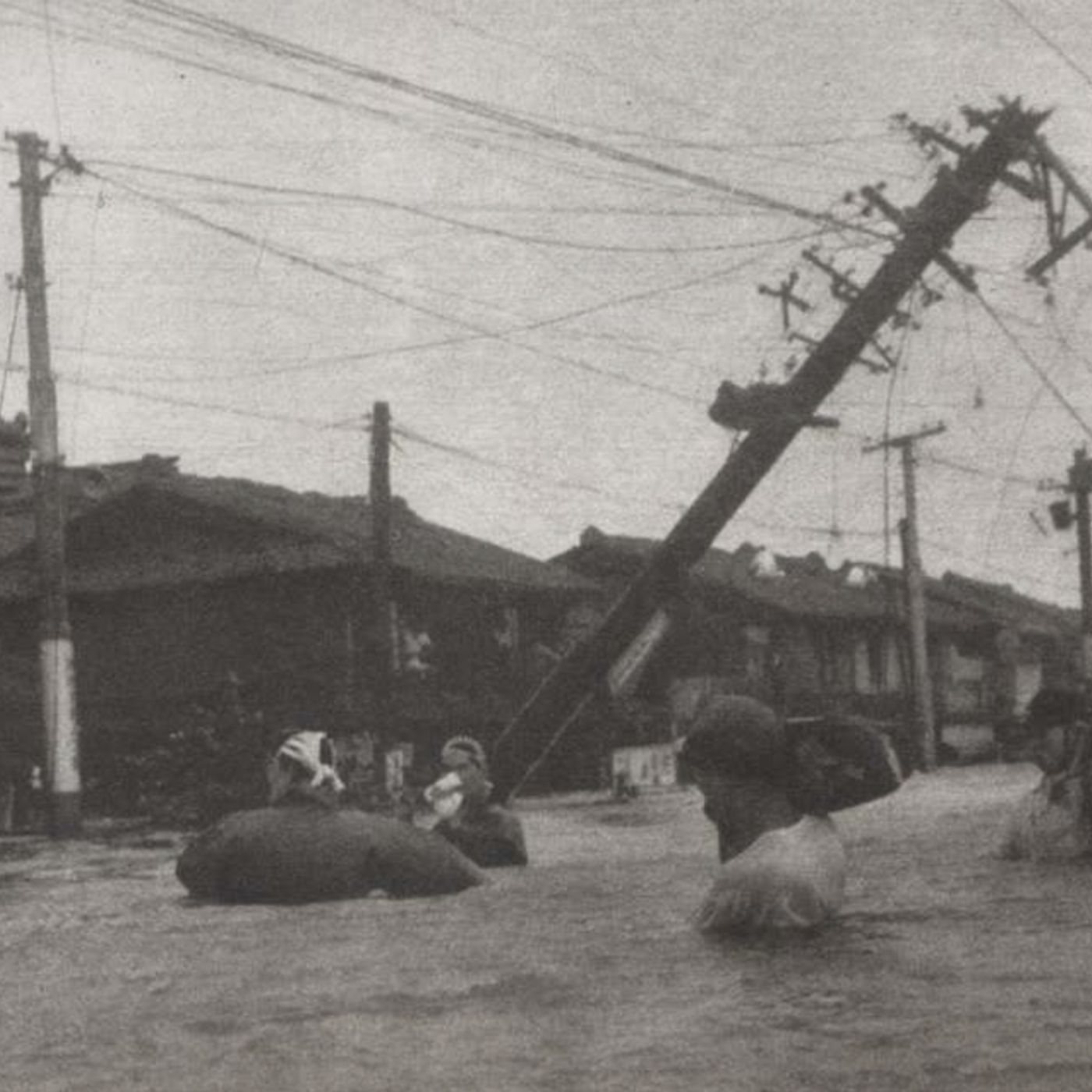
1950 Super El Niño Spring Storms Jeremy Zakis discusses extreme spring weather across Australia, driven by a super El Niño and elevated ocean temperatures. Heavy rain, microbursts, and severe winds in South Australia toppled massive power lines and spawned funnel clouds, while Sydney faces hot, chaotic, (1)
Regulators should challenge excessive market power even when a company's products are popular.
Share your view, then see how readers voted. No sign-in required. This poll is shared across stories.
Do you agree or disagree?
Common Quandary
A Common Quandary to discuss
Another conversation to explore, separate from this news story.
A parent clearly built the winning science project. Who should lose the prize?
An elementary student submits an elaborate science project far beyond their apparent ability. The parent proudly describes working together all weekend, and the child clearly learned something, but other students completed simpler projects themselves.
What is a fair response when help improves learning but distorts achievement?