Listen through the publisher, then discuss the episode here or arrange an in-person Roundtable. Your city determines where to meet.
Roundtables are designed for groups of four, with a shared subject and room for everyone to speak. Come for discussion, with no dating expectation.
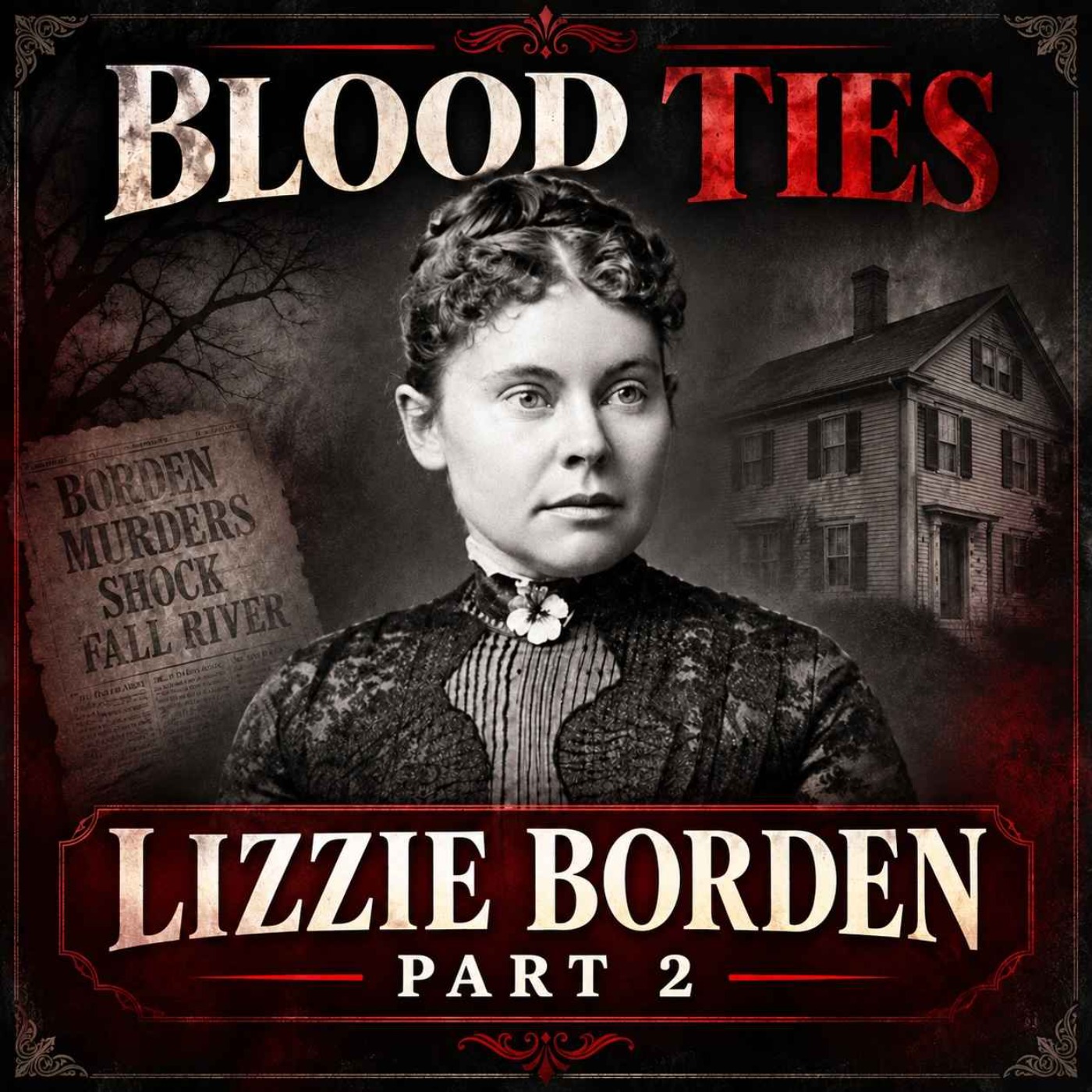
In this episode of the Blood Ties podcast, hosts Geoffrey and Molly Wansell delve into the infamous 1892 double murder of Andrew and Abby Borden and examine the dramatised adaptations surrounding the case. The hosts discuss the horrific nature of the crimes, the initial police missteps, and Lizzie Borden’s erratic behaviour and changing alibis during the inquest. They compare the historical facts, such as the discovery of bloody items and hatchets in the basement, with television portrayals, which include heavy-handed theatrical elements and fictionalised subplots. Additionally, they explore Lizzie’s sensational 1893 trial resulting in an acquittal, her subsequent inheritance, and her later life alongside her sister Emma. Ultimately, the hosts reflect on the enduring cultural fascination with the case and its striking Victorian atmosphere. CREDITS: Presenters: Geoffrey and Molly Wansell Producer: Peter Shevlin https://pod60.com/ Artwork: George Leigh Music: Dan Wansell CONTACT: Twitter: @BloodTies_Pod Email: [email protected] YouTube: https://www.youtube.com/@bloodtiespodcast Hosted on Acast.
Episode information is provided by the publisher. Listening takes place on the publisher’s service.
This gripping episode examines five infamous cases where verdicts failed to end public debate. From Lizzie Borden's 1893 acquittal to Sam Sheppard's media circus trial, Michael Peterson's staircase mystery, and Adnan Syed's podcast-fuelled controversy, each case demonstrates how juries deliver answers whilst leaving fundamental questions stubbornly, maddeningly unresolved for generations.
The Basement Wall: He Buried His Family Alive A yellowed note, tucked between bricks in a basement wall, read: "Come live in the ashes of my heart." This chilling discovery was just the beginning for Rachel and Phil in their new Victorian home, where a hidden room and a family's disappearance from 1900 hinted at something far more sinister than an old house settling. What secrets did the walls hold, and why did an old photograph reveal a disturbing connection to Phil? In this episode, we delve into Rachel's journal entries, uncovering the unsettling details of a house with a hidden past. From a mysteriously altered basement wall to a historical society's quiet revelations, the story unravels the terrifying truth behind a family's vanishing act and the inexplicable events that followed. Person: Rachel Person: Phil Location: Isolated town Event: Family disappearance Year: 1900 - Rachel found a seven-word note hidden between bricks in the basement wall. - The dividing wall in the basement
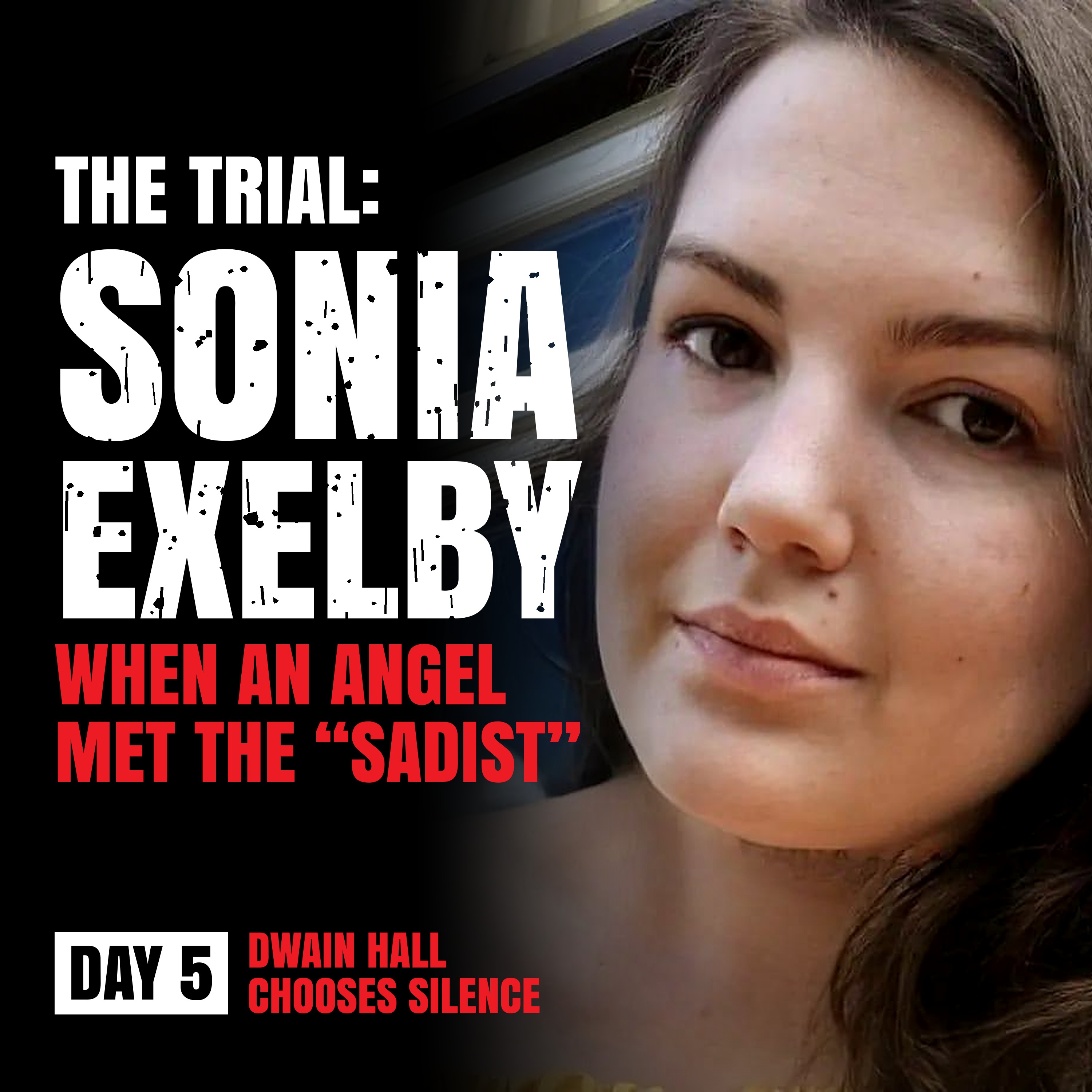
In this episode Caroline and Jack have details of the final evidence in the trial of Dwain Hall, including how his phone tracked his movements to the remote spot where Sonia Exelby was buried. We’ve also heard how police found a knife and sheath hidden at a friend’s house in Ohio, after Dwain Hall had secretly posted them just days after Sonia’s death. DNA experts told the jury that blood found on the knife had matched Sonia's DNA. We’ve also heard from the pathologist who carried out Sonia’s post-mortem, who revealed she had suffered four stab wounds, each of which could have been fatal. The prosecution have now finished presenting their case, and Dwain Hall has made the decision not to give evidence in his own defence. The Trial is part of The Crime Desk. Visit thecrimedesk.com (https://plus.thecrimedesk.com/exelby-podcast?sc_promo=EXELBY) for more information. Email us [email protected] WhatsApp us +447796657512 (start your message with ‘Trial’) Presenters: Caroline Cheetham an
What really happened in the Lindsay Clancy case, and what could happen next? ⚖️ Trial lawyer Charles Buist joins host Max Palasi on The Shaun Attwood Channel for an in-depth examination of the tragic Massachusetts case involving Lindsay Clancy and the deaths of her three young children. Together, they explore the criminal charges, the legal defense, the role of mental health, and the difficult questions surrounding one of the most widely discussed cases in recent years. What evidence could determine the outcome? What challenges could prosecutors face? And how might the defense approach this case in court? YOUTUBE PREMIERE | PRE-RECORDED EXCLUSIVE INTERVIEW Join the conversation in the comments and share your thoughts respectfully. HAVE A GUEST OR STORY IDEA? We’d love to hear from you! Send your suggestions to Shane, our producer, at: [email protected] ⚖️ CONNECT WITH CHARLES BUIST ▶️ YouTube: / @charlesbuistjr (https://www.youtube.com/@CharlesBuistJr) Personal Instagram: /
Positively Legal hosts Mark Eiglarsh and Jonna Spilbor join the show to discuss Lindsay Clancy’s retrial set for late March of next year, the lawyers express their concerns about the second trial, the ways the prosecution lost the original trial, the new strategies they need to implement to win a second trial, how the attorneys need to conduct voire dire in the second Lindsay Clancy trial, Mark and Jonna explore what questions they would ask potential jurors, what gender split would be ideal for the prosecution in the retrial, the lawyers discuss the relationship on display between Judge Sullivan and Kevin Reddington at Monday’s hearing, the wild murder trial of Dwain Hall that began this week in Marion County, Florida, why Hall is standing trial in the murder of British woman Sonia Exelby, the disturbing reason Exelby flew to Florida to meet Dwain, whether Exelby engaged in a dark fetish fantasy with Hall willingly, whether bad character evidence should have been admitted at trial, th
In this remastered Crime Analyst series, Laura Richards puts the women back at the centre of the story. For decades, the women murdered and attacked by Peter Sutcliffe (known as PS in this series) were overshadowed by the man who targeted them. In this episode, Laura interviews author, journalist, campaigner and survivor Julie Bindel, who was living in Leeds during PS's reign of terror. The day before Jacqueline Hill was murdered, and close to where Jacqueline was killed, Julie was followed home from the pub by a man fitting PS's description. Julie shares what happened that night, what it was like living under the threat of male violence in West Yorkshire, and the police response. Laura and Julie also explore the terminology surrounding prostitution versus sex work, societal attitudes towards women, and what needs to change to prevent male violence. Julie has written extensively on rape, domestic violence, sexually motivated murder, prostitution and trafficking, child sexual exploitati
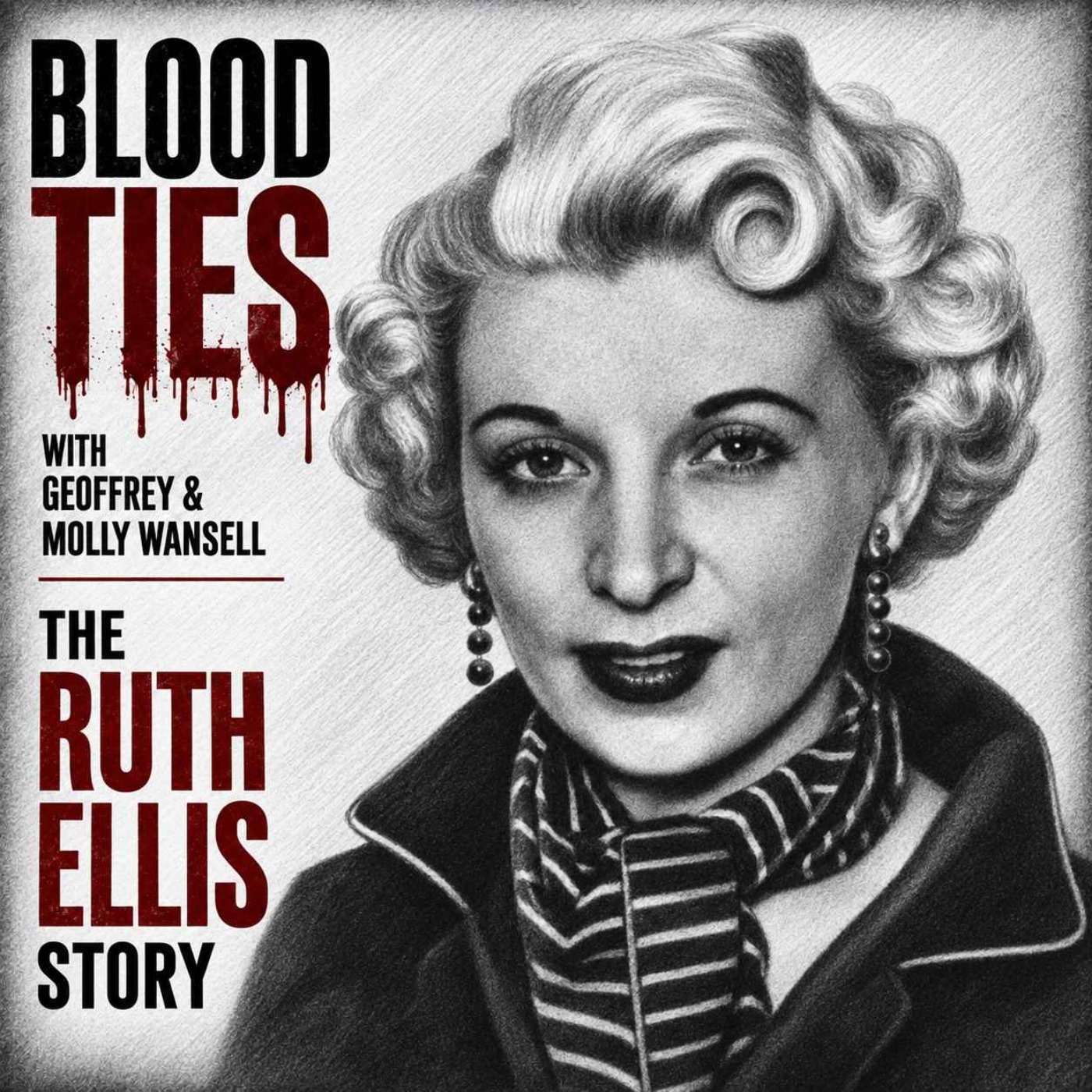
On Easter Sunday 1955, Ruth Ellis shot and killed her lover, racing driver David Blakely, outside the Magdala pub in Hampstead. Three months later, she became the last woman to be hanged in Britain. In this episode of Blood Ties, Geoffrey and Molly Wansell revisit the case of the model and nightclub hostess whose relationship with Blakely ended in murder. At her Old Bailey trial, Ellis admitted she meant to kill Blakely when she fired. Her answer was unequivocal, but the circumstances leading up to the shooting were more complicated. Blakely had been violent towards her, and the case raised questions about how much weight the courts gave to what she had endured. The episode asks how that history should shape our understanding of the killing. Ellis’s execution at Holloway Prison drew protesters and left Britain to reckon with whether justice had been served by sending her to the gallows. Don't forget to support the show by checking out our Patreon! patreon.com/bloodtiespodcast (https://
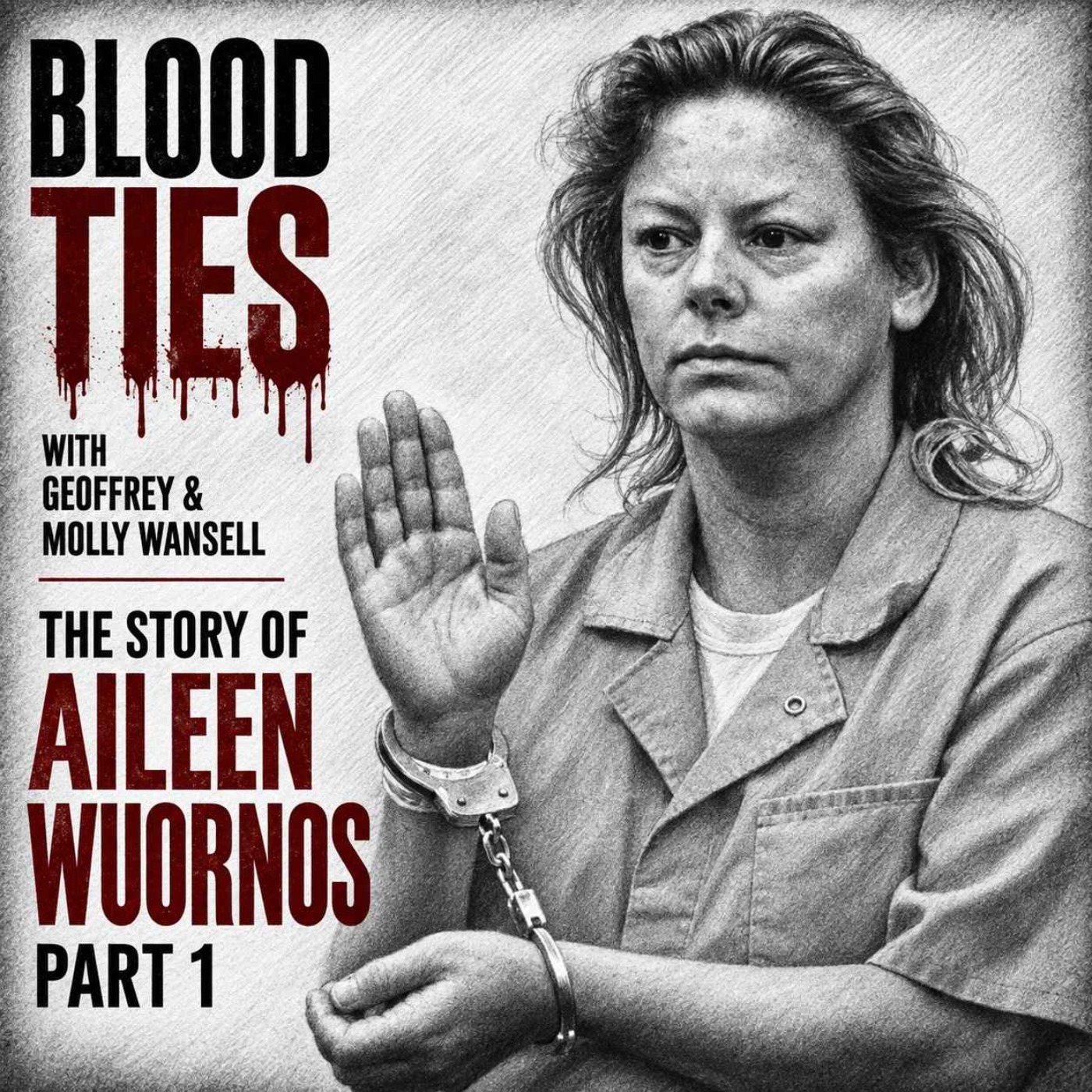
Welcome back to Blood Ties with father-and-daughter duo Geoffrey and Molly Wansell. In this gripping new double-bill episode, we dive deep into the tragic, complex, and harrowing life of one of America’s most notorious serial killers: Aileen Wuornos. Geoffrey and Molly unpack the devastating history behind Wuornos’ crimes. From a breathtakingly turbulent Michigan childhood marked by abandonment, extreme abuse, and unimaginable trauma to her survival on the streets at age fifteen, this episode explores the dark path leading up to her first chilling murder in Florida. Geoffrey and Molly separate the myth from the harrowing reality of a life shaped by profound suffering. Don't forget to support the show by checking out our Patreon! patreon.com/bloodtiespodcast (https://www.patreon.com/bloodtiespodcast) CREDITS: Presenters: Geoffrey and Molly Wansell Producer: Peter Shevlin https://pod60.com/ Artwork: George Leigh Music: Dan Wansell CONTACT: Twitter: @BloodTies_Pod Email: bloodties.podcast
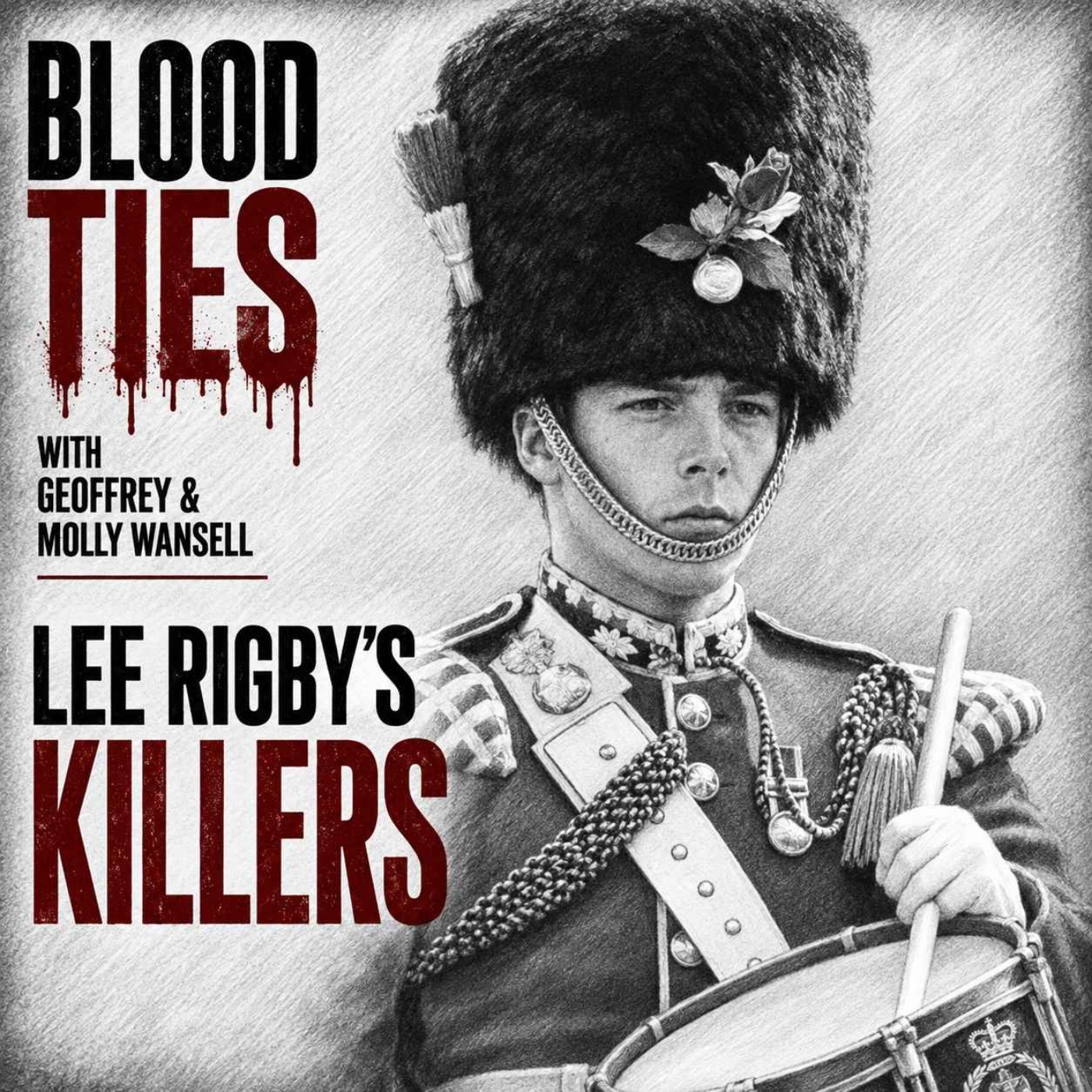
In this episode of the Blood Ties podcast, hosts Molly and Geoffrey Wansell revisit the harrowing 2013 murder of British soldier Lee Rigby. The hosts examine the tragic events of May 22, 2013, in London, where Rigby was struck by a car and brutally attacked in broad daylight by Michael Adebolajo and Michael Adebowale. They discuss how these two radicalised men carried out the horrific assault with the intention of provoking a fatal police response. The father and daughter duo also explore the backgrounds of the perpetrators, their failed legal appeals, and the profound shock the incident left on the public conscience. Ultimately, this reflective archive episode serves as a sobering reminder of a deeply shocking and unforgettable modern tragedy. CREDITS: Presenters: Geoffrey and Molly Wansell Producer: Peter Shevlin https://pod60.com/ Artwork: George Leigh Music: Dan Wansell CONTACT: Twitter: @BloodTies_Pod Email: [email protected] YouTube: https://www.youtube.com/@bloodtiespo
Punishments should be evaluated by their effect on future harm, not only their severity.
Share your view, then see how readers voted. No sign-in required. This poll is shared across stories.
Do you agree or disagree?
Common Quandary
A Common Quandary to discuss
Another conversation to explore, separate from this news story.
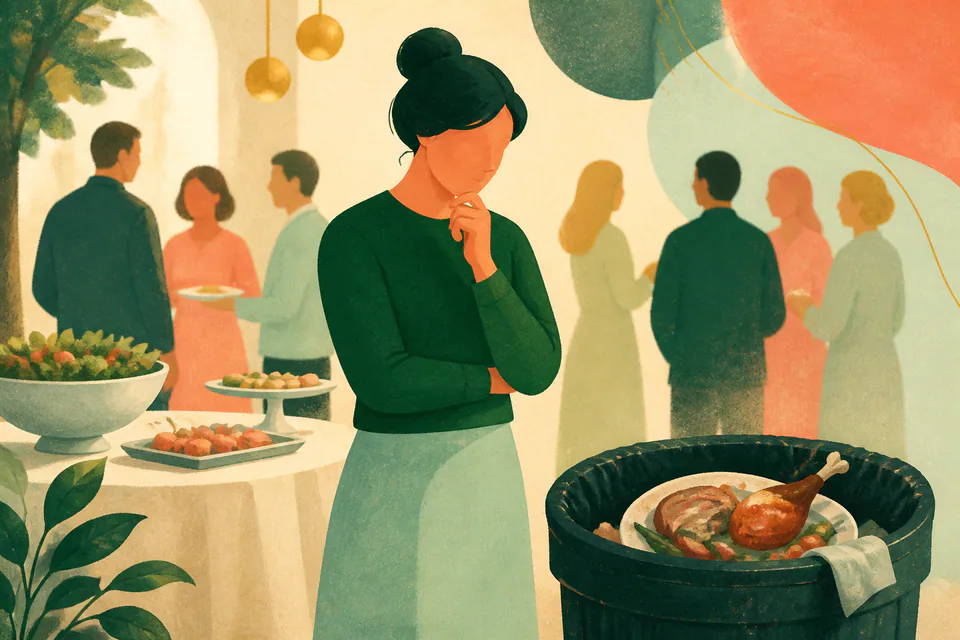
You are vegetarian, but the leftover steak is headed for the trash. Do you eat it?
A vegetarian avoids buying meat because of animal welfare concerns. At work events, untouched meat is routinely thrown away, and eating it would neither increase demand nor cause another animal to be harmed.
Should a moral practice be judged by its consequences or its consistency?