S1E9 Bonus: How to change a neighbourhood with Joe Donohue
61 min
Listen through the publisher, then discuss the episode here or arrange an in-person Roundtable. Your city determines where to meet.
Roundtables are designed for groups of four, with a shared subject and room for everyone to speak. Come for discussion, with no dating expectation.
Joe Donohue is one of Ireland's quiet heroes: Community Development Manager with Fatima United Groups FRC in an area that was once one of the most deprived and dangerous areas in Ireland, and is now unrecognisable. Joe was heavily involved in getting together the coalition needed to change the story of Fatima, and gives an insight into the type of work that policy needs to support to actually change the stories of disadvantaged communities, instead of just managing their symptoms. To learn more about Fatima United Groups: https://www.fgu.ie/ Bonus episode for episode 9: Does the welfare state fix poverty or just manage it? Hosted by Keire Murphy and Aidan Regan. Questions or comments? [email protected] YouTube: https://www.youtube.com/@GetShtDonePod Substack: https://getshitdonepod.substack.com/ Instagram: https://www.instagram.com/getshitdonepod/ Hosted on Acast.
Episode information is provided by the publisher. Listening takes place on the publisher’s service.
Goldbridge looks back at Manchester United's performance against Sporting, discussing the key talking points, individual player performances and what last night's result tells us about the current state of the team. Who deserves the blame, and what needs to change moving forward? Mark also discusses Mauricio Pochettino's comments on Senne Lammens. Join Mark this morning for all the latest Man United news Hosted on Acast.
Artificial intelligence may dominate today's technology headlines, but some of the world's leading scientists believe an even bigger revolution could still be ahead. Hamish Macdonald speaks with Professor John Martinis, Nobel Prize-winning physicist and one of the pioneers of quantum computing, about a technology that promises to tackle problems beyond the reach of today's most powerful computers. From accelerating and drug development to completely up-ending cybersecurity, quantum computing could reshape industries that underpin modern life. But first, it requires understanding a very strange reality: a world where particles can behave like waves, where quantum bits can be both 0 and 1 at the same time, and where the laws of physics seem to operate by entirely different rules. The conversation also explores the growing competition between the United States and China, the relationship between quantum computing and AI, and whether concepts like multiple universes belong in science, scie
Cranberries are a Thanksgiving fixture, and the United States produces most of the world's supply. But growing them relies on a narrow window of time with the right conditions. With climate change, those conditions are shifting. For our Tipping Point series, special correspondent Ben Tracy with Climate Central shows us how scientists and growers are working to save the seasonal favorite. Hosted on Acast. See acast.com/privacy
Sharing a meal at the same table, a practice known as commensality, helps families and communities build trust and connect across generations. While many people believe the 1621 harvest feast shared by the Pilgrims and the Wampanoag people started an unbroken annual tradition, American Thanksgiving history actually followed a much more uneven path. Indigenous peoples held seasonal harvest and gratitude ceremonies for generations before 1621, and the Plymouth meal was largely forgotten for about 200 years. George Washington issued the first national Thanksgiving proclamation for Thursday, November 26, 1789, and magazine editor Sarah Josepha Hale later persuaded Abraham Lincoln to set a regular November date in 1863. The holiday did not become federal law until 1941, after public confusion over a date change. When gathering for a holiday dinner, Harvard research shows that asking open-ended follow-up questions makes conversations more engaging and boosts likability. Keeping a few neutral
The Bling Ring Part 2: What happens when a group of fame-obsessed teenagers start robbing Hollywood's biggest celebrities? And what happens when their crimes are accidentally caught on camera for a reality TV show? Welcome back to Killers, Cults & Queens! We're heading back to late-2000s Los Angeles to continue our deep dive into the infamous Bling Ring burglaries. After targeting Paris Hilton and Audrina Patridge, Rachel Lee and Nick Prugo are far from finished, and their next victims include Rachel Bilson, Miranda Kerr, Orlando Bloom, Megan Fox and Lindsay Lohan. As their celebrity-inspired crime spree escalates, so does their drug use, and the group becomes increasingly reckless. But with stolen designer handbags, jewellery, watches and even a firearm changing hands, it's only a matter of time before the police catch up with them. Then comes one of the most extraordinary twists in the story: Alexis Neiers and her sisters are filming a brand-new reality TV show when LAPD arrive at th
NT Police are investigating an emailed terror threat targeting territory government ministers, bureaucrats and public areas. One Nation's newest recruit South Australian senator Leah Blyth has blamed the Liberal party for her shock defection, denying the move is driven by self-interest. Scientists warn too many satellites in space will change the night sky for generations to come, after US authorities approved Elon Musk's plan for orbital data centres. For more news at any time you can follow the ABC News Top Stories podcast.
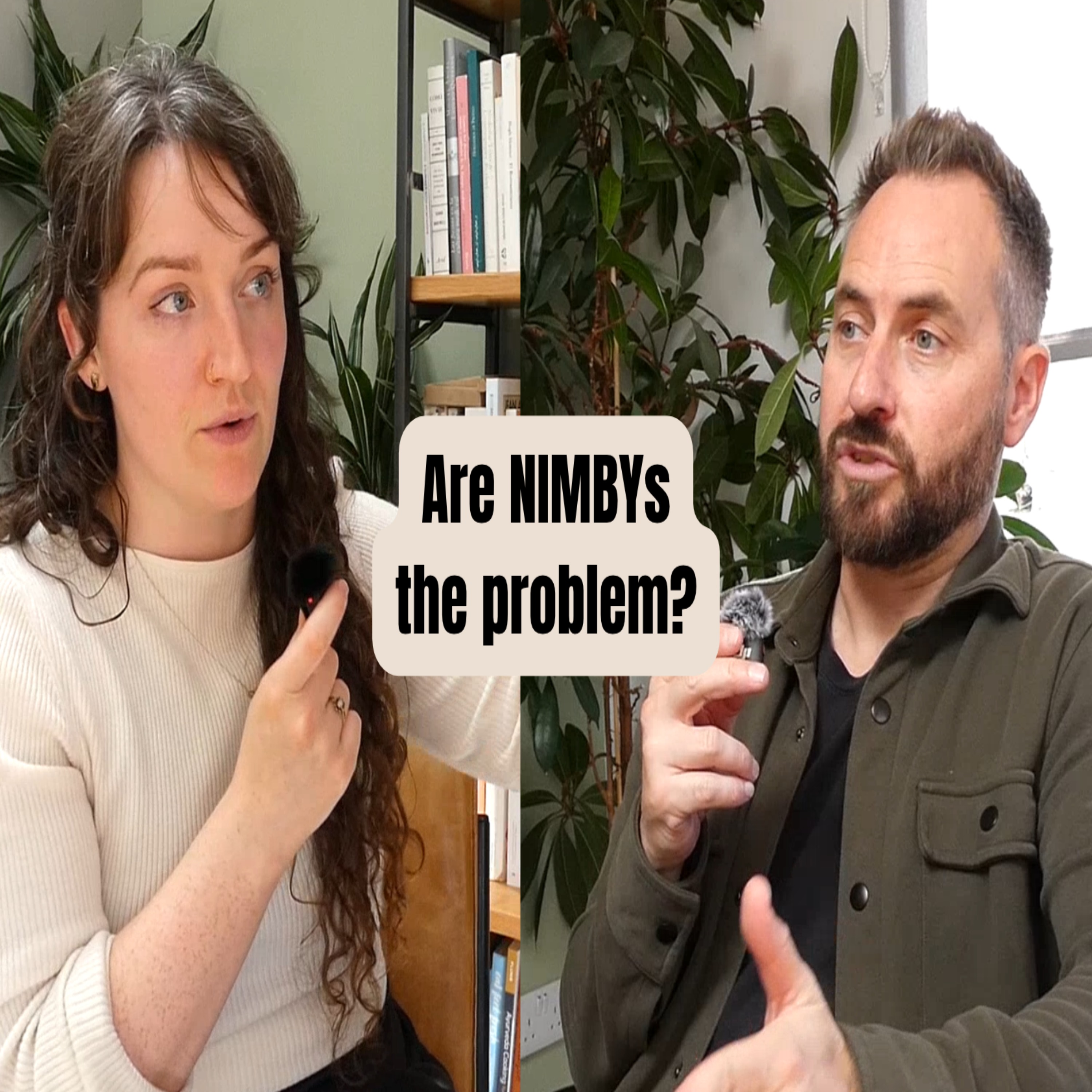
One of the common diagnoses of Ireland's inability to deliver is NIMBYism. It stands for 'Not In My Back Yard' and refers to people objecting to projects or trying to delay or prevent them because they disadvantage them or change their neighbourhood. This concern has been reflected in the Planning Act which came into effect this week. We ask if this is really the problem, where NIMBYism comes from and how to prevent it. Hosted by Keire Murphy and Aidan Regan. Questions or comments? Email us at [email protected] YouTube: https://www.youtube.com/@GetShtDonePod Substack: https://getshitdonepod.substack.com/ Instagram: https://www.instagram.com/getshitdonepod/ Hosted on Acast.
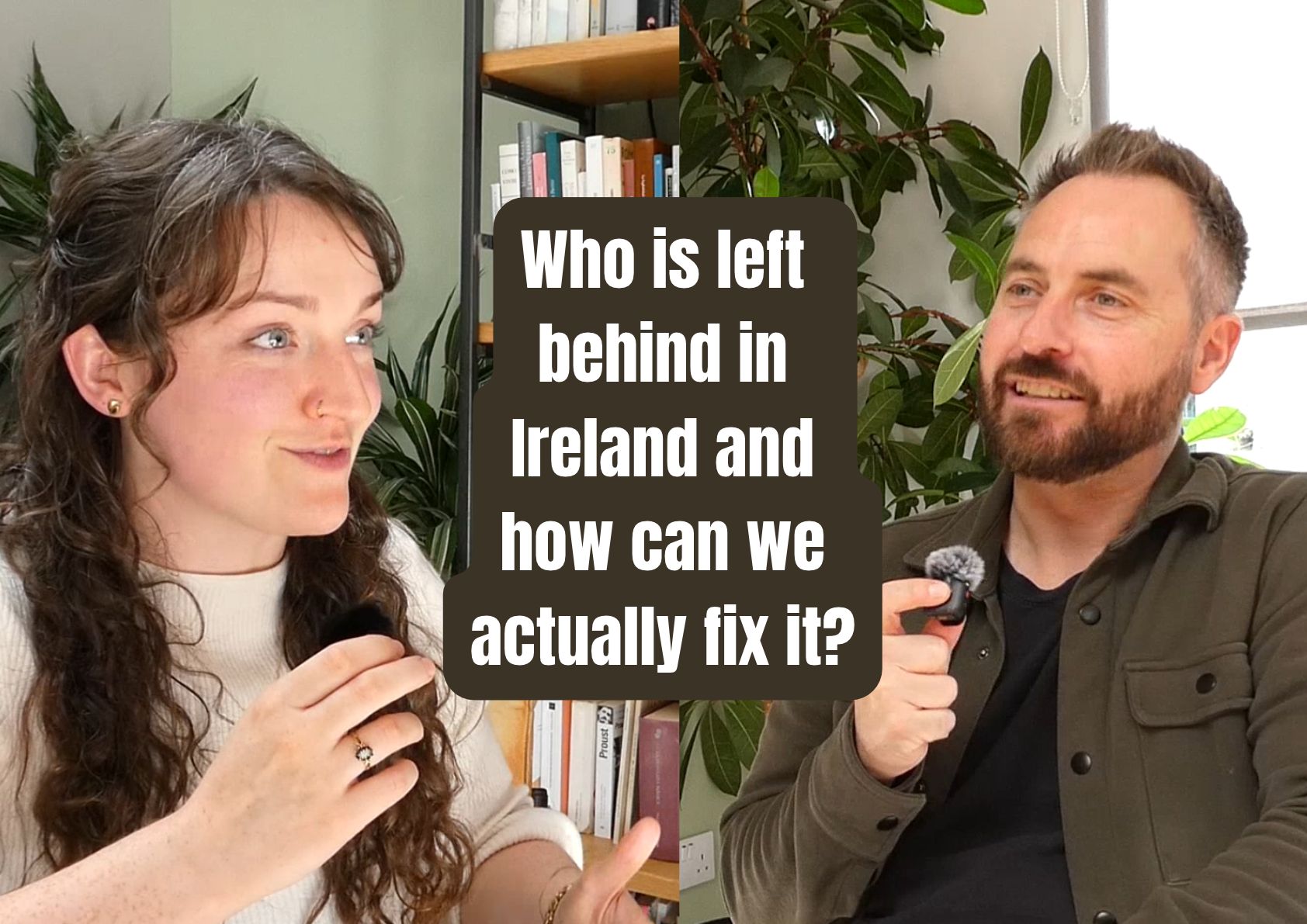
Why is entrenched poverty such an issue in some communities in Ireland and is there a way to actually change it instead of just treating the symptoms? Does our welfare state paper over the cracks instead of getting to the root causes of problems? What would getting to those root causes look like? Hosted by Keire Murphy and Aidan Regan. YouTube: https://www.youtube.com/@GetShtDonePod Substack: https://getshitdonepod.substack.com/ Instagram: https://www.instagram.com/getshitdonepod/ Hosted on Acast.
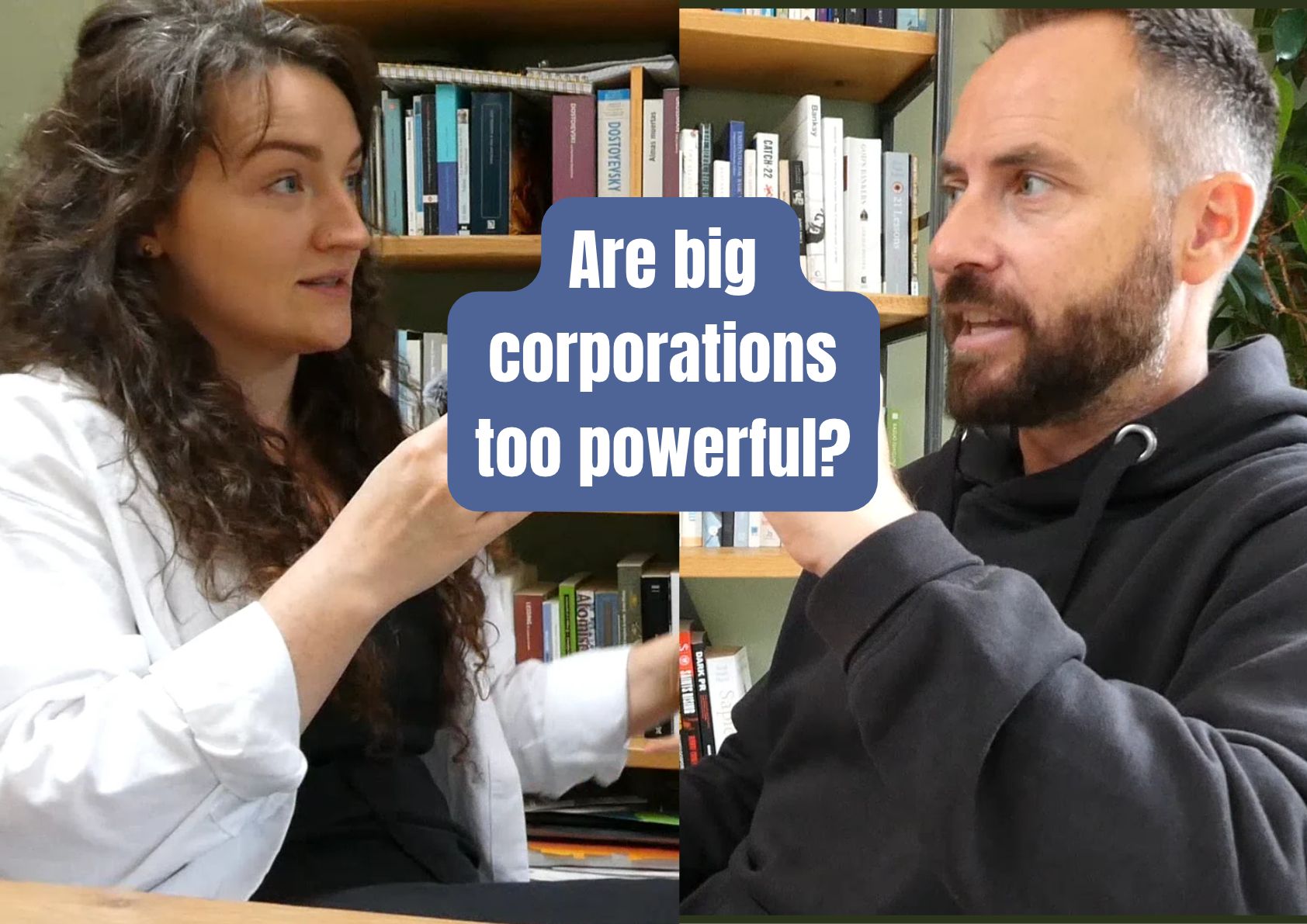
The US midterms have brought the question of money and corporate power in politics to the forefront. What happens when very wealthy people or corporations start to control politics? Is this happening in Ireland or elsewhere? How do we prevent it? Hosted by Keire Murphy and Aidan Regan. YouTube: https://www.youtube.com/@GetShtDonePod Instagram: https://www.instagram.com/getshitdonepod/ Substack: https://getshitdonepod.substack.com/ Hosted on Acast.
An athlete's recovery should take priority over pressure to return for an important game.
Share your view, then see how readers voted. No sign-in required. This poll is shared across stories.
Do you agree or disagree?
Common Quandary
A Common Quandary to discuss
Another conversation to explore, separate from this news story.
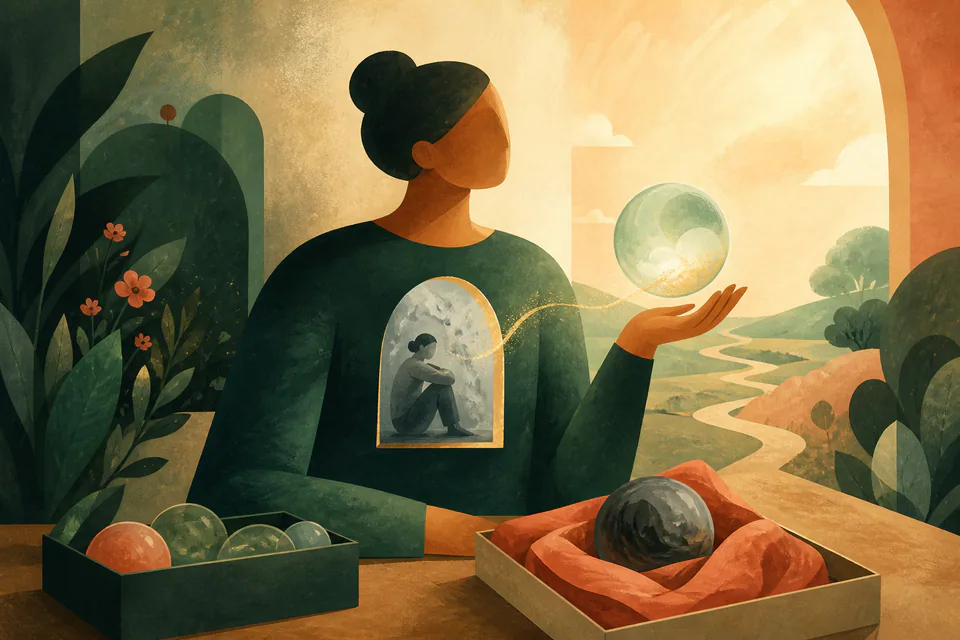
A pill can erase your most painful memory without changing anything else. Do you take it?
A safe new treatment can remove the emotional pain attached to one chosen memory while leaving the factual memory intact. Losing the pain might bring enormous relief, but the experience shaped your relationships, choices, and sense of who you are.
Are painful memories injuries to heal or parts of ourselves to keep?