Sagittarius A*’s Stellar Graveyard Reveals a Metal-Rich Black Hole Neighbourhood
21 min
Listen through the publisher, then discuss the episode here or arrange an in-person Roundtable. Your city determines where to meet.
Roundtables are designed for groups of four, with a shared subject and room for everyone to speak. Come for discussion, with no dating expectation.
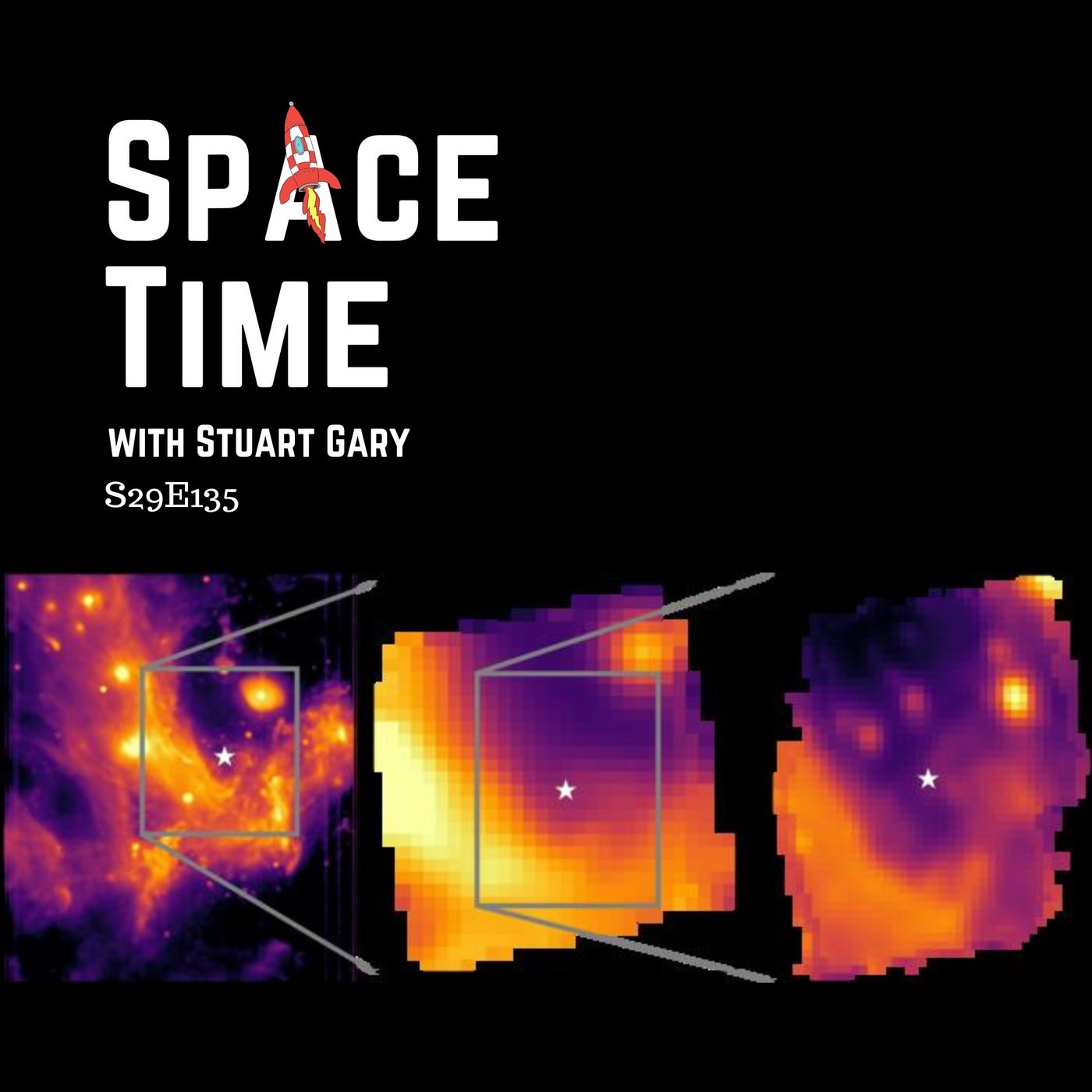
Wednesday SpaceTime 20261111 Series 29 Episode 135 A stellar grave yard at the heart of the Milky Way A new study has shown that the gas orbiting the black hole at the centre of our galaxy is rich in metals from the corpses of dead and dying stars. The mystery of the origin of Earth’s water A new study suggests planet Earth may have formed much of its water during its formation in the protoplanetary disk rather than later from asteroid and comet impacts as often speculated. Rocket Lab to fly from Alaska Rocket Lab is building two new launch pads in Alaska to conduct rapid-response launches and missile-defence testing for the United States military. The Science Report A derivative of vitamin B5 used as a cholesterol-lowering supplement shown to stop psoriasis. Having a spouse with dementia may put you at a higher risk of developing dementia yourself. Northern Australia becomes a lifeboat for the critically endangered Green Sawfish. Smartphone after 10pm linked to teens falling asleep later, waking up later and sleeping less. Alex on Tech messages from the dead. Become a supporter of this podcast: https://www.spreaker.com/podcast/spacetime-with-stuart-gary--2458531/support.
Episode information is provided by the publisher. Listening takes place on the publisher’s service.
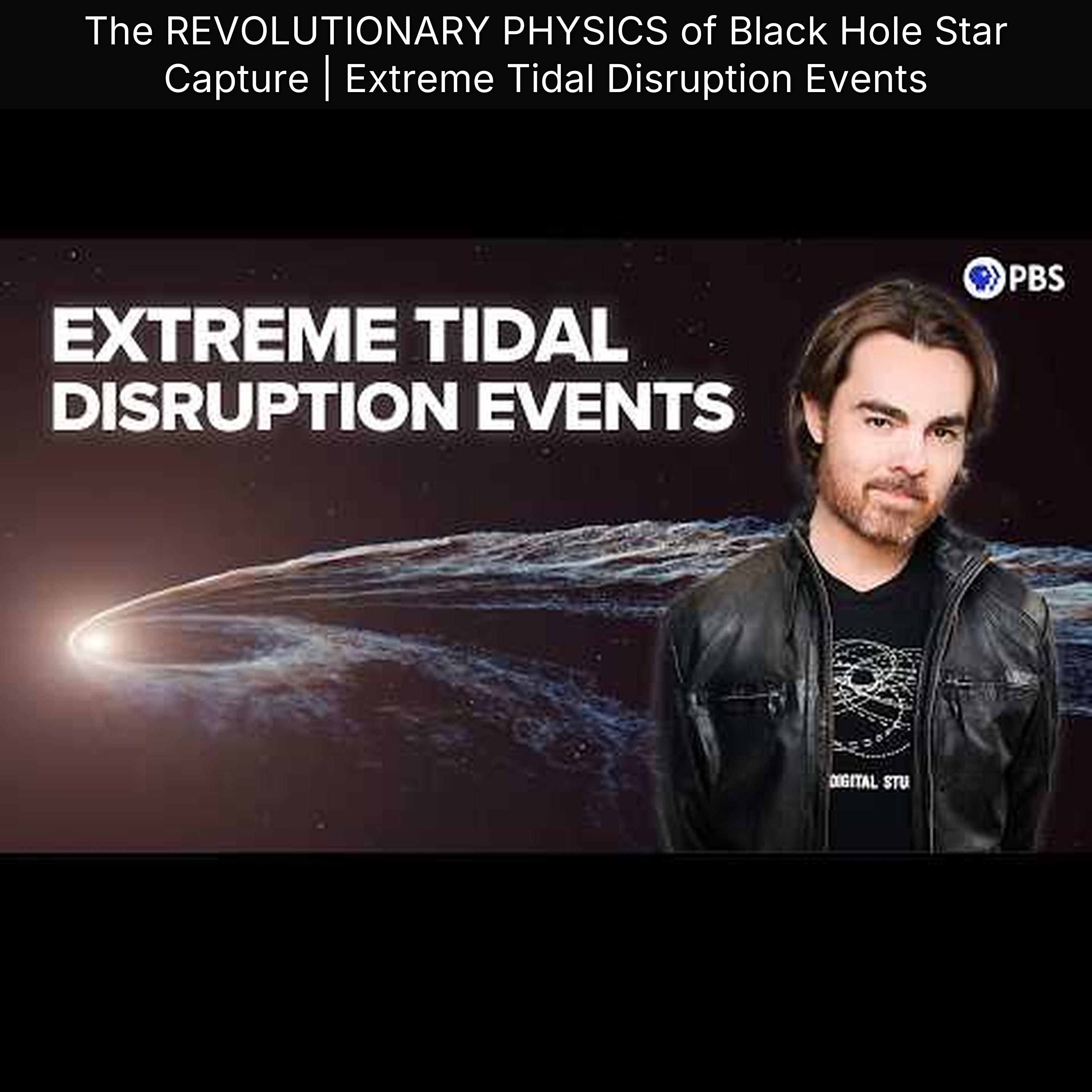
PBS Member Stations rely on viewers like you. To support your local station, go to:http://to.pbs.org/DonateSPACE Sign Up on Patreon to get access to the Space Time Discord! If you track the motion of individual stars in the ultra-dense star cluster at the very center of the Milky Way you’ll see that they swing in sharp orbits around some vast but invisible mass—that’s the Sagittarius A* supermassive black hole. These are perilous orbits, and sometimes a star wanders just a little too close to that lurking monster, leading to its utter destruction in the spectacular phenomenon known as a tidal disruption event. We’ve never seen a TDE in the Milky Way, but we’ve seen them in distant galaxies—and we now know how to spot stellar destructions so extreme that they reveal properties of the black hole itself. Check out the Space Time Merch Store Search the Entire Space Time Library Here: https://search.pbsspacetime.com/ Hosted by Matt O'Dowd Written by Matt Caplan, Andy Santarelli & Matt O'Dow
Black holes reveal something astonishing about our universe. Take your personal data back with Incogni. This extended cut is a deep dive into cutting edge research about black holes. It’s an interview with famous physicist Dr. Brian Cox. We start with “what if you fell into a black hole?” and end on the cutting edge research that had me questioning my whole reality. I interviewed Dr. Cox originally for a shorter Huge If True episode all about what would happen if you fell into a black hole. Watch our Huge If True episode about “What If You Fell Into A Black Hole?” here: https://youtu.be/BKIkTKqWMfg?si=bTde4QxUeN6bN1Io But there was SO much weird and mind bending stuff about the cutting edge of black holes that didn't fit into that shorter episode, and we knew you'd want to hear it. So we decided we had to release the full conversation. It's just too cool and I think you'll love it. Now, strap in, because the cutting edge of black holes is absolutely WILD. As always, if you want more op
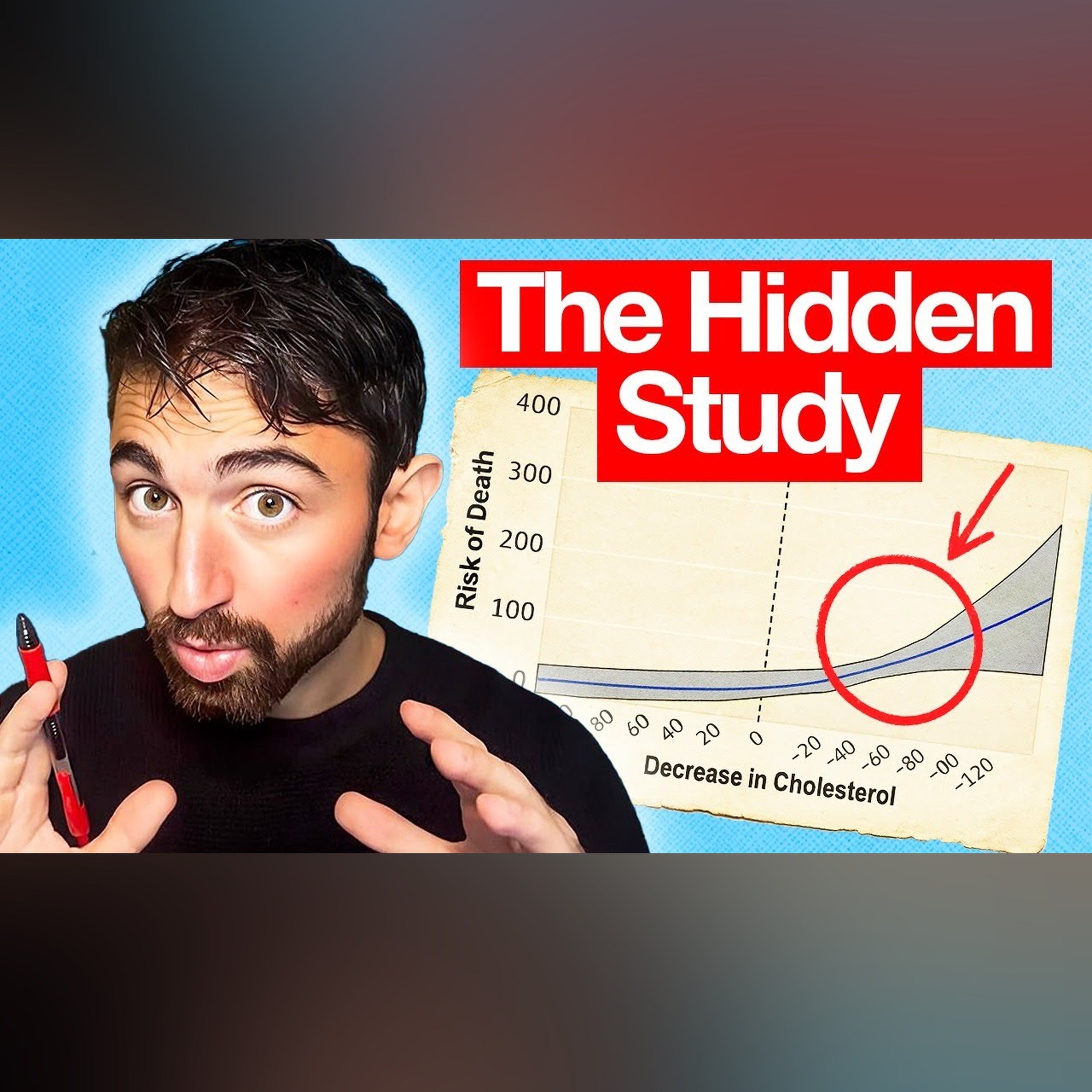
For the references, extra details and early access to context, see the newsletter: https://open.substack.com/pub/staycuriousmetabolism/p/lowering-cholesterol-killed-a-study?r=40ekz2&utm_campaign=post&utm_medium=web&showWelcomeOnShare=true (https://open.substack.com/pub/staycuriousmetabolism/p/lowering-cholesterol-killed-a-study?r=40ekz2&showWelcomeOnShare=true) Description: What if lowering cholesterol didn’t save lives—but actually increased the risk of death? In this video, I break down a forgotten ‘gold-standard’ randomized controlled trial from the late 1960s and early 1970s: the Minnesota Coronary Experiment. This uniquely rigorous study tested whether replacing saturated fat (butter, beef) with vegetable oils rich in linoleic acid would reduce heart disease and mortality. The results were shocking. Cholesterol dropped—but deaths increased. Even more unsettling, the greater the cholesterol reduction, the higher the risk of death. Cardiovascular outcomes didn’t improve either. The
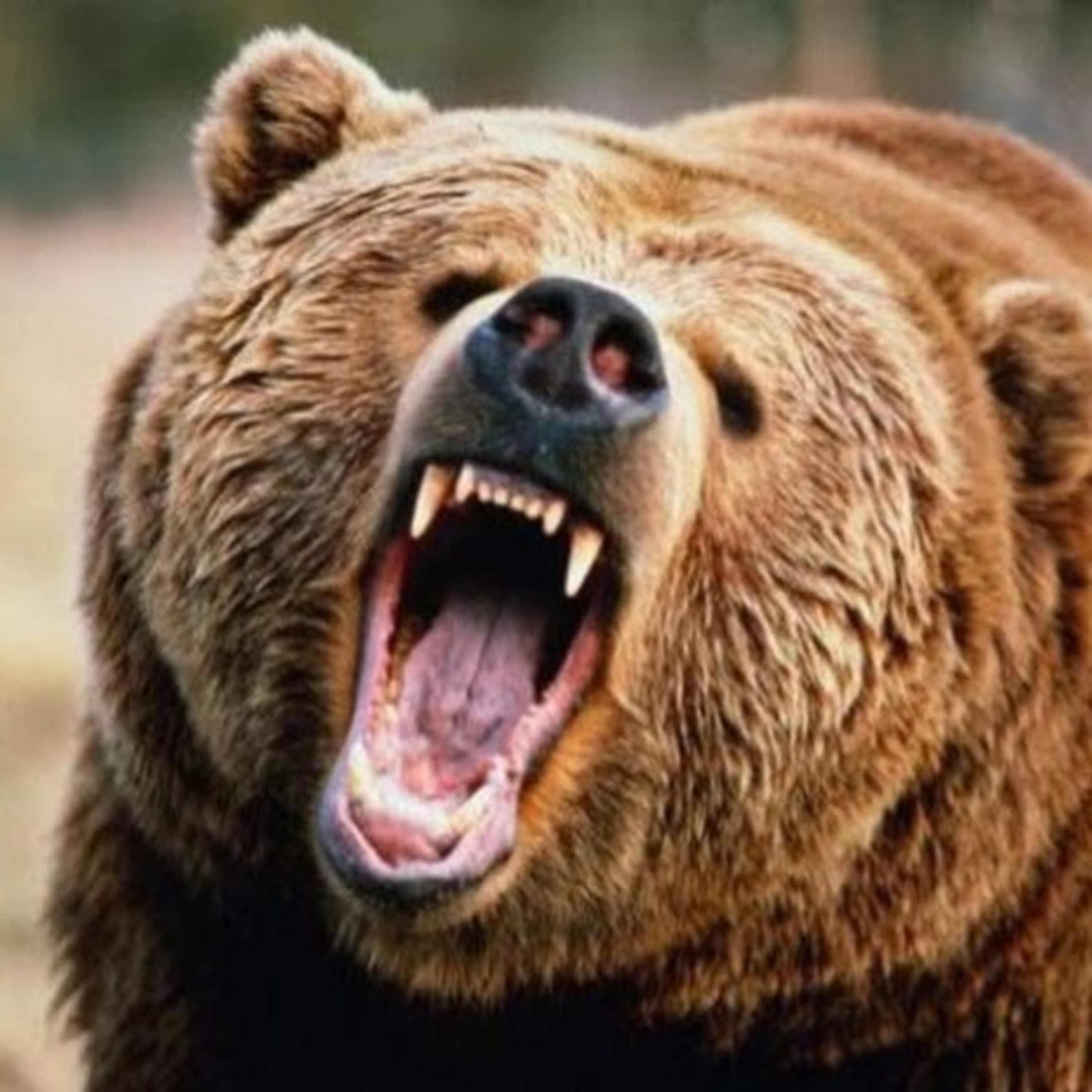
View pictures and support us on Patreon(https://www.patreon.com/user?u=73787379) This episode examines documented black bear encounters involving hikers, hunters, campers, homeowners, and backcountry workers. These incidents range from surprise encounters and defensive attacks to prolonged confrontations where bears returned repeatedly, testing human endurance, decision-making, and survival instincts.Black bears are often described as shy or non-aggressive, but these cases reveal how quickly circumstances can change when food sources, cubs, human behavior, or environmental pressure collide. Each story is carefully researched and presented to highlight what went wrong, what saved lives, and what these encounters reveal about black bear behavior in the wild.
THE SEARCH FOR THE ULTIMATE RED LIGHT THERAPY IS OVER! After decades of exploring wellness technologies, Michael Jaco sits down with Rob Rene, founder of Exodus Strong, to explore the Red Light+ Total Body Reset system, the science behind red and near-infrared light, and why this technology has become such an important part of their wellness conversation. Rob's remarkable personal journey—including surviving five near-death experiences—inspired his mission to develop practical wellness tools that people can incorporate into their everyday lives. Discover the full-body Red Light+ Mat, designed for convenient 20-minute sessions, and the portable Red Light+ Wand, created for targeted use on areas such as the knees, shoulders, hands, and lower back. Michael and Rob discuss the technology, personal experiences, and how red light therapy may support a daily wellness routine. BLACK FRIDAY–CYBER MONDAY LISTENER EXCLUSIVE! This is your opportunity to explore Exodus Strong's special holiday offe
This is a Grave Talks CLASSIC EPISODE! In the heart of Calgary stands one of the city’s most infamous historic properties—Deane House. Built in 1906 by Captain Richard Burton Deane, the home’s history was marked by tragedy almost immediately, when Deane’s wife died during its construction. Decades later, the darkness deepened. In 1971, a brutal murder-suicide unfolded within its walls, casting a shadow that many believe still lingers today. Visitors and investigators report full-bodied apparitions, unexplained noises, sudden cold spots, and overwhelming feelings of unease. Some say they’ve encountered more than one spirit inside the historic residence. Others believe the energy there feels layered—built from grief, violence, and unresolved history. On this episode of The Grave Talks, we explore the chilling past of The Deane House, the paranormal experiences that continue to be reported, and the lingering question: what—if anything—still walks its halls? #DeaneHouse #HauntedCalgary #Ha
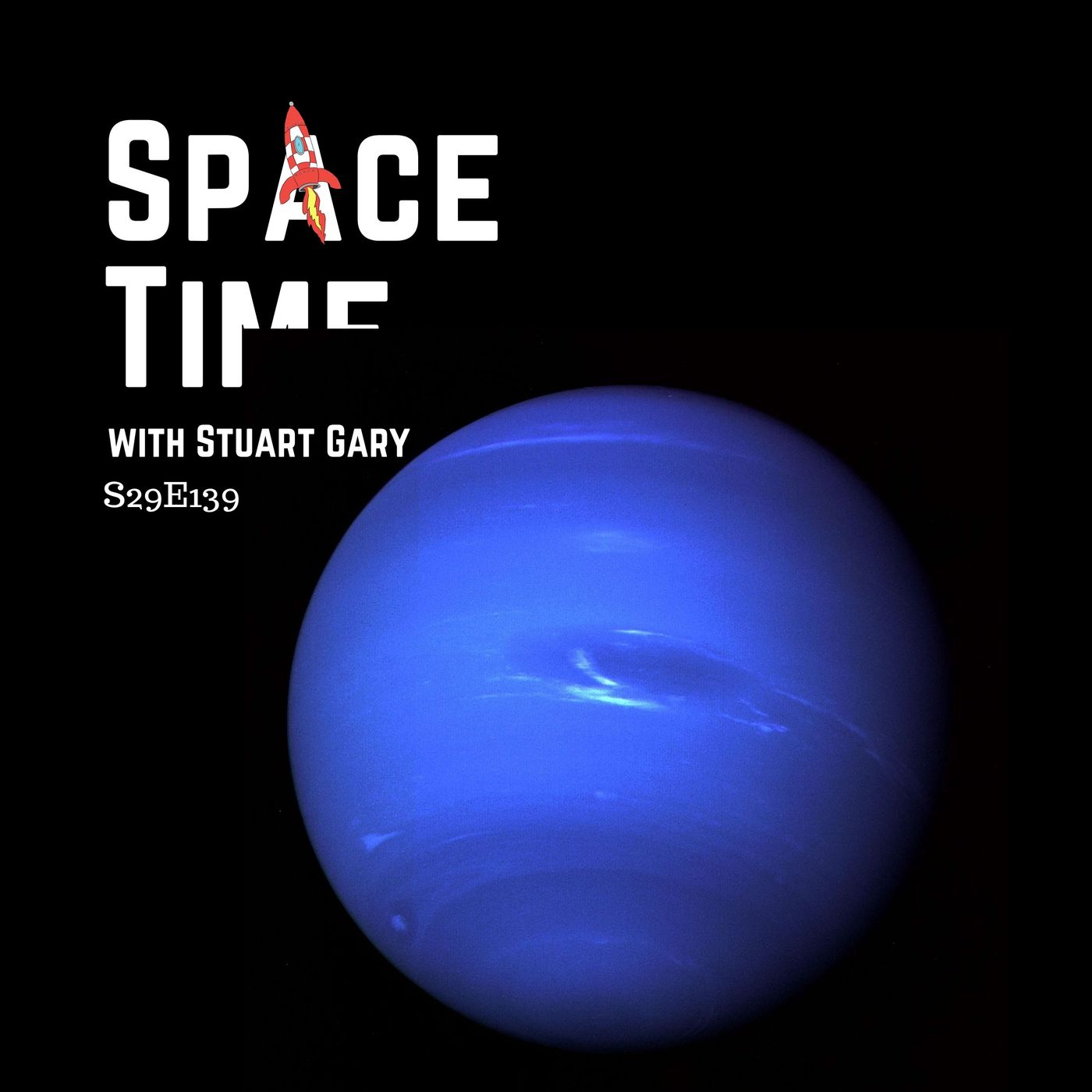
Friday SpaceTime 20261120 Series 29 Episode 139 New clues about origins of the ice giants Uranus and Neptune New study suggests the ice worlds of Uranus and Neptune had very different origins despite their similar locations on the outskirts of the solar system. Astronomers spy the heart of Comet Encke Astronomer have finally put a face to Comet Encke, the source of the Taurid meteor shower which the Earth is currently ploughing through. Fireballs lighting up the skies across America Fireballs have been reported across American skies, but NASA says they won’t associated with the currently active Taurid meteor shower. The Science Report People who frequently jolt awake while falling asleep may have higher anxiety and depression. The world can expect less overall rain, but more shorter, and more intense rainstorms. A new test to detect facial tumour disease in Tasmanian devils earlier. Study shows people on the Arabian peninsula 125 thousand years ago used complex technologies. Skeptics g
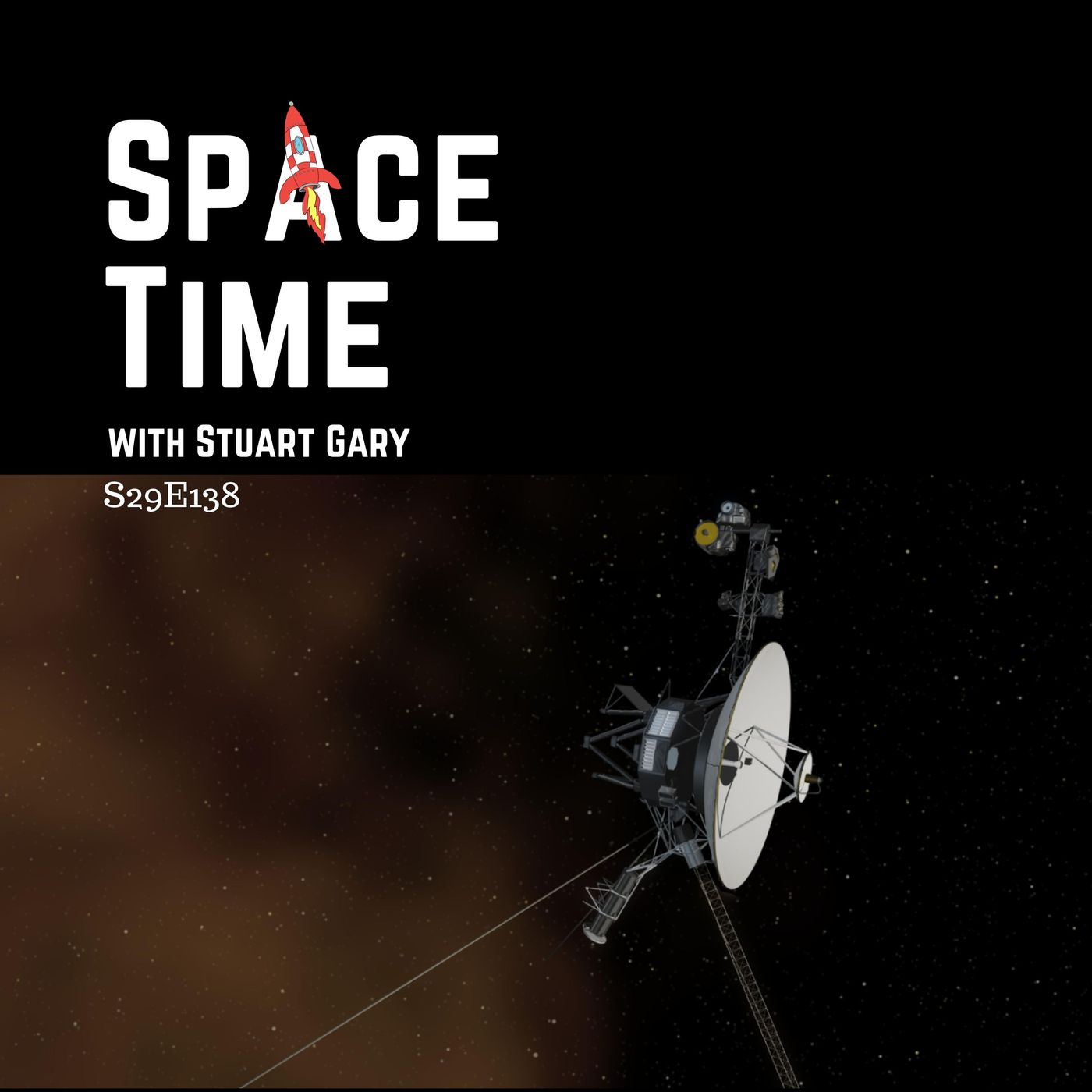
Wednesday SpaceTime 20261118 Series 29 Episode 138 Voyager 1 spacecraft reaches a full light day away from Earth NASA’s Voyager 1 spacecraft has made history today becoming the first man made object to reach a full light day away from Earth. Discovery of a supernova impostor in deep space Astronomers have finally worked out why a giant blue star some 33 time more massive than the Sun undergoes repeated outbursts shining as bright as a supernova. Two more experimental orbital payloads land in the South Australian outback Southern Launch has taken part in two more flights parachuting down into its Koonibba Test Range on the South Australian west coast. The Science Report Study shows vaping worsens your lungs increasing the risk of chronic lung disease. The southern hairy-nosed wombat found to deliver key environmental benefits. Micro plastics found in the blood of lowland tapirs and giant anteaters in the Amazon. Quantum computing pioneer Diraq installs Australia's first quantum computer
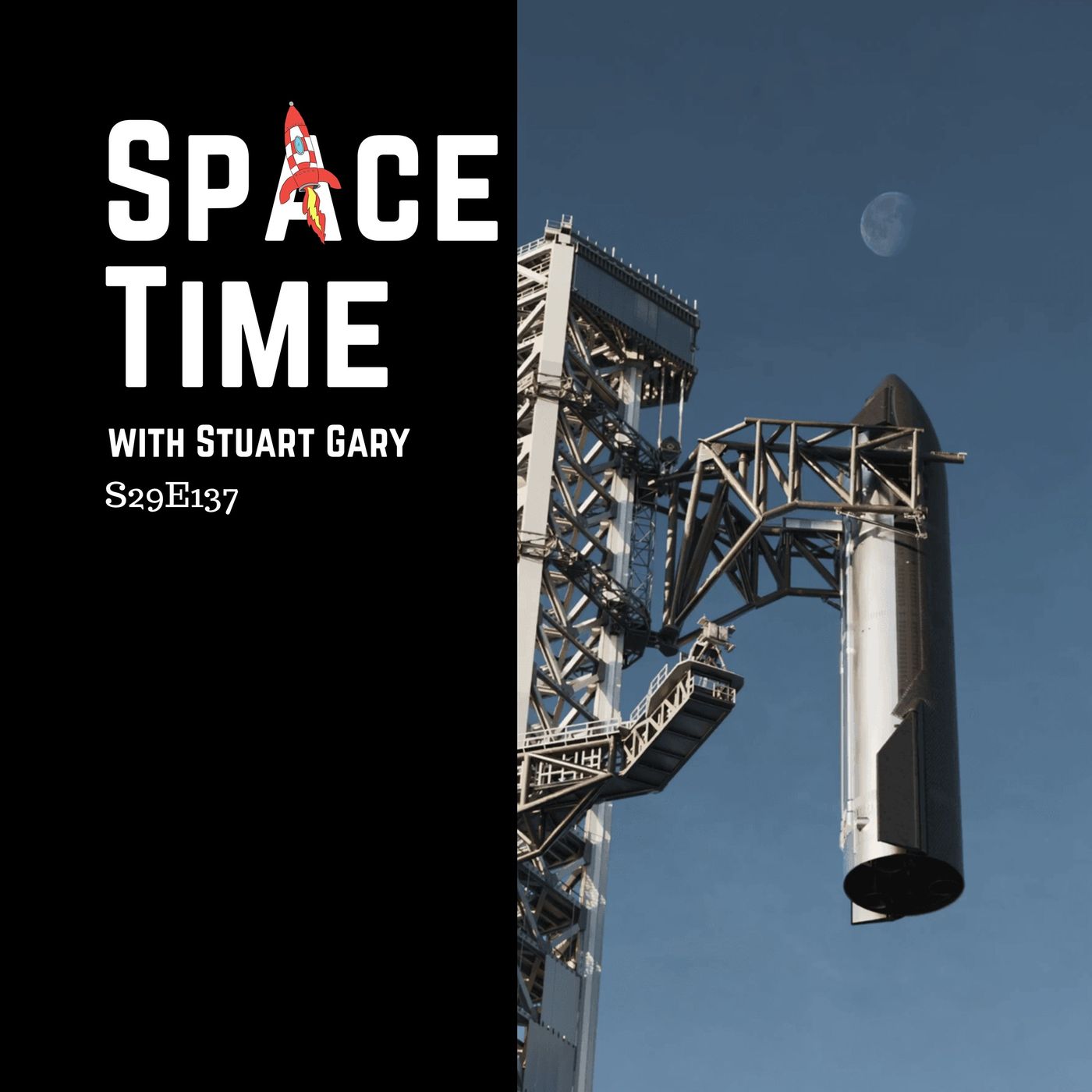
SpaceTime S29E137 S29E138 S29E139 w/c November 16, 2026 Monday SpaceTime 20261116 Series 29 Episode 137 Starship achieves an historic first orbital tower catch SpaceX has made history, successfully catching a Starship on its return from orbit -- back on the same launch pad it had blasted off from 22.5 hours and 14 orbits of the Earth earlier. Could there be life on Saturn’s ice moon Enceladus A new study claims Saturn’s ice moon Enceladus might be more supportive of life than was previously thought. Ancient rocks reveal when Earth’s tectonic engine ‘switched on’ A new study suggests plate tectonics began on planet Earth around two and a half billion years ago. Shiny lava planet challenging expectations Astronomers have discovered that a rocky lava planet once thought to be too extreme to have any atmosphere actually appears to be wrapped in a reflective layer of clouds forming a protective ‘sunscreen’ around the planet. The Science Report ibuprofen linked to a higher risk of acute kidn
New local ventures should actively contribute to the surrounding community.
Share your view, then see how readers voted. No sign-in required. This poll is shared across stories.
Do you agree or disagree?
Common Quandary
A Common Quandary to discuss
Another conversation to explore, separate from this news story.
Your anonymous review could cost a coworker a promotion. Do you sign your name?
A company requests anonymous feedback about a colleague being considered for promotion. You have serious concerns based on direct experience, but anonymity prevents them from asking questions or understanding the context of your criticism.
Does honest criticism require accepting personal accountability for it?