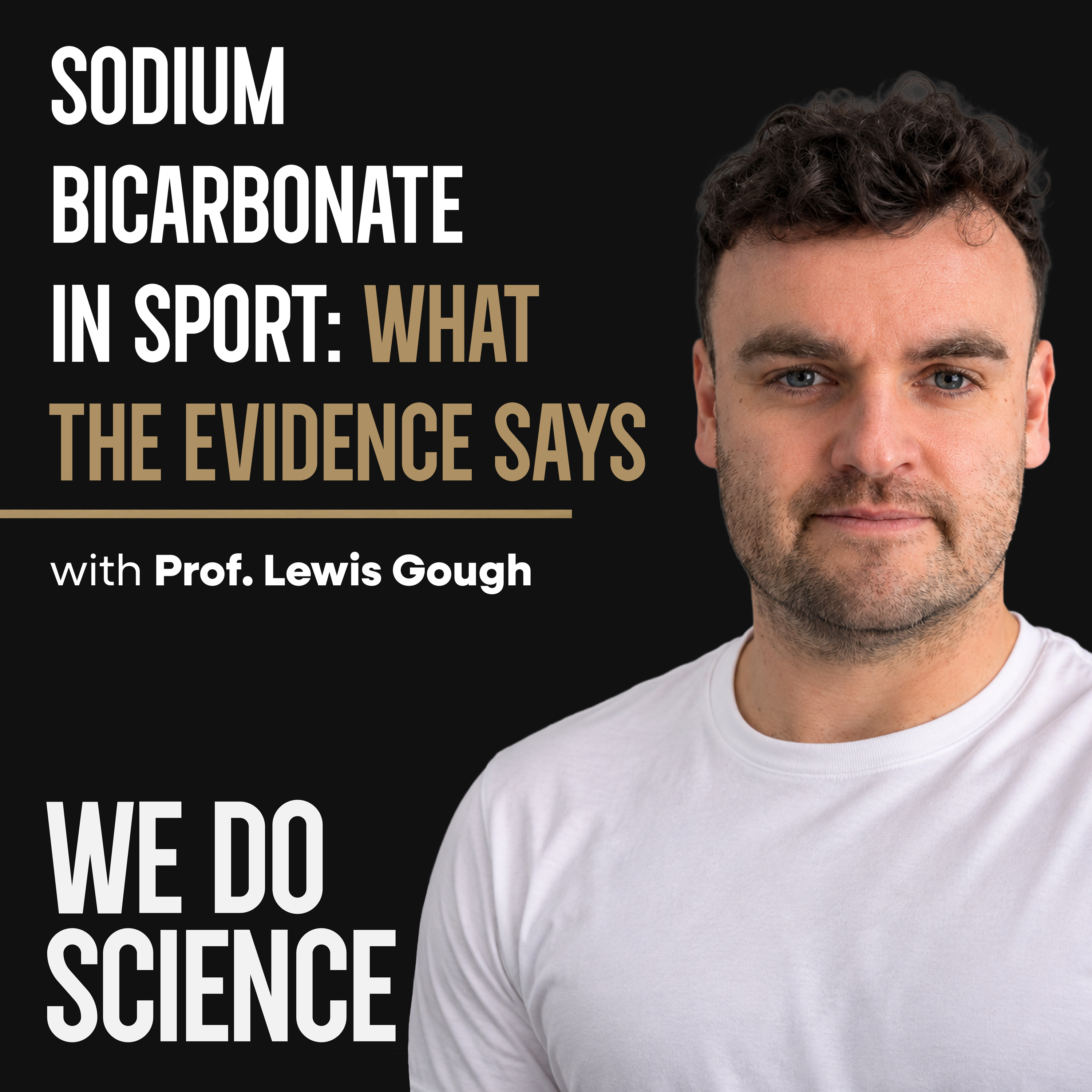
Sodium Bicarbonate for Performance: Benefits, Dosing and Side Effects | Prof. Lewis Gough
83 min
Listen through the publisher, then discuss the episode here or arrange an in-person Roundtable. Your city determines where to meet.
Roundtables are designed for groups of four, with a shared subject and room for everyone to speak. Come for discussion, with no dating expectation.
In this episode of We Do Science, I’m joined by Professor Lewis Gough to explore sodium bicarbonate supplementation and its role in sport and exercise performance. We discuss how it works, what the research tells us, and what matters when translating that evidence into practice. Lewis explains the science of buffering, clears up common misconceptions about lactate and muscle fatigue, and shares insights from his research with athletes. We explore which types of exercise may benefit, why individual responses vary, and why a study’s average result doesn’t tell the whole story. We also discuss the practical considerations: dose, timing, gastrointestinal side effects, and the differences between powders, capsules and newer delivery systems. Lewis shares his perspective on combining sodium bicarbonate with other supplements, including beta-alanine, caffeine and nitrates, highlighting where the evidence is stronger and where questions remain. Whether you’re a sports nutrition practitioner, coach or athlete, this conversation explores how to assess sodium bicarbonate’s place within a performance nutrition strategy—and why the individual athlete and their sporting demands matter. CHAPTERS00:00 Introduction 02:24 Introducing Prof. Lewis Gough 14:03 Lactate, muscle fatigue and how buffering works 27:59 Performance evidence and research limitations 40:19 Why individual responses vary 48:02 Which sports and athletes may benefit? 52:04 Side effects, delivery methods and dosing 1:03:42 Repeated exercise bouts and recovery 1:06:13 Combining bicarbonate with other supplements 1:18:38 Key takeaways If you enjoy the episode, please subscribe to We Do Science and share your thoughts in the comments. Connect with Lewis LinkedIn: https://www.linkedin.com/in/professor-lewis-gough-40550857/ (https://www.laurentbannock.com/) Connect with Laurent: Substack: https://substack.com/@laurentbannock Website: https://www.laurentbannock.com (https://www.laurentbannock.com/) Instagram: https://www.instagram.com/laurent_bannock
Episode information is provided by the publisher. Listening takes place on the publisher’s service.
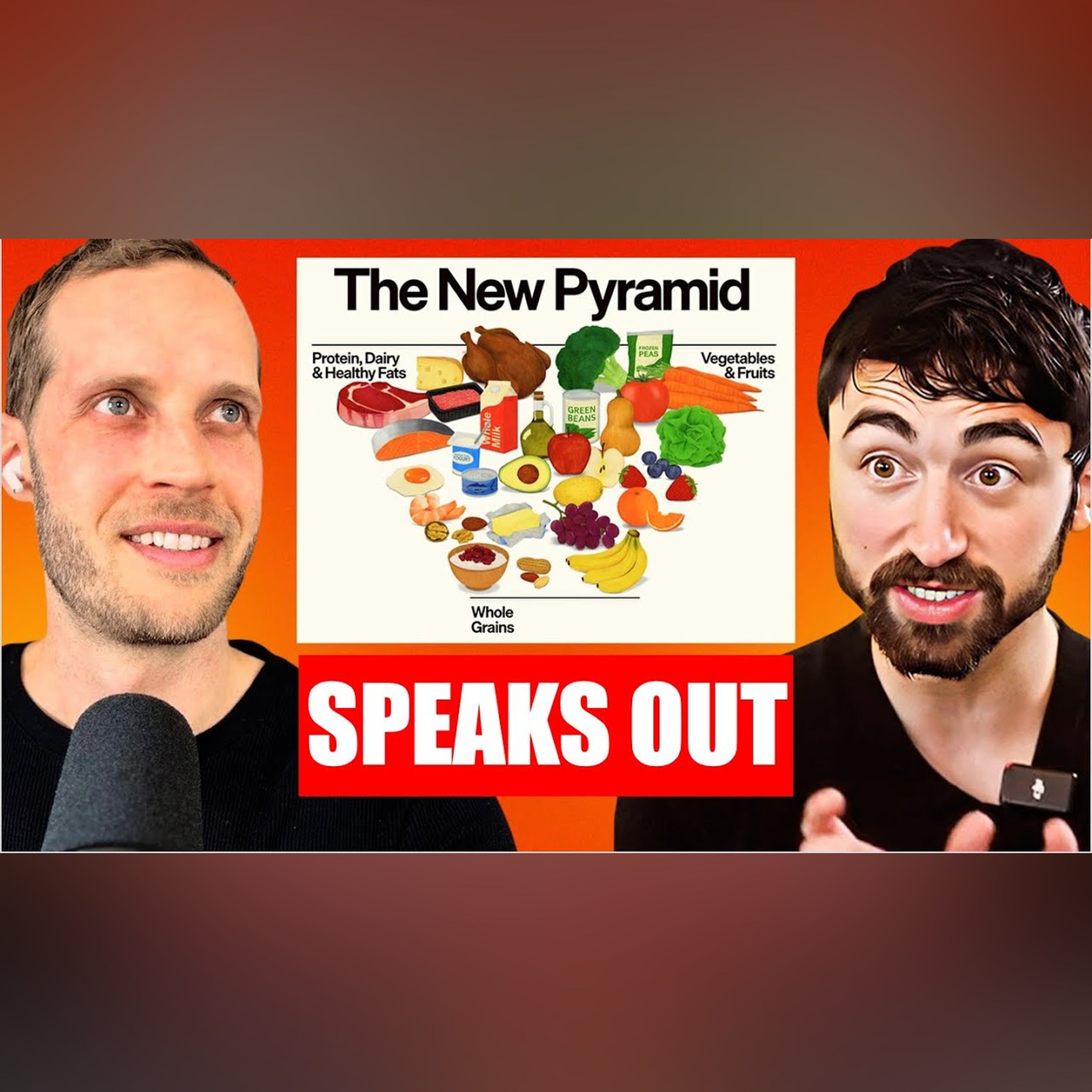
For a written digest on the guidelines, see the StayCurious Metabolism Letter: https://staycuriousmetabolism.substack.com/p/the-new-dietary-guidelines-actually?r=40ekz2 The 2025–2030 Dietary Guidelines are being marketed as a major reset with a simple message: put “real food” back at the center of the American diet. And in a lot of ways, they do represent progress. But when you actually read what’s written, some of the most important details raise real questions. For example, the document still states that saturated fat should not exceed 10% of total daily calories. To separate signal from spin, I’m joined by Dr. Ty Beal PhD, who worked on the evidence review side of the Guidelines process, to explain what the scientific background documents actually say, what happens after scientists submit reviews, and why the final public-facing document can end up with compromises, inconsistencies, or imprecise terminology. If you want a clear, good-faith breakdown—what’s genuinely better, what sti
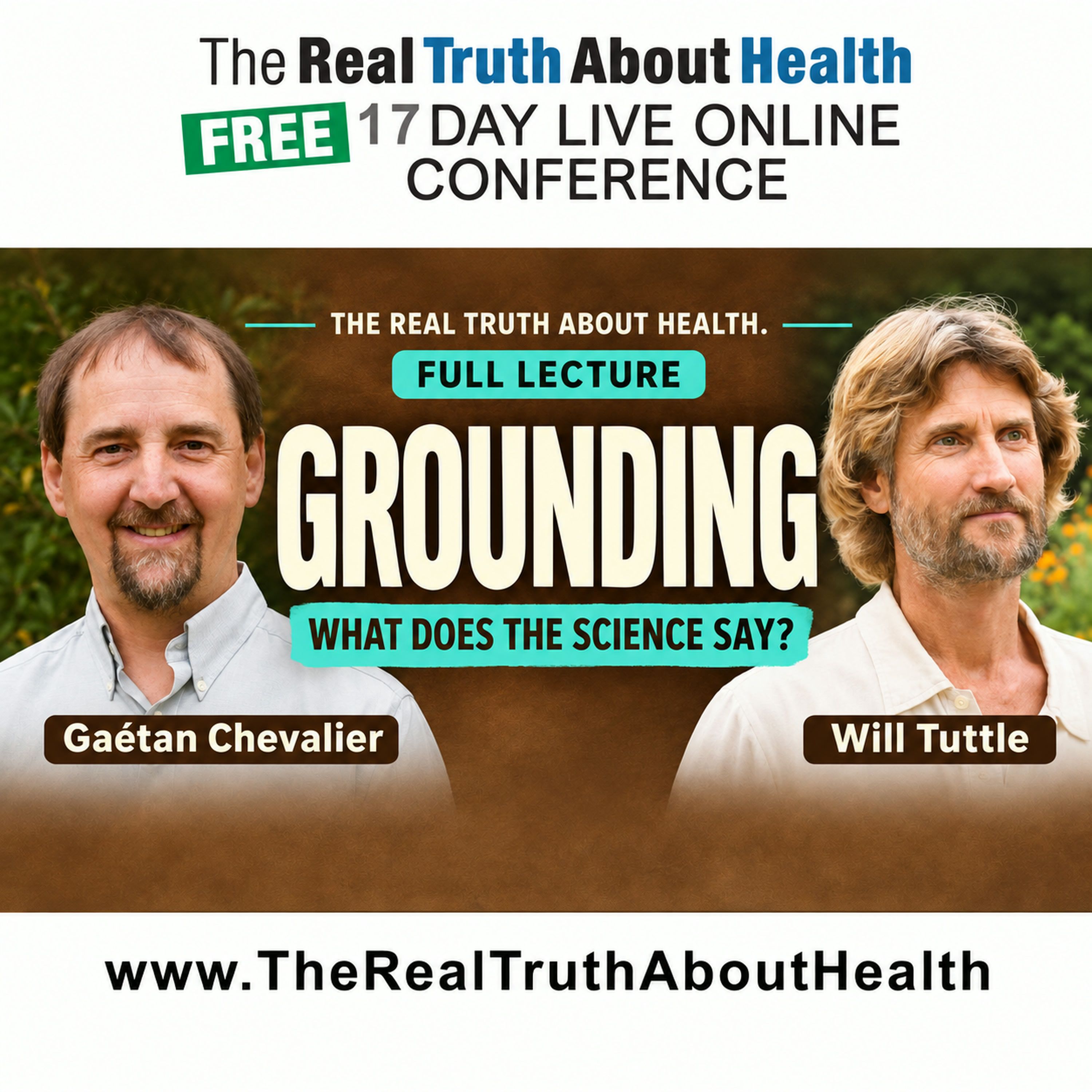
Grounding: What Does the Science Say About Potential Health Benefits? Gaétan Chevalier Ph.D. and Will Tuttle, Ph.D., explore the science and philosophy of grounding, including its potential effects on inflammation, stress, sleep, and overall wellbeing. Learn what current evidence suggests and how reconnecting with the earth may support health. #Grounding #Wellness #NaturalHealth
Featuring an interview with Prof Rakesh Popat, including the following topics: Overview of GPRC5D and its clinical significance (0:00) Key findings from Phase II TALisman study regarding dysgeusia assessment for patients receiving talquetamab (2:30) Mitigating dysgeusia and dry mouth arising from GPRC5D-directed therapy (6:25) Key findings from the Phase III MonumenTAL-3 study (11:49) Selection factors for GPRC5D- and BCMA-directed therapies (15:16) Managing extramedullary multiple myeloma (MM) with GPRC5D-targeted therapies and beyond (18:30) Key findings with arlocabtagene autoleucel (arlo-cel) for relapsed/refractory (R/R) MM (20:47) Ramantamig and other GPRC5D-targeted approaches (25:32) Comparing arlo-cel to ciltacabtagene autoleucel for MM; CNS issues with GPRC5D-directed therapies (28:42) Case: A man in his late 70s with a history of chronic obstructive pulmonary disease and t(4;14) R/R MM who receives fourth-line talquetamab and attains a very good partial response (38:27) Case
Is your body weight stable, but you're still not eating enough to properly fuel your training, recovery, and overall health? Introducing Why Stable Weight Doesn't Always Mean You're Eating Enough from Jeff Hoehn of the Mind Muscle Connection Podcast (https://www.buzzsprout.com/1508401). Just because your weight isn't changing doesn't necessarily mean you're adequately fueled. In this episode, Jeff breaks down why maintaining a stable body weight doesn't always mean you're meeting your body's energy needs, especially if you're training hard, staying lean, or spending long periods dieting. You'll learn: Why stable body weight doesn't automatically mean adequate energy availability Who is most at risk of underfueling, even when their weight isn't changing How high training output, staying too lean, and chronic dieting can contribute to low energy availability The potential signs of underfueling, including changes in performance, recovery, hormones, and menstrual health Why spending too lo
Text me what you thought of the show (https://www.buzzsprout.com/1959372/fan_mail/new) Can working night shifts affect your fertility, ovulation or IVF success? After speaking with numerous women trying to fall pregnant while working shifts, including those undergoing expensive IVF treatment, I wanted to explore what the research actually tells us. In this episode of A Healthy Shift, we discuss how night shifts, disrupted sleep and circadian misalignment may affect reproductive health. We cover: Why the fertile window is so short. Shift work, reproductive hormones and menstrual irregularities. What research says about night shifts, fertility and IVF outcomes. The roles of sleep, stress, nutrition, weight and exercise. Practical steps for women trying to conceive while working shifts. Research links shift work with menstrual irregularities, but evidence that night shifts directly cause infertility or reduce IVF success remains uncertain. If you're trying to get pregnant while working ni
A kiss can be wonderful. It can create an instant connection, spark romance, or make you feel closer to someone. But a kiss can also have the opposite effect — and sometimes ruin everything. So what makes kissing so powerful, and why can one kiss make such a difference? There's some fascinating science behind it. https://www.scientificamerican.com/article/why-we-kiss/ We spend an enormous amount of time worrying about what's going to change. What's next? What's coming? How do we prepare? But what if we're paying attention to the wrong things? Some of the most important forces shaping our lives never change, and understanding them may be far more valuable than trying to predict the future — something humans are notoriously bad at. Morgan Housel, partner at The Collaborative Fund and author of Same as Ever: A Guide to What Never Changes (https://amzn.to/3SwWn6u) (https://amzn.to/3SwWn6u)), joins me to explain why the things that stay the same may be the most important things to understan
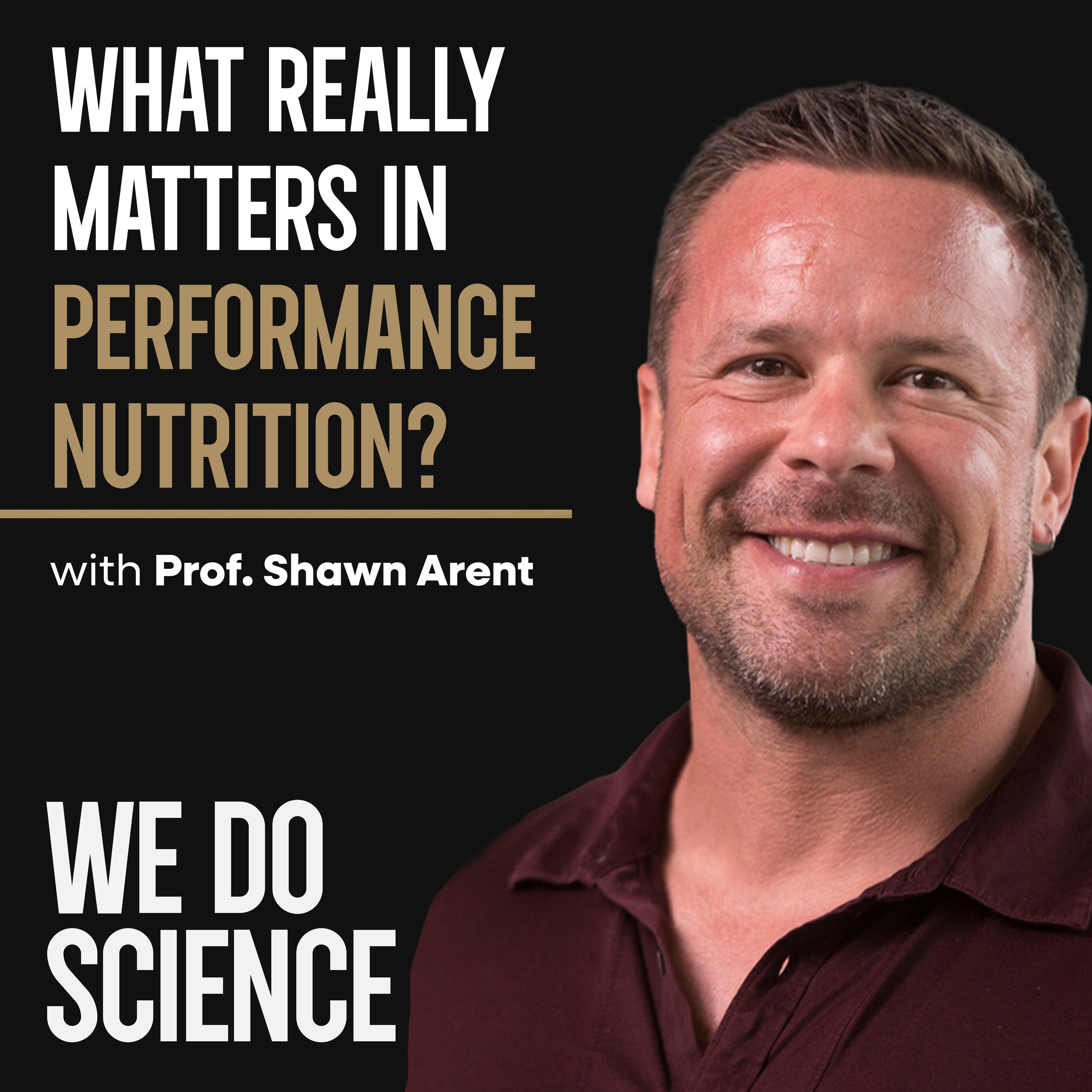
In this episode of We Do Science, I’m joined by Professor Shawn Arent to explore what still matters in performance nutrition and how to separate established scientific principles from changing trends. We discuss what has evolved in sports nutrition, which fundamentals remain important, and what matters when translating scientific evidence into real-world practice. Shawn explains why hydration, carbohydrates and protein remain central to athletic performance, while addressing common misconceptions around nutrient timing, the anabolic window and fasted training. We explore the relationship between nutrition, training stress and recovery, why individual circumstances matter, and why advice intended for the general population may not always apply to competitive athletes. We also discuss the practical challenges of working with athletes and coaches, including how to communicate scientific evidence and build effective relationships. Shawn shares insights from his experience in elite sport, e
Public sports funding should prioritize everyday participation over elite competition.
Share your view, then see how readers voted. No sign-in required. This poll is shared across stories.
Do you agree or disagree?
Common Quandary
A Common Quandary to discuss
Another conversation to explore, separate from this news story.
Would you want a doctor to give you a fake pill if the lie might make you feel better?
A patient has persistent symptoms that have not responded to standard treatments. A harmless placebo may help, but its effect could weaken if the clinician fully explains that it contains no active medicine.
Can a beneficial deception respect the person it helps?