Spermmaxxing: do ice packs and abstinence really supercharge your sperm?
45 min
Listen through the publisher, then discuss the episode here or arrange an in-person Roundtable. Your city determines where to meet.
Roundtables are designed for groups of four, with a shared subject and room for everyone to speak. Come for discussion, with no dating expectation.
Some men are taking ice packs into saunas to protect their testicles from the heat. Others are shining red lights on their groins or eating raw butter in the hope of improving their sperm. There are even organised sperm races, with competitors and spectators. Welcome to spermmaxxing, the latest online trend promising men ways to boost their sperm count and quality. It brings male fertility into the world of internet self-optimisation, where almost any part of the body can become a project. But do these techniques actually work? And what can sperm count tell someone about their chances of becoming a parent? Hosts Katie Edwards and Dan Baumgardt are joined by Michael Carroll, a reader in Reproductive Science at Manchester Metropolitan University in the UK. He helps us explore what the evidence says about sperm health, where online advice gets ahead of the science and what's really happening to global sperm counts. Hosts: Katie Edwards and Dan Baumgardt Executive Producer: Gemma Ware Editing and mixing: Anouk Millet Artwork: Alice Mason
Episode information is provided by the publisher. Listening takes place on the publisher’s service.
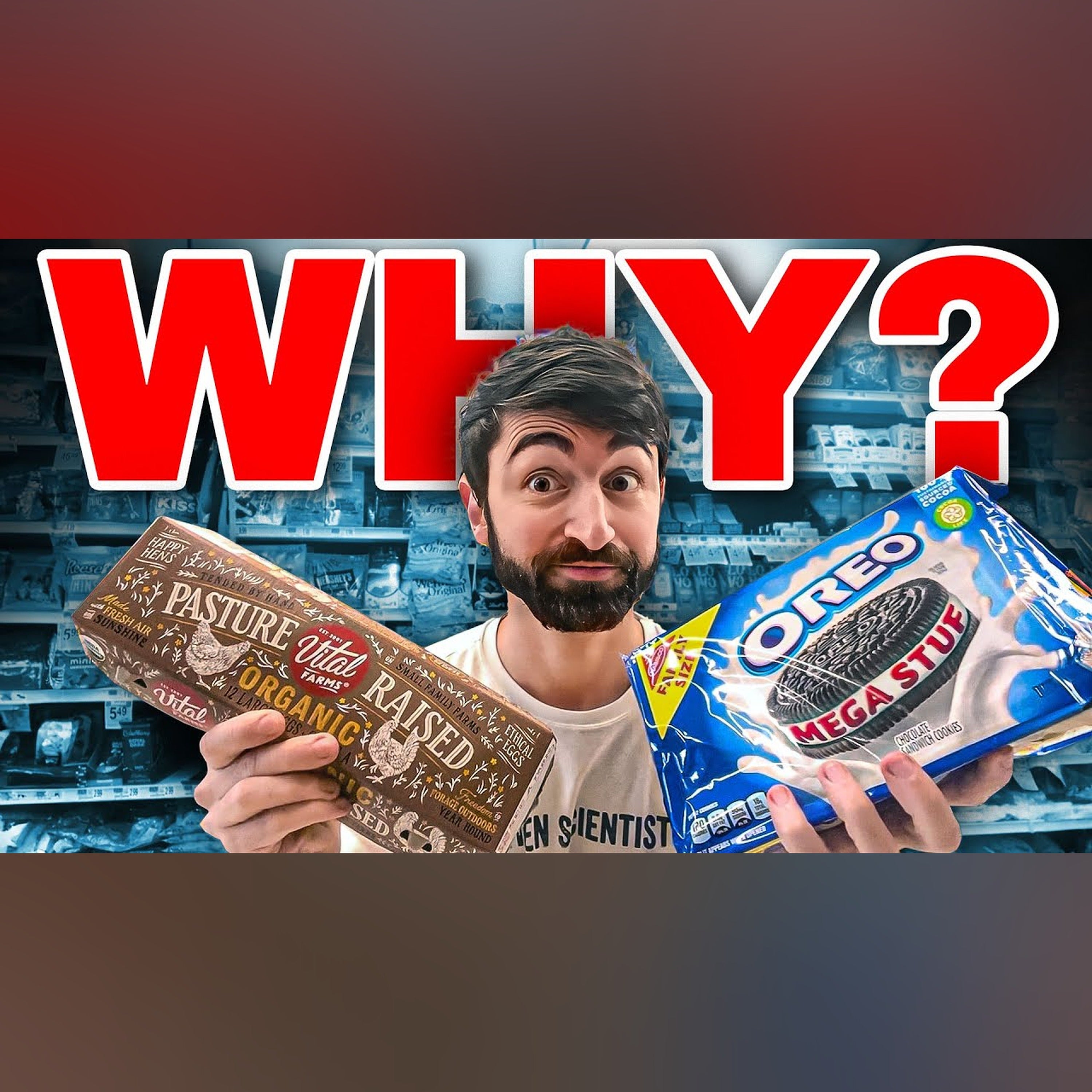
N = 1 science empowers people to become “citizen scientists,” experimenting and refining their health choices to find what works best for their own bodies. This self-application of the scientific method to one’s own metabolic health journey, if properly executed, almost guarantees long-term success. In this video, we will talk about eggs and Oreos, and I react to a new article that’s getting a low of attention. I’ll explain the “why” behind N = 1 science, and tease what’s to come. Get ready to get pumped! Chapters 0:00 – Why Eggs? Why N = 1? 1:10 – I React to News Article 2:33 – Two Parallel Objectives 5:09 – N= 1 Metabolic Health Science for Everyone 6:45 – What’s coming next, N = 2 Sheramy’s N =1 Article: https://www.theepochtimes.com/health/harvard-med-student-eats-720-eggs-in-30-days-highlighting-a-trend-in-n1-science-5735409?utm_source=partner&utm_campaign=healthnnorw (https://www.theepochtimes.com/health/harvard-med-student-eats-720-eggs-in-30-days-highlighting-a-trend-in-n1-scie
If you're training hard but feeling wiped, eating a restricted diet for your gut, or just never hungry after a tough workout, you might not be getting the protein you need. This episode breaks down how much you really need and how to get it without upsetting your gut. YOU'LL TAKEAWAY: Macronutrients and calories 101, and how restrictive diets throw off your balance How your body digests protein, and why it matters before workouts The many roles of protein, from enzymes and iron storage to post-workout appetite How much protein you need, plus 3 easy low FODMAP ways to boost it — RESOURCES & LINKS MENTIONED: ⤵️ Want high touch coaching support for IBS & fuelling performance? Apply for coaching. (http://gutfitnutrition.com/apply) Free Training: How to Control IBS So You Can Fuel Your Training Without a Lifelong Low FODMAP Diet (https://gutfitnutrition.com/heal-ibs-training-live) Supporting your immune system when you're sick (Ep. 70) (https://open.spotify.com/episode/5bCto0jWLcbC5hQW4hrH6
Keto Consult 29: This week Dr. Boz tunes in from Hawaii to talk to Jennifer Marie all about Thyroids and understanding Thyroid Problem Symptoms. A lot of times people like to point blame at the Thyroid for the cause of many symptoms but it’s important to really understand what the Thyroid is and that Thyroid Problem Symptoms are sometimes not what they seem. Furthermore, we go into all about how Keto benefits Thyroid Problem Symptoms and what’s happening when someone enters Ketosis with Thyroid Problem Symptoms. Learn more about Thyroids and Symptoms of Thyroid Problems in my Blog Here: https://bozmd.com/symptoms-of-thyroid-problems/ Thanks for tuning into my channel. Find more stories and information at my website: www.BozMD.com BOOK-LINK - ANYWAY YOU CAN. AUDIBLE: https://adbl.co/2SLLfS1 PAPERBACK= (Affilate link) https://amzn.to/2rf1fPP The most common questions I get ... 1) "Doc, what BLOOD METER do you recommend?" ANSWER: FORACARE: http://bit.ly/2QKGmKG For years my diabetics told
For the days you got through and nobody saw what it took. A quiet place this evening where it counts. About 12 minutes with Steven Webb's calm voice and music underneath. Perfect for the evening. We let the body soften, from the jaw and the eyes down to the belly, because it's been on alert all day. Then we look at what today really cost. Getting up when your body said no. Being kind to someone while you were falling apart inside. Saying "yeah, fine" because where would you even start? There's an old Zen idea I keep coming back to: a thing doesn't need to be seen to be real. The rain falls on an empty field, nobody watches, and it still soaks in. We put the day down for a minute, not away, just down, and finish with three gentle wishes. May the hard days I got through be counted. I've been paralysed a long time, and I know what it can take just to get through the day. You're not doing this on your own. Treat me to a coffee, keep the podcast free, and get my Weekly Calm every Sunday. It
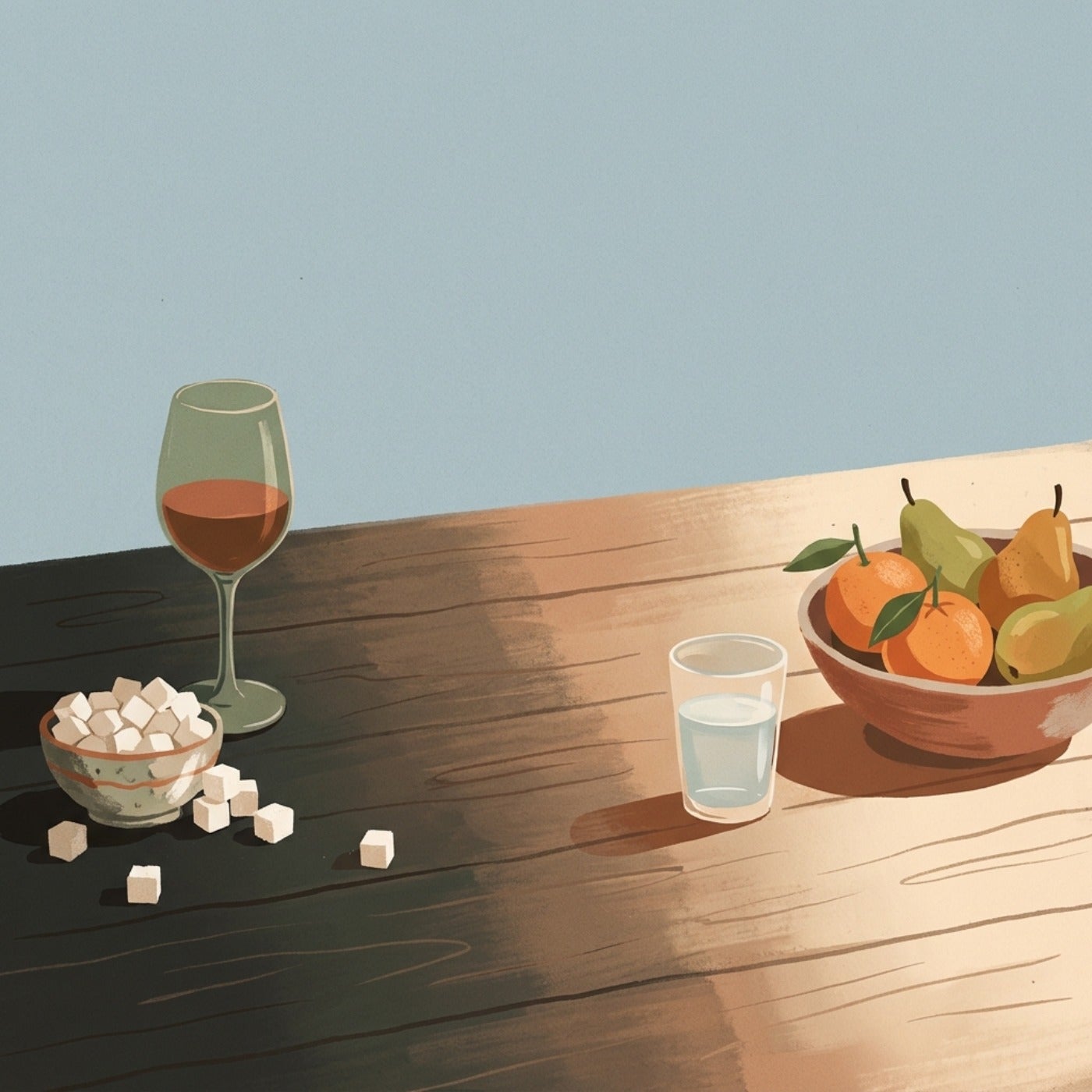
Get the 200+ Page Optimal Living Daily Workbook (PDF) - Free. Want to turn today's episode into an actionable plan? Episode 3615: Becca Shern explains why the common nutrition advice of everything in moderation may not be serving people well. She looks at how heavy marketing and social norms around sugar and alcohol make it easy to overconsume while still feeling moderate, and what the actual recommended limits are. The takeaway is that taking a critical look at what moderation really means, and setting a higher standard, can build healthier habits for ourselves and the people around us. Read along with the original article(s) here: http://minimalwellness.com/reconsideringmoderation/ Quotes to ponder: "Moderation is a squishy term." "Our consumption patterns are dramatically influenced by marketing, but they're also molded by social norms." "Setting a higher standard for ourselves helps others do the same."
Trauma and PTSD Expert Arielle Schwartz discusses how journaling and writing practices can help individuals work through trauma and facilitate healing, even without a therapist. She shares practical tips, mental models, and personal insights on trauma, shame, and post-traumatic growth. Sign up for my free Panic Attacks course https://courses.therapyinanutshell.com/ending-panic-attacks-and-anxiety-attacks Can trauma journaling help with healing trauma? In this conversation, Dr. Arielle Schwartz joins me to explore how writing and narrative therapy can support processing and integrating trauma, building self-compassion, and finding greater connection with yourself and others. Whether you’re navigating PTSD, complex PTSD, or painful experiences from your past, approaching your story can feel overwhelming. We discuss how to begin gently, build a foundation of safety, and recognize when it’s time to pause and reach for support. https://drarielleschwartz.com (https://drarielleschwartz.com/)
Collagen marshmallows are now a thing. So are collagen crisps. If neither appeals, you can stir collagen powder into your morning coffee. Social media is full of products promising to replenish the collagen we lose as we age. The claims extend beyond firmer skin and fewer wrinkles to healthier joints and improved gut health. But what happens to collagen when we eat it? And can these products persuade our bodies to make more? Hosts Katie Edwards and Dan Baumgardt are joined by Joan Chang, a collagen researcher and senior lecturer at the University of Manchester, who explains why the answer is more complicated than a scoop of powder and how collagen really works in the body. Hosts: Katie Edwards and Dan Baumgardt Executive Producer: Gemma Ware Editing and mixing: Anouk Millet Artwork: Alice Mason
Some people are so worried about sunscreen that they're swapping factor 50 for beef tallow. Coconut oil and olive oil also have their supporters in the world of homemade sunscreen. Meanwhile, other social media creators warn that conventional sunscreens contain dangerous chemicals, interfere with our hormones or prevent us from making vitamin D. So what does the science say? And what happens to your skin when you swap a tested sunscreen for something from the kitchen cupboard? Hosts Katie Edwards and Dan Baumgardt are joined by Charareh Pourzand (https://theconversation.com/profiles/charareh-pourzand-742219), a pharmacologist at the University of Bath and an expert in sunscreen. She explains what different types of ultraviolet radiation do to our skin, and how much sunscreen you really need. Hosts: Katie Edwards and Dan Baumgardt Executive Producer: Gemma Ware Editing and mixing: Anouk Millet Artwork: Alice Mason
Independent replication should normally precede major decisions based on a single study.
Share your view, then see how readers voted. No sign-in required. This poll is shared across stories.
Do you agree or disagree?
Common Quandary
A Common Quandary to discuss
Another conversation to explore, separate from this news story.
One friend is rich, one is broke, and everyone ordered differently. How do you split dinner?
A group of longtime friends traditionally divides restaurant bills equally. Their incomes have grown increasingly unequal, and one friend now declines gatherings because even their share is difficult to afford while others order without thinking about price.
When should friendship adjust for differences in wealth?