Listen through the publisher, then discuss the episode here or arrange an in-person Roundtable. Your city determines where to meet.
Roundtables are designed for groups of four, with a shared subject and room for everyone to speak. Come for discussion, with no dating expectation.
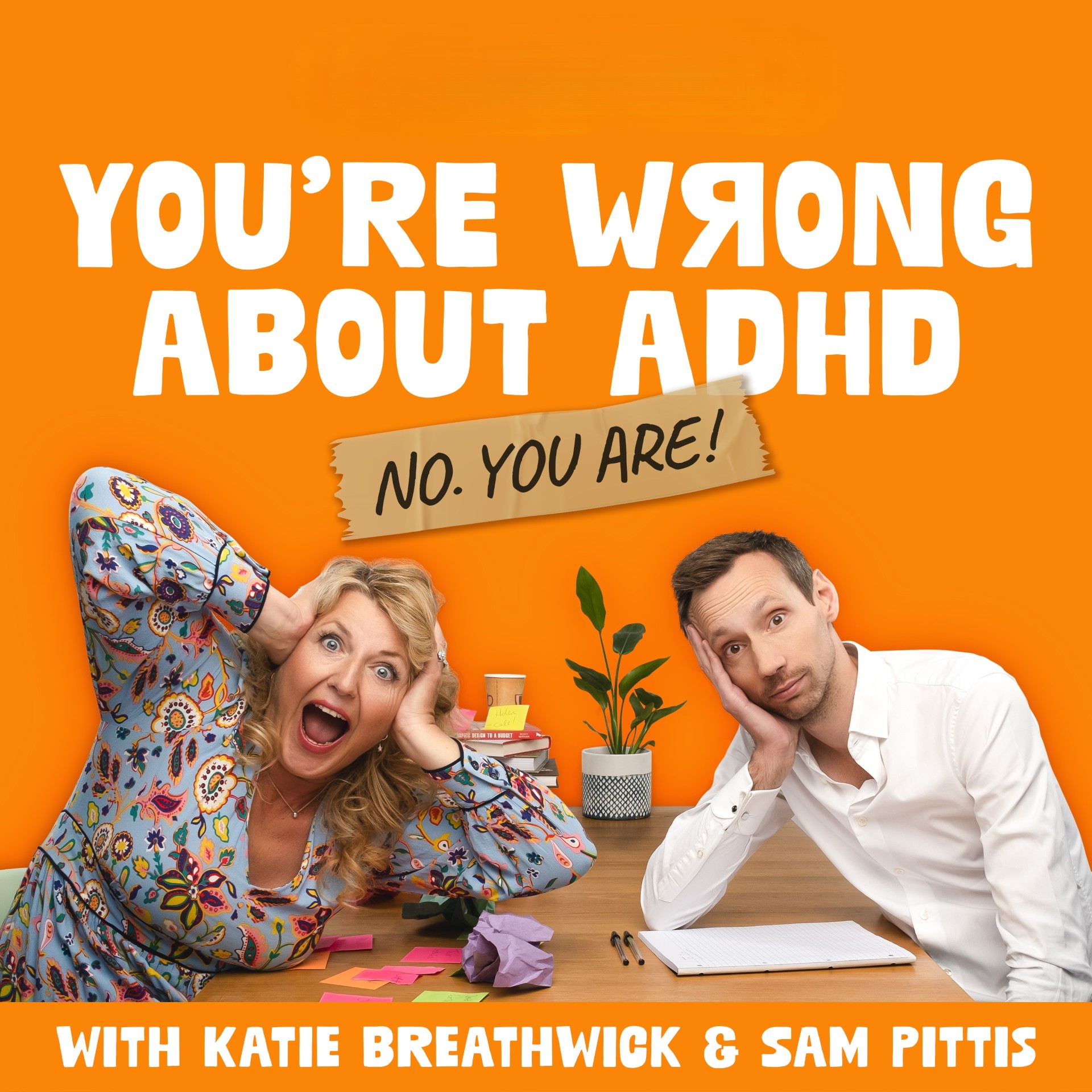
It can be really destabilising when someone you know questions or even dismisses your ADHD. Aside from being awkward and frustrating, those conversations can cause major self doubt when you've been trying so hard to manage life. In this episode, Katie and Sam speak to Kat Brown (https://www.instagram.com/katbrownwrites), author of It’s Not a Bloody Trend: Understanding Life as an ADHD Adult (https://www.katbrownwrites.com/books), about how to tackle those awkward conversations head on, without being confrontational (well, maybe a bit). Kat also talks about being diagnosed with ADHD as an adult and how she had to learn acceptance after a lifetime of feeling different. This is a really encouraging episode for anyone newly diagnosed or anyone starting to grow weary of the constant debates around ADHD. Send us your questions and stories: Instagram: @yourewrongaboutadhd TikTok: @ywaadhd.pod ▶️ YouTube: @yourewrongaboutADHD For advertising opportunities: [email protected]
Episode information is provided by the publisher. Listening takes place on the publisher’s service.
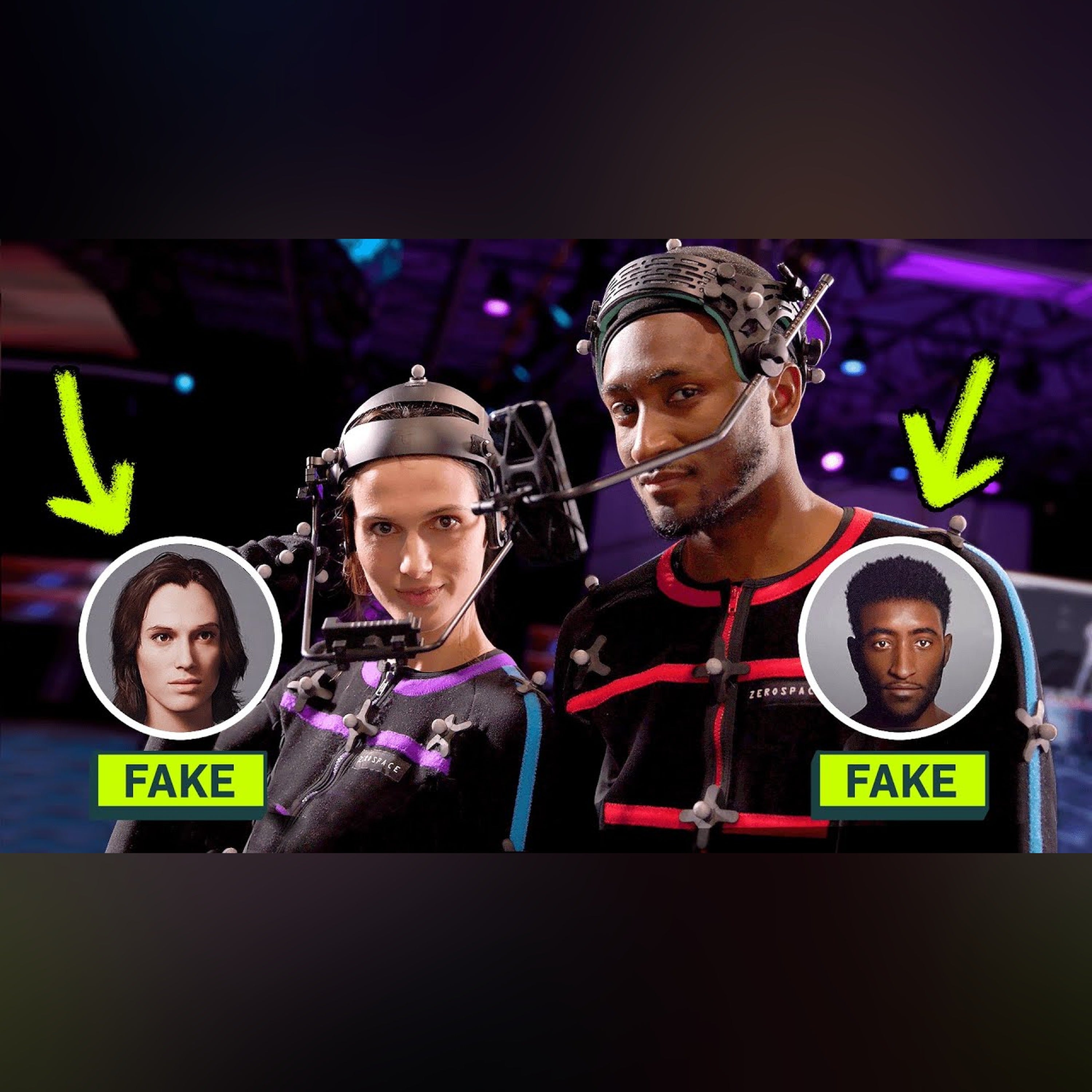
This new tech is changing how movies get made. So @mkbhd and I tested it out... Watch MKBHD's video: https://youtu.be/RM7SobH8ZO0 I’ve been obsessed with sci-fi movies since I was a kid. I love being transported to another world. But lately, I’ve been wondering: How do those worlds look so… REAL? The tech behind movies has exploded in complexity and realism, changing how stories come to life on screen. Luckily, at the same time, those tools are becoming more and more available to more people telling stories. It’s not just blockbusters like Avatar 2 or Avengers or Dune. It’s also smaller budget films like Everything Everywhere All at Once or even… YouTube creators? In this video, Marques Brownlee and I test out 3 movie-making tools that are changing how movies, shows, and maybe even YouTube videos (??) get made. We’re at ZeroSpace Studios in New York to show you how each of these crazy technologies work - and how you might be able to use them. Along the way, we hit big questions like: W
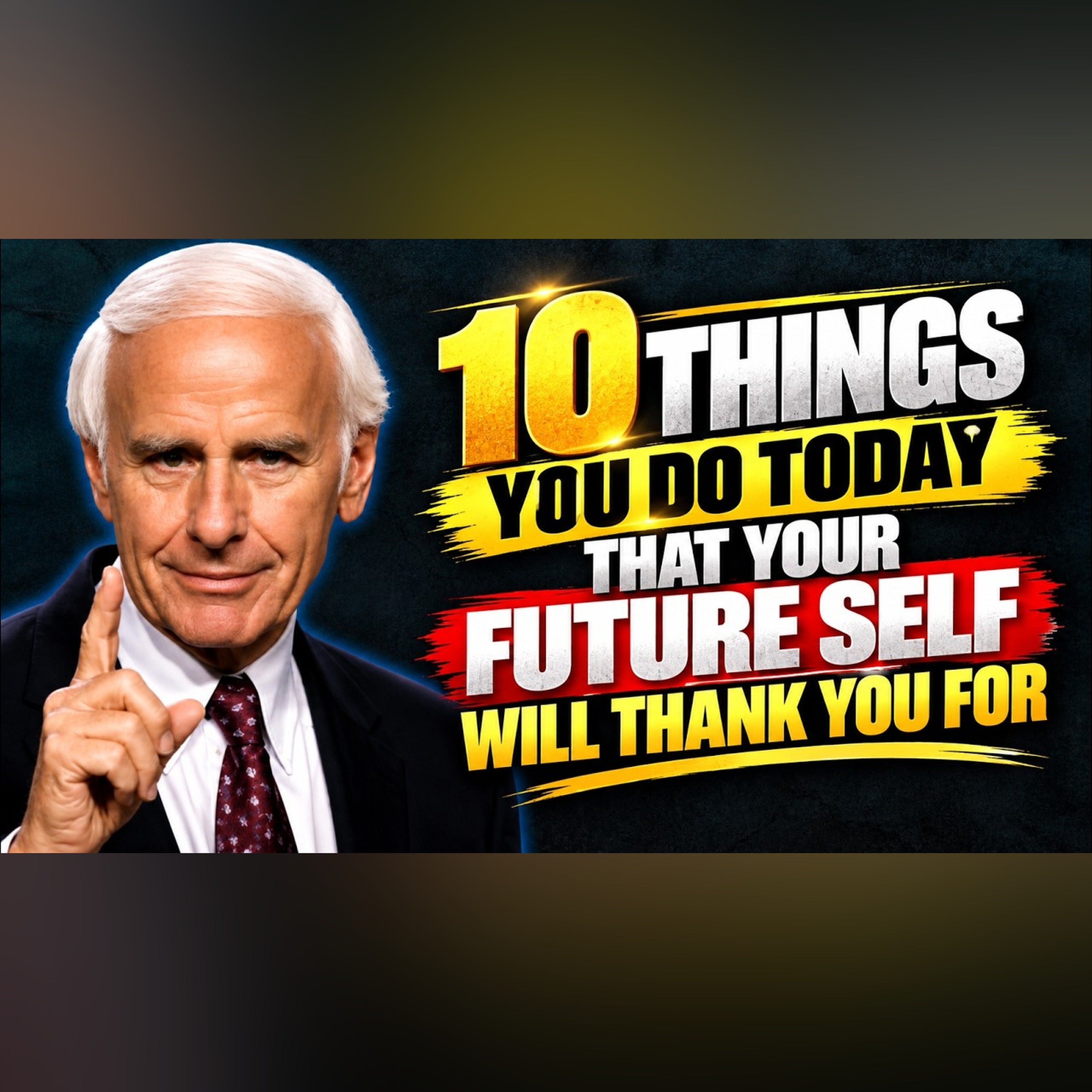
Most people never think about that person. The one waiting out there in the years ahead. They live for the week in front of them, for the feeling they want right now, and they leave the future version of themselves to clean up whatever they didn't want to deal with. Uploaded 15-10-26 Tonight I want to talk about the opposite. The small things, the ordinary things you can do today that the person you become will look back on with gratitude. Not regret. Gratitude. Here is the truth: your future is not built out of grand gestures. It is built out of what you do on a Tuesday afternoon when nobody is watching and nothing feels urgent. The future self is the sum of today's small choices, repeated. This seminar walks through 10 things you must understand about the gifts you can plant today for the person you are going to be. CHAPTERS 0:00 Intro — the person waiting for you 2:01 #1 — Move your body 4:07 #2 — Save a little money 6:37 #3 — Read every day 9:21 #4 — Say the words to the people you
A kiss can be wonderful. It can create an instant connection, spark romance, or make you feel closer to someone. But a kiss can also have the opposite effect — and sometimes ruin everything. So what makes kissing so powerful, and why can one kiss make such a difference? There's some fascinating science behind it. https://www.scientificamerican.com/article/why-we-kiss/ We spend an enormous amount of time worrying about what's going to change. What's next? What's coming? How do we prepare? But what if we're paying attention to the wrong things? Some of the most important forces shaping our lives never change, and understanding them may be far more valuable than trying to predict the future — something humans are notoriously bad at. Morgan Housel, partner at The Collaborative Fund and author of Same as Ever: A Guide to What Never Changes (https://amzn.to/3SwWn6u) (https://amzn.to/3SwWn6u)), joins me to explain why the things that stay the same may be the most important things to understan
You can learn more about CuriosityStream at https://curiositystream.com/spacetime Uploaded 01-05-19 PBS Member Stations rely on viewers like you. To support your local station, go to: http://to.pbs.org/DonateSPACE How do you take a picture of a black hole and what can we learn from it? Our first ever actual bona fide photo of a black hole, made by the Event Horizon Telescope and revealed to the world in a press conference on April 10th. Since then it’s got plenty of coverage, because … I mean look at it. It’s a freaking black hole. It’s black, it’s holey, it’s everything we hoped it would be. Now that the giddiness has subsided and I personally have stopped spending hours on end staring at a black spot, we can take a breath and actually look at the real science here and discuss exactly how a picture like this could be taken and what we can learn from it. Check out the new Space Time Merch Store! Support Space Time on Patreon Need a Black Hole Refresher #Blackhole #astrophysics #spaceti
Have you ever been so mad you wanted to learn how to fight? That is exactly what happened to a twelve-year-old boy named Cassius Clay when his shiny new red bicycle was stolen! But instead of getting into trouble, a police officer told him to channel his energy and learn how to box. That boy grew up to become the legendary Muhammad Ali! Join Mira and Finn in this exciting episode of People Are Not Boring as they uncover the true story of the greatest heavyweight champion of the world! Discover how Ali trained so hard he raced alongside yellow school buses, won an Olympic gold medal at just eighteen years old, and shocked the world by dancing around his opponents with incredibly quick feet! You will also learn about his bravery outside the boxing ring, standing up for his beliefs even when it cost him his championship title, and his epic comeback at the famous Rumble in the Jungle. Plus, find out why he loved to say he could "float like a butterfly, sting like a bee!" Tune in for a knoc
Today, Mel is doing something she's never done before on The Mel Robbins Podcast. She's bringing members of her team into the studio for live coaching with world-renowned communications expert Vinh Giang. Vinh is known for teaching millions of people online how to stop sounding insecure, speak more clearly, and get people to listen when you talk. And when you hear him coaching today, it will be like he’s coaching you. One person freezes when they're put on the spot. Another can't stop interrupting people. Someone else has great ideas but stays quiet because they're afraid of being judged. Does any of that sound familiar? And Vinh isn't just giving advice. He's coaching real people through practical exercises, right there in the studio, so you can hear the difference and start making those same changes in your own life. As Mel says, put yourself in their shoes. As Vinh works with each person, you'll recognize things you struggle with, too. You'll learn: -What to do when your mind goes b
Katie and Sam reflect on their recent interview with Professor Peter Fonagy, the man who led the independent review into mental health, ADHD and autism services in England They discuss the idea of support before diagnosis - how would this work in practice? They also look at whether it's possible to change a culture of busyness and mass communication that is fueling stress and anxiety in so many people. Can we recognise people's distress without a label and is it possible to create a system where we help people without separating them into categories? If you’ve just been diagnosed, you’re waiting for an assessment, you’re wondering whether you might have ADHD, or someone you love does, You’re Wrong About ADHD is for you. Each week, Katie and Sam explore what life with ADHD is really like, unpack the latest issues affecting ADHDers, and speak to experts who might have some of the answers. Instagram: @yourewrongaboutadhd TikTok: @ywaadhd.pod ▶️ YouTube: @yourewrongaboutADHD For advertisin
Katie and Sam speak to Professor Peter Fonagy, who led the recent independent review of mental health, autism and ADHD services in England. The headlines have been written, the dust has settled but how does the man behind the government commissioned review into ADHD think we can make life better for ADHDers? In this detailed discussion, Professor Fonagy explains how a 'needs led' system of support could reduce what he calls the 'distress' of those people who are currently waiting for an ADHD diagnosis before they can access help. They discuss, the need to take ADHD seriously and the proposal to better regulate all providers of ADHD diagnoses. Professor Fonagy also explains what the report meant when it said we are facing the risk of over diagnosis of ADHD. If recent headlines have been destabilising or you just want to know more about what ADHD actually is, then this episode has answers from the expert. Send us your questions and stories: Instagram: @yourewrongaboutadhd TikTok: @ywaadh
Katie and Sam really appreciate all your messages. Sharing your ADHD story can be so important to someone else realising they're not alone. Katie and Sam look at the importance of a support network to help manage your ADHD. They also discuss how to create a non judgemental environment to support a loved one struggling with the effects of their own ADHD. This episode also covers advocating for children when you're seeking an ADHD diagnosis (sometimes you really have to push it with the Doctor and the school). Katie raises the issue of body doubling, particularly for students when it's hard to get work done. If you’ve just been diagnosed, you’re waiting for an assessment, you’re wondering whether you might have ADHD, or someone you love does, You’re Wrong About ADHD is for you. Each week, Katie and Sam explore what life with ADHD is really like, unpack the latest issues affecting ADHDers, and speak to experts who might have some of the answers. Instagram: @yourewrongaboutadhd TikTok: @yw
Athletes should have more influence over schedules affecting their health.
Share your view, then see how readers voted. No sign-in required. This poll is shared across stories.
Do you agree or disagree?
Common Quandary
A Common Quandary to discuss
Another conversation to explore, separate from this news story.
Your new television goes on sale elsewhere. Can you return it and buy the identical one cheaper?
A week after buying a television, another store offers the same model for much less. Your retailer refuses to match the price but allows unopened-looking returns. You could carefully repack the perfectly functional set.
Is a generous return policy permission to reverse a deal for any reason?