Sweet Surprise: The Science of Sucralose will leave your head Spinning
10 min
Listen through the publisher, then discuss the episode here or arrange an in-person Roundtable. Your city determines where to meet.
Roundtables are designed for groups of four, with a shared subject and room for everyone to speak. Come for discussion, with no dating expectation.
Paper: https://www.cell.com/cell-metabolism/pdf/S1550-4131(20)30057-7.pdf Dosing used in primary experiment: 7 beverages over ~2 weeks each containing 0.06 g sucralose (0 Kcal) vs 30.38 g sucrose (120 Kcal) vs or 0.06 g sucralose and 31.83 g of the non-sweet carbohydrate maltodextrin (120Kcal). If there are 12 mg sucralose in a single packet of Splenda, then it's equivalent to ~2.5 Splenda packs per day (or 5 packs [5 * 0.012 = 0.06], every other day) for 2 weeks. Chapters 0:00 – Introduction 0:35 – Study: RCT on Sucralose (zero calorie sweetener) 1:26 – Researchers’ uncoupling hypothesis was wrong 1:37 – So What? Real World Applications. 2:40 – Caveats 2:58 – More SHOCKING Data! 4:16 – Brain activity findings 4:38 – Nick’s remaining questions Twitter breakdown of the data: https://x.com/nicknorwitz/status/1807018727482737120 Prior video on Sucralose: https://youtu.be/44qM9VtNAjc Ketochow: https://ketochow.xyz (https://ketochow.xyz/) I’m not a partner. But they have some good products, along with a CORE line without sucralose that uses stevia. I’ve used Ketchow infrequently during particularly busy clinical rotations in medical school when proper meals were difficult to obtain. No hospital pizza and cookies for me. And, to be honest, even hospital eggs kinda’ suck.)
Episode information is provided by the publisher. Listening takes place on the publisher’s service.
Does your relationship feel like home, or does it feel like standing on the edge of something you might lose? In Part 3 of our Relationship Anxiety series, clinical hypnotherapist and former paramedic Martin Hewlett guides you through the process of teaching your nervous system that love doesn't have to hurt to be real. We explore the physical manifestations of anxiety—the tight chest, the 2:00 AM racing mind, and the "stomach drop" when a text takes too long—and provide the tools to "turn down the alarm" of your internal survival response. If you are ready to stop "cherry-picking" evidence of disaster and start building a foundation of trust, this session is for you. In This Episode, We Cover: The Science of Safety: Understanding how your nervous system confuses love with danger. Guided Visualization: A journey into your own "safe room" where you are already enough. Rewiring the Brain: Moving from worst-case disaster reels to the reality of small, daily kindnesses. Breaking the Cycle:
Fall asleep to this quiet science story. A Boring Science For Sleep episode about How Mitochondria Power the Cells in Your Body. How Mitochondria Power the Cells in Your Body Settle in for a quiet exploration of How Mitochondria Power the Cells in Your Body. This episode follows The folded inner membrane; Cold sucrose and pigeon muscle; From sugar to spinning rotor; A theory tested in Cornwall; A living restless network. Listen closely or let the details drift past. Chapters 00:00:00 How Mitochondria Power the Cells in Your Body 01:32:12 Broom Making and the Binding of Broomcorn 04:03:10 Rubber Erasers and the Mixing of a Soft Compound If you enjoy this quiet science bedtime pace, you might also like Nature Documentary for Sleep (https://open.spotify.com/show/6Jcyoklmz2GdNGdCcNyQes) on Spotify — same quiet rhythm, different night.
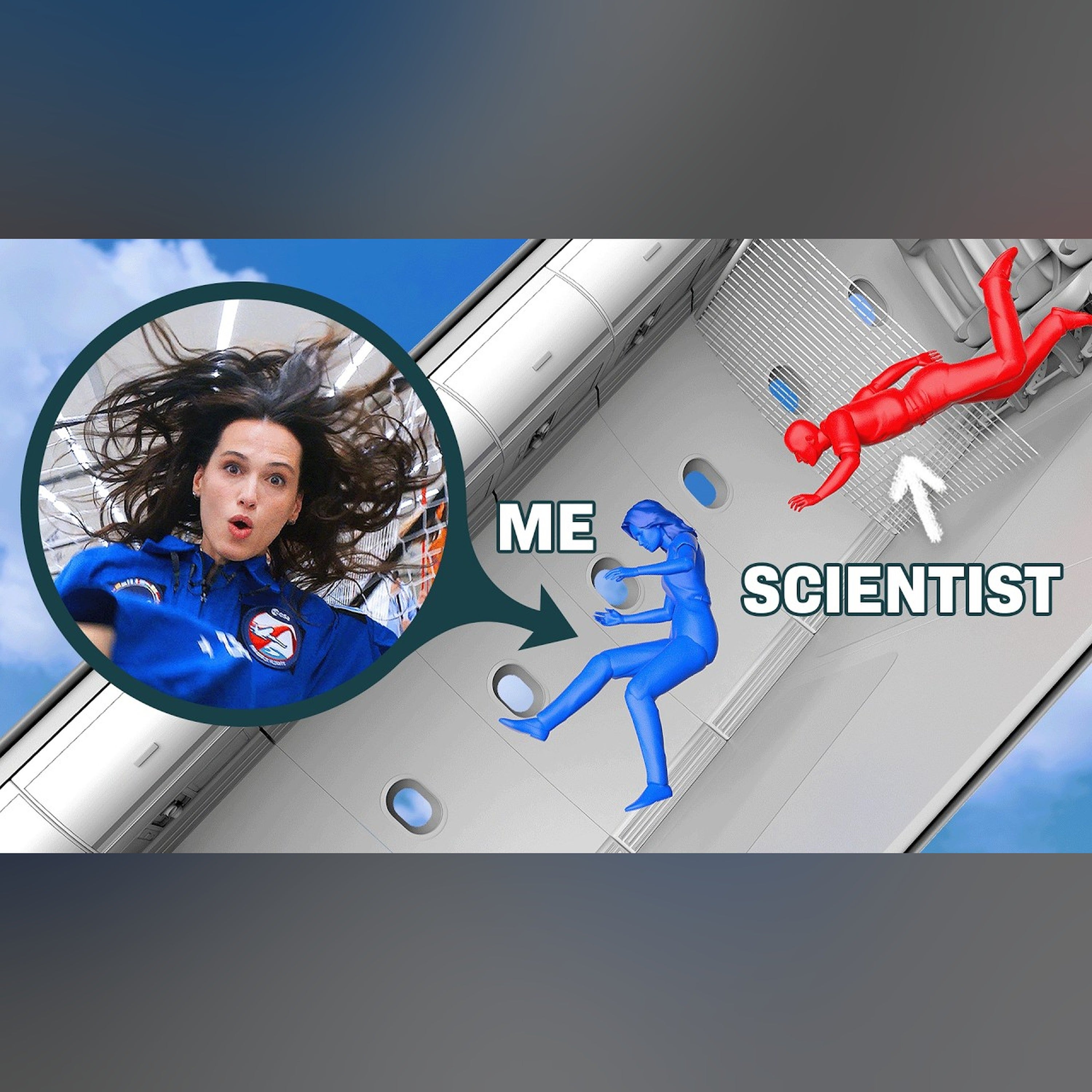
I tested 5 wild experiments in a zero gravity plane... Listen with me on Audible at https://www.audible.com/cleo I'm scanning my brain inside a plane that’s about to DIVE toward the ground… to test how weightlessness helps or hurts your brain. And it’s just one of the 5 crazy science experiments I got to test inside a Zero G plane. I recently went on this Zero G plane to explain a big debate about gravity, and while I was there, I also got exclusive access to experiments that can ONLY happen in zero gravity. I just knew you’d love to see it. So, in this extended cut, I’m going to give you a rare glimpse inside this falling laboratory and show you how the experiments they’re doing could be huge if true… Chapters: 0:00 What happens to your brain in space? 0:32 Why scientists want to fall from the sky 1:10 How do zero gravity planes work? 1:56 Experiment 1 3:58 Experiment 2 5:28 Experiment 3 7:23 Experiment 4 8:50 Experiment 5 10:27 Why these experiments are huge if true You can find me o
In this week's Podcast: I’ve just pumped out a 300kg barrel of honey and at the bottom was a thick, granulated layer of sugary goodness. It got me thinking about why honey granulates, the science behind it all, why that’s a good thing and how, we beekeepers, can use it to our advantage. Hi, I’m Stewart Spinks, welcome to Episode 418 of my podcast, Beekeeping Short and Sweet. References: Manikis, I., & Thrasivoulou, A. (2001). The relation of physicochemical characteristics of honey and the crystallization rate. Apiacta, 36(2), 106–112. Escuredo, O., Míguez, M., Fernández-González, M., & Seijo, M. C. (2014). Nutritional value and antioxidant activity of honeys produced in a European Atlantic area. Food Chemistry, 154, 44–51. Venir, E., Spaziani, M., & Maltini, E. (2010). Crystallization in “Tarassaco” (Dandelion) Italian honey studied by DSC. Food Chemistry, 122(2), 410–415. Krishnan, R., Mohammed, T., Kumar, G. S., & Arunima, S. H. (2021). Honey crystallization: Mechanism, evaluation a
Download a free audiobook version of "Ingredients" and support TED-Ed's nonprofit mission: https://www.audible.com/ted-ed Uploaded 14-04-20 -- Aphids can reproduce incredibly fast: they can make 20 new generations within a single season. And that means lots of poop. Some aphid populations can produce hundreds of kilograms of poop per acre— making them some of the most prolific poopers on the planet. We know this poop as the sweet, syrupy liquid called honeydew. George Zaidan explores the wonderfully weird life of an aphid. Lesson by George Zaidan, directed by Hype CG. Support Our Non-Profit Mission ---------------------------------------------- Support us on Patreon: http://bit.ly/TEDEdPatreon Check out our merch: http://bit.ly/TEDEDShop ---------------------------------------------- Connect With Us ---------------------------------------------- Sign up for our newsletter: http://bit.ly/TEDEdNewsletter Find us on Twitter: http://bit.ly/TEDEdTwitter Peep us on Instagram: http://bit.ly/T
View pictures and support us on Patreon(https://www.patreon.com/user?u=73787379) This episode examines documented black bear encounters involving hikers, hunters, campers, homeowners, and backcountry workers. These incidents range from surprise encounters and defensive attacks to prolonged confrontations where bears returned repeatedly, testing human endurance, decision-making, and survival instincts.Black bears are often described as shy or non-aggressive, but these cases reveal how quickly circumstances can change when food sources, cubs, human behavior, or environmental pressure collide. Each story is carefully researched and presented to highlight what went wrong, what saved lives, and what these encounters reveal about black bear behavior in the wild.
Microplastics in my Heart Letter: https://staycuriousmetabolism.substack.com/p/microplastics-in-my-heart-its-worse?r=40ekz2 Stanford Fiber RCT, Letter https://staycuriousmetabolism.substack.com/p/fiber-is-good-for-you-is-lazy-science?r=40ekz2 Microbiome Reset, Letter https://staycuriousmetabolism.substack.com/p/how-im-rebuilding-my-microbiomeafter?r=40ekz2 Description: Microplastics are everywhere—in our food, water, and inside our bodies—and avoiding them completely is nearly impossible. In this conversation, I sit down with Dr. Matthew Dunn PhD, a molecular biologist working at the intersection of biotechnology and human health, to unpack what the science actually says about microplastics and how they may be linked to cardiovascular disease, reproductive health issues, and gut inflammation We break down the landmark human data, the animal and cellular studies that help explain possible mechanisms, and dissect the state of the data. We also explore a potential inside-out solution: usi
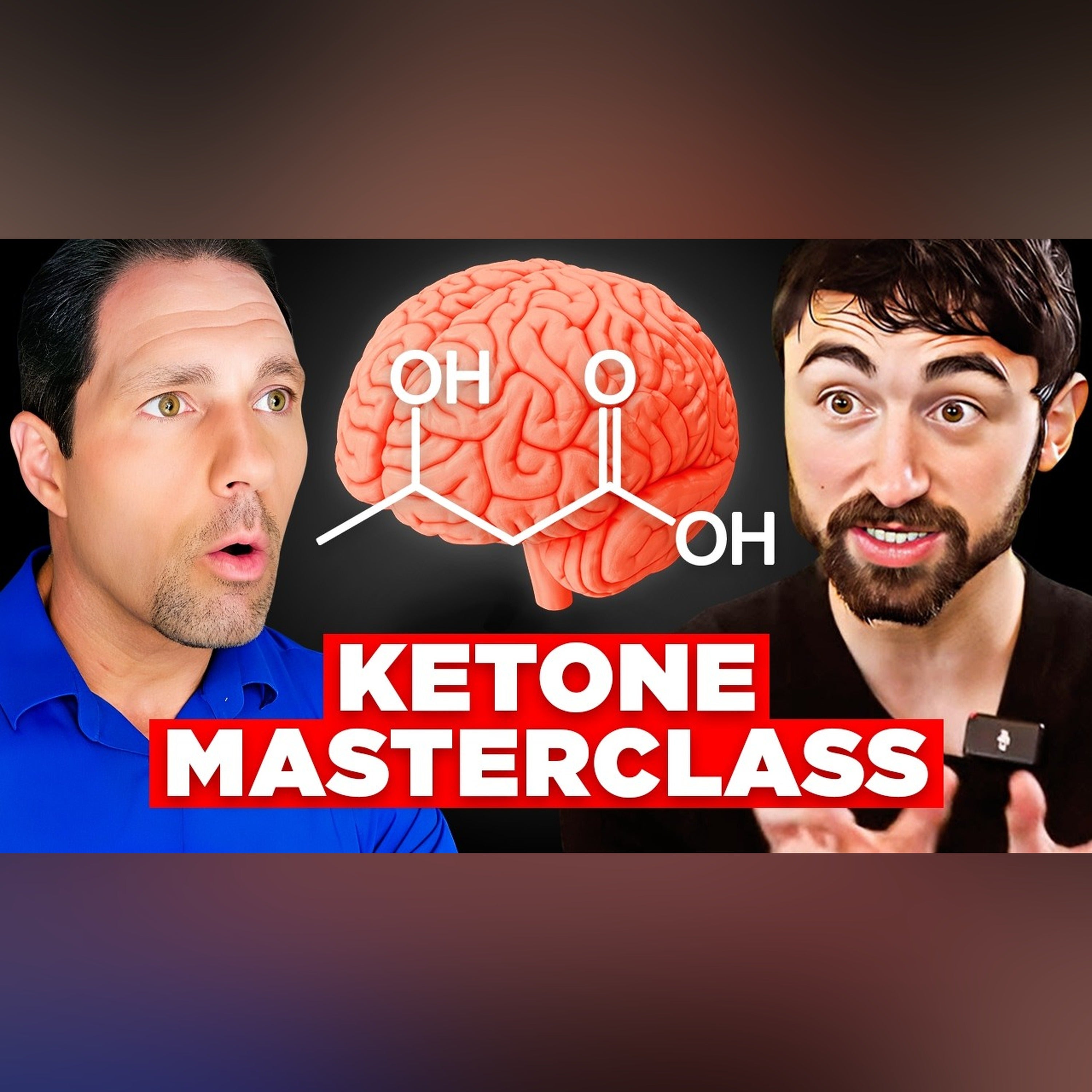
In this conversation, I sit down with Professor Dom D’Agostino, one of the world’s leading experts on metabolic therapies, ketosis, and exogenous ketones. We dive deep into the science of ketone esters, MCT oils, and 1,3-butanediol, breaking down how these compounds affect the brain, liver, and mitochondria. If you’ve ever wondered what ketone supplements actually do, this interview cuts through hype with hard data, clinical context, and self-experimentation. Mitochondrial Migration (Adapt) Video: https://youtu.be/R9x5Y57HuoA 0:00 – Ketones Can Rescue the Brain from Hypoglycemia 2:00 – The Self-Experiment That Changed Dom’s Career 5:00 – Ketones as a Lifeline in Severe Hypoglycemia 8:15 – Ketone Esters Explained: Forms, Effects, and Risks 16:10 – What Are MCTs and How They Boost Ketones 18:00 – The Story of MCT Oil and Alzheimer’s Disease 27:40 – Polyunsaturated Fats (PUFAs) and Ketone Production 33:00 – Ketone Salts: Benefits, Risks, and Misconceptions 36:00 – The Hidden Dangers of 1,
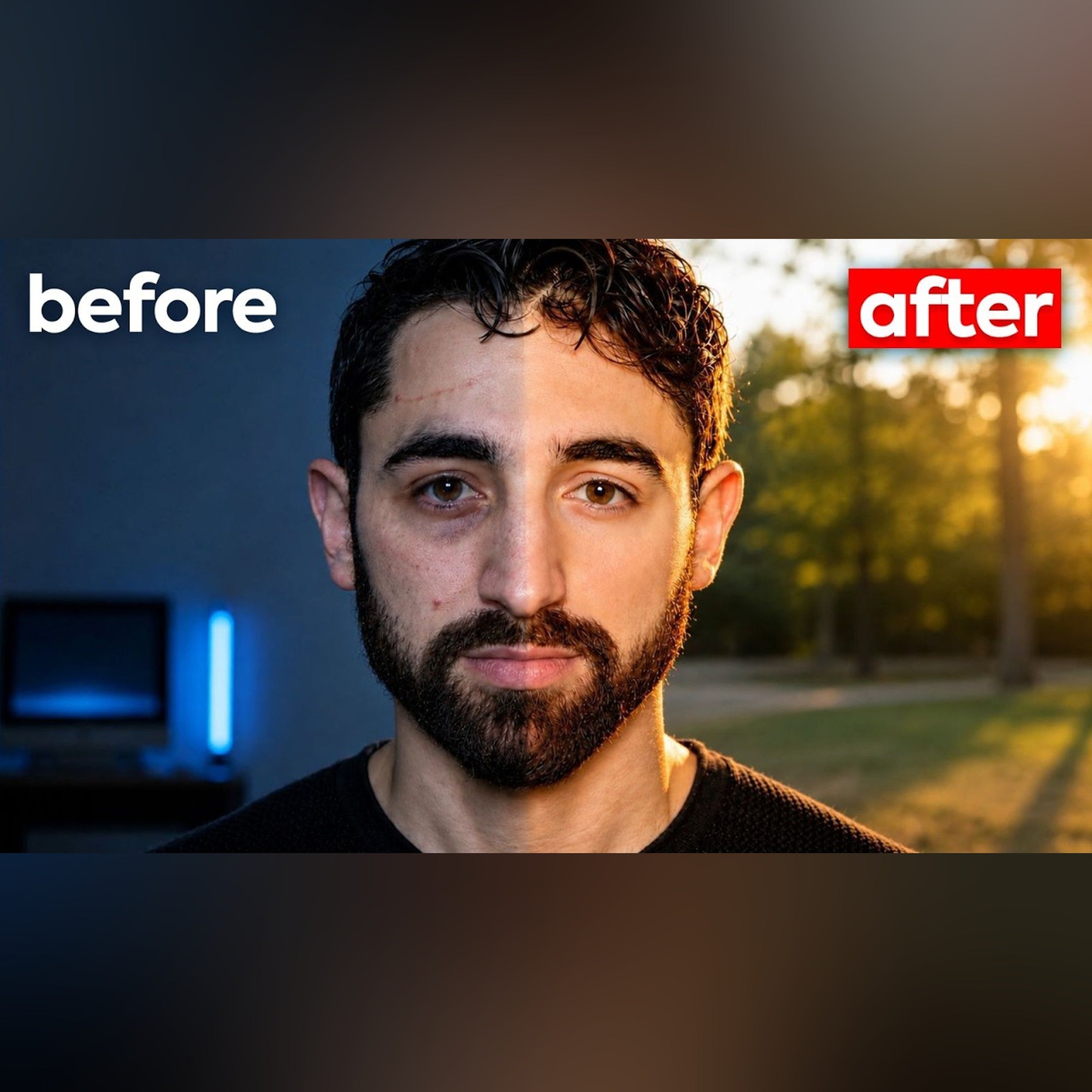
For extra nuances and all the references, please see the newsletter: https://staycuriousmetabolism.substack.com/p/how-i-hacked-my-girlfriends-brainwith?r=40ekz2&utm_campaign=post&utm_medium=web&triedRedirect=true (https://staycuriousmetabolism.substack.com/p/how-i-hacked-my-girlfriends-brainwith?r=40ekz2&triedRedirect=true) Can light influence attraction, hormones, and even reproductive biology? In this video, we explore surprising research on light exposure, testosterone, estrogen, fertility signals, and behavioral changes observed in both animal models and human studies. From hormone cascades triggered through the skin to seasonal changes in reproductive biology, this is a fascinating look at how deeply light may shape human physiology. Along the way, I also test whether increasing my own sunlight exposure changes my testosterone levels and reveal how my girlfriend hacked my brain! For more nuance, mechanisms, protocols, and limitations behind these findings, check out the full deep
Patients should be told clearly when treatment benefits are modest or uncertain.
Share your view, then see how readers voted. No sign-in required. This poll is shared across stories.
Do you agree or disagree?
Common Quandary
A Common Quandary to discuss
Another conversation to explore, separate from this news story.
Everyone clicks through mandatory training without reading it. May you do the same?
Your employer requires an hour-long annual course whose answers have not changed in years. Coworkers run it in the background and share the quiz answers. Completing it carefully would make you late for actual work with a deadline.
When does pointless compliance excuse pretending to comply?