English-language podcasts

Nick Norwitz MD PhD - Metabolic Health & Longevity

The 20-Year-Old Cholesterol Study Everyone Missed
26 min

Listen through the publisher, then discuss the episode here or arrange an in-person Roundtable. Your city determines where to meet.

Roundtables are designed for groups of four, with a shared subject and room for everyone to speak. Come for discussion, with no dating expectation.

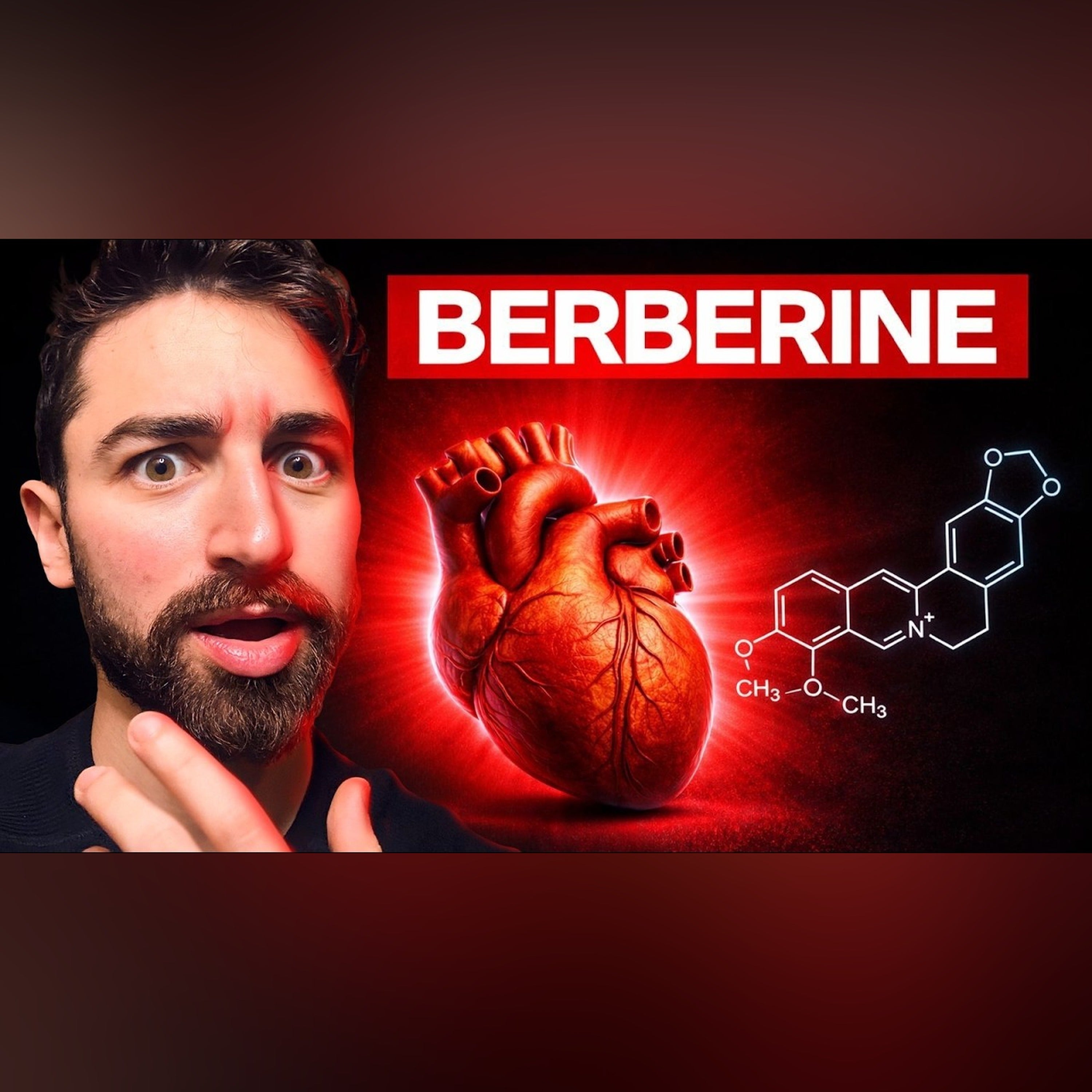
For extra nuances, all the references and early access to data like these, see the best-selling science letter: https://staycuriousmetabolism.substack.com/p/how-berberine-lowers-cholesterol?r=40ekz2 In this video, we unpack the stunning mechanism behind berberine, the yellow plant alkaloid that increases LDL receptors not by starving the liver of cholesterol, but by stabilizing the blueprint that cells use to builds them. It’s a twist in human biochemistry that reshaped how I think about cholesterol manipulation — and it might reshape how you do too. Then I’ll take you inside my own high-stakes N=1 experiment Hundred Health Link: https://www.hundred.com/STAYCURIOUS Discount Code: STAYCURIOUS50 knocks $50 off membership As a scientific advisor at Hundred Health, I candidly hold a small equity stake in the company. I’ve chosen to partner with Hundred Health because I genuinely believe it has the potential to be a disruptive force for good in personalized healthcare. It’s a tool unlike anything else currently on the market. Here’s how it works: Hundred Health’s AI integrates your biodata, questionnaire responses, health priorities, and medical records (aggregated from over 400 EMRs). It then uses this foundation to interrogate the scientific literature and generate a personalized health protocol. That protocol is stress-tested through multiple AI “judges” to ensure robustness and validity and continued evolution. The entire rationale and referencing process is transparent—and we’re continually working to evolve this platform from a powerful tool into something that could transform the future of healthcare. That’s the audacious goal. And with this team, I believe it’s within reach. Whether you’re an early adopter or plan to join later, this is something I’d feel confident recommending to a loved one. I think it can truly help. Referenced Content: Statins and GLP-1 Letter: https://staycuriousmetabolism.substack.com/p/this-study-should-have-changed-medicineno?r=40ekz2 Statins and Mitochondrial Health Letter: https://staycuriousmetabolism.substack.com/p/the-mitochondrial-cost-of-statins?r=40ekz2 Breaking Into Statins Video: https://youtu.be/cX7qzj4qazg Lipid Energy Model Paper: https://pubmed.ncbi.nlm.nih.gov/35629964/ Chapters 0:00 – Intro: Berberine vs Statins 1:24 – Roadmap to this Video 2:09 – Chapter 1, How Statins Work 4:32 – The Very Real Downsides of Statins 5:20 – Chapter 2, The Berberine Paradox 9:21 – Chapter 3, Berberine Randomized Controlled Trial 11:13 – Chapter 4, Statin vs Berberine Mechanisms 13:35 – Chapter 5, My Next Big Experiment 17:37 – Chapter 6, Why I Wasn’t Told Common Question: How Does Hundred Health Compare to Function Health? Since I know I’ll be asked — I figured I’d write out the answer to this question prophylactically: How does HundredHealth compare to Function Health? Let me start by saying I have nothing personal against Function. In fact, I’m generally a big supporter of companies trying to empower individuals with access to their own health data. That’s a mission I believe in. That said, here’s where I think Function falls short: Actionability. They run a battery of tests and return results. But when it comes to translating those results into meaningful, individualized protocols? In my view, that’s their real weak spot. I’ve reviewed a number of Function protocols and suggestions from colleagues and friends, and to be blunt, they’ve been disappointing. For example: Recommending cashews to lower lipoprotein(a). Cashews are unlikely to impact Lp(a). But were there an impact, it would be more likely to be to increase Lp(a). It appears to me the action steps are boilerplate recommendations post-hoc rationalized by appending biomarkers outside the normal range. In fairness, they now have a notification in their terms and conditions that Function AI “may make mistakes.” So, I look

Episode information is provided by the publisher. Listening takes place on the publisher’s service.

Listen at the source ↗

Featured places to meet in Palo Alto, CA

Explore these places and arrange a conversation through ThinkMatch.

City guide for Palo Alto, CA

More from Nick Norwitz MD PhD - Metabolic Health & Longevity

Nick Norwitz MD PhD - Metabolic Health & Longevity

This New Invention Blocks Microplastics

52 min

Microplastics in my Heart Letter: https://staycuriousmetabolism.substack.com/p/microplastics-in-my-heart-its-worse?r=40ekz2 Stanford Fiber RCT, Letter https://staycuriousmetabolism.substack.com/p/fiber-is-good-for-you-is-lazy-science?r=40ekz2 Microbiome Reset, Letter https://staycuriousmetabolism.substack.com/p/how-im-rebuilding-my-microbiomeafter?r=40ekz2 Description: Microplastics are everywhere—in our food, water, and inside our bodies—and avoiding them completely is nearly impossible. In this conversation, I sit down with Dr. Matthew Dunn PhD, a molecular biologist working at the intersection of biotechnology and human health, to unpack what the science actually says about microplastics and how they may be linked to cardiovascular disease, reproductive health issues, and gut inflammation We break down the landmark human data, the animal and cellular studies that help explain possible mechanisms, and dissect the state of the data. We also explore a potential inside-out solution: usi

Discuss this episode

Nick Norwitz MD PhD - Metabolic Health & Longevity

The Truth About Ketone Supplements | ft' Professor Dominic D’Agostino

60 min

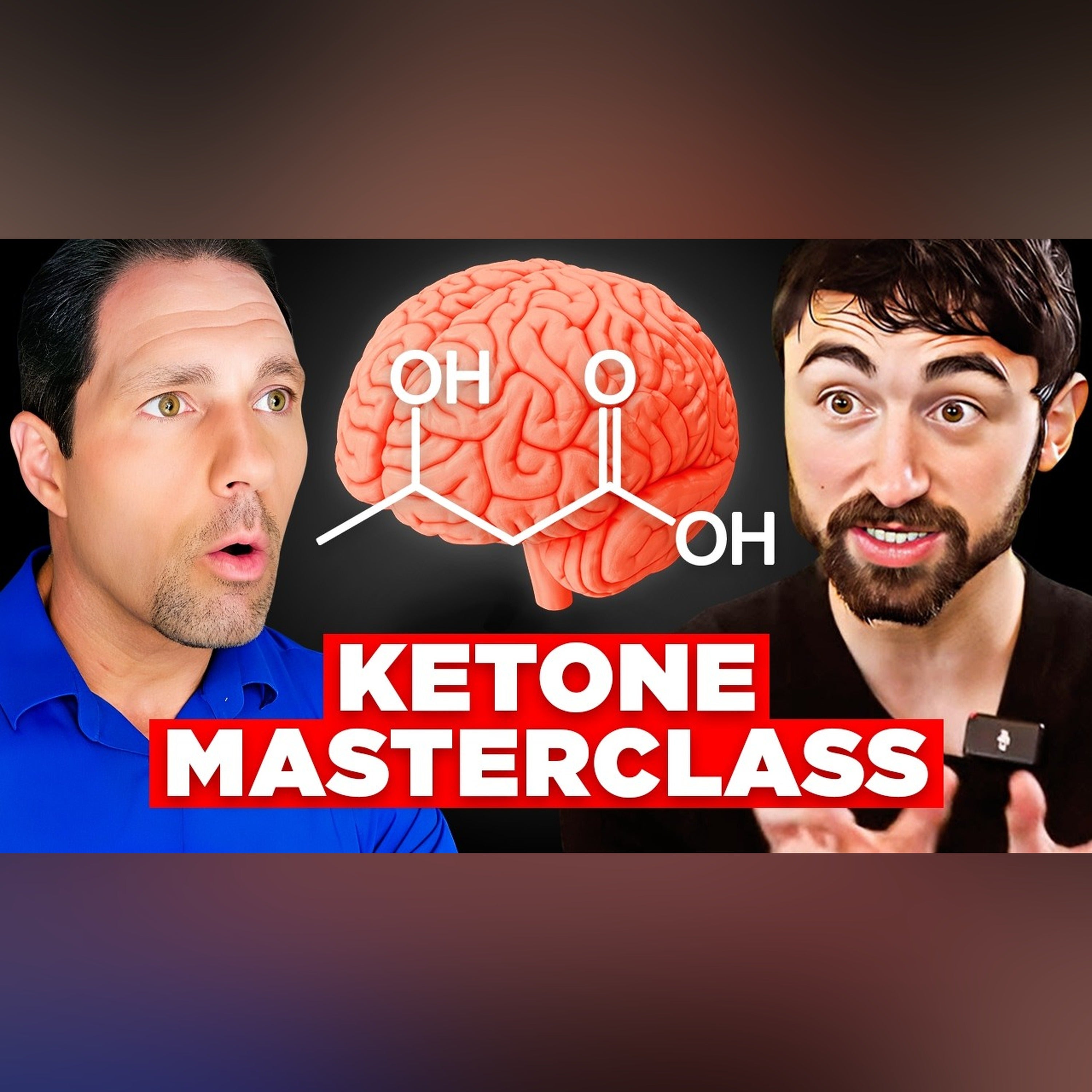
In this conversation, I sit down with Professor Dom D’Agostino, one of the world’s leading experts on metabolic therapies, ketosis, and exogenous ketones. We dive deep into the science of ketone esters, MCT oils, and 1,3-butanediol, breaking down how these compounds affect the brain, liver, and mitochondria. If you’ve ever wondered what ketone supplements actually do, this interview cuts through hype with hard data, clinical context, and self-experimentation. Mitochondrial Migration (Adapt) Video: https://youtu.be/R9x5Y57HuoA 0:00 – Ketones Can Rescue the Brain from Hypoglycemia 2:00 – The Self-Experiment That Changed Dom’s Career 5:00 – Ketones as a Lifeline in Severe Hypoglycemia 8:15 – Ketone Esters Explained: Forms, Effects, and Risks 16:10 – What Are MCTs and How They Boost Ketones 18:00 – The Story of MCT Oil and Alzheimer’s Disease 27:40 – Polyunsaturated Fats (PUFAs) and Ketone Production 33:00 – Ketone Salts: Benefits, Risks, and Misconceptions 36:00 – The Hidden Dangers of 1,

Discuss this episode

Nick Norwitz MD PhD - Metabolic Health & Longevity

Sunlight LooksMaxxing (Backed by Science)

22 min

For extra nuances and all the references, please see the newsletter: https://staycuriousmetabolism.substack.com/p/how-i-hacked-my-girlfriends-brainwith?r=40ekz2&utm_campaign=post&utm_medium=web&triedRedirect=true (https://staycuriousmetabolism.substack.com/p/how-i-hacked-my-girlfriends-brainwith?r=40ekz2&triedRedirect=true) Can light influence attraction, hormones, and even reproductive biology? In this video, we explore surprising research on light exposure, testosterone, estrogen, fertility signals, and behavioral changes observed in both animal models and human studies. From hormone cascades triggered through the skin to seasonal changes in reproductive biology, this is a fascinating look at how deeply light may shape human physiology. Along the way, I also test whether increasing my own sunlight exposure changes my testosterone levels and reveal how my girlfriend hacked my brain! For more nuance, mechanisms, protocols, and limitations behind these findings, check out the full deep

Discuss this episode

Community Poll

Customers' prepaid orders should receive special protection when a business fails.

Share your view, then see how readers voted. No sign-in required. This poll is shared across stories.

Do you agree or disagree?

Choose one answer

Common Quandary

A Common Quandary to discuss

Another conversation to explore, separate from this news story.

The restaurant forgot your expensive entrée. Do you point it out?

After a crowded dinner, you notice the restaurant omitted your most expensive entrée from the bill. Service was slow, the server seemed overwhelmed, and correcting it may create trouble for the person who made the mistake.

Does protecting someone from consequences ever justify benefiting from their error?

Explore this quandary