Listen through the publisher, then discuss the episode here or arrange an in-person Roundtable. Your city determines where to meet.
Roundtables are designed for groups of four, with a shared subject and room for everyone to speak. Come for discussion, with no dating expectation.
Discover how a Mayo Clinic physician beat a stage-four lymphoma diagnosis at age twenty-six and survived a four-minute cardiac flatline. In this powerful episode, Dr. Dawn Mussallem joins Dan Buettner to break down the hard science behind longevity, radical acceptance, and daily resilience. Learn why increasing dietary fiber and embracing plant-based proteins can dramatically alter health outcomes, how ancient healing wisdom aligns with modern clinical evidence, and why a strong sense of community and purpose remains our most potent medicine. Whether you are looking to optimize your metabolic health, navigate major life adversity, or simply understand the biological mechanisms driving a longer, healthier life, this conversation offers actionable wisdom straight from the front lines of integrative medicine.
Episode information is provided by the publisher. Listening takes place on the publisher’s service.
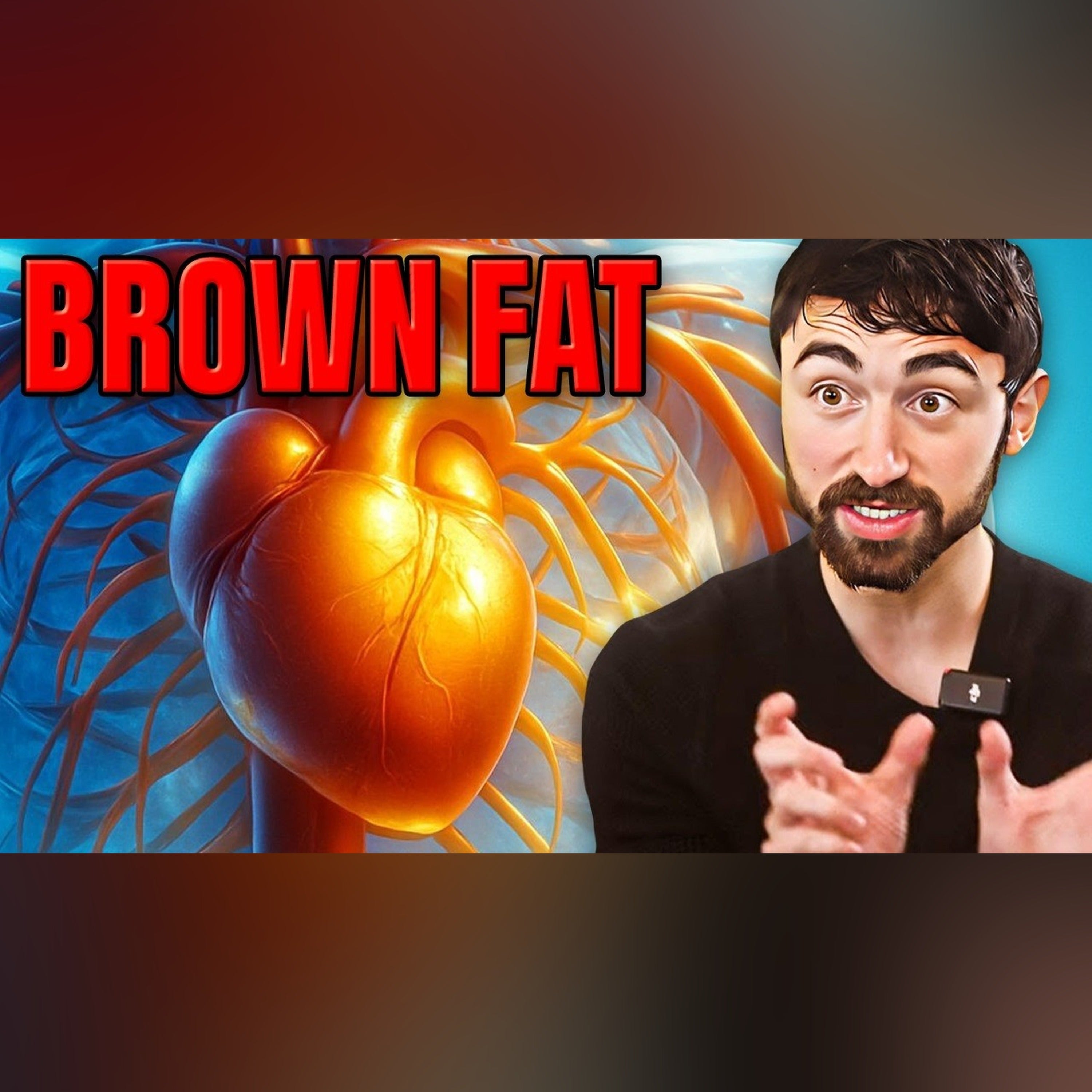
For all references and a written breakdown, see the associated StayCurious Metabolism Newsletter: https://staycuriousmetabolism.substack.com/p/the-fat-derived-hormone-that-could?r=40ekz2 Exciting new research in 2025 suggests that a fat-derived hormone called 12,13-diHOME may help to reverse age-related decline in cardiac function and slowing heart aging. The best part? You can boost it naturally — not with drugs or supplements, but with a simple lifestyle intervention that’s accessible today. In this video, we break down the latest metabolic health and longevity science on how this lipid hormone made by brown fat cells declines with age, how that hormonal drop contributes to cardiovascular aging, and what evidence-based lifestyle interventions can increase 12,13-diHOME to more youthful levels. If you care about heart health, reversing aging, and boosting metabolic resilience, this is essential science you should know. CHAPTER *Call our service line at 815-STAY-CUR (815-782-9287) or vi
Activate your feminine energy with this 11-minute guided meditation designed to help you reconnect with your intuition, softness, and inner strength. Whether you’re feeling disconnected, overwhelmed, or out of balance, this practice will guide you gently back to your natural feminine essence — a place of grace, love, and magnetic presence. Through mindful breathwork, affirmations, and gentle visualization, you'll awaken the qualities of receptivity, compassion, and divine flow within you. This is more than a meditation — it’s a spiritual reset, a chance to return to the beauty of who you are. Perfect to start or end your day, or anytime you need to recharge your feminine power. Put on your headphones, close your eyes, and allow yourself to receive. You are worthy. You are powerful. You are radiant. #FeminineEnergy #GuidedMeditation #DivineFeminine #MeditationForWomen #Empowerment #11MinuteMeditation #FemininePower #HealingMeditation #InnerGoddess #SelfLove feminine energy guided medita
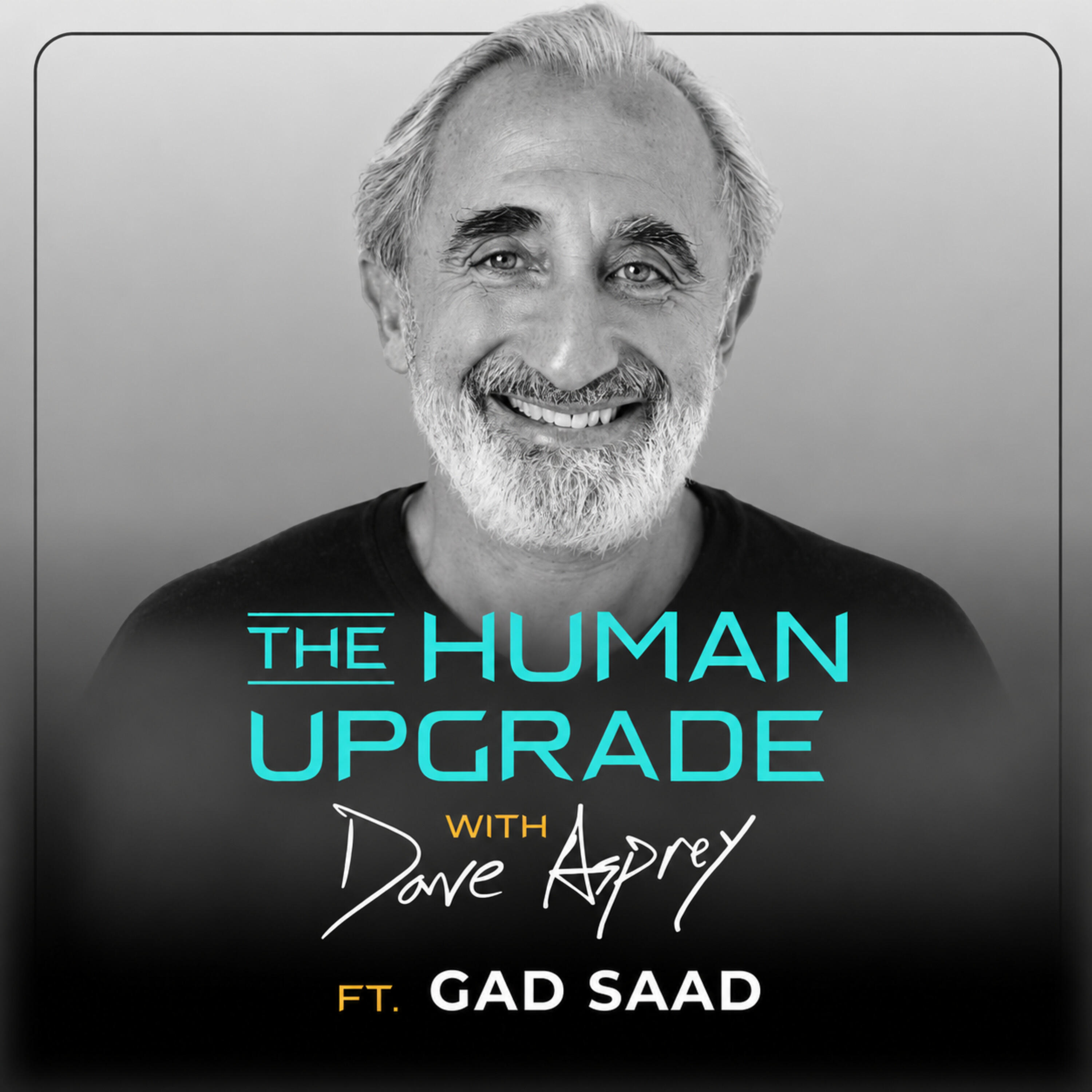
We're bringing back one of our most fascinating conversations about happiness, human behavior, and the evolutionary forces that shape nearly every decision you make. This episode was too good not to share again! Today you'll meet Gad Saad, PhD, evolutionary behavioral scientist, professor of marketing at Concordia University's John Molson School of Business, and author of The Saad Truth About Happiness: Eight Secrets for Leading the Good Life. What if the reason you're unhappy has less to do with your circumstances and more to do with the ancient biological programming running your brain? Dr. Saad studies how evolution influences human behavior, from the partners we choose and the careers we pursue to our desire for status, pleasure, and social connection. His research offers a fascinating explanation for why modern life can leave us feeling unfulfilled, even when we have more comfort, convenience, and opportunity than ever before. In this conversation, Dave and Gad explore the evoluti
From ancient sundials to modern atomic timekeepers, the history of clocks reveals how human societies have measured time with growing precision. Early mechanical clocks in the Northern Hemisphere adopted a clockwise motion to mirror the sweep of sundial shadows across the sky, while exceptions such as Prague's 16th-century Jewish Town Hall clock and La Paz's modified legislative clock demonstrate cultural and regional variations. Practical timekeeping milestones include Levi Hutchins's 1787 4:00 a.m. alarm clock, Antoine Redier's 1847 adjustable alarm patent, and the November 18, 1883 establishment of four North American standard time zones to replace chaotic local solar times across towns and railroads. Precision timekeeping spans from monumental pendulums to quantum-scale oscillators. London's Great Clock in Elizabeth Tower relies on a two-second pendulum regulated with pre-decimal pennies to adjust its daily rate by two-fifths of a second, whereas cesium-133 atomic clocks define the
Trauma and PTSD Expert Arielle Schwartz discusses how journaling and writing practices can help individuals work through trauma and facilitate healing, even without a therapist. She shares practical tips, mental models, and personal insights on trauma, shame, and post-traumatic growth. Sign up for my free Panic Attacks course https://courses.therapyinanutshell.com/ending-panic-attacks-and-anxiety-attacks Can trauma journaling help with healing trauma? In this conversation, Dr. Arielle Schwartz joins me to explore how writing and narrative therapy can support processing and integrating trauma, building self-compassion, and finding greater connection with yourself and others. Whether you’re navigating PTSD, complex PTSD, or painful experiences from your past, approaching your story can feel overwhelming. We discuss how to begin gently, build a foundation of safety, and recognize when it’s time to pause and reach for support. https://drarielleschwartz.com (https://drarielleschwartz.com/)
Your child can pass the eye chart and still miss what’s right in front of them. Here’s why. Optometrist Dr. Meenal Agarwal explains why 20/20 eyesight doesn’t tell the whole story. Vision is a brain-driven process, and when the brain stops prioritizing the periphery, kids can look at a scene without perceiving it. She also shares the milestone delays she was seeing in her clinic long before Covid. LIKE this video if you found the conversation helpful. COMMENT below with your biggest question or concern about your child’s screen time and vision. Follow Dr. Meenal Agarwal: Website: https://www.drmeenal.com/ Instagram: https://www.instagram.com/dr.meenalagarwal/ YouTube: https://www.youtube.com/@UncoverYourEyeswithDr.Meenal LinkedIn: https://www.linkedin.com/in/dr-meenal-agarwal-9732a260 Resources : Stuck in a Flat World (book): https://www.drmeenal.com/stuck-in-a-flat-world/ Uncover Your Eyes podcast: https://podcasts.apple.com/us/podcast/uncover-your-eyes-the-truth-about-health-and-well
Dr. Dean Ornish joins Dan Buettner to reveal how lifestyle interventions can actually reverse chronic conditions like heart disease and early Alzheimer's. Backed by decades of landmark clinical research and Medicare reimbursement, Dr. Ornish challenges conventional pharmaceutical models and explores the power of a plant-based diet, stress management, and deep social intimacy. Discover why it's never too late to transform your biological age, rewrite the rules of modern medicine, and harness daily habits that unlock true longevity.
Harvard epidemiologist Dr. Walter Willett joins Dan Buettner to unpack over 40 years of groundbreaking research tracking 300,000 lives. Together, they shatter persistent nutritional myths surrounding the low-fat craze of the 1980s, the truth about seed oils, and why the war on carbohydrates missed the mark. Discover how daily habits, community environments, and smart food choices—including Dr. Willett's famous 72-cent lunch—impact your long-term health. Whether you want to beat the odds of type 2 diabetes, understand the reality of red meat, or learn how local communities can reverse national health trends, this episode delivers actionable science to help you live to 100.
Adults should generally be free to accept personal risks that do not substantially harm others.
Share your view, then see how readers voted. No sign-in required. This poll is shared across stories.
Do you agree or disagree?
Common Quandary
A Common Quandary to discuss
Another conversation to explore, separate from this news story.
Your friend spent five years writing a terrible novel. What do you say?
A close friend asks for your candid opinion of a novel they have spent five years writing. You find it confusing and unlikely to be published, but writing it has given them purpose during a difficult period.
Is kindness sometimes a reason to withhold an honest judgment?