Listen through the publisher, then discuss the episode here or arrange an in-person Roundtable. Your city determines where to meet.
Roundtables are designed for groups of four, with a shared subject and room for everyone to speak. Come for discussion, with no dating expectation.
Harvard epidemiologist Dr. Walter Willett joins Dan Buettner to unpack over 40 years of groundbreaking research tracking 300,000 lives. Together, they shatter persistent nutritional myths surrounding the low-fat craze of the 1980s, the truth about seed oils, and why the war on carbohydrates missed the mark. Discover how daily habits, community environments, and smart food choices—including Dr. Willett's famous 72-cent lunch—impact your long-term health. Whether you want to beat the odds of type 2 diabetes, understand the reality of red meat, or learn how local communities can reverse national health trends, this episode delivers actionable science to help you live to 100.
Episode information is provided by the publisher. Listening takes place on the publisher’s service.
Welcome to another insightful episode of the Lisa podcast! Today’s episode features an inspiring conversation with Stephanie McKibban, an experienced coach who brings a wealth of practical wisdom from both her personal journey and ten-plus years of coaching. Together, Stephanie and Lisa dive deep into breaking the myths around maintenance nutrition, the realities of body changes with age, and why sustainable habits are more important than ever—especially for women navigating life transitions like menopause. Tune in for real talk on overcoming perfectionism, the underestimated power of maintaining (instead of just dieting), actionable meal-prep hacks, and building resilience, both in and out of the gym. This episode is a must-listen for every woman striving for a healthy, balanced life that feels as good as it looks. Timestamp Overview: 00:00 – Introduction & Stephanie’s Backstory 00:52 – Transition from Corporate to Coaching & Personal Growth 02:00 – Changing Paths: From Health Insuran
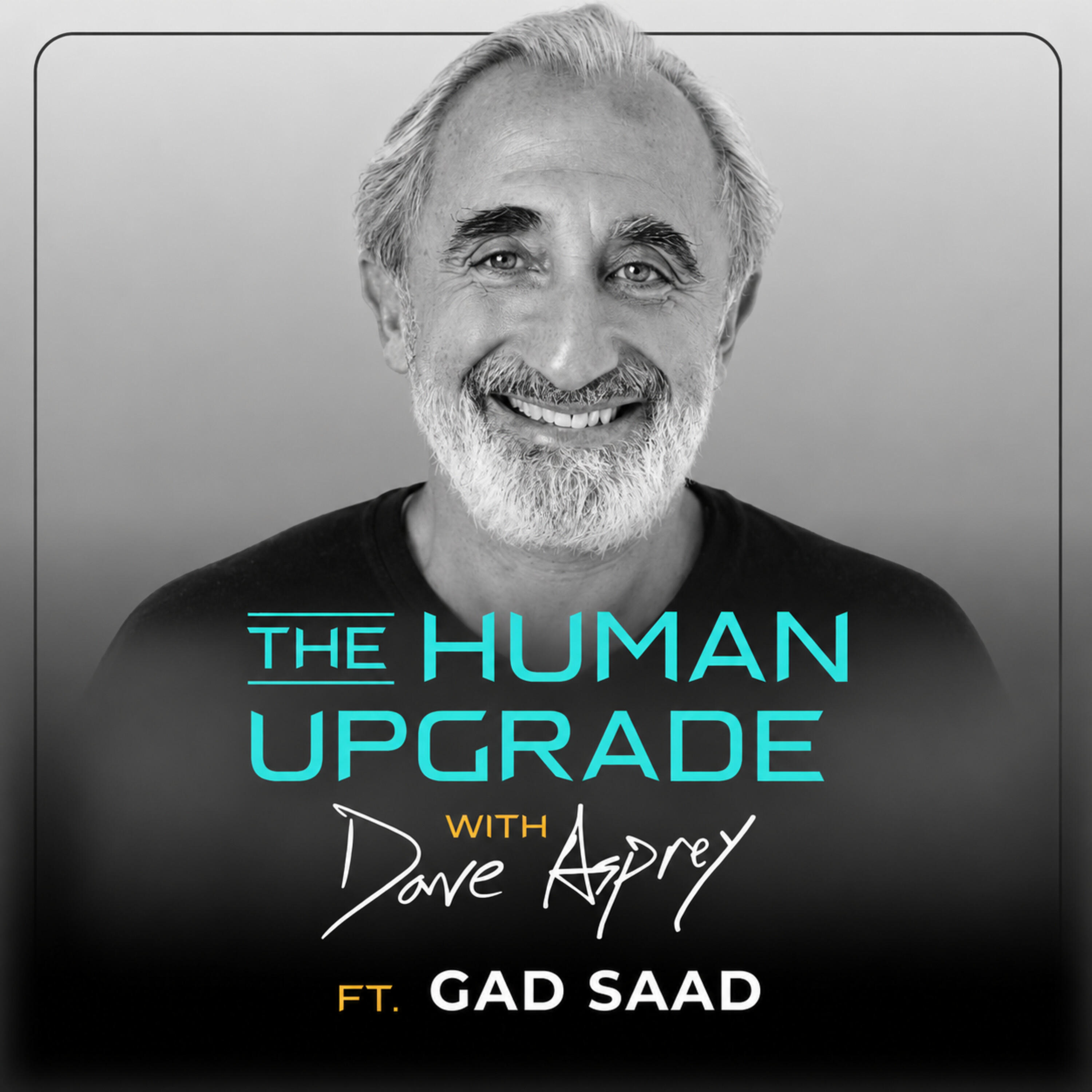
We're bringing back one of our most fascinating conversations about happiness, human behavior, and the evolutionary forces that shape nearly every decision you make. This episode was too good not to share again! Today you'll meet Gad Saad, PhD, evolutionary behavioral scientist, professor of marketing at Concordia University's John Molson School of Business, and author of The Saad Truth About Happiness: Eight Secrets for Leading the Good Life. What if the reason you're unhappy has less to do with your circumstances and more to do with the ancient biological programming running your brain? Dr. Saad studies how evolution influences human behavior, from the partners we choose and the careers we pursue to our desire for status, pleasure, and social connection. His research offers a fascinating explanation for why modern life can leave us feeling unfulfilled, even when we have more comfort, convenience, and opportunity than ever before. In this conversation, Dave and Gad explore the evoluti
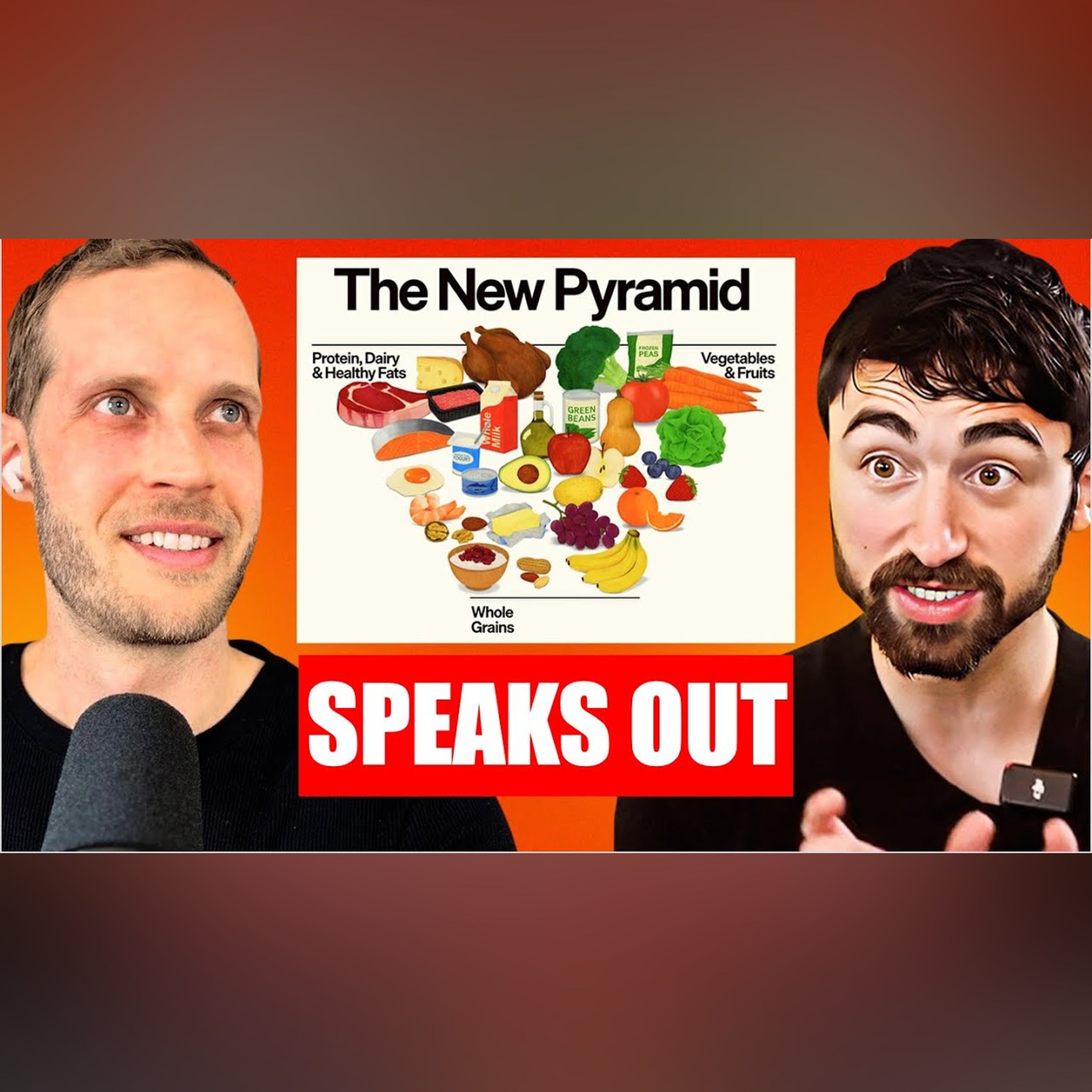
For a written digest on the guidelines, see the StayCurious Metabolism Letter: https://staycuriousmetabolism.substack.com/p/the-new-dietary-guidelines-actually?r=40ekz2 The 2025–2030 Dietary Guidelines are being marketed as a major reset with a simple message: put “real food” back at the center of the American diet. And in a lot of ways, they do represent progress. But when you actually read what’s written, some of the most important details raise real questions. For example, the document still states that saturated fat should not exceed 10% of total daily calories. To separate signal from spin, I’m joined by Dr. Ty Beal PhD, who worked on the evidence review side of the Guidelines process, to explain what the scientific background documents actually say, what happens after scientists submit reviews, and why the final public-facing document can end up with compromises, inconsistencies, or imprecise terminology. If you want a clear, good-faith breakdown—what’s genuinely better, what sti
Immerse yourself in a deeply relaxing and meditative experience with the soothing melodies of the Native American flute, accompanied by the tranquil sounds of a gentle waterfall and rain. This combination creates an environment that encourages relaxation, inner peace, and a heightened sense of serenity. The enchanting tones of the Native American flute carry you on a journey of tranquility, evoking a connection with nature and the spirit of ancient wisdom. The melodic and soulful melodies played on the flute resonate with your being, allowing you to release tension and find inner harmony. As the flute music weaves its way through your senses, the gentle sounds of a waterfall and rain provide a backdrop of natural serenity. The cascading water and gentle raindrops create a soothing and rhythmic ambiance, inviting a sense of calm and stillness into your space. Together, the Native American flute music, waterfall sounds, and rain create a harmonious symphony that calms the mind, eases str
From ancient sundials to modern atomic timekeepers, the history of clocks reveals how human societies have measured time with growing precision. Early mechanical clocks in the Northern Hemisphere adopted a clockwise motion to mirror the sweep of sundial shadows across the sky, while exceptions such as Prague's 16th-century Jewish Town Hall clock and La Paz's modified legislative clock demonstrate cultural and regional variations. Practical timekeeping milestones include Levi Hutchins's 1787 4:00 a.m. alarm clock, Antoine Redier's 1847 adjustable alarm patent, and the November 18, 1883 establishment of four North American standard time zones to replace chaotic local solar times across towns and railroads. Precision timekeeping spans from monumental pendulums to quantum-scale oscillators. London's Great Clock in Elizabeth Tower relies on a two-second pendulum regulated with pre-decimal pennies to adjust its daily rate by two-fifths of a second, whereas cesium-133 atomic clocks define the
Get the 200+ Page Optimal Living Daily Workbook (PDF) - Free. Want to turn today's episode into an actionable plan? Episode 4232: Chris Guillebeau shares a candid, funny account of his lack of qualifications, from a short-lived dishwashing job to failing his way through statistics and shrink-wrapping pallets. He argues that formal credentials matter far less than people think, and that anyone who builds a good life without them should treat that work with gratitude and diligence. It is an encouraging take on personal development for anyone who has ever felt like an imposter. Read along with the original article(s) here: https://chrisguillebeau.com/qualifications/ Quotes to ponder: "First, forget about what you're actually qualified to do. It's irrelevant and no one cares." "Fourth, when you do find something that works for you, you should be very grateful, every day." "Regardless of your actual qualifications, there's one thing that no one can give you and no one can take away: the wil
Discover how a Mayo Clinic physician beat a stage-four lymphoma diagnosis at age twenty-six and survived a four-minute cardiac flatline. In this powerful episode, Dr. Dawn Mussallem joins Dan Buettner to break down the hard science behind longevity, radical acceptance, and daily resilience. Learn why increasing dietary fiber and embracing plant-based proteins can dramatically alter health outcomes, how ancient healing wisdom aligns with modern clinical evidence, and why a strong sense of community and purpose remains our most potent medicine. Whether you are looking to optimize your metabolic health, navigate major life adversity, or simply understand the biological mechanisms driving a longer, healthier life, this conversation offers actionable wisdom straight from the front lines of integrative medicine.
Dr. Dean Ornish joins Dan Buettner to reveal how lifestyle interventions can actually reverse chronic conditions like heart disease and early Alzheimer's. Backed by decades of landmark clinical research and Medicare reimbursement, Dr. Ornish challenges conventional pharmaceutical models and explores the power of a plant-based diet, stress management, and deep social intimacy. Discover why it's never too late to transform your biological age, rewrite the rules of modern medicine, and harness daily habits that unlock true longevity.
Police should involve affected communities in rebuilding trust after serious failures.
Share your view, then see how readers voted. No sign-in required. This poll is shared across stories.
Do you agree or disagree?
Common Quandary
A Common Quandary to discuss
Another conversation to explore, separate from this news story.
You lecture everyone about climate change—then get invited on a dream flight. Do you go?
A close friend living overseas invites you to an important celebration. Flying is affordable but carbon-intensive. Your individual decision will not determine whether the flight operates, yet it conflicts with commitments you publicly encourage others to make.
When is a small personal contribution to a large harm morally significant?